Reliable hpmchydroxypropyl methyl cellulose manufacturer for Mortar
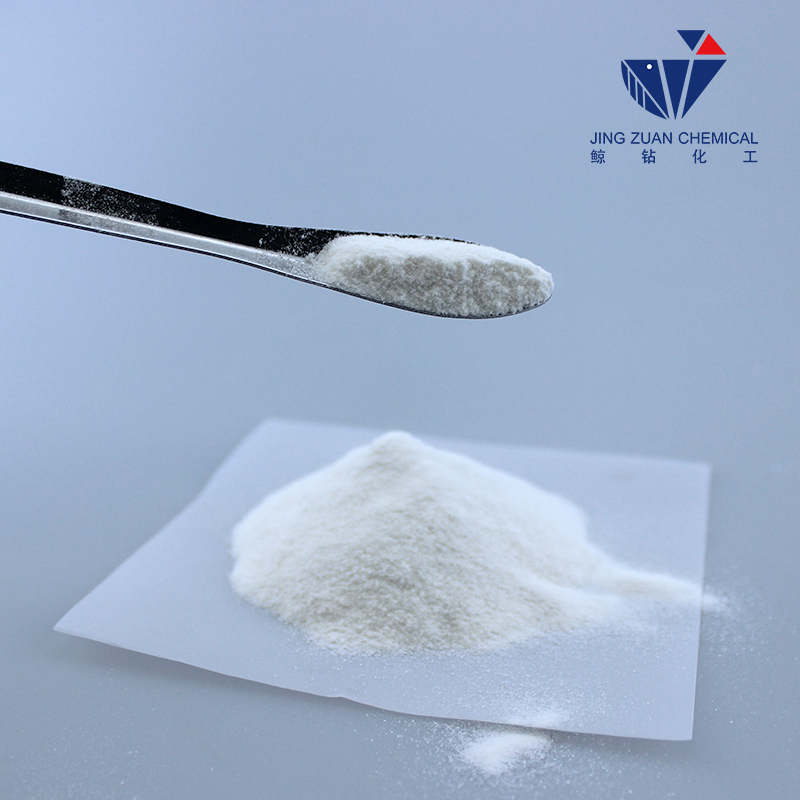
Achieving a high-strength bond in tile and brick installation requires more than just standard cement; it necessitates a precise chemical balance to prevent shrinkage and ensure long-term adhesion. Tile bonding additives, specifically optimized mixtures of HPMC and VAE, serve as the critical engine for this performance. These additives modify the rheology of the mortar, enhancing water retention and workability, which are essential for preventing premature drying in porous substrates. For professional contractors and mortar producers, selecting a high-grade cellulose-based additive is the difference between a durable installation and one prone to cracking or debonding. By integrating advanced hydroxypropyl methyl cellulose technology, these mixtures provide the necessary open time and slip resistance required for modern construction standards.

The Chemistry of Adhesion: How HPMC and VAE Enhance Bonding Mortars
The synergy between Hydroxypropyl Methyl Cellulose (HPMC) and Vinyl Acetate Ethylene (VAE) creates a high-performance matrix within cementitious mortars. HPMC acts primarily as a water-retaining agent, ensuring that the hydration process of the cement occurs uniformly. Without sufficient water retention, the mortar would lose moisture too quickly to the substrate or the atmosphere, leading to poor curing and a significant loss of adhesive strength.
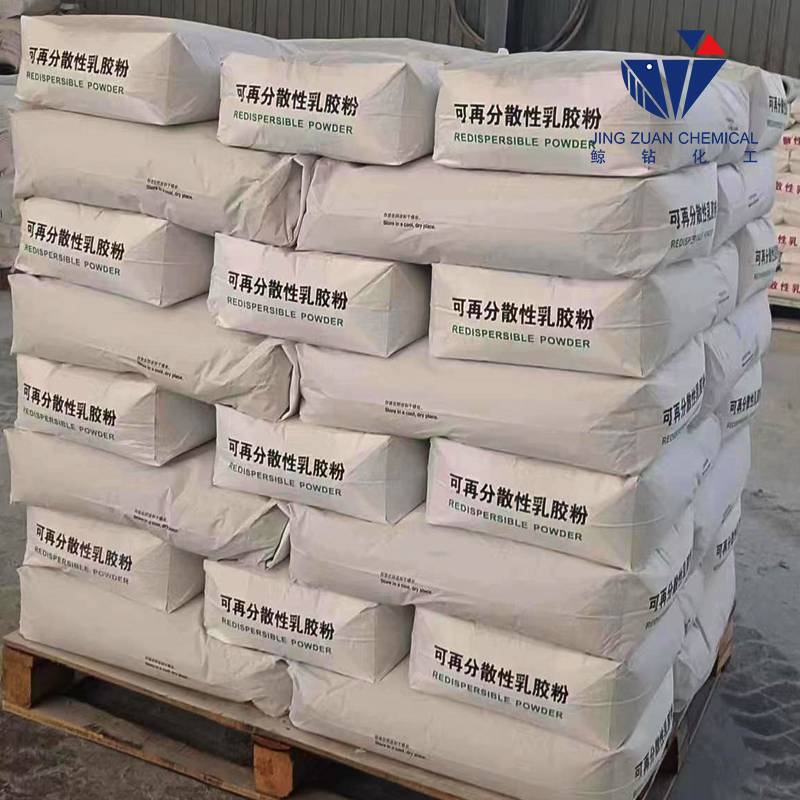
Complementing this, VAE redispersible polymer powders introduce flexibility and tensile strength to the cured mortar. This is particularly vital for brick and tile bonding where thermal expansion and contraction occur. The resulting mixture reduces the modulus of elasticity, allowing the bond to absorb stresses without fracturing. Together, these components optimize the "open time"—the window during which a tile can be adjusted after the mortar is applied—making the installation process more efficient and reliable for laborers on site.

Industrial Application Scenarios for Gypsum and Cement-Based Bonding
Our bonding additives are engineered for versatility across various construction environments. In cement-based tile adhesives, the additive mixture prevents "sagging" or slipping of heavy tiles on vertical walls, a critical requirement for large-format porcelain tiles. In gypsum-based mortars, the additives regulate the setting time and improve the smoothness of the application, ensuring a flush finish between bricks.
Common application areas include:
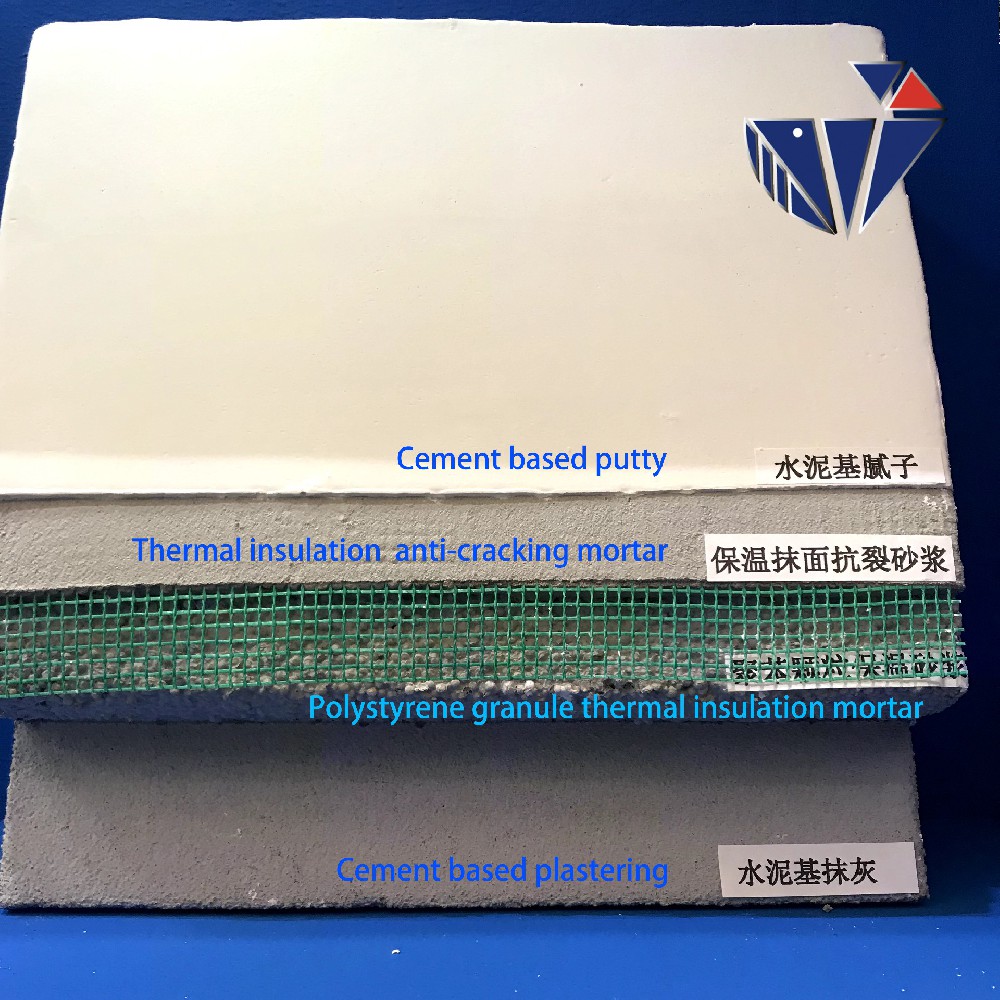
- External Wall Insulation Finite Systems (EWIFS): Enhancing the bond between the insulation board and the structural wall.
- Interior Decorative Tiling: Improving the workability of thin-set mortars for ceramic and glass tiles.
- Structural Brickwork: Strengthening the mortar joints in high-load bearing walls to prevent micro-cracking.
- Repair Mortars: Ensuring high adhesion to old concrete surfaces during renovation projects.
Optimizing Procurement: Evaluating Additive Stability and Performance
When sourcing chemical additives, consistency across batches is the most significant risk factor for mortar producers. A slight variation in the viscosity of HPMC can lead to inconsistent water demand in the final mix, causing unpredictable shrinkage. Professional procurement should focus on manufacturers who employ automated production lines and strict laboratory verification for purity and transmittance rates.
To mitigate risk, it is recommended to conduct multi-batch sampling. Testing the liquid transmittance and water retention of different lots ensures that the additive will perform identically whether you are producing 10 tons or 1,000 tons of mortar. Furthermore, ensuring the supplier possesses ISO 9001 and CE certifications provides a baseline of trust regarding the manufacturing process and environmental compliance, which prevents supply chain disruptions caused by regulatory inspections.
Technical Comparison of Bonding Additive Characteristics
| Performance Metric | Standard HPMC | HPMC + VAE Mixture | Impact on Final Mortar |
|---|---|---|---|
| Water Retention | High | Very High | Prevents premature drying |
| Tensile Strength | Low | High | Reduces cracking/brittleness |
| Open Time | Moderate | Extended | Easier tile adjustment |
| Workability | Good | Excellent | Smoother application feel |
| Sag Resistance | Moderate | High | Better vertical adhesion |
Manufacturing Excellence and Quality Control Frameworks
The production of high-grade cellulose ethers requires a sophisticated reaction process. Utilizing German technology and advanced reaction kettles allows for precise control over the degree of substitution, which directly dictates the product's viscosity and stability. A professional production environment must include dedicated dust collection systems and gas recycling tanks to maintain purity and adhere to strict environmental standards.
Quality assurance begins with raw material inspection. For instance, using high-purity refined cotton is essential to ensure the final polymer chain is consistent. Advanced laboratory equipment is used to test viscosity, purity, and water retention before any batch is released for shipping. This rigorous approach ensures that the additives supplied to the construction field meet the demanding specifications of global engineering projects.
Future Trends in Sustainable Construction Chemical Additives
The construction industry is moving toward "green building" standards, which puts pressure on chemical manufacturers to produce additives with lower environmental footprints. We are seeing a shift toward higher-efficiency polymers that allow for lower dosage rates while maintaining the same performance levels, thereby reducing the overall carbon footprint of the bonding mortar.
Additionally, there is a growing demand for specialized additives that can withstand extreme weather conditions, such as high-temperature arid zones or high-humidity tropical climates. The evolution of HPMC and RDP technology is focusing on enhancing the "breathability" of the mortar, allowing moisture vapor to escape while maintaining a waterproof barrier, which is critical for the longevity of external facades.
Technical Questions on Tile Bonding Additives
What is the primary function of HPMC in tile adhesive?
HPMC acts as a thickener and water-retention agent. It prevents the mortar from losing water too quickly into the substrate, ensuring that the cement hydrates fully for maximum strength.
Why should I use a mixture of HPMC and VAE instead of just HPMC?
While HPMC provides water retention and workability, VAE (Redispersible Polymer Powder) adds flexibility and adhesive strength, reducing the risk of the tiles cracking due to thermal stress.
How does the viscosity of the additive affect the mortar?
Higher viscosity generally increases water retention and sag resistance but can make the mortar "stiffer" to apply. The ideal viscosity depends on the specific application (e.g., vertical wall vs. horizontal floor).
Can these additives be used in both gypsum and cement mortars?
Yes, our tile bonding additives are specifically formulated to be compatible with both gypsum-based and cement-based bonding systems.
How can I verify the quality stability of a supplier?
Request samples from different production batches and test them for viscosity and water retention consistency. Also, check for ISO 9001 and CE certifications.
What happens if there is insufficient water retention in the mortar?
The mortar will dry too quickly, leading to "shrinkage cracks" and a weak bond between the tile and the wall, which often results in tiles falling off over time.
Technical References and Industry Standards
- ISO 9001 Quality Management Systems Standards
- ASTM International Standards for Adhesives
- EN 12004 Standard for Tile Adhesives
- Research on Cellulose Ethers in Construction Materials
To ensure the highest performance for your specific project, we recommend testing our free samples. Contact our engineering team for tailored chemical solutions and viscosity optimization for your mortar formulations.
Related Construction Chemical Insights