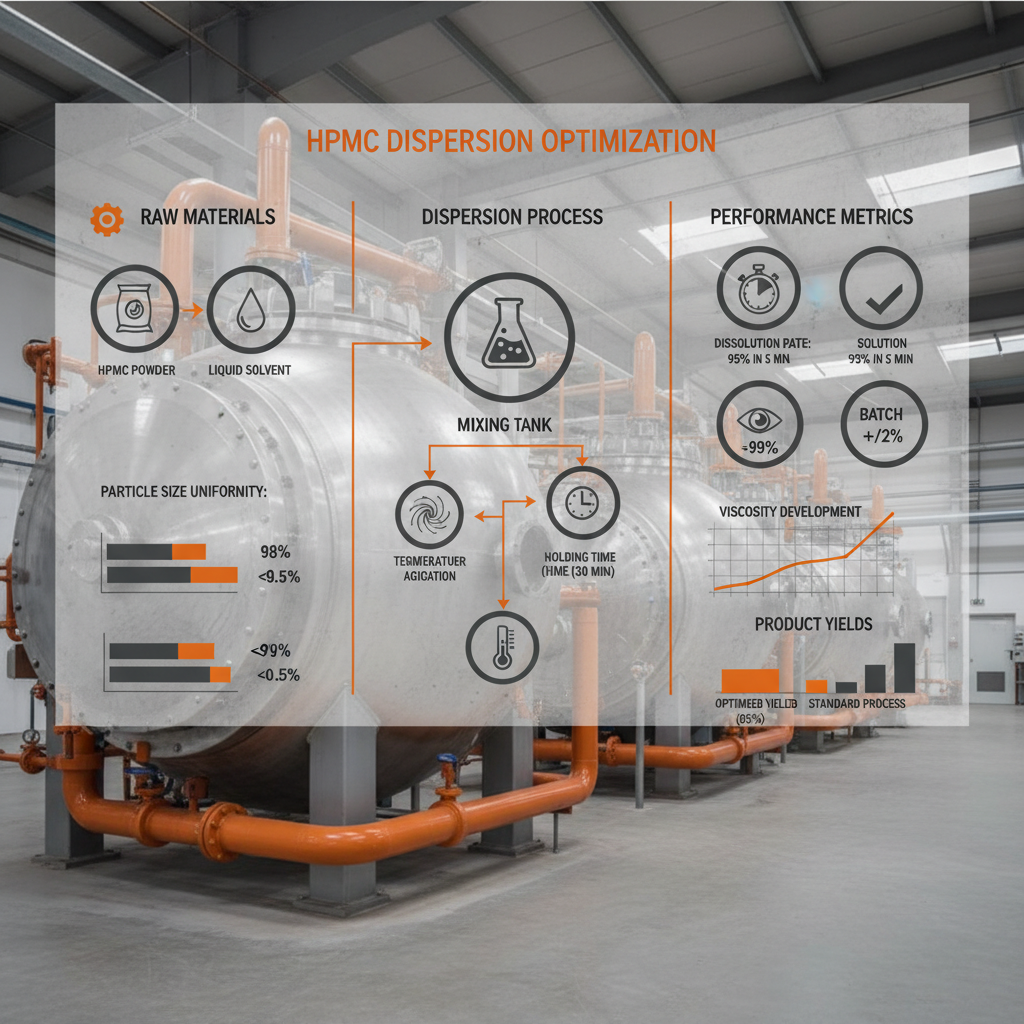
Understanding the hydroxyethylcellulose price requires a deep dive into the chemical properties of HEC, a non-ionic cellulose ether used extensively as a thickening and stabilizing agent. In the current industrial market, the cost of this polymer is influenced by raw material availability, specifically refined cotton, and the technological efficiency of the production line.
For manufacturers in the specialty chemicals sector, fluctuations in HEC pricing can impact the overall cost of construction mortars, paints, and pharmaceutical coatings. The challenge lies in balancing high viscosity and water retention capabilities with a sustainable procurement budget to maintain market competitiveness.
This article analyzes the factors driving the cost of hydroxyethylcellulose, evaluates performance metrics against industry averages, and provides a comprehensive selection guide for procurement teams looking to optimize their chemical additive supply chain.

1Market Dynamics of HEC Pricing

The hydroxyethylcellulose price is primarily dictated by the cost of refined cotton and the chemical reagents used in the etherification process, such as ethylene oxide. Because HEC is a specialized derivative, production requires precise temperature control and reaction kettle management to ensure consistent viscosity across different batches.
Global logistics and energy costs also play a significant role. For instance, facilities located near major sea ports, such as those within 300 km of Tianjin, can offer more competitive pricing due to reduced inland transportation overheads for exported goods.
Furthermore, the shift toward German-engineered production technology has allowed some manufacturers to increase annual capacity to 60,000 tons, creating economies of scale that stabilize the market price while improving the purity of the final polymer.
2Technical Properties and Value Drivers
The value of HEC is not merely in its chemical composition but in its ability to provide exceptional thickening and water retention. This is critical in cement-based materials where premature drying can lead to cracking and structural failure. High-quality HEC ensures a smooth application and prolonged open time.
Viscosity grades are a primary price driver; higher viscosity grades often require more stringent processing and longer reaction times. The purity of the product, measured by liquid transmittance rates, also determines its suitability for clear coatings and high-end cosmetic applications.
Consistency across batches is another value driver. Manufacturers utilizing automated central control rooms and rigorous lab testing for viscosity and purity can command a premium by reducing the risk of batch-to-batch variation for the end-user.
3Industrial Application Scenarios
In the construction field, HEC is indispensable for tile bonding and brick bonding additives. When mixed with HPMC and VAE, it creates a synergistic effect that improves the adhesive strength of gypsum or cement-based mortars, ensuring tiles remain securely bonded over long periods.
Beyond construction, the paint and coating industry relies on HEC to prevent pigment settlement and to provide the desired rheological properties, allowing the paint to flow smoothly during application without dripping.
The pharmaceutical and personal care sectors utilize HEC for its biocompatibility and stability in various pH environments, making it a preferred choice for eye drops and thickening agents in shampoos and lotions.
4Performance Metrics and Comparative Data
Evaluating the hydroxyethylcellulose price against its performance requires a look at efficiency. High-purity HEC typically allows for lower dosage rates while achieving the same viscosity, effectively reducing the total cost per square meter of application.
When comparing generic grades to high-performance grades, the latter shows significant improvements in stability and compatibility with other chemical additives like RDP (Redispersible Polymer Powder), which is essential for flexible mortars.
hydroxyethylcellulose price Performance Metrics
As indicated in the metrics, the integration of advanced German technology in the production process results in a higher stability index and better clarity, which are paramount for technical grade applications where purity cannot be compromised.
5Procurement and Selection Strategy
Procurement teams should not focus solely on the per-kilogram price. The "total cost of use" includes the efficiency of the additive, the stability of the supply chain, and the technical support provided by the manufacturer for customized solutions.
Key selection criteria should include the viscosity range, the degree of substitution, and the presence of certifications such as ISO 9001 and CE. These certifications ensure that the product meets international safety and quality standards.
Establishing a relationship with a manufacturer that possesses a full water treatment system and environmental compliance avoids unexpected supply disruptions caused by environmental inspections or regulatory shutdowns.
6Future Trends in Cellulose Ethers
The industry is moving toward "green chemistry," with a focus on reducing the carbon footprint of refined cotton processing. We are seeing a rise in demand for HEC variants that offer higher solubility at lower temperatures to save energy during mixing.
Digitalization in production, including real-time monitoring via central control rooms, is reducing waste and increasing yield, which will likely lead to more stable pricing in the long term despite raw material fluctuations.
Additionally, there is an increasing demand for HEC in the energy sector, specifically for hydraulic fracturing fluids, where its thermal stability is a critical advantage over other thickeners.
7HEC vs Other Cellulose Additives
Choosing between HEC, HPMC, and HEMC depends on the specific chemical environment of the project. While HPMC is widely used for water retention in mortars, HEC is often preferred for its superior thickening power and compatibility in non-ionic systems.
The pricing differs based on the chemical modification process. HEC typically offers a different rheological profile, making it more suitable for coatings where a specific "feel" or flow is required.
| Additive Type | Primary Strength | Common Use Case | Cost Profile |
|---|---|---|---|
| HEC | Thickening & Stability | Paints & Coatings | Moderate |
| HPMC | Water Retention | Tile Adhesives | Competitive |
| HEMC | Open Time Control | Cement Plasters | Moderate |
| RDP | Flexibility & Bond | Dry-mix Mortars | Premium |
| VAE | Adhesion Promotion | Bonding Agents | Variable |
| Mixed Blends | Synergistic Effect | Specialty Mortars | Custom |
For most high-performance construction applications, a combination of HEC and RDP is recommended to achieve the optimal balance of workability, adhesion, and long-term durability.
Frequently Asked Questions
Conclusion
Optimizing the use of hydroxyethylcellulose requires a strategic balance between cost and performance. By understanding the market drivers—from refined cotton supply to production technology—procurement teams can make more informed decisions that protect their margins without sacrificing product quality.
For those evaluating suitable solutions for construction or industrial coatings, detailed product specifications and technical support are essential. You can review the available product information and explore chemical solutions at www.cellulosether.cn.