Selecting a reliable china hpmc-hydroxypropyl methyl cellulose manufacturer is a critical decision for companies in the specialized chemical manufacturing sector, where consistency in viscosity and purity directly impacts end-product stability. As a non-ionic cellulose ether, HPMC serves as a vital thickener and stabilizer across construction, pharmaceuticals, and personal care industries.
Procurement officers and engineers often struggle with batch-to-batch variance and purity levels that can compromise water retention and workability. This challenge necessitates a rigorous evaluation of a manufacturer's production technology, quality control systems, and their ability to scale production without sacrificing technical specifications.
This analysis provides a professional framework for evaluating HPMC production capabilities, understanding the technical relationship between purity and performance, and establishing a procurement standard to ensure long-term supply chain stability.

Core Production Capabilities of HPMC Manufacturers

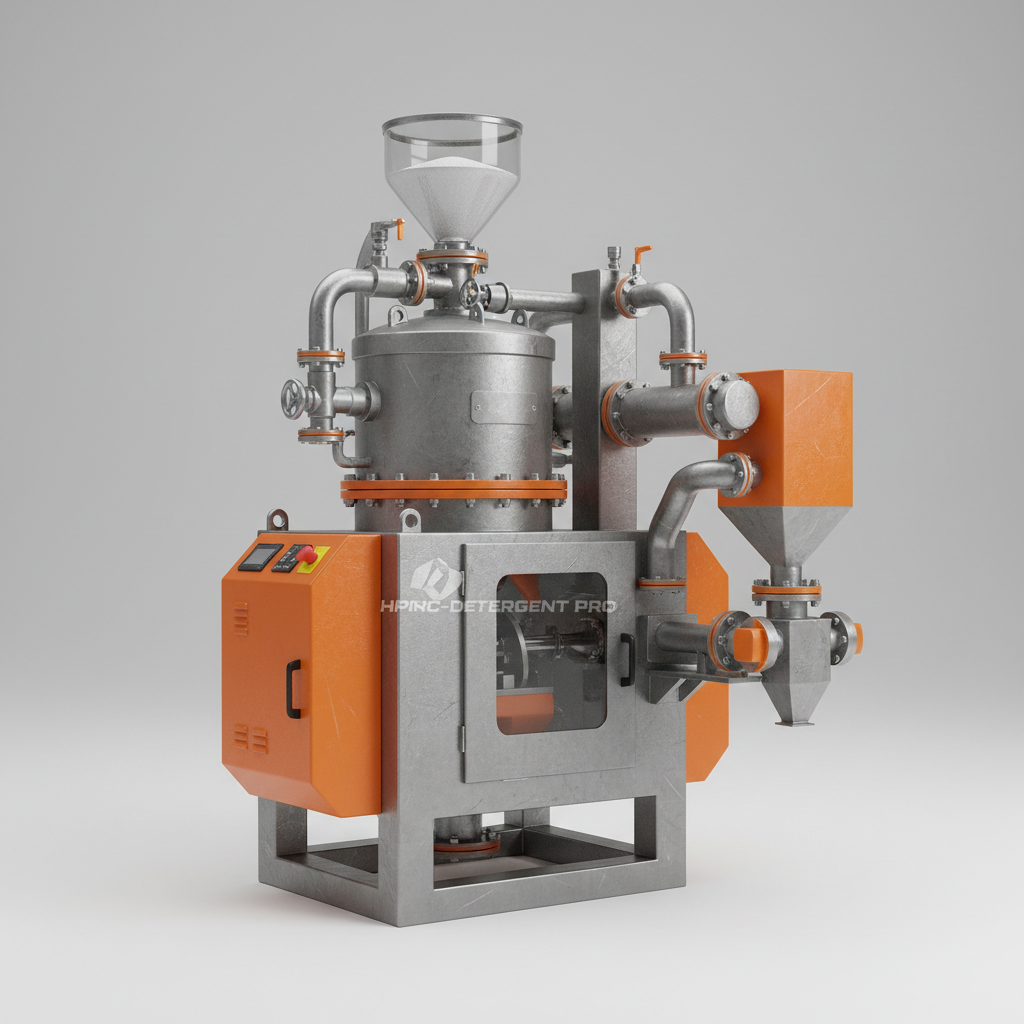
A professional china hpmc-hydroxypropyl methyl cellulose manufacturer must possess an integrated production chain starting from high-purity refined cotton. The transition from raw cellulose to HPMC involves a complex process of alkalization and etherification. The ability to manage reaction kettles and gas recycling tanks is essential for maintaining the stability of the chemical reaction and ensuring environmental compliance.
Jingzuan Chemical, for instance, utilizes German technology and equipment to maintain an annual capacity of 60,000 tons for HPMC. Such infrastructure allows for tighter control over the molecular weight distribution and substitution levels, which are the primary drivers of the product's performance in industrial applications.
Critical Technical Specifications for Quality Control
Quality in HPMC is not defined by a single number but by the synergy of viscosity, purity, and solubility. Viscosity must be precisely matched to the application—whether it is for a high-build coating or a thin-set mortar. Purity is often measured by the ash ratio and the clarity of the solution after complete dissolution, which prevents unwanted stains or sedimentation in the final product.
Advanced laboratories are necessary to test liquid transmittance rates and water retention. A rigorous quality control system, such as ISO 9001, ensures that every batch undergoes standardized testing before delivery. This technical rigor prevents the operational disruptions that occur when a batch of cellulose ether fails to thicken a solution within the expected 30 to 60-minute window.
Integrating HPMC into Specialized Chemical Applications
HPMC acts as a multifunctional additive, serving as a thickener, emulsifier, and stabilizer. In the construction sector, its primary value lies in improving the water retention of cement-based materials, which prevents premature drying and cracking. In the paint and coating industry, it ensures a smooth application by controlling the rheology and preventing sagging on vertical surfaces.
The efficacy of HPMC depends on its compatibility with other additives like RDP (Redispersible Polymer Powder). When used together, HPMC provides the necessary water hold while RDP enhances the adhesion and flexibility of the dry film. This synergistic effect is what makes these specialized chemicals indispensable for modern building materials and industrial coatings.
Evaluating Manufacturer Performance Dimensions
When comparing manufacturers, buyers should look beyond the price per kilogram and analyze a normalized performance index. This includes the stability of viscosity across batches, the lead time for bulk orders, and the level of technical support provided for application-specific adjustments. The following illustrative framework demonstrates the relative priority of these dimensions during the evaluation process.
The data indicates that batch consistency and technical support are high-impact dimensions. A manufacturer capable of providing a detailed analysis of the liquid transmittance rate and water retention provides significantly more value than one offering only a basic specification sheet.
Supply Chain Risk Mitigation in Chemical Sourcing
Sourcing chemicals from overseas requires a strategy to mitigate logistics and quality risks. The distance between the factory and the sea port (such as the 300km distance from Shijiazhuang to Tianjin port) can influence lead times and shipping costs. Diversifying batches and requesting samples from different production runs is a practical method to verify long-term quality stability.
Furthermore, environmental compliance is a hidden risk. Manufacturers with their own comprehensive water treatment facilities are less likely to face sudden production halts due to government environmental inspections. This ensures a steady flow of materials and prevents costly project delays for the buyer.
Common Procurement Pitfalls and Technical Errors
A common mistake is selecting HPMC based solely on the highest viscosity available, regardless of the application. Over-thickening can lead to poor workability and difficulty in dispersing the powder, resulting in "fish-eyes" or lumps in the solution. Another error is ignoring the ash ratio, which can indicate impurities that negatively affect the chemical stability of the final formulation.
Buyers also frequently overlook the importance of fluidity. Pure powder should exhibit smooth fluidity when rolled in a jar. Poor fluidity often signals inconsistent particle size or moisture contamination, both of which can lead to inaccurate weighing and inconsistent dosing during large-scale industrial mixing.
Strategic Supplier Selection Framework
The final decision on a china hpmc-hydroxypropyl methyl cellulose manufacturer should be based on a weighted matrix of technical capability, production scale, and quality assurance. While capacity (e.g., 60,000 tons/year) ensures volume, the presence of a professional team of application engineers ensures that the product actually works in the buyer's specific environment.
| Evaluation Dimension | Low-Tier Supplier | Mid-Tier Supplier | High-Tier Manufacturer |
|---|---|---|---|
| Production Tech | Generic / Local | Standardized | Advanced (e.g., German) |
| Batch Stability | Variable | Moderate | High Consistency |
| Quality Control | Basic Testing | ISO Certified | Comprehensive Lab/3rd Party |
| Application Support | None | Basic Guidance | Customized Solutions |
| Environmental Risk | High | Moderate | Low (Internal Treatment) |
| Supply Reliability | Unstable | Seasonal | Consistent Large Scale |
Using this framework allows procurement teams to justify their selection based on risk reduction and total cost of ownership rather than simply the lowest unit price.
Frequently Asked Questions
Purity can be checked by weighing a fixed volume of the powder; higher purity generally correlates with higher density. Additionally, check the fluidity of the powder in a glass jar; smoother fluidity indicates higher purity and better processing.
When thoroughly dissolved under appropriate conditions, high-quality HPMC typically reaches its peak viscosity within 30 to 60 minutes.
Large-scale manufacturers with automated lines (e.g., 60,000 tons/year) can achieve better batch-to-batch consistency and more stable chemical reactions compared to small-scale, manual operations.
HPMC is widely used in construction (mortars, tile adhesives), paints and coatings (thickening, stabilization), pharmaceuticals (tablet binders), and personal care products.
At a minimum, ISO 9001 for quality management and CE certification for European market compliance are essential benchmarks for reliability.
Yes, professional manufacturers typically provide free samples of different batches to allow buyers to verify quality stability, though the buyer usually covers the air shipping costs.
Conclusion
Selecting a china hpmc-hydroxypropyl methyl cellulose manufacturer requires a balance between technical specifications, production scale, and quality assurance. The ability to maintain viscosity stability and high purity is what differentiates a commodity supplier from a strategic partner in the specialized chemical industry.
For those evaluating implementation options or requiring specific viscosity grades for construction or coating applications, detailed product information and technical support are available at www.cellulosether.cn to ensure optimal formulation results.