
Advanced Construction Chemical Solutions with rdp polymer in Chile

Optimizing structural durability and adhesive performance for the unique seismic and climatic demands of the Chilean construction market.

Advanced Construction Chemical Solutions with rdp polymer in Chile

Providing high-performance chemical additives tailored for Chile's specialized construction needs, focusing on elasticity, bonding strength, and weather resistance.

Current State of Specialized Chemicals in Chile

Analyzing the intersection of geological challenges and chemical requirements in the Chilean market.

Chile's construction industry is uniquely defined by its high seismic activity and diverse climate, from the arid Atacama in the north to the humid south. This creates a critical demand for a high-quality mortar bonding agent that can withstand significant structural stress and thermal expansion without cracking.

The local market has transitioned from traditional cement-based mixtures to advanced polymer-modified systems. The integration of vae powder has become essential for improving the flexibility and adhesion of external insulation and finishing systems (EIFS) used in Santiago's urban developments.

Furthermore, the chemical manufacturing sector in Chile is increasingly focusing on sustainability and water retention. The use of hydroxyalkyl cellulose is now widespread to ensure optimal workability and prevent premature drying in the dry central valley regions.
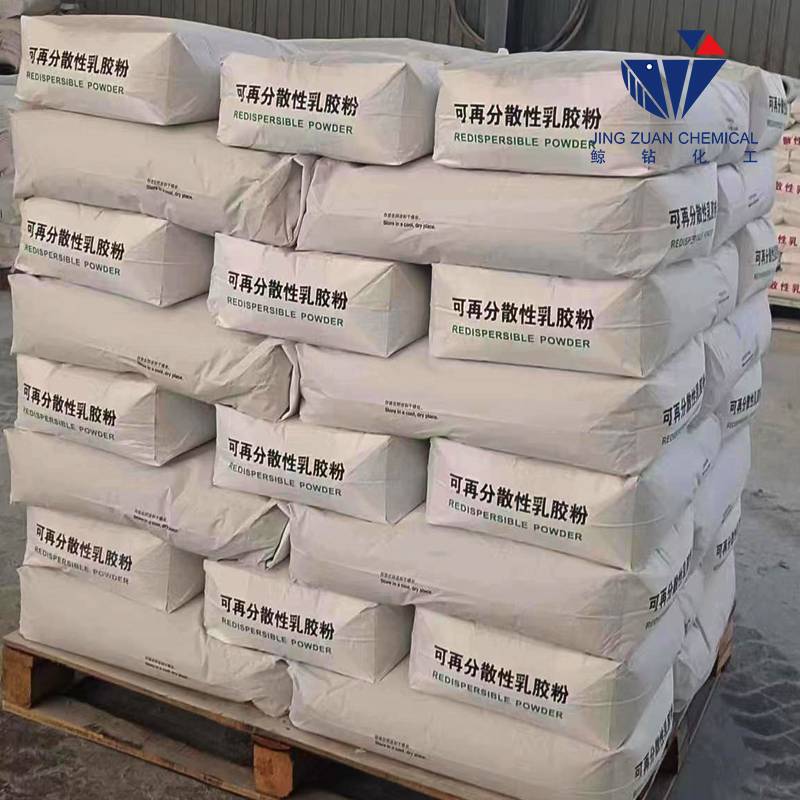

Evolution and Technical Trajectory of Chile's Chemical Additives

From basic binders to high-performance polymer dispersions.

Market Development History

Prior to 2010, the Chilean market relied heavily on standard Portland cement and basic additives. The focus was primarily on compressive strength, often neglecting the tensile flexibility required for seismic zones.

Between 2010 and 2020, there was a technical shift toward the adoption of latex bonding agent technologies. This period saw a surge in the use of redispersible polymers to enhance the bond between old and new concrete in infrastructure repair.

Since 2020, the industry has entered the era of precision chemistry. Modern formulations now combine multiple polymers to achieve specific rheological properties, ensuring that mortars remain stable under extreme temperature fluctuations.

Future Development Trends

Eco-Friendly Polymer Synthesis

A move toward low-VOC and bio-based polymer powders to align with Chile's strict environmental regulations and green building certifications.

High-Elasticity Seismic Mortars

Increased demand for hybrid systems that combine RDP and cellulose to create "self-healing" or highly flexible joints in high-rise buildings.

Digitalized Chemical Dosing

The integration of smart sensors in construction sites to determine the exact amount of additives needed based on real-time humidity and temperature.

Industry Trends and Future Outlook

Predicting the next 3-5 years of chemical innovation in the Southern Cone.

Seismic Resilience
Developing specialized polymers that allow mortars to absorb energy during seismic events without losing structural integrity.
Water-Saving Tech
Improving cellulose efficiency to reduce water consumption in the Atacama region's construction projects.
Rapid Curing Systems
Next-generation VAE powders designed for faster setting times in the cold southern climates of Patagonia.
Carbon Reduction
Integrating recycled materials into polymer matrices to reduce the carbon footprint of urban infrastructure.

Industry Outlook

Google Search trends indicate a growing interest in "Sustainable Construction" and "Seismic-resistant materials" within the Chilean region. This suggests that the market is moving beyond simple adhesion and toward integrated structural integrity solutions.

We expect that the synergy between vae powder and advanced cellulose derivatives will drive the development of a new class of high-performance mortars specifically engineered for the Andean geography.

Localized Application Scenarios in Chile

Real-world implementation of specialized chemicals across diverse Chilean environments.

1. Santiago Urban High-Rise EIFS

Using vae powder in external insulation systems to provide the necessary elasticity to absorb vibrations during minor seismic events, preventing exterior facade cracking.

2. Atacama Desert Infrastructure

Implementing high-viscosity hydroxyalkyl cellulose to maintain moisture in concrete pours, preventing rapid dehydration in the extreme heat and low humidity of the north.

3. Valparaíso Coastal Renovations

Applying latex bonding agent to repair salt-damaged concrete structures, ensuring a powerful chemical bond that resists chloride penetration and coastal erosion.

4. Southern Patagonia Cold-Weather Grouting

Utilizing a specialized mortar bonding agent tailored for low temperatures to ensure that industrial grouting in the south reaches full strength despite the cold.

5. Andean Tunneling Projects

Integrating rdp polymer into shotcrete formulations to increase the flexibility and adherence of support linings in high-pressure mountain tunnels.

Brand Story

Global Development History of Hebei Jingzuan Chemical Technology Co., Ltd.

Foundation and Focus

Established with a vision to solve the core instability of dry-mix mortars, focusing on the precision synthesis of cellulose ethers.

Technical Breakthrough

Developed a proprietary polymerization process for RDP, significantly increasing the tensile strength of bonding agents for global markets.

Global Expansion

Extended our footprint into South America, adapting chemical formulations to meet the specific geological demands of the Andean region.

Sustainability Shift

Invested in green chemistry to reduce the carbon footprint of chemical additives without sacrificing performance.

Industry Leadership

Today, we stand as a premier partner for construction firms in Chile, providing end-to-end chemical solutions for specialized manufacturing.

Complete Product Portfolio for the Chilean Market

A comprehensive range of specialized chemical additives designed for the Southern Cone.

Common Questions in Chile's Chemical Sector

Expert answers to technical challenges faced by Chilean manufacturers.

How does rdp polymer improve seismic resistance in mortars?

RDP polymer creates a flexible polymer film within the cement matrix, which allows the mortar to undergo slight deformation during seismic shifts without catastrophic brittle failure.

Which mortar bonding agent is best for coastal areas like Valparaíso?

We recommend a high-performance latex-based agent that provides a dense, non-porous barrier against sea salt and moisture penetration.

Can vae powder be used in high-temperature environments in Northern Chile?

Yes, but it should be paired with appropriate cellulose ethers to ensure water retention and prevent rapid evaporation under the Atacama sun.

What is the role of hydroxyalkyl cellulose in dry-mix mortar?

It acts as a thickener and water-retention agent, ensuring the mortar remains workable and the hydration process is completed fully.

Is latex bonding agent compatible with all cement types?

Most of our latex agents are designed for compatibility with standard Portland cement and blended cements common in Chile.

How to optimize the dosage of polymers for high-altitude construction in the Andes?

Dosage must be adjusted based on the lower air pressure and temperature; typically, increasing the polymer-to-cement ratio improves frost resistance.

Consult Our Specialists Today

Get a customized chemical formulation for your specific construction project in Chile.

Contact Us Now

If you are interested in our products, you can choose to leave your information here, and we will be in touch with you shortly.