

-
 When integrating chemical additives into industrial processes, safety is the first priority. The hydroxypropyl methyl cellulose msds (Material Safety Data Sheet) serves as the essential blueprint for the safe handling, storage, and transportation of HPMC. As a versatile polymer used widely in construction, pharmaceuticals, and cosmetics, understanding its chemical properties and hazard profile is crucial for workplace safety and regulatory compliance. In this guide, we will explore the critical components of the HPMC safety data sheet to ensure your operations remain efficient and accident-free.Read more
 -
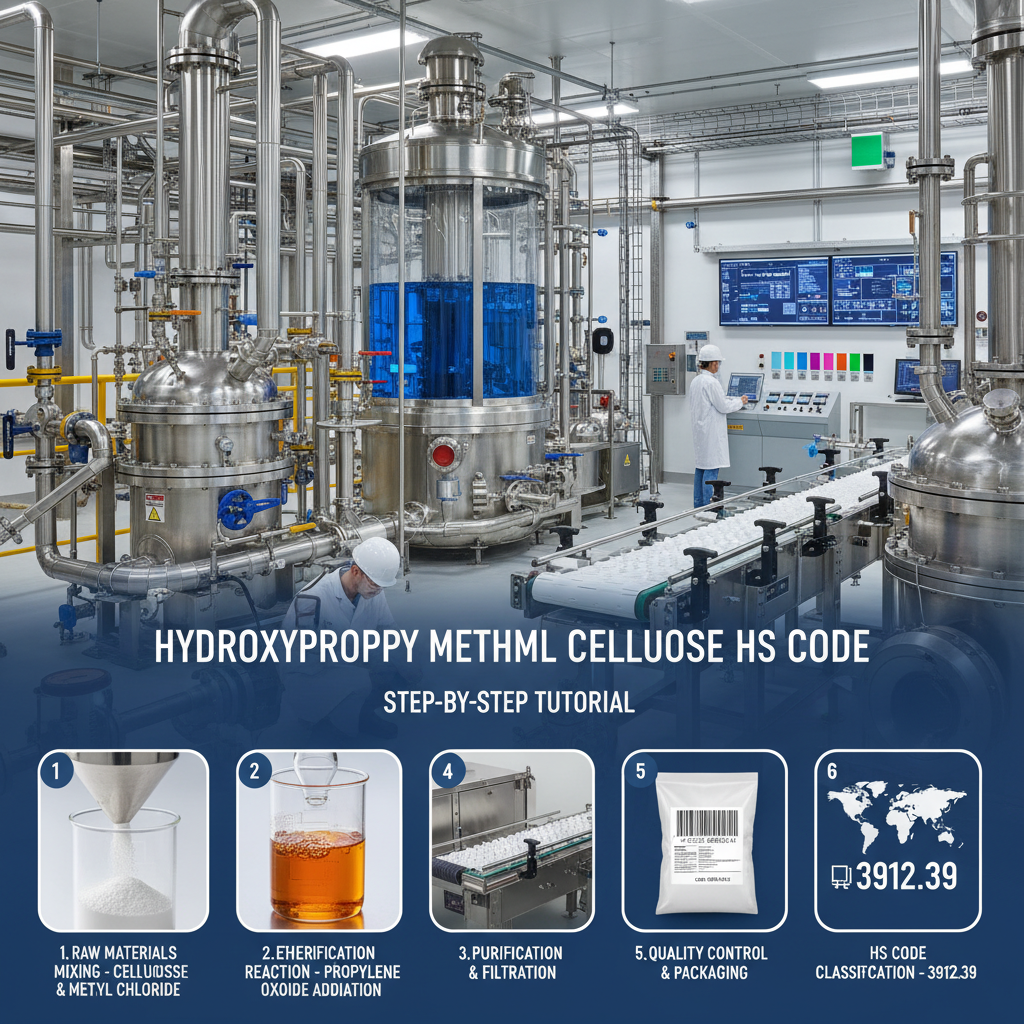 For businesses engaged in the international chemical trade, accuracy in documentation is the cornerstone of a smooth supply chain. One of the most critical elements in this process is identifying the correct hydroxypropyl methyl cellulose hs code. Hydroxypropyl Methyl Cellulose (HPMC) is a versatile polymer used extensively in construction, pharmaceuticals, and cosmetics. Misclassifying this material can lead to costly customs delays, incorrect tariff payments, or even legal complications. In this comprehensive guide, we will explore the specifics of HPMC classification, how to determine the right code for your region, and the impact of these codes on your logistics costs.Read more
 -
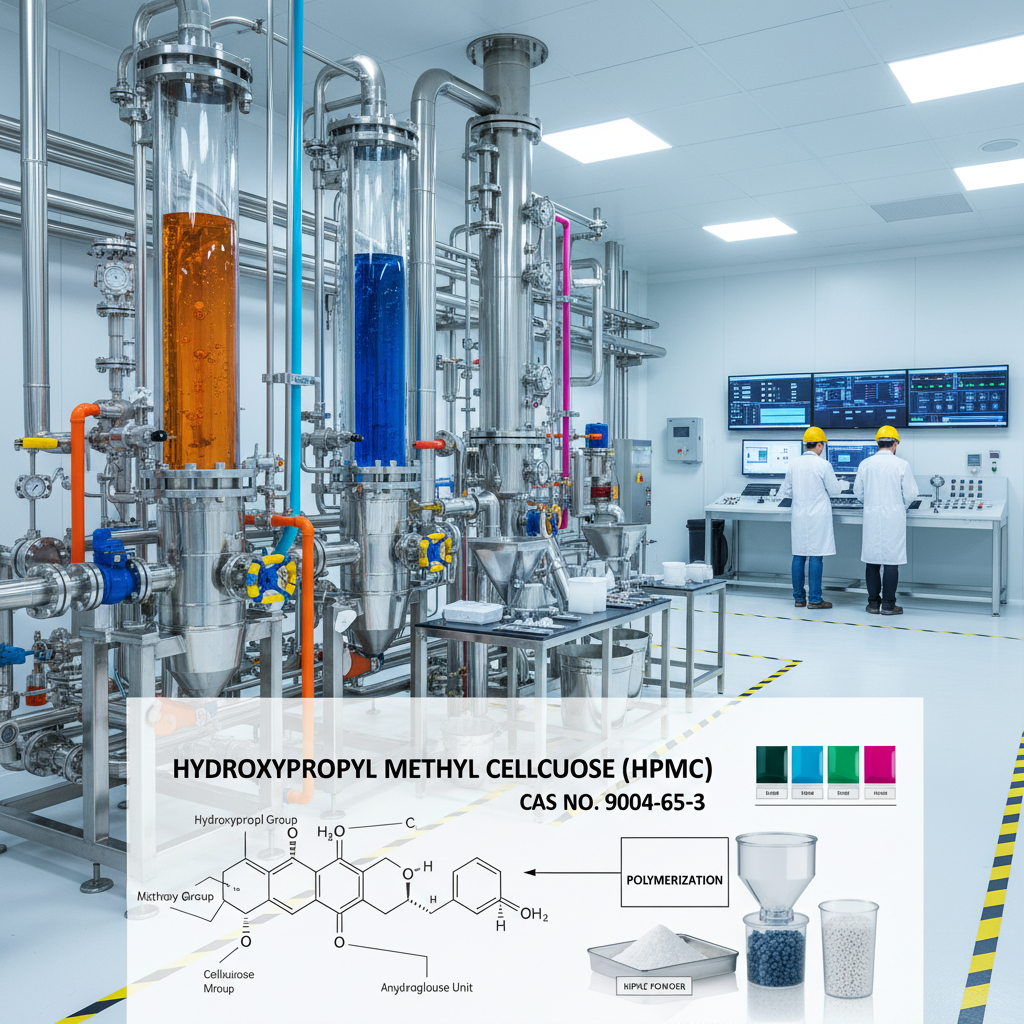 Hydroxypropyl methyl cellulose (HPMC) is a versatile cellulose ether derived from cellulose. Widely used across numerous industries – from construction and pharmaceuticals to food and cosmetics – HPMC acts as a thickener, binder, film former, and protective colloid. This article will provide a detailed overview of HPMC, focusing on its properties, applications, and importantly, its CAS number. Understanding these details is crucial for sourcing and utilizing this essential chemical effectively.Read more
 -
 Hydroxypropyl Methyl Cellulose (HPMC) is a versatile cellulose ether widely utilized across diverse industries like construction, pharmaceuticals, food, cosmetics, and more. This non-ionic water-soluble polymer is prized for its thickening, binding, film-forming, and water retention properties. Understanding its characteristics and applications is key for optimizing product performance. CNJZ Chemical offers a comprehensive range of HPMC grades and specifications.Read more
 -
 Hydroxypropyl methyl cellulose (HPMC) is a versatile polymer used in a vast array of industries, from construction to pharmaceuticals. Finding a reliable hydroxypropyl methyl cellulose manufacturer is crucial for ensuring product quality and consistent supply. This article will delve into the key aspects of HPMC, its applications, and how to choose the right manufacturer, with a focus on quality, capabilities, and sustainability.Read more
 -
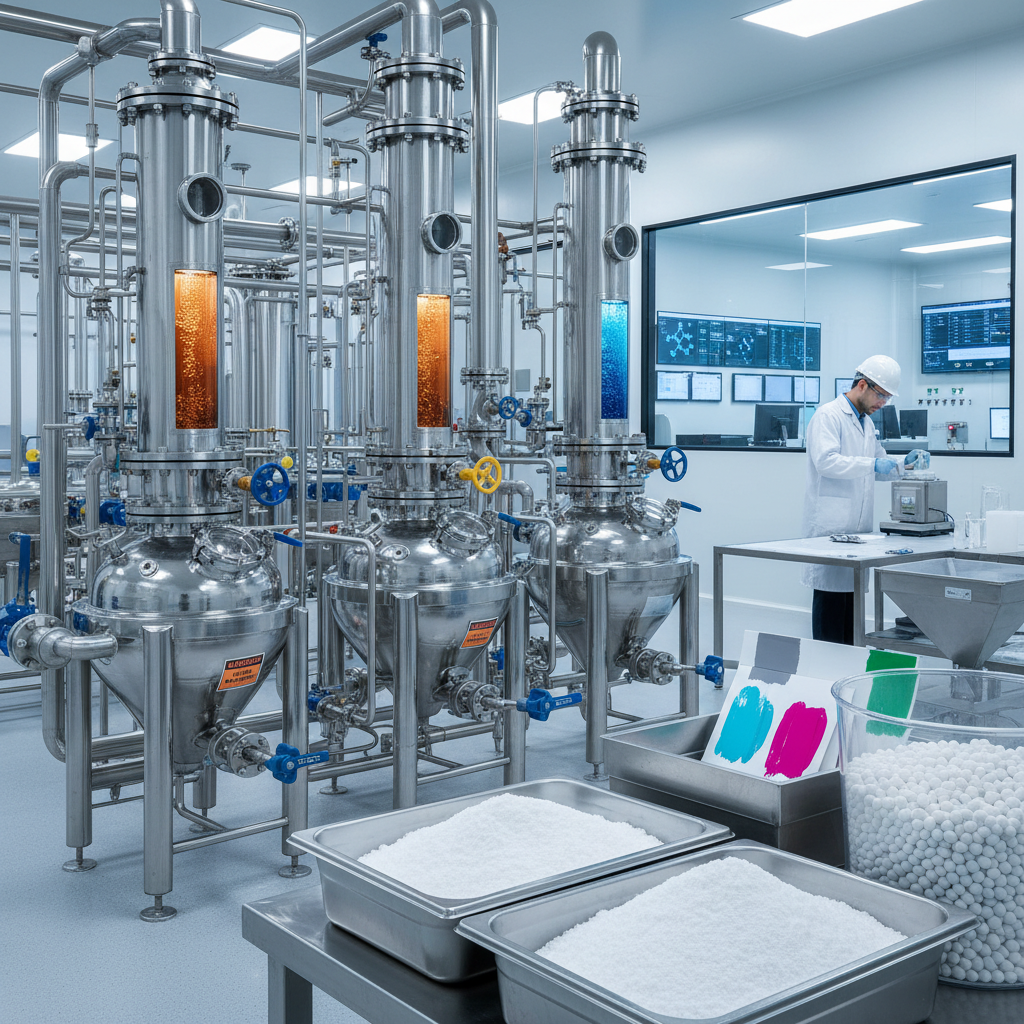 Hydroxypropyl methyl cellulose (HPMC) is a versatile cellulose ether derivative widely utilized across various industries, from construction and pharmaceuticals to food and cosmetics. It’s prized for its thickening, binding, film-forming, and water-retention properties. Understanding HPMC’s characteristics and applications is essential for professionals seeking to optimize product formulations and processes.Read more
 -
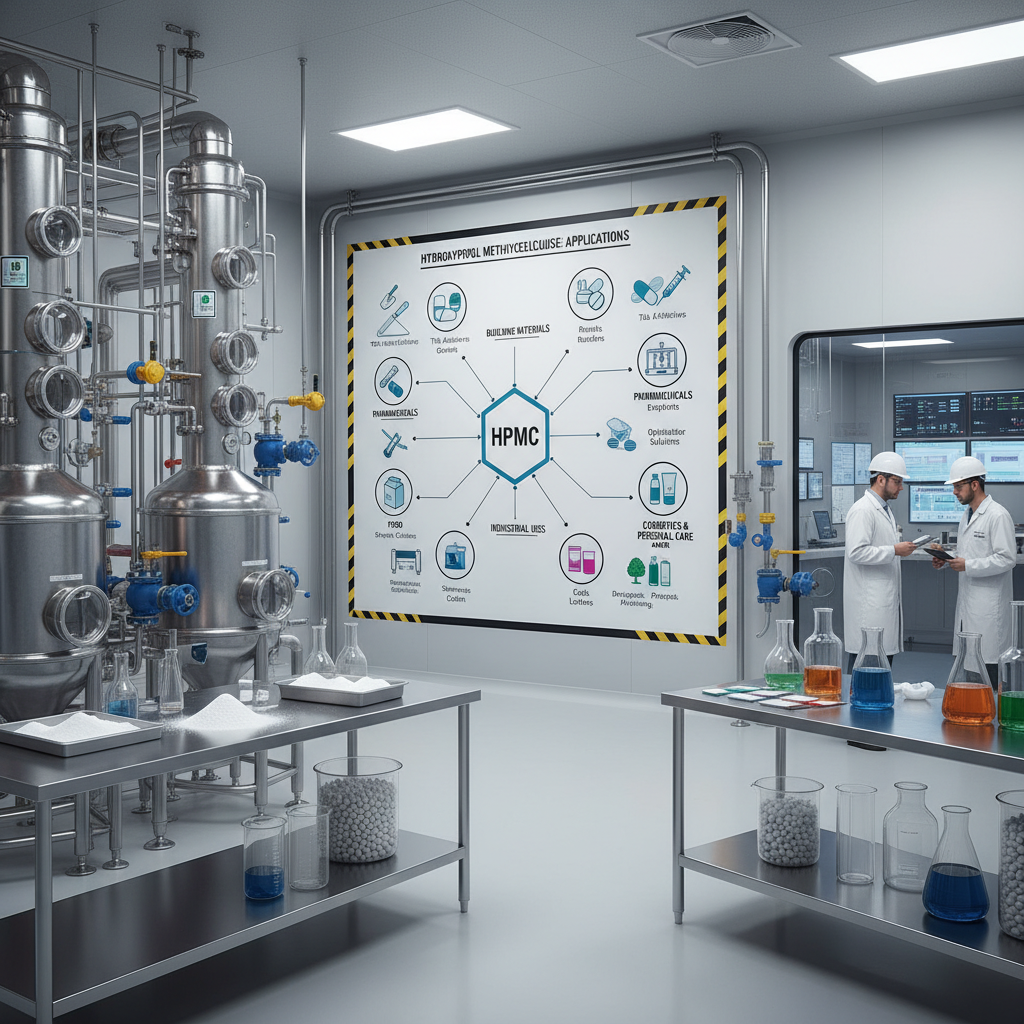 Hydroxypropyl methylcellulose (HPMC) is a versatile cellulose ether derivative widely used across numerous industries. Known for its thickening, binding, film-forming, and water-retention properties, HPMC plays a crucial role in enhancing product performance and stability. This article will explore the diverse applications of HPMC, its benefits, and why CNJZ Chemical is a trusted supplier of high-quality HPMC. Understanding these uses can help optimize your formulations and achieve superior results. HPMC is extensively utilized in the pharmaceutical industry as a binder in tablets, a coating agent for sustained-release formulations, and a viscosity-increasing agent in liquid medications. Its non-toxic nature and compatibility with various pharmaceutical ingredients make it an ideal excipient. Specifically, HPMC helps control drug release rates, improving bioavailability and therapeutic efficacy. It's also used in ophthalmic solutions for its lubricating and film-forming properties. In the construction sector, HPMC is a key ingredient in cement-based mortars, tile adhesives, and self-leveling compounds. It acts as a water retention agent, preventing premature drying and ensuring proper hydration of the cement.Read more
 -
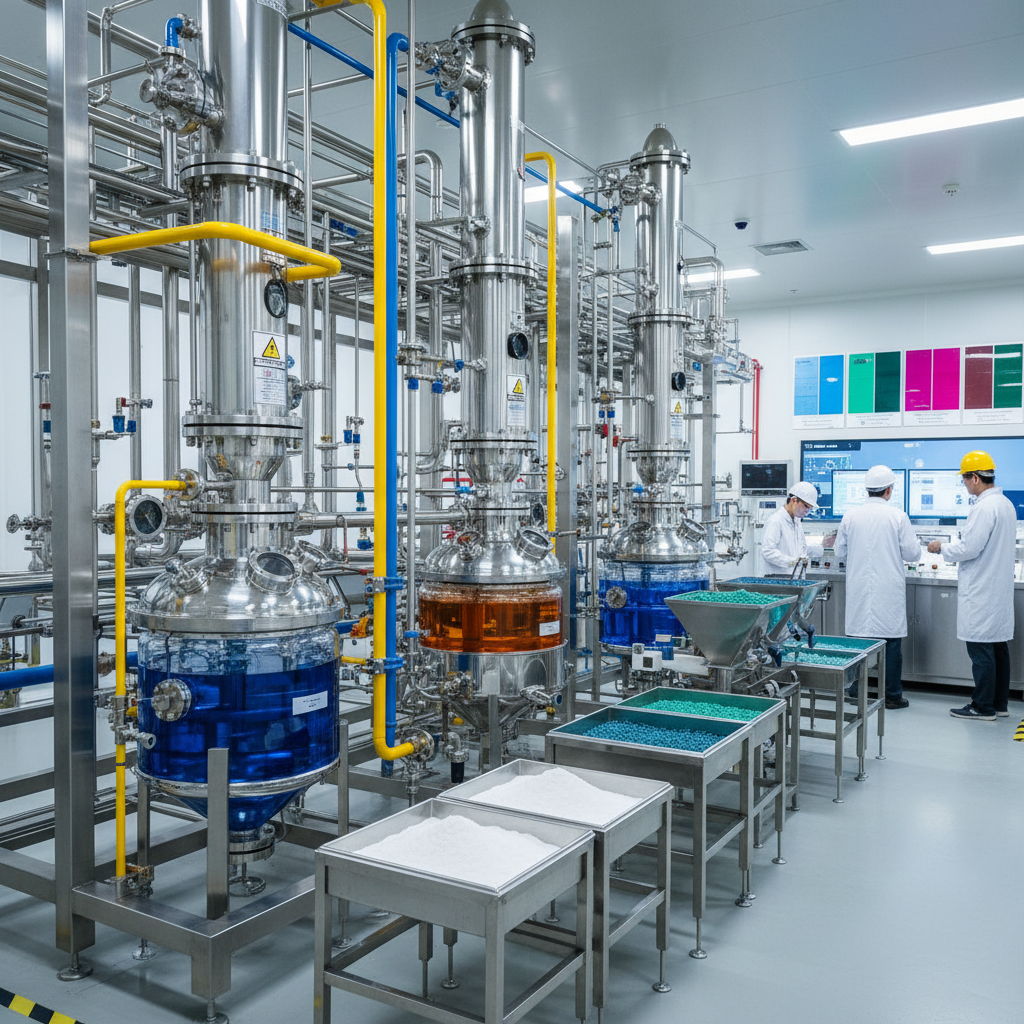 Hydroxypropyl methylcellulose (HPMC) is a versatile cellulose ether derived from cellulose. Its unique properties, including thickening, binding, film-forming, and water retention, make it invaluable across a remarkably broad spectrum of industries. From construction and pharmaceuticals to food and personal care, HPMC is a key ingredient enhancing product performance and quality. Understanding its diverse applications is critical for manufacturers and formulators seeking innovative solutions. In the construction sector, HPMC is primarily used as a cement mortar additive. It significantly improves workability, adhesion, and water retention. This prevents rapid drying and cracking of mortar, ensuring stronger and more durable structures. HPMC also aids in tile adhesion, providing enhanced bonding strength and reducing slippage. Moreover, its anti-sagging properties are crucial in applications like tile adhesives and renders, allowing for easier application on vertical surfaces.Read more
 -
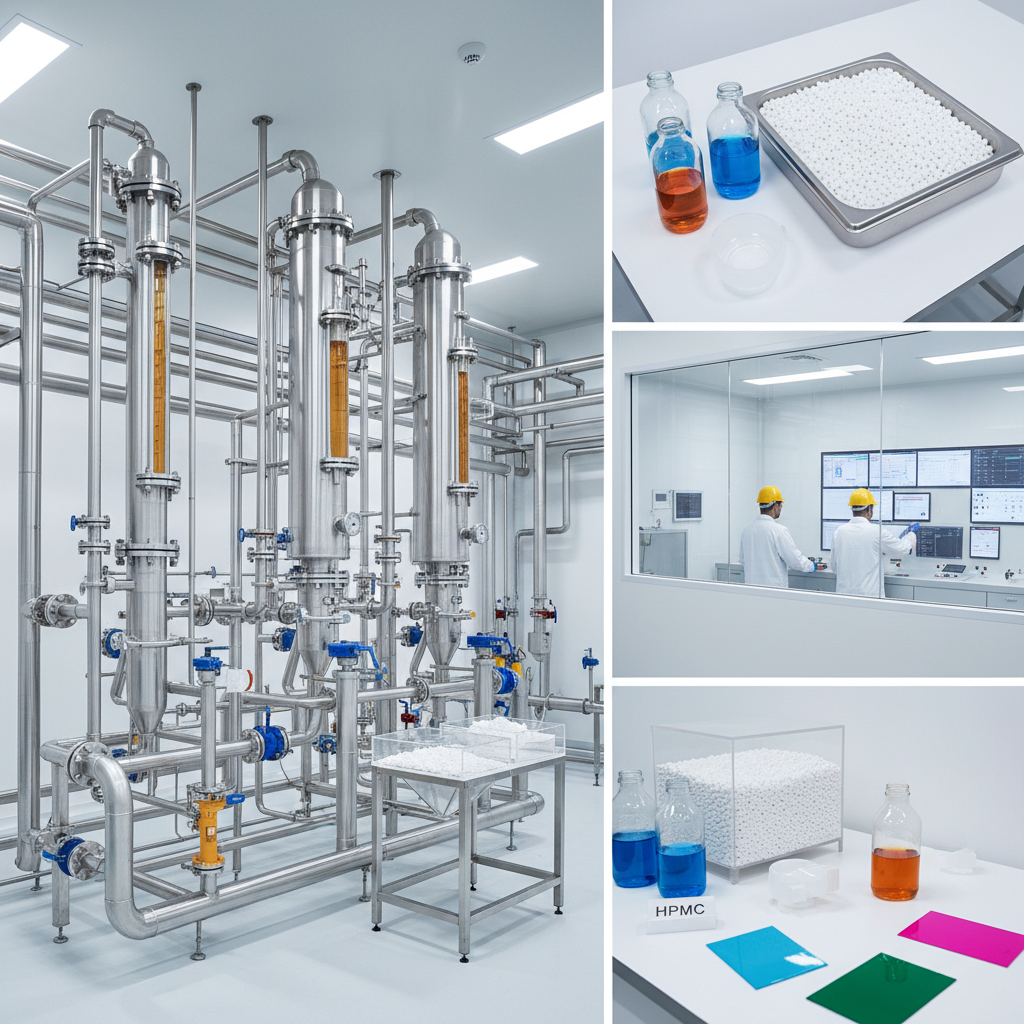 Propyl methyl cellulose (PMC) is a versatile cellulose ether widely used across diverse industries, including pharmaceuticals, construction, food, and cosmetics. It’s valued for its thickening, binding, film-forming, suspension, and water retention properties. This article dives deep into the characteristics, applications, benefits, and sourcing of high-quality propyl methyl cellulose, helping you understand how it can optimize your processes and products. Understanding the nuances of PMC ensures optimal performance and quality in your final application. PMC is derived from cellulose, a natural polymer found in plant cell walls. It’s manufactured through chemical modification of cellulose, introducing both methyl and propyl groups. These modifications provide unique properties, enhancing solubility in water and altering the polymer's thermal and rheological behavior. The degree of substitution (DS) – the average number of substituent groups attached to each glucose unit – is a crucial factor influencing PMC’s characteristics. A higher DS typically leads to increased water solubility and reduced gelation temperature. The proportion of methyl and propyl groups also impacts the final product's viscosity and performance.Read more