
Apr . 07, 2026 02:05 Back to list
Comprehensive Guide to Hydroxypropyl Methyl Cellulose CAS Number and Applications
Hydroxypropyl Methyl Cellulose (HPMC): A Comprehensive Guide & CAS Number
Hydroxypropyl methyl cellulose (HPMC) is a versatile cellulose ether derived from cellulose. Widely used across numerous industries – from construction and pharmaceuticals to food and cosmetics – HPMC acts as a thickener, binder, film former, and protective colloid. This article will provide a detailed overview of HPMC, focusing on its properties, applications, and importantly, its CAS number. Understanding these details is crucial for sourcing and utilizing this essential chemical effectively. We will also explore different grades and customization options available from leading suppliers like CNJZ Chemical.
What is Hydroxypropyl Methyl Cellulose (HPMC)?
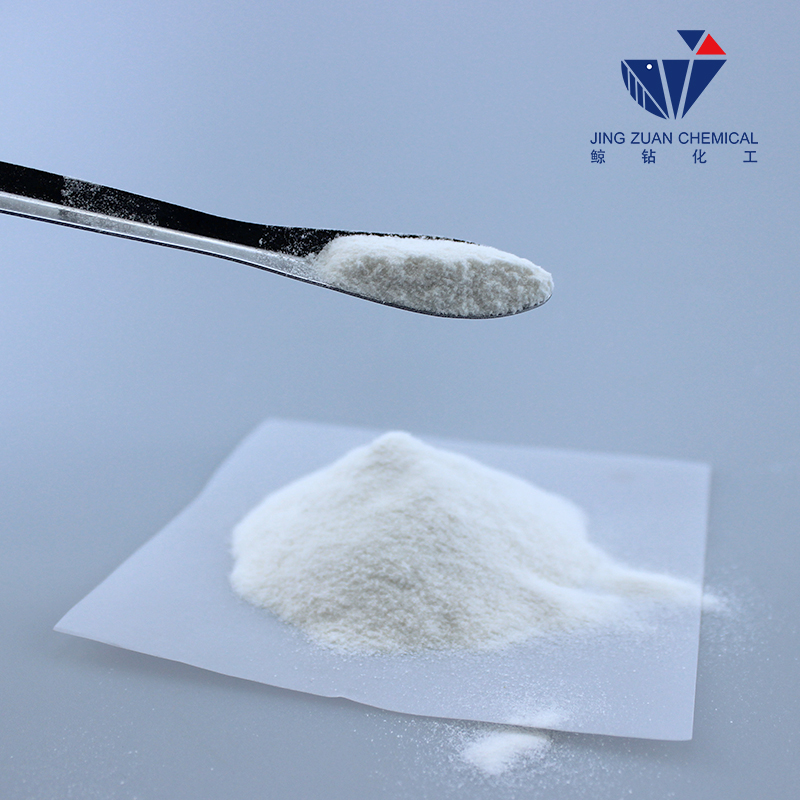
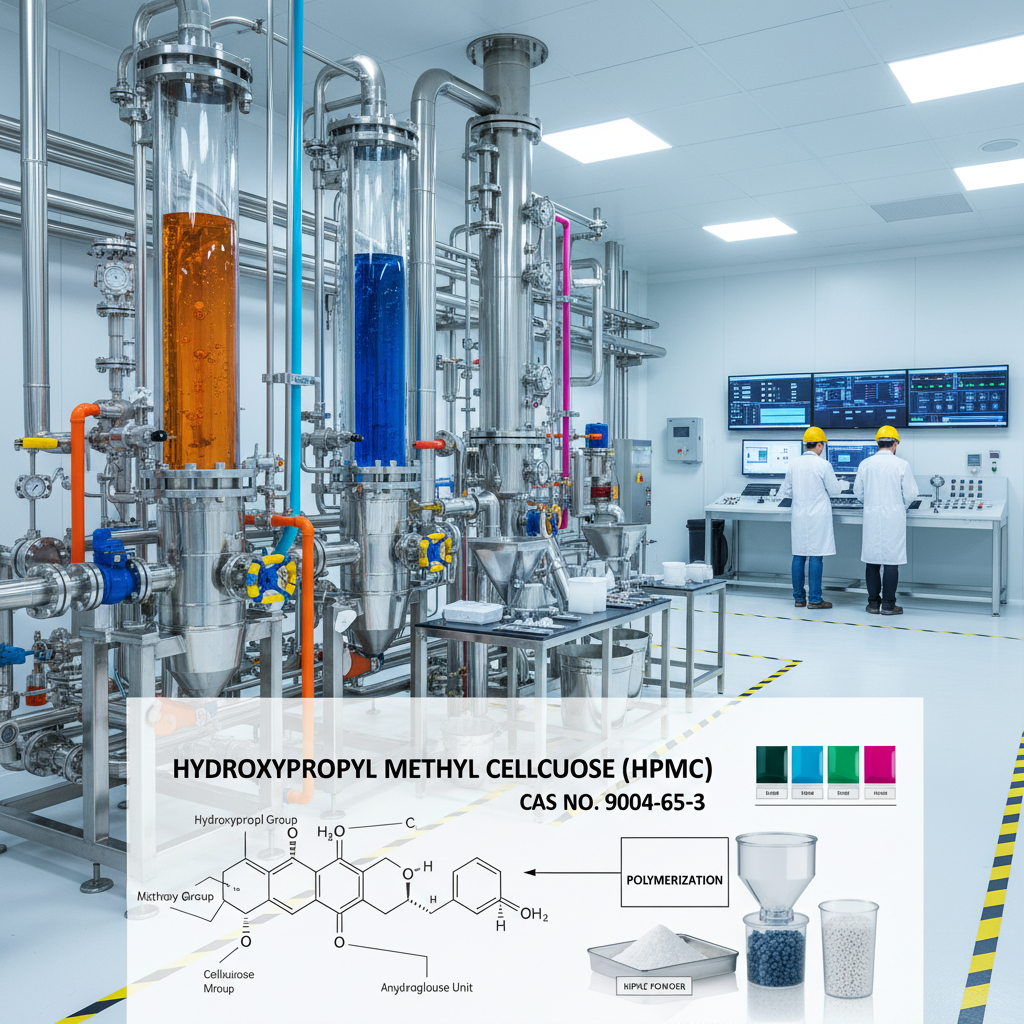
HPMC is a non-ionic cellulose ether, produced by chemically modifying cellulose with methyl and hydroxypropyl groups. This modification imparts several beneficial properties, including water solubility, thickening ability, film-forming capacity, and thermal gelation. It's a white or off-white powder, odorless, and tasteless. The degree of substitution (DS) of methyl and hydroxypropyl groups determines the specific properties of the HPMC grade, influencing its viscosity, gel temperature, and water retention. Understanding the specific grade needed for your application is paramount.
Key Highlights: A versatile cellulose ether offering thickening, binding, film-forming, and protective colloid properties. Crucially, its properties are tunable based on the degree of substitution.
The CAS Number: 9004-67-5
The Chemical Abstracts Service (CAS) registry number for Hydroxypropyl Methyl Cellulose is 9004-67-5. This unique identifier is essential for accurate identification and sourcing of the material, ensuring you receive the correct product for your needs. It’s also vital for regulatory compliance and safety data sheet (SDS) referencing. Always verify the CAS number when ordering HPMC from any supplier to avoid confusion and potential quality issues. CNJZ Chemical provides a full certificate of analysis with each batch, confirming the CAS number and other crucial specifications.
Why is the CAS Number Important?
• Ensures accurate product identification.
• Facilitates regulatory compliance.
• Supports accurate SDS referencing for safety information.
• Prevents potential quality issues and sourcing errors.
HPMC Grades and Their Applications
HPMC is available in a wide range of grades, categorized by viscosity, particle size, and degree of substitution. These variations cater to diverse application needs. For example, lower viscosity grades are preferred in coatings and adhesives, while higher viscosity grades are ideal for construction applications where thickening and water retention are critical. Pharmaceutical grades require stringent purity and quality control. Below is a comparison of commonly used HPMC grades:
Industries Utilizing Hydroxypropyl Methyl Cellulose
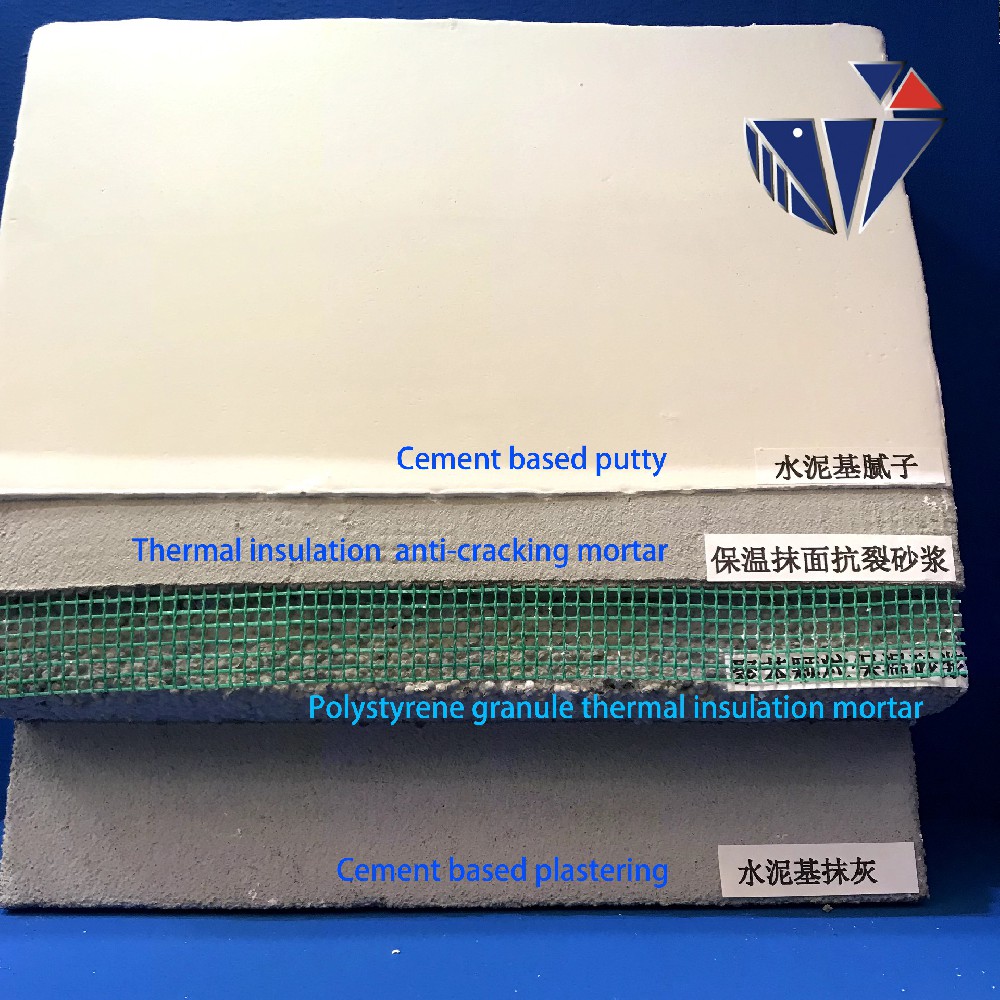
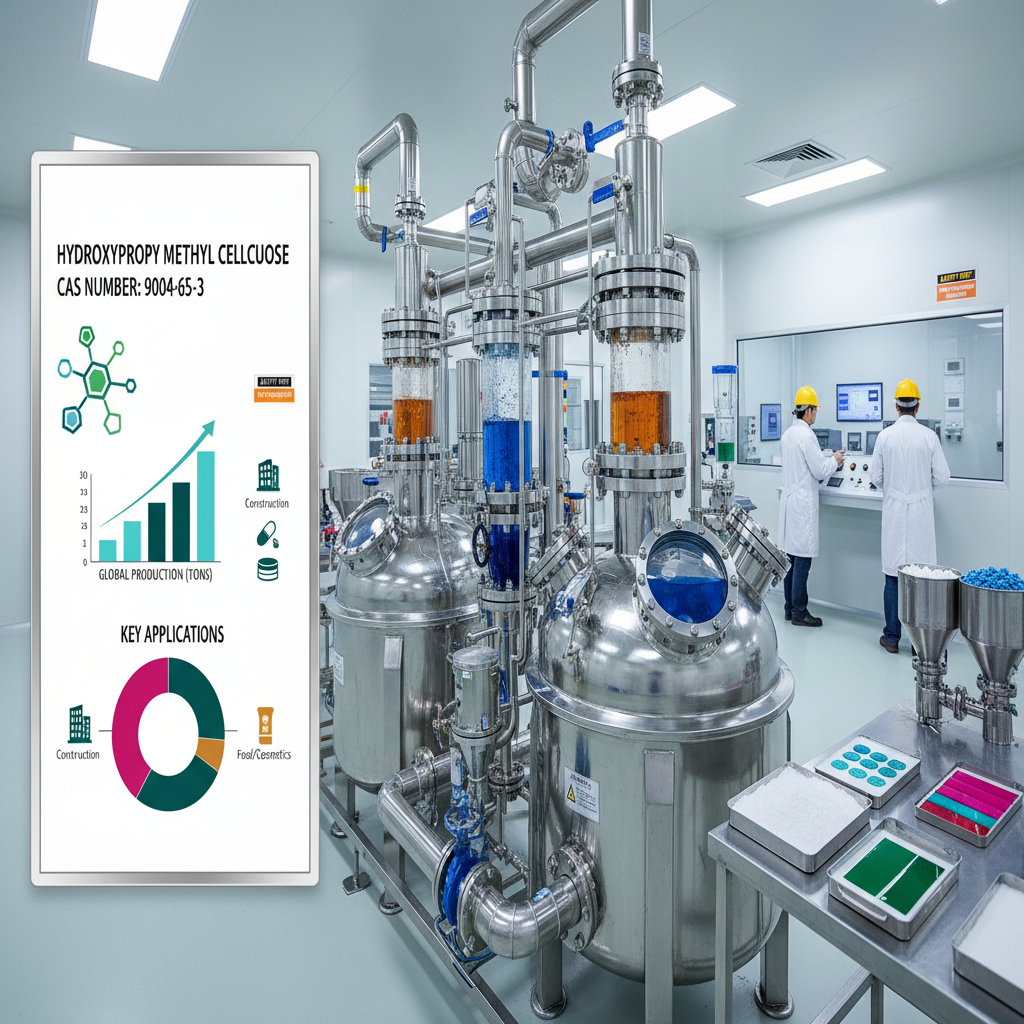
The applications of HPMC are incredibly broad. In the construction industry, it's used to improve workability, water retention, and adhesion of cement-based materials. Pharmaceutical companies utilize it as a binder, film-coating agent, and controlled-release matrix in tablets and capsules. The food industry uses it as a thickener, stabilizer, and emulsifier in sauces, desserts, and baked goods. Cosmetic applications include thickening shampoos, lotions, and creams. Essentially, any industry requiring thickening, binding, or film-forming properties can benefit from HPMC. CNJZ Chemical offers tailored HPMC solutions for a diverse range of industrial needs.
Sourcing High-Quality HPMC: Choosing the Right Supplier
Selecting a reliable supplier is critical when sourcing HPMC. Look for a supplier with a consistent track record of quality, strong technical support, and comprehensive documentation. Ensure the supplier provides a Certificate of Analysis (COA) confirming the CAS number, viscosity, and other key specifications. CNJZ Chemical is a trusted global supplier of high-quality HPMC, offering customized solutions and dedicated customer support.
Conclusion: HPMC – A Versatile Polymer with Wide-Ranging Applications
Hydroxypropyl methyl cellulose (HPMC) is an invaluable ingredient across numerous industries due to its unique properties and versatility. Understanding its characteristics, proper grade selection, and the importance of verifying the CAS number (9004-67-5) are essential for successful implementation. Partnering with a reputable supplier like CNJZ Chemical ensures you receive high-quality HPMC and expert support for your specific application.
Frequently Asked Questions (FAQs)
What factors influence the viscosity of HPMC?
The viscosity of HPMC is affected by several factors, including its molecular weight, degree of substitution (DS), concentration in solution, temperature, and pH. Higher molecular weight and DS generally lead to higher viscosity. Increasing the concentration of HPMC in solution also increases viscosity, while higher temperatures typically decrease viscosity. The pH of the solution can also influence viscosity, particularly at extreme pH levels. Careful consideration of these factors is crucial when formulating with HPMC to achieve the desired viscosity for your application.
Is HPMC compatible with other polymers?
Yes, HPMC is generally compatible with many other polymers, including acrylics, polyvinyl acetate (PVA), and starches. However, compatibility can vary depending on the specific polymers and their concentrations. In some cases, HPMC can enhance the properties of other polymers, such as improving adhesion or water retention. It is always recommended to conduct compatibility testing before formulating with multiple polymers to ensure they are stable and do not exhibit undesirable interactions.
How should HPMC be stored to maintain its quality?
HPMC should be stored in a cool, dry, and well-ventilated area, away from direct sunlight, heat, and moisture. It’s best to keep it in tightly closed containers to prevent absorption of moisture from the air, which can affect its viscosity and performance. Proper storage conditions will help maintain the quality and stability of the HPMC over an extended period.
What is the thermal gelation property of HPMC?
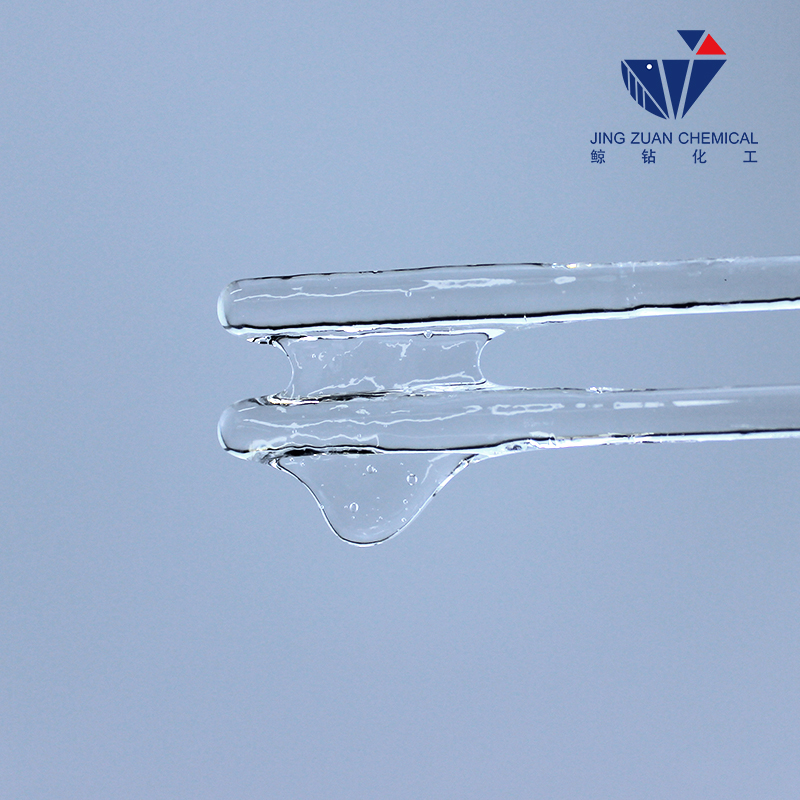
Thermal gelation is a unique property of HPMC where it transitions from a liquid solution to a gel upon heating. This property is crucial for applications like controlled-release drug delivery systems and temperature-sensitive coatings. The gelation temperature depends on the HPMC grade, concentration, and pH of the solution. This behavior arises from the aggregation of HPMC molecules at higher temperatures, forming a three-dimensional network structure.
-
Understanding Hydroxypropyl Methyl Cellulose MSDS Safety and Compliance
NewsApr.16,2026
-
Understanding the Hydroxypropyl Methyl Cellulose HS Code for Global Trade
NewsApr.09,2026
-
Comprehensive Guide to Hydroxypropyl Methyl Cellulose CAS Number and Applications
NewsApr.07,2026
-
Comprehensive Guide to Hydroxypropyl Methyl Cellulose cas no and its Diverse Applications
NewsApr.04,2026
-
Comprehensive Guide to Hydroxypropyl Methyl Cellulose Manufacturers and Applications
NewsMar.31,2026
-
Understanding Hydroxypropyl Methyl Cellulose Properties And Diverse Applications
NewsMar.28,2026