
Apr . 09, 2026 02:15 Back to list
Understanding the Hydroxypropyl Methyl Cellulose HS Code for Global Trade
Understanding the Hydroxypropyl Methyl Cellulose HS Code for Global Trade
For businesses engaged in the international chemical trade, accuracy in documentation is the cornerstone of a smooth supply chain. One of the most critical elements in this process is identifying the correct hydroxypropyl methyl cellulose hs code. Hydroxypropyl Methyl Cellulose (HPMC) is a versatile polymer used extensively in construction, pharmaceuticals, and cosmetics. Misclassifying this material can lead to costly customs delays, incorrect tariff payments, or even legal complications. In this comprehensive guide, we will explore the specifics of HPMC classification, how to determine the right code for your region, and the impact of these codes on your logistics costs.
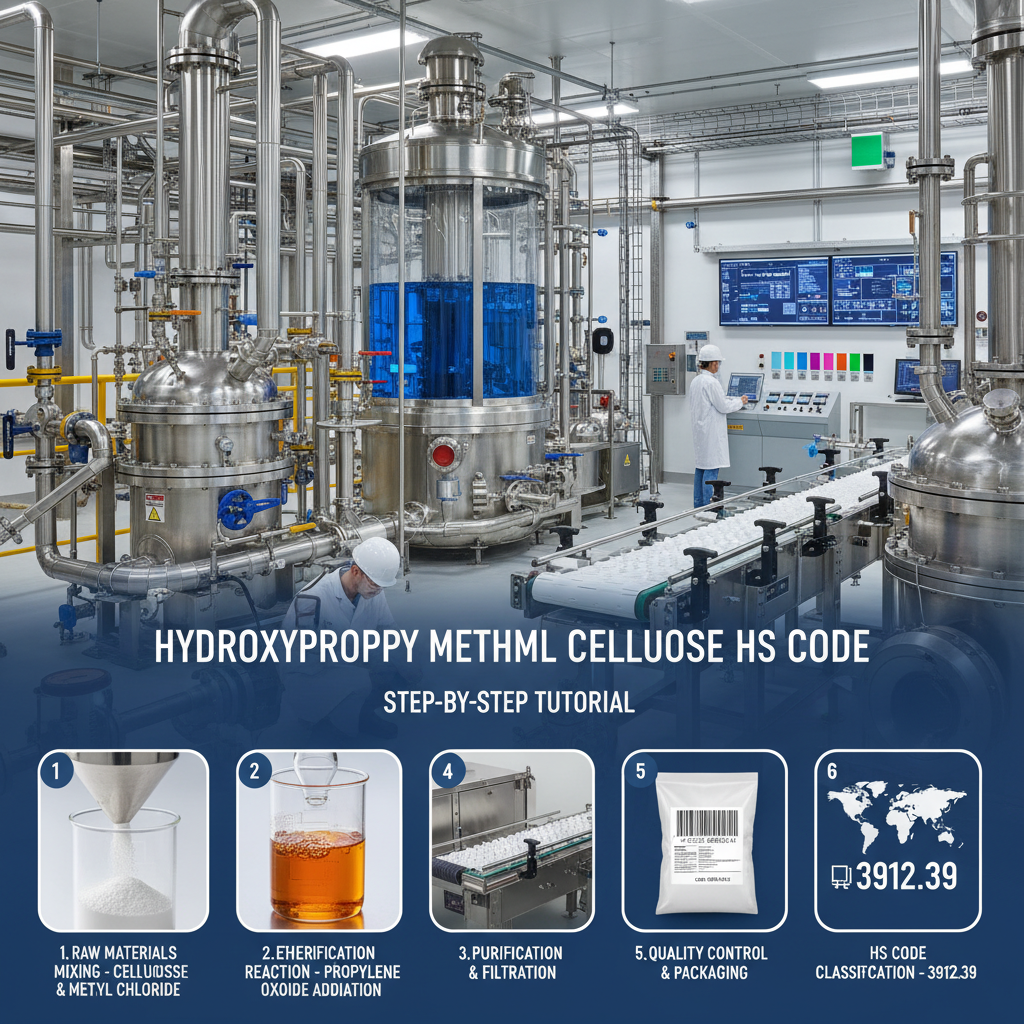
Defining HPMC and Its Role in International Logistics
Hydroxypropyl Methyl Cellulose is a non-ionic cellulose ether produced from natural cellulose. Because it is a chemically modified polymer, it falls under specific categories within the Harmonized System (HS). When exporters search for the hydroxypropyl methyl cellulose hs code, they are essentially looking for a universal language that customs authorities worldwide use to identify the product. Whether used as a thickener in mortar or a coating agent in medicine, the chemical structure remains the primary driver for its classification. Ensuring that the shipping manifest matches the HS code prevents discrepancies during the inspection phase.
Pro Tip: Always verify the 6-digit universal HS code first, then check the additional 2-4 digits specific to the importing country to ensure total compliance with local tax laws.
How to Determine the Correct Hydroxypropyl Methyl Cellulose HS Code
The Harmonized System is organized hierarchically. For HPMC, the classification typically begins with Chapter 39, which covers plastics and articles thereof. Specifically, cellulose ethers are grouped under headings that describe their chemical modification. To find the exact hydroxypropyl methyl cellulose hs code, one must look at the purity levels and the intended application. For instance, pharmaceutical-grade HPMC may occasionally be scrutinized differently than industrial-grade HPMC used in tile adhesives. Using a certified customs broker or the official WCO (World Customs Organization) database is the safest way to avoid errors.
Classification Steps:
• Identify the chemical composition (Cellulose derivative)
• Determine the primary use (Construction vs. Pharma)
• Locate the 6-digit global heading
• Apply the destination country's specific tariff suffix
Comparing Grade Specifications and HS Code Variations
While the base hydroxypropyl methyl cellulose hs code remains consistent for the chemical entity, the commercial specifications can vary wildly. These specifications affect how the product is packaged and declared. Below is a detailed comparison of product specifications based on application, which helps in providing the necessary technical data sheets (TDS) alongside the HS code during customs clearance.
Impact of the Hydroxypropyl Methyl Cellulose HS Code on Import Duties
The primary reason for the precision required in selecting the hydroxypropyl methyl cellulose hs code is the direct correlation between the code and the import duty rate. Different countries apply varying tariffs based on the HS classification. For example, a country might offer a lower tariff for "chemical polymers" but a higher one for "specialized additives." By utilizing the correct code, importers can leverage Free Trade Agreements (FTAs) and preferential tariffs, significantly reducing the landed cost of the product. Failure to do so can result in overpayment or, conversely, fines for underpayment during a customs audit.
Documentation Requirements for HPMC Shipments
Once the correct hydroxypropyl methyl cellulose hs code has been established, it must be consistently applied across all shipping documents. This includes the Commercial Invoice, Packing List, and Bill of Lading. Additionally, since HPMC is a chemical product, customs often require a Safety Data Sheet (SDS) and a Certificate of Analysis (COA) to verify that the physical properties of the material align with the declared HS code. Discrepancies between the SDS chemical name and the HS code description are a common cause of shipment holds.
Conclusion: Streamlining Trade with Accurate Classification
Navigating the complexities of the hydroxypropyl methyl cellulose hs code is essential for any company aiming for efficiency in global chemical distribution. By understanding the nuances between grades and maintaining rigorous documentation, businesses can avoid costly penalties and optimize their import/export costs. Whether you are a manufacturer or a distributor, prioritizing the accuracy of your HS codes ensures that your HPMC products reach their destination without unnecessary hurdles. For high-quality chemical solutions and expert guidance, trust a partner who understands both the chemistry and the commerce of cellulose ethers.
Frequently Asked Questions (FAQs)
What is the most common HS code for HPMC?
While codes can vary slightly by country, HPMC generally falls under the heading for cellulose ethers, often starting with 3911. However, because customs regulations are updated annually, it is critical to check the current year's tariff schedule. The first six digits are globally standardized, while the remaining digits are determined by the local customs authority of the importing nation. Always consult with a licensed customs broker to confirm the latest specific code for your region.
Can the HS code change based on the purity of HPMC?
In most cases, the base chemical structure of HPMC keeps it within the same general HS category regardless of purity. However, the "intended use" and the "grade" can move it into different sub-categories. For example, a highly purified pharmaceutical-grade HPMC might be classified under a specific medical additive code in certain jurisdictions, whereas industrial-grade HPMC remains under general polymers. This distinction can lead to different duty rates and regulatory requirements.
What happens if I use the wrong HS code for my HPMC shipment?
Using an incorrect hydroxypropyl methyl cellulose hs code can lead to several issues. Firstly, your shipment may be flagged for inspection, leading to significant delivery delays. Secondly, if the wrong code results in a lower duty payment, you may be fined for "tariff evasion," even if the mistake was unintentional. In some cases, the customs office may seize the goods until a formal re-classification is completed and the correct taxes are paid.
Is the HS code the same for HPMC and HEMC?
HPMC (Hydroxypropyl Methyl Cellulose) and HEMC (Hydroxyethyl Methyl Cellulose) are very similar chemically and are both cellulose ethers. In many customs jurisdictions, they are classified under the same general heading because they share the same primary chemical family. However, depending on the strictness of the local customs authority, they may be split into different sub-codes based on the specific alkyl groups attached. It is always best to provide the full chemical name on the invoice to avoid ambiguity.
-
Understanding Hydroxypropyl Methyl Cellulose MSDS Safety and Compliance
NewsApr.16,2026
-
Understanding the Hydroxypropyl Methyl Cellulose HS Code for Global Trade
NewsApr.09,2026
-
Comprehensive Guide to Hydroxypropyl Methyl Cellulose CAS Number and Applications
NewsApr.07,2026
-
Comprehensive Guide to Hydroxypropyl Methyl Cellulose cas no and its Diverse Applications
NewsApr.04,2026
-
Comprehensive Guide to Hydroxypropyl Methyl Cellulose Manufacturers and Applications
NewsMar.31,2026
-
Understanding Hydroxypropyl Methyl Cellulose Properties And Diverse Applications
NewsMar.28,2026