
Mar . 28, 2026 02:15 Back to list
Understanding Hydroxypropyl Methyl Cellulose Properties And Diverse Applications
What is Hydroxypropyl Methyl Cellulose? A Comprehensive Guide
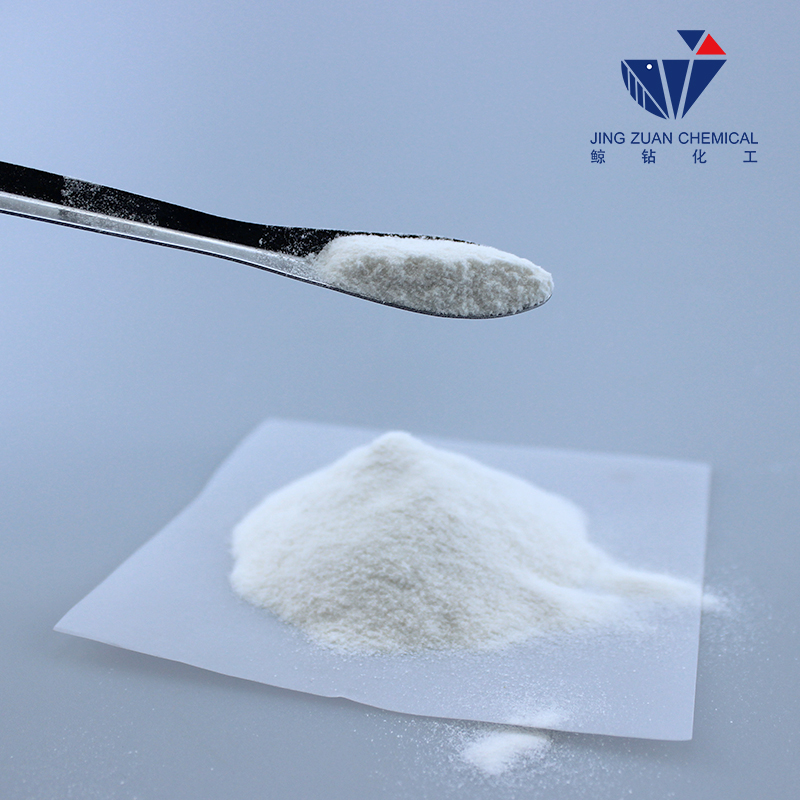
Hydroxypropyl methyl cellulose (HPMC) is a versatile cellulose ether derivative widely utilized across various industries, from construction and pharmaceuticals to food and cosmetics. It’s prized for its thickening, binding, film-forming, and water-retention properties. Understanding HPMC’s characteristics and applications is essential for professionals seeking to optimize product formulations and processes. This article will delve into the details of HPMC, exploring its production, properties, grades, and diverse uses.

The Production Process of Hydroxypropyl Methyl Cellulose
HPMC is derived from cellulose, a natural polymer found in plant cell walls. The production begins with treating cellulose (typically wood pulp or cotton linter) with alkali. This alkalization creates an alkaline cellulose intermediate. Subsequently, the alkaline cellulose reacts with methyl chloride and propylene oxide under controlled conditions. This etherification process introduces both methyl and hydroxypropyl groups onto the cellulose backbone, resulting in HPMC. The ratio of methyl and hydroxypropyl groups determines the specific properties of the resulting HPMC grade. Rigorous quality control measures are implemented throughout the process to ensure consistency and purity. CNJZ Chemical provides a wide array of HPMC grades to match diverse customer needs.
Key Production Steps: Alkalization, Etherification, Purification, Drying, and Milling.
Key Properties of Hydroxypropyl Methyl Cellulose
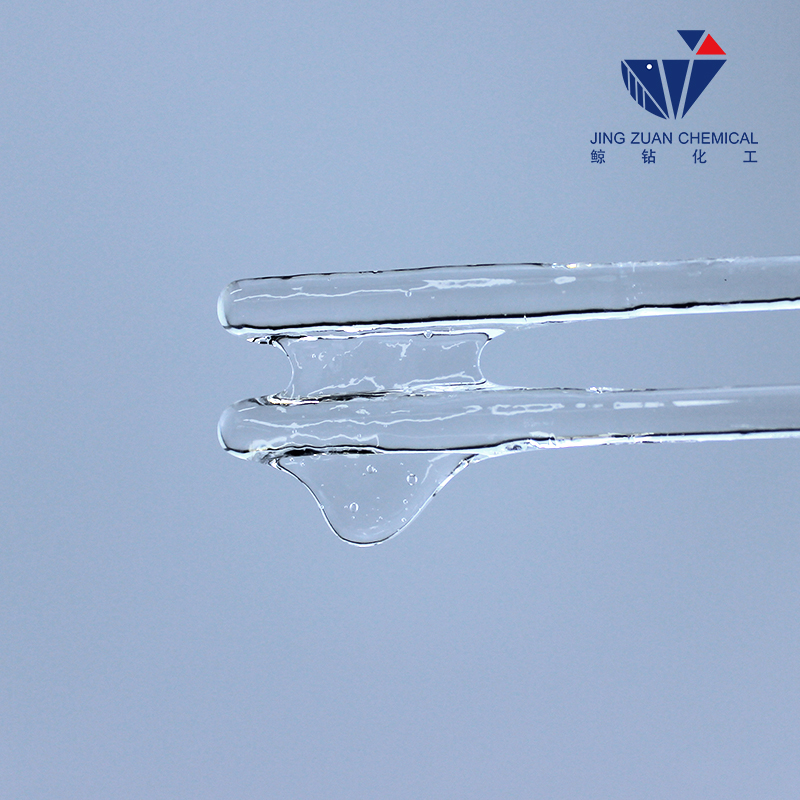
HPMC boasts a unique combination of properties that make it indispensable in various applications. These include: thickening – increasing viscosity of solutions; water retention – preventing drying and cracking; film-forming – creating protective coatings; binding – holding ingredients together; thermal gelation – forming a gel upon heating. Furthermore, HPMC is odorless, tasteless, and non-ionic, enhancing its suitability for food and pharmaceutical applications. Its solubility in water varies depending on the grade and temperature. The ability to control these properties through precise grade selection is a significant advantage.
Key Properties:
• Thickening Agent
• Water Retention Aid
• Film Former
• Binding Agent
HPMC Grades and Their Applications
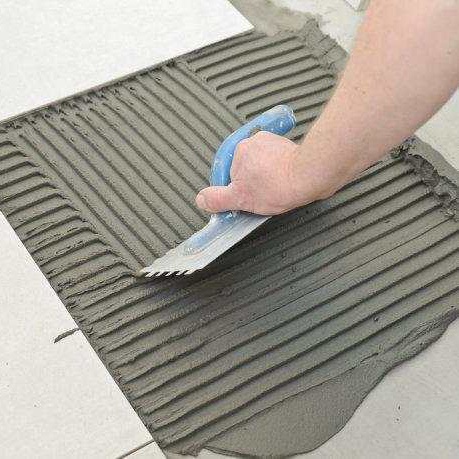
HPMC is available in a range of grades, each tailored for specific applications. These grades are differentiated by their viscosity, degree of substitution (DS), and particle size. Viscosity is a key parameter, influencing the thickening ability. DS affects solubility and gelation temperature. Common grades include those for construction (tile adhesives, plasters), pharmaceuticals (tablet coatings, controlled-release matrices), food (stabilizers, thickeners), and personal care (shampoos, lotions). Selecting the correct grade is crucial for achieving optimal performance.
What Sets Hydroxypropyl Methyl Cellulose Apart?
Compared to other cellulose ethers, like methyl cellulose (MC) and carboxymethyl cellulose (CMC), HPMC offers superior properties. HPMC exhibits lower gelation temperature compared to MC, making it easier to process in certain applications. It also demonstrates better compatibility with other ingredients and a wider range of viscosities. Compared to CMC, HPMC is less sensitive to the presence of salts, maintaining its thickening ability in higher electrolyte concentrations. The versatility and performance benefits of HPMC make it a preferred choice for many formulators. Contact CNJZ Chemical to learn more about how HPMC can benefit your specific application.

Conclusion: The Importance of Choosing the Right HPMC Grade
Hydroxypropyl methyl cellulose is a highly versatile polymer with a vast range of applications. Its unique properties, coupled with the availability of various grades, allow for precise tailoring to specific formulation requirements. Understanding the nuances of HPMC, including its production process, key properties, and application-specific grades, is vital for achieving optimal product performance. By partnering with a reputable supplier like CNJZ Chemical, you can ensure access to high-quality HPMC and expert technical support.
Frequently Asked Questions (FAQs)
What is the shelf life of HPMC?
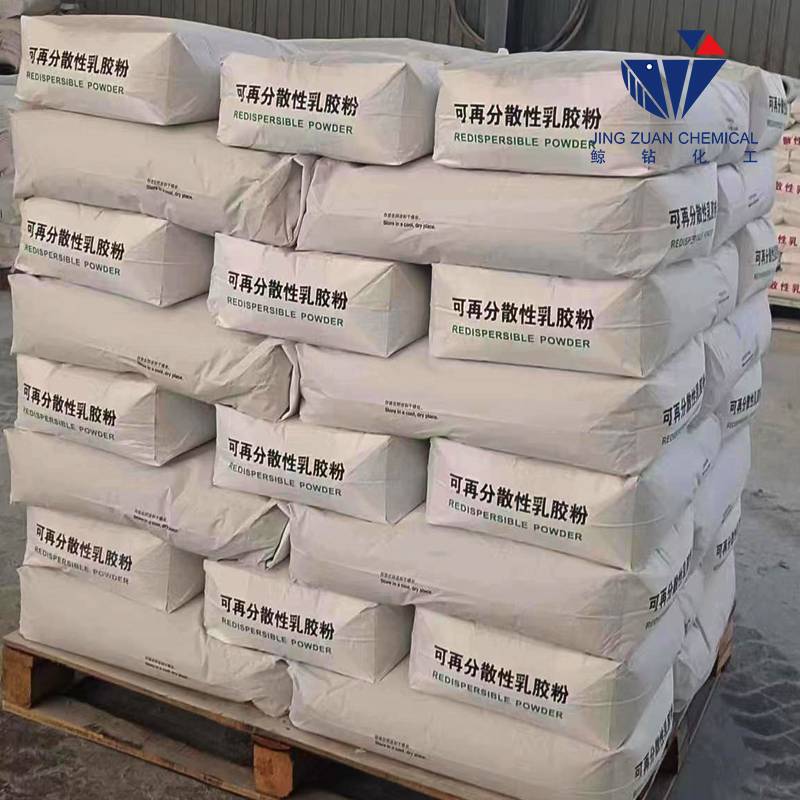
When stored properly in a cool, dry place, away from direct sunlight and moisture, HPMC typically has a shelf life of 2-3 years. Exposure to high humidity or temperatures can degrade the polymer and affect its performance. It’s crucial to keep the packaging sealed when not in use to prevent moisture absorption. Always refer to the manufacturer’s certificate of analysis (COA) for specific storage recommendations and expiry dates.
Is HPMC safe for food applications?
Yes, HPMC is generally recognized as safe (GRAS) by the FDA for use in food applications. It’s widely used as a thickener, stabilizer, and emulsifier in various food products, including sauces, dressings, baked goods, and dairy products. The specific grade of HPMC used must comply with food-grade specifications and regulations. CNJZ Chemical offers food-grade HPMC that meets stringent quality standards.
How does HPMC affect the texture of a formulation?
HPMC significantly influences the texture of a formulation. Depending on the grade and concentration used, it can provide thickening, increased viscosity, improved creaminess, and enhanced mouthfeel. It can also contribute to gelation, creating textures ranging from soft gels to more rigid structures. The water-retention properties of HPMC prevent drying and cracking, resulting in a smoother, more appealing texture.
What is the difference between HPMC and methyl cellulose (MC)?
Both HPMC and MC are cellulose ethers, but they differ in their chemical structure and properties. MC is solely methylated, while HPMC contains both methyl and hydroxypropyl groups. This additional hydroxypropyl substitution in HPMC imparts several advantages, including improved water solubility, lower gelation temperature, and reduced sensitivity to salts. HPMC is generally preferred in applications requiring wider compatibility and more consistent performance.
-
Understanding Hydroxypropyl Methyl Cellulose MSDS Safety and Compliance
NewsApr.16,2026
-
Understanding the Hydroxypropyl Methyl Cellulose HS Code for Global Trade
NewsApr.09,2026
-
Comprehensive Guide to Hydroxypropyl Methyl Cellulose CAS Number and Applications
NewsApr.07,2026
-
Comprehensive Guide to Hydroxypropyl Methyl Cellulose cas no and its Diverse Applications
NewsApr.04,2026
-
Comprehensive Guide to Hydroxypropyl Methyl Cellulose Manufacturers and Applications
NewsMar.31,2026
-
Understanding Hydroxypropyl Methyl Cellulose Properties And Diverse Applications
NewsMar.28,2026