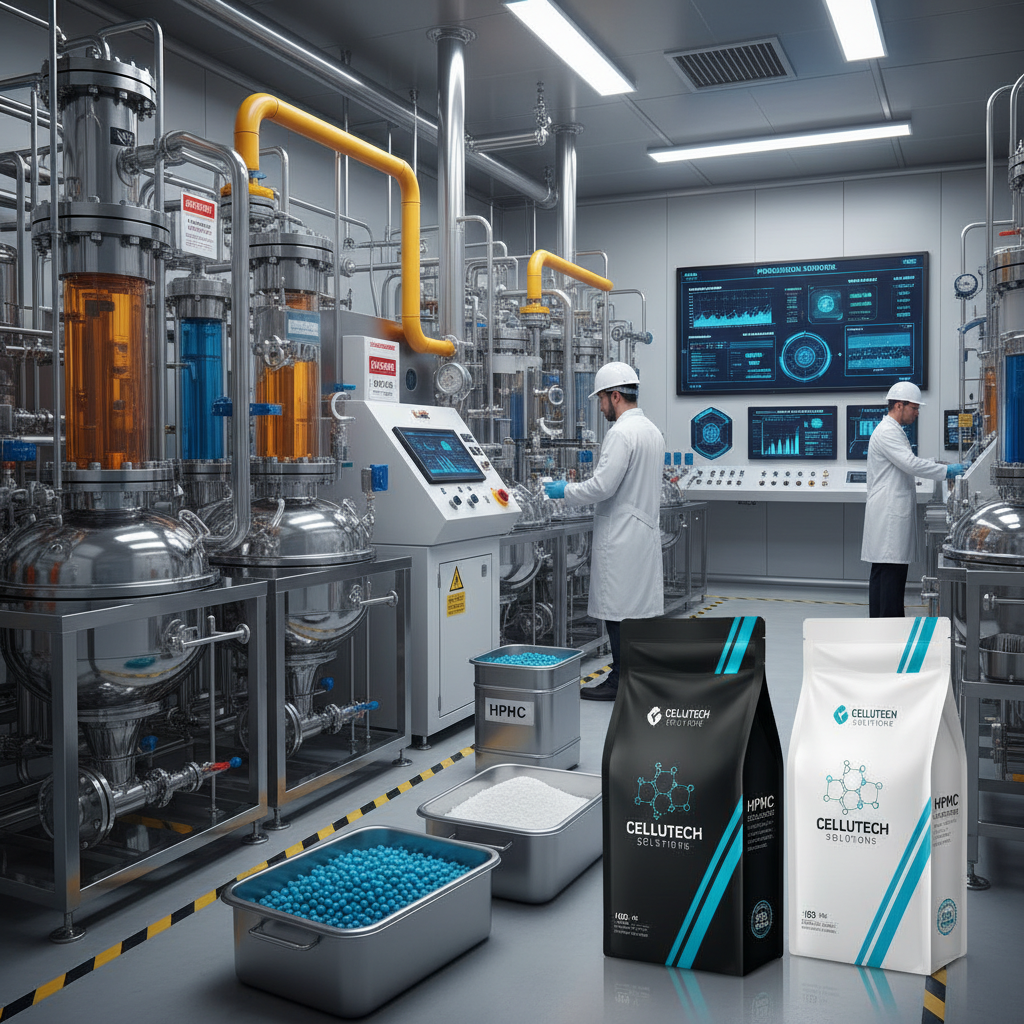
Look, I’ve spent years in the field, boots on the ground, seeing what works and what doesn't. And let me tell you, getting an hpmc solution prepared right is foundational to a lot of things. It’s not just about throwing some powder in water, it’s about consistency, control, and ultimately, a final product that’ll stand the test of time. You're talking about everything from tile adhesives to self-leveling compounds, even some specialized concrete mixes. If the hpmc isn't properly dispersed and hydrated, you're looking at cracking, poor workability, and a whole host of headaches down the line. That’s why understanding the nuances of hpmc solution preparation is critical, not just for lab coats, but for anyone actually building something.
We’re seeing a bigger push for pre-mixed, ready-to-use materials, and that all comes down to consistent hpmc solutions. Contractors want reliability, they want speed, and they want to minimize waste. They don’t have time to babysit a batch and hope it comes out right. The demand for higher performance, more durable materials, especially in infrastructure projects, means getting the hpmc preparation dialed in is no longer optional. It's a baseline requirement for quality and longevity. I’ve seen projects delayed and budgets blown because of poorly prepared solutions.
And it’s not just about big construction. We're talking about smaller applications too – repair mortars, rendering, even some specialized coatings. The principles remain the same. Understanding the variables, controlling the process, and ensuring proper dispersion. That’s the difference between a job well done and a costly rework. I’ve seen too many guys cut corners on this, and it always comes back to bite them.
The Importance of hpmc Solution Preparation
Honestly, from where I stand on a job site, the correct hpmc solution preparation is the backbone of so many modern building materials. It’s about more than just getting the right consistency; it’s about creating a reliable, predictable system. You can have the best cement, the best aggregates, but if your hpmc isn’t working with them, you’re fighting an uphill battle.
I've seen too many issues originate from subpar preparation – premature setting, reduced adhesion, even complete failures. These problems translate to delays, costly repairs, and a damaged reputation. It's a detail that simply can't be overlooked. Investing the time and effort upfront in a proper hpmc solution pays dividends throughout the entire project lifecycle.
Understanding the Global Context
The construction industry is booming globally, especially in developing nations. The UN estimates that we need to build housing for billions of people in the coming decades. That means a massive increase in demand for construction materials, including those relying on hpmc. And it's not just about quantity; there’s a growing focus on sustainable building practices. HPMC helps with water retention and workability, which can translate to less material waste and more durable structures.
Furthermore, infrastructure projects – roads, bridges, tunnels – are increasing in scale and complexity worldwide. These projects demand materials that can withstand extreme conditions and have a long service life. HPMC plays a vital role in achieving those requirements. According to the World Bank, investment in infrastructure is crucial for economic growth, and material quality is a significant factor in ensuring that investment yields positive returns.
We're seeing stricter ISO standards being adopted globally, which pushes for consistency and quality control. That means proper hpmc preparation isn't just a "nice-to-have," it's becoming a regulatory requirement in many regions. Companies that can reliably deliver materials with consistent hpmc solutions will have a significant competitive advantage.
Defining hpmc Solution Preparation
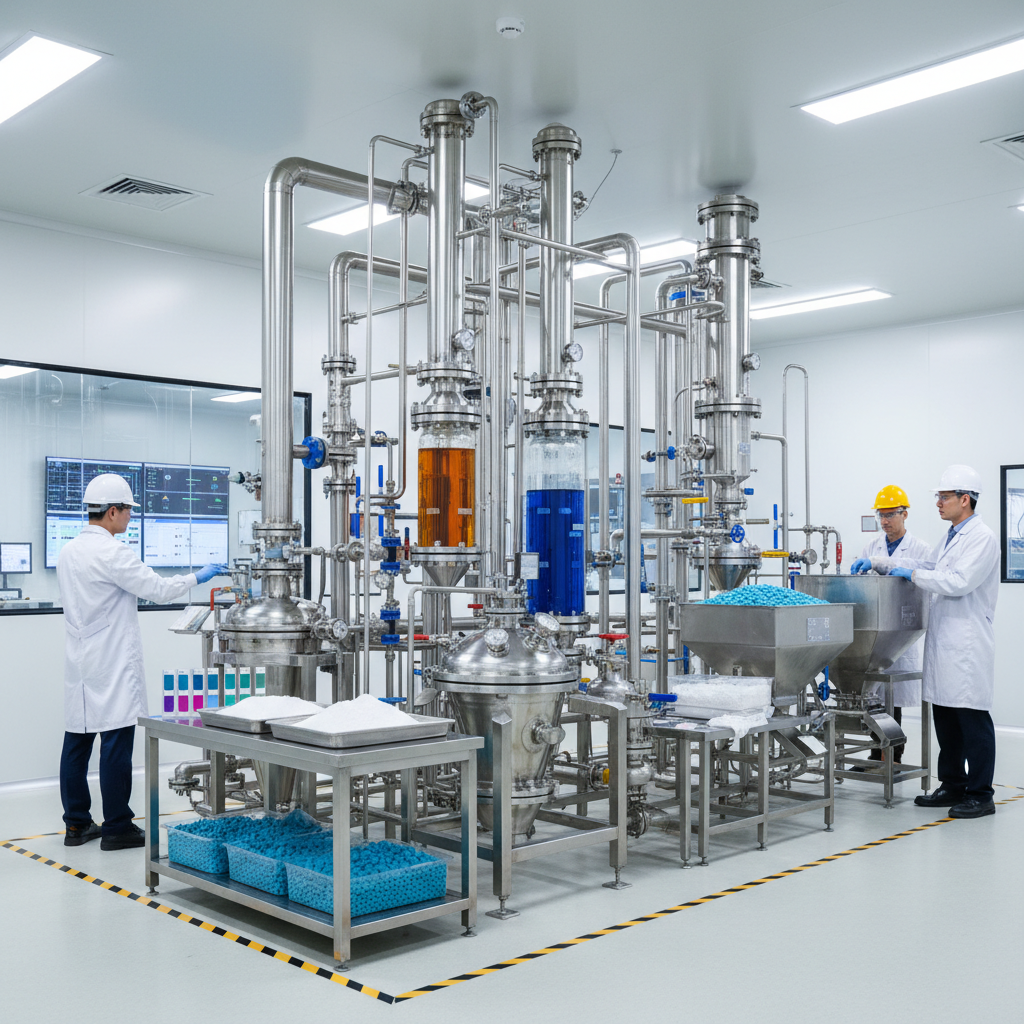
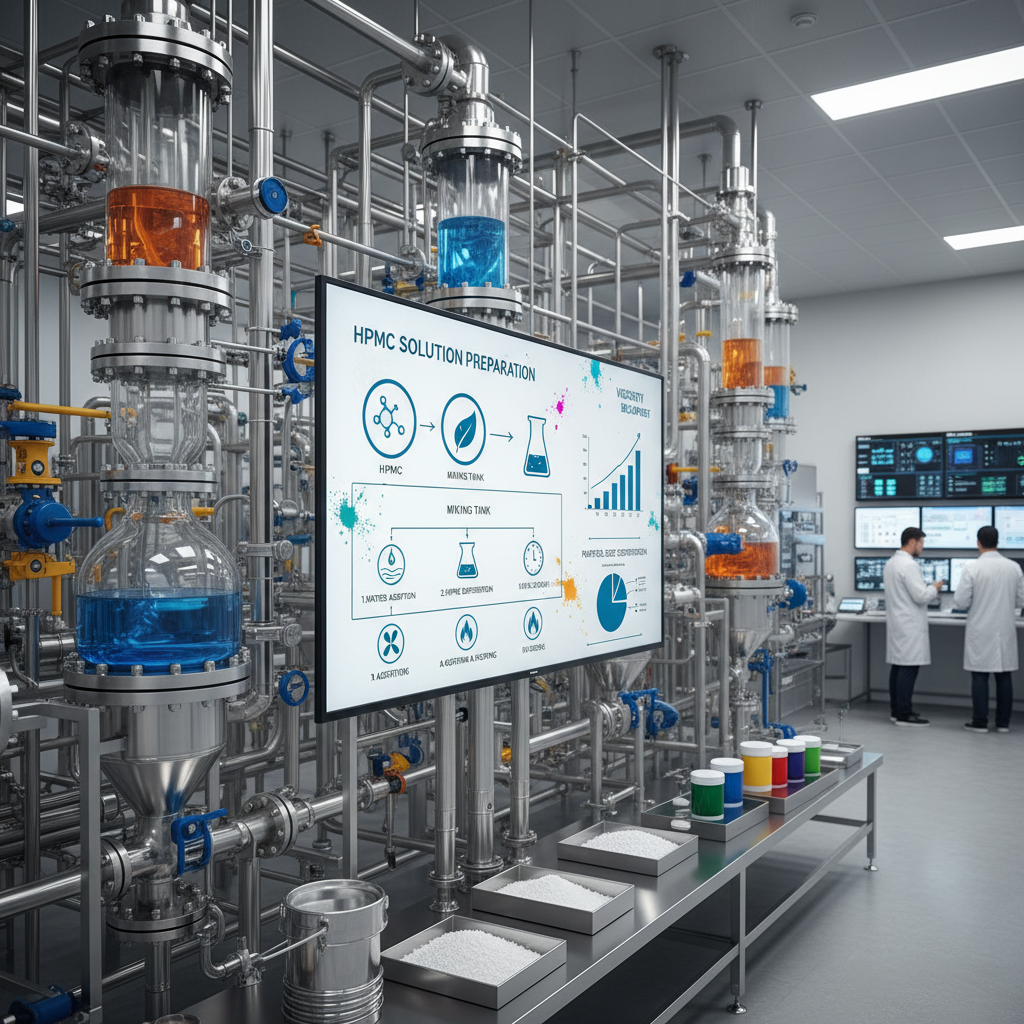
Put simply, hpmc solution preparation is the process of thoroughly dispersing Hydroxypropyl Methylcellulose (HPMC) powder in water to create a homogenous, viscosity-modified liquid. It's more than just stirring. It involves carefully controlling factors like water temperature, mixing speed, and the order of addition. It’s about achieving complete hydration of the polymer, ensuring there are no clumps or undissolved particles.
This prepared solution then acts as a key ingredient in a wide range of building materials. It provides properties like water retention, thickening, adhesion, and improved workability. Think of it as the glue that holds everything together, or the agent that makes a mix easier to apply and maintain its shape.
In a modern context, it's increasingly about creating predictable and repeatable results, especially as we move towards more automated and standardized construction processes. The consistent quality of the hpmc solution directly impacts the performance and longevity of the final product. It's a foundational step in ensuring the reliability and durability of our built environment.
Key Factors in Optimal Preparation
There are a few things that consistently make or break an hpmc solution. First, water quality. You can’t just use anything. Mineral content and pH can impact hydration. Second, mixing technique. You need the right impeller speed to create a vortex that draws the powder into the water, not just splash it around.
Third, temperature control is huge. Warm water generally promotes faster hydration, but too hot and you can degrade the polymer. Fourth, order of addition. Adding the HPMC slowly to the water while mixing vigorously prevents clumping. Lastly, shear rate control. Too much shear can break down the polymer chains, reducing its effectiveness.
Comparison of hpmc Solution Preparation Methods
Global Applications and Use Cases
You see hpmc solutions everywhere. In post-disaster relief operations, they're critical in creating quick-setting repair mortars for damaged infrastructure. In remote industrial zones, they ensure consistent quality in pre-mixed concrete products. I've worked on projects in the Middle East where temperature control during preparation was a massive challenge, requiring specialized equipment.
In Europe, there's a huge push for sustainable building materials, and hpmc solutions play a role in reducing cement content in certain applications. And across Asia, the increasing demand for high-rise construction means reliance on high-performance tile adhesives and renders – all requiring precisely prepared hpmc solutions.
Advantages and Long-Term Value
The biggest win is consistency. A well-prepared hpmc solution means predictable results, less waste, and reduced rework. That translates directly to cost savings. Beyond that, you're improving the durability and longevity of the structures you’re building. You're lowering the lifecycle cost of the project.
There's also the safety aspect. Consistent materials reduce the risk of structural failures. And from a sustainability standpoint, minimizing waste and extending the life of structures are both significant benefits. It's about building with confidence, knowing you're using materials that will perform as expected for years to come.
Future Trends and Innovations
We’re seeing a lot of research into modified hpmc polymers that require less water for hydration, reducing shrinkage and cracking. Automated mixing systems are becoming more sophisticated, allowing for precise control of all the key preparation parameters. And there’s a growing focus on "bio-based" HPMC alternatives, derived from sustainable sources.
Digitalization is playing a role too. Sensors and data analytics are being used to monitor the preparation process in real-time, identifying potential issues before they escalate. And AI-powered systems are being developed to optimize mixing parameters based on specific material properties and environmental conditions. hpmc solution preparation is evolving rapidly.
The drive towards green building and circular economy principles will further accelerate innovation in this area, demanding even more sustainable and efficient preparation methods.
Summary of Key Challenges and Solutions in hpmc Solution Preparation
| Challenge |
Impact on Preparation |
Proposed Solution |
Implementation Cost (1-10) |
| Clumping during mixing |
Incomplete hydration, reduced viscosity |
Slow addition of HPMC with vigorous mixing |
2 |
| Inconsistent water quality |
Variable hydration rates, unpredictable results |
Pre-treatment of water, use of distilled water |
5 |
| Improper mixing speed |
Poor dispersion, localized concentrations |
Optimized impeller selection and speed control |
4 |
| Temperature fluctuations |
Inconsistent hydration, altered viscosity |
Temperature-controlled mixing environment |
7 |
| Lack of standardized procedures |
Variability between batches, reduced reliability |
Implementation of detailed SOPs and training |
3 |
| Inadequate quality control |
Unidentified issues, potential for failure |
Regular viscosity and hydration testing |
6 |
FAQS
Honestly, rushing the process. People often just dump the powder into the water and expect it to mix itself. You need to add the HPMC slowly while mixing vigorously to prevent clumping. Proper dispersion is key, and that takes time and attention. It's about creating a homogenous solution, not just a cloudy liquid.
No. Water quality matters a lot. High mineral content or extreme pH levels can interfere with the hydration process. Ideally, you want to use distilled or deionized water. If that's not feasible, make sure the water is clean and free of contaminants. Don’t underestimate this, it can make or break your results.
Generally, warmer water helps HPMC hydrate faster. But you have to be careful not to overheat it. Too much heat can degrade the polymer, reducing its effectiveness. Aim for a temperature between 20-30°C (68-86°F). It's a balance – you want speed, but you don't want to compromise the quality of the solution.
The key is slow addition and vigorous mixing. Create a vortex in the water and sprinkle the HPMC powder into the center of the vortex. This helps to disperse the powder evenly and prevents it from settling and clumping. Also, make sure your impeller is properly sized and positioned for optimal mixing.
It depends on the specific grade of HPMC and storage conditions, but generally, it’s best to use the solution within 24-48 hours. Store it in a sealed container, away from direct sunlight and extreme temperatures. Over time, the solution can lose its viscosity and effectiveness.
Yes. HPMC powder can be irritating to the eyes and respiratory system. Wear dust masks and safety glasses when handling the powder. Avoid inhaling the dust and ensure adequate ventilation. If contact occurs, rinse thoroughly with water. It's always best to follow the manufacturer's safety guidelines.
Conclusion
In short, successful hpmc solution preparation isn’t just a technical process, it’s a fundamental element of quality construction. From optimizing material performance to ensuring long-term durability, a properly prepared solution makes a world of difference. It's about understanding the variables, applying best practices, and prioritizing consistency.
Looking ahead, the demand for high-performance, sustainable building materials will only continue to grow. Investing in proper preparation techniques, embracing new technologies, and prioritizing quality control are essential for meeting those demands. For more information on optimizing your hpmc solutions, and exploring the range of high-quality products available, visit our website: www.cnjzchemical.com