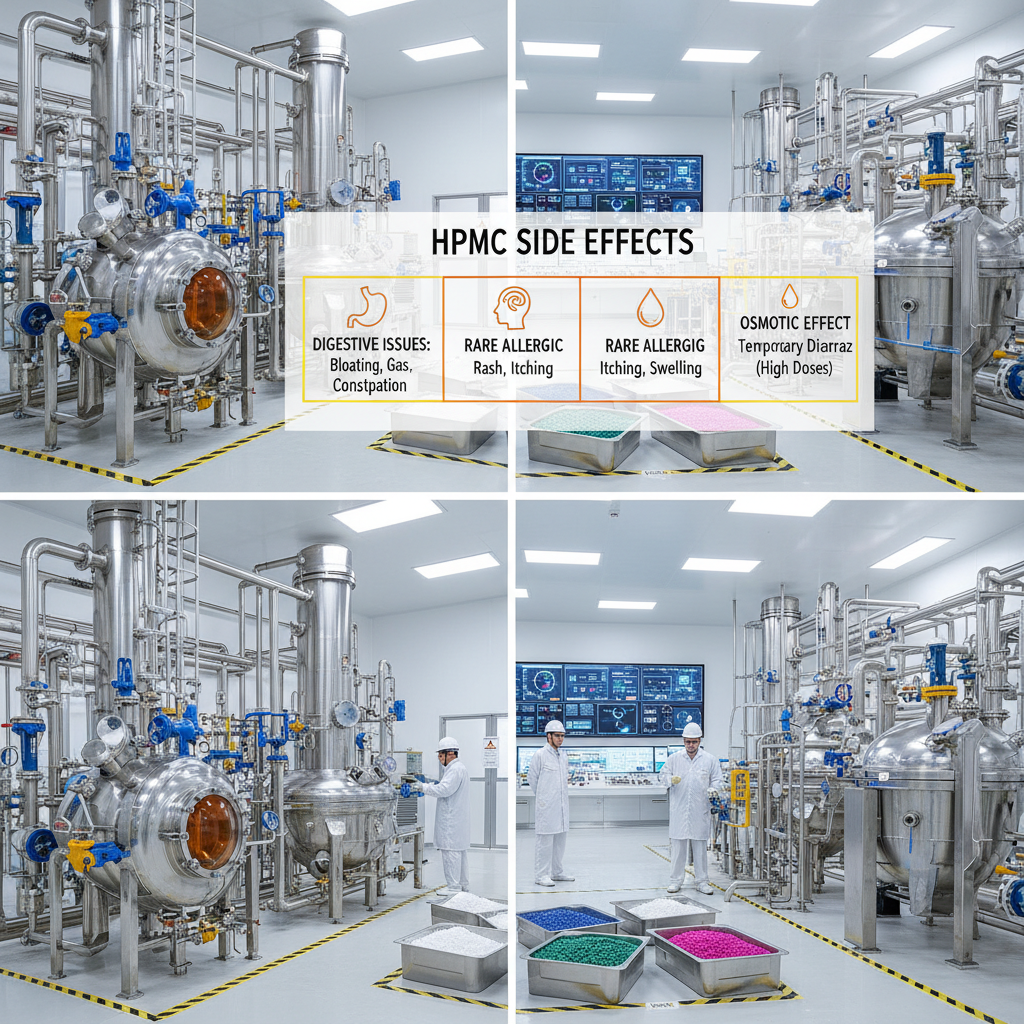
Look, I've spent the last twenty years on construction sites, knee-deep in dust and concrete. I've seen materials fail, projects delayed, and budgets blown because of seemingly small things. That's why understanding the potential hpmc side effects isn't just an academic exercise; it’s about keeping projects running smoothly and buildings standing strong. It’s about minimizing rework, ensuring safety, and ultimately, delivering a quality product our clients can rely on. We’re talking about more than just mixing ratios, we’re talking about real-world consequences.
The construction industry is evolving. We’re constantly pushing boundaries with new materials and techniques. Hydroxypropyl methylcellulose (HPMC) is a prime example – a hugely versatile polymer, but one that demands respect. Ignoring potential hpmc side effects can lead to serious issues – everything from cracking in cementitious systems to inconsistent texture in renders. This isn’t about fear-mongering, it's about preventative measures.
What I’ve learned on the ground is that knowledge is power. Knowing what can go wrong with HPMC – and how to avoid it – can save a project time, money, and a whole lot of headaches. It’s about understanding the nuances of different HPMC grades, the impact of environmental conditions, and proper mixing procedures. This isn’t something you can learn from a textbook alone; it requires real-world experience and a willingness to adapt.
Understanding HPMC Side Effects: A Field Perspective
I’ve seen firsthand how HPMC, when not handled correctly, can lead to issues like reduced workability, segregation of aggregates, and even cracking. These aren’t theoretical problems; they translate to costly repairs and project delays. It’s not a matter of if something will go wrong, but when if you're not paying attention. The key is understanding that HPMC isn’t a magic bullet.
We often see issues stem from improper mixing techniques. Too much water, incorrect mixing speeds, or adding HPMC to dry ingredients instead of water first – these are common mistakes that can seriously compromise the final product. And it's not always the fault of the crew; sometimes the specifications themselves are unrealistic or don’t account for site-specific conditions. That’s where experience and open communication come in.
Defining HPMC and Its Relevance
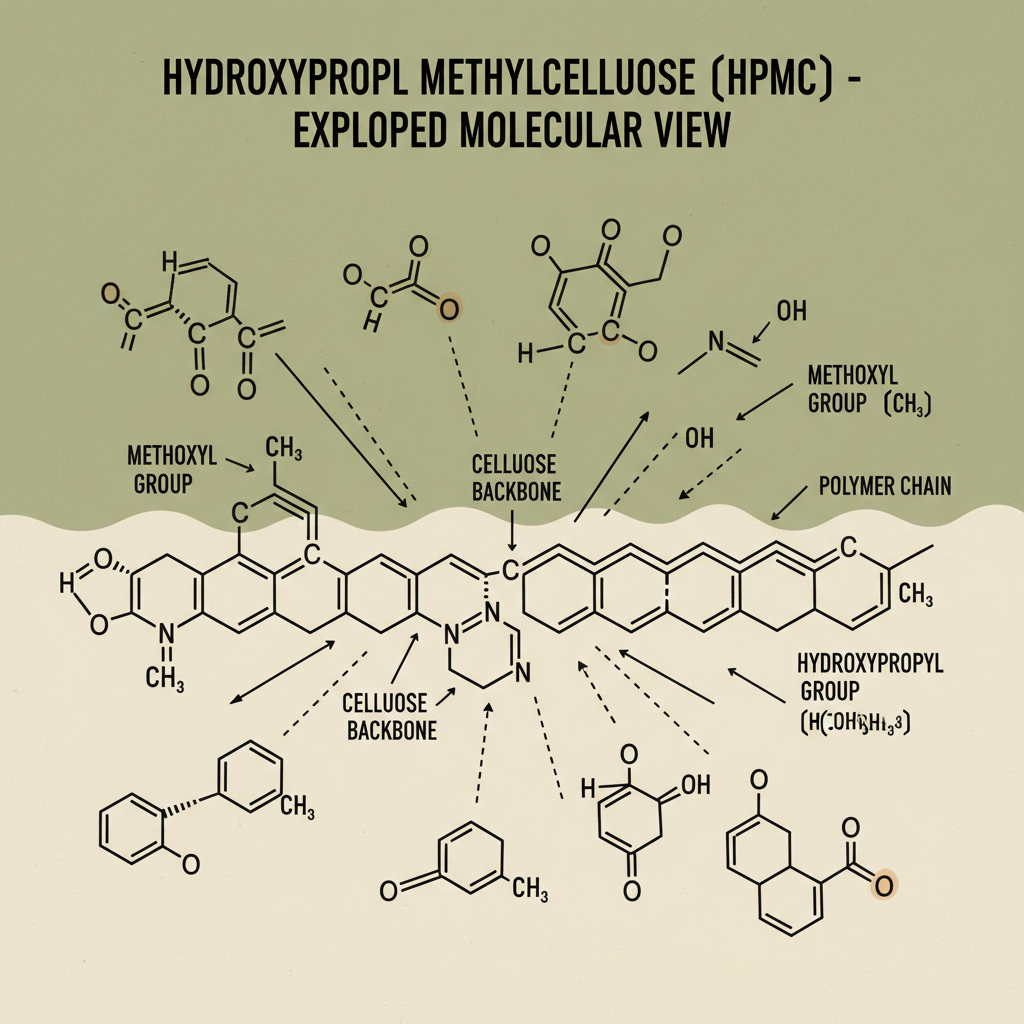
HPMC, or Hydroxypropyl Methylcellulose, is a cellulose ether derived from cellulose. Sounds technical, right? Essentially, it's a polymer used widely as a thickener, binder, film-former, and water retention agent in various construction materials like cement-based renders, tile adhesives, and self-leveling compounds. Its versatility is why we use it so much.
What makes it so valuable is its ability to improve workability, reduce water demand, and enhance adhesion. In hot climates, it’s critical for preventing rapid water evaporation, which can lead to cracking and reduced strength. It’s also key for ensuring consistent application and preventing sagging, particularly in vertical applications. Without it, a lot of what we build wouldn’t hold up.
But here's the rub: all those benefits depend on proper application. Ignoring the potential hpmc side effects negates those advantages and can create more problems than it solves. It's like having a powerful tool, but not knowing how to use it safely and effectively.
Key Factors Influencing HPMC Performance
The grade of HPMC is critical. Different molecular weights and degrees of substitution affect viscosity, water retention, and overall performance. Using the wrong grade for the application is a recipe for disaster. We generally see low-viscosity grades used for tile adhesives and high-viscosity grades for self-leveling compounds, but it depends on the specific formulation.
Environmental conditions play a massive role. High temperatures and low humidity accelerate water evaporation, demanding higher HPMC dosages or the use of specialized formulations. Wind can also be a factor, especially on open sites. You need to adjust your approach based on the weather, plain and simple. Ignoring this is just asking for trouble.
Finally, the compatibility of HPMC with other admixtures is crucial. Some additives can react negatively with HPMC, reducing its effectiveness or causing instability. This is where understanding the chemical interactions comes into play – and a good lab test is always a smart investment.
Global Applications and Common Issues
You see HPMC used globally, from large-scale infrastructure projects in Asia to residential construction in Europe and North America. It’s a standard ingredient in cementitious materials worldwide. But the specific challenges vary depending on the climate and construction practices.
In hot, arid regions, we commonly see issues with rapid setting and cracking due to water loss. In humid environments, maintaining consistent workability and preventing segregation can be a challenge. And in colder climates, proper storage and handling are essential to prevent HPMC from clumping or losing its effectiveness.
I’ve worked on projects in the Middle East where improper HPMC dosage led to widespread cracking in rendered facades, requiring costly rework. I've also seen projects in Southeast Asia where poor mixing techniques resulted in inconsistent tile adhesion, leading to safety hazards. These aren’t isolated incidents.
HPMC Side Effects by Application
Advantages of Mitigating HPMC Side Effects
The benefits of addressing hpmc side effects are substantial. Reduced rework, lower material costs, and improved project timelines are the most obvious. But there’s also a significant impact on the quality and durability of the finished product.
Investing in proper training for your crews, utilizing appropriate HPMC grades, and implementing quality control measures will pay dividends in the long run. It's about building a reputation for delivering reliable, long-lasting structures. And let’s be honest, a happy client is the best form of advertising.
Future Trends and Innovations in HPMC Use
We’re seeing a growing trend towards modified HPMC formulations designed to enhance performance in specific applications. These include HPMC with improved water retention, enhanced thickening properties, and better compatibility with other admixtures.
There’s also increasing interest in sustainable HPMC alternatives derived from renewable resources. And with the rise of digital construction technologies, we’re seeing more sophisticated methods for monitoring and controlling HPMC dosage and mixing processes.
The future of HPMC lies in smarter formulations, more precise application, and a commitment to sustainability. It's about leveraging the benefits of this versatile polymer while minimizing its potential drawbacks.
Challenges and Solutions for Effective HPMC Implementation
One of the biggest challenges remains inconsistent material quality. Not all HPMC is created equal, and variations in purity and grade can significantly impact performance. Sourcing from reputable suppliers and conducting thorough quality control checks are essential.
Another challenge is educating crews about proper mixing and application techniques. Hands-on training and clear, concise instructions are vital. And finally, there’s the need for better communication between engineers, contractors, and material suppliers.
The solution isn't simply throwing more HPMC at the problem. It's about a holistic approach that considers material quality, application techniques, and environmental conditions. It’s about understanding that hpmc side effects are preventable with the right knowledge and proactive measures.
Key Considerations for Optimizing HPMC Implementation
| HPMC Grade Selection |
Mixing Protocol |
Environmental Controls |
Quality Assurance Measures |
| Viscosity and molecular weight tailored to specific application. |
Gradual addition to water with constant agitation. |
Temperature and humidity monitoring and adjustment. |
Regular slump and viscosity testing. |
| Ensure compatibility with other admixtures. |
Avoid prolonged mixing or over-agitation. |
Protection from direct sunlight and wind. |
Visual inspection for segregation or cracking. |
| Consider surface modification for enhanced adhesion. |
Maintain proper water-to-cement ratio. |
Optimize curing conditions. |
Laboratory testing of trial mixes. |
| Select appropriate etherification degree. |
Follow manufacturer's recommendations. |
Employ shade structures and windbreaks. |
Documentation of all material batches and testing results. |
| Prioritize consistent sourcing from reliable suppliers. |
Use calibrated mixing equipment. |
Implement weather monitoring systems. |
Regular crew training and certification. |
| Consider cost-benefit analysis of different grades. |
Avoid adding HPMC to dry ingredients. |
Use appropriate moisture control measures. |
Independent auditing of quality control procedures. |
FAQS
Without a doubt, it's improper mixing. Crews often dump the HPMC powder directly into the dry mix instead of pre-dispersing it in water. This creates clumps and prevents the HPMC from properly hydrating, leading to reduced effectiveness and inconsistent results. Always, always add the powder to the water first, with constant agitation. It's a small step that makes a massive difference.
Temperature significantly impacts water retention. In hotter weather, HPMC helps slow down evaporation, but you might need to increase the dosage to compensate. Conversely, in colder temperatures, the thickening effect can be enhanced, so you might need to reduce the dosage. You need to adapt based on the ambient temperature and humidity. It's about understanding the chemistry.
Generally, yes, but compatibility should always be verified. Some cement formulations may interact negatively with HPMC, reducing its effectiveness. It’s crucial to conduct trial mixes and test the performance before applying it to a large-scale project. Different cement types have different chemical compositions, so a one-size-fits-all approach won’t work.
Cracking can indicate several issues. First, check the HPMC dosage. It might be too low for the environmental conditions. Second, review the mixing process. Were proper techniques followed? Third, assess the substrate preparation. Was it adequately primed and prepared? Address these factors and consider consulting with a material specialist. Don't just ignore it; find the root cause.
You can perform a simple viscosity test by mixing a small batch of HPMC with water and measuring its resistance to flow. However, this is a basic check and doesn't provide a complete assessment of quality. A more reliable method is to send a sample to a laboratory for a full chemical analysis and performance testing. Prevention is always better than cure.
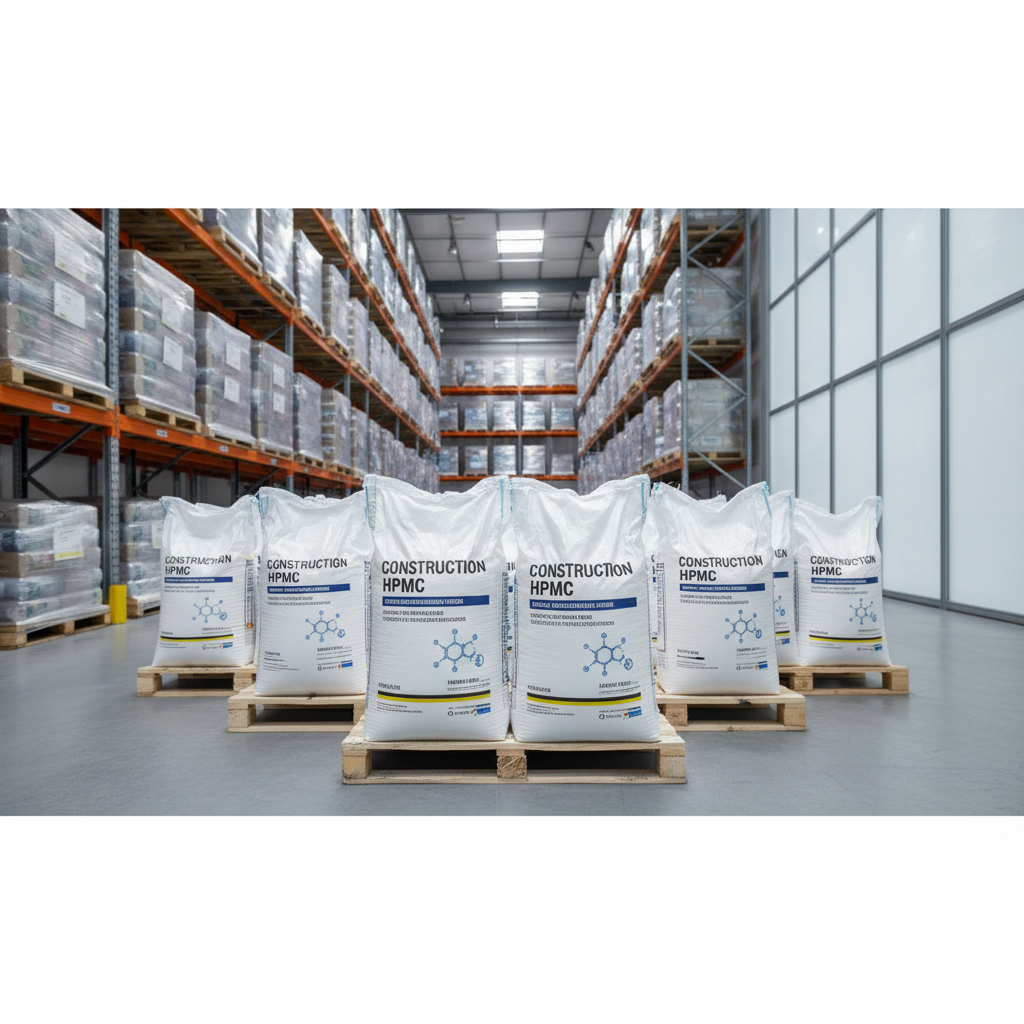
HPMC is hygroscopic, meaning it absorbs moisture from the air. This can cause clumping and reduce its effectiveness. Store HPMC in a cool, dry place, tightly sealed in its original packaging. Avoid exposing it to direct sunlight or extreme temperatures. Proper storage is a simple yet crucial step in maintaining its quality and performance.
Conclusion
Ultimately, understanding hpmc side effects isn't about avoiding HPMC altogether, it’s about using it intelligently. It’s a powerful tool when applied correctly, but it demands respect, attention to detail, and a willingness to adapt to site-specific conditions. The problems we face on construction sites aren't theoretical; they're real, and they impact real people.
Investing in training, quality control, and proper material handling will pay off in reduced rework, improved project timelines, and a more durable, reliable finished product. Don’t just view HPMC as an additive; see it as an integral part of the overall construction process. And if you’re facing challenges, don’t hesitate to reach out to experts for guidance.