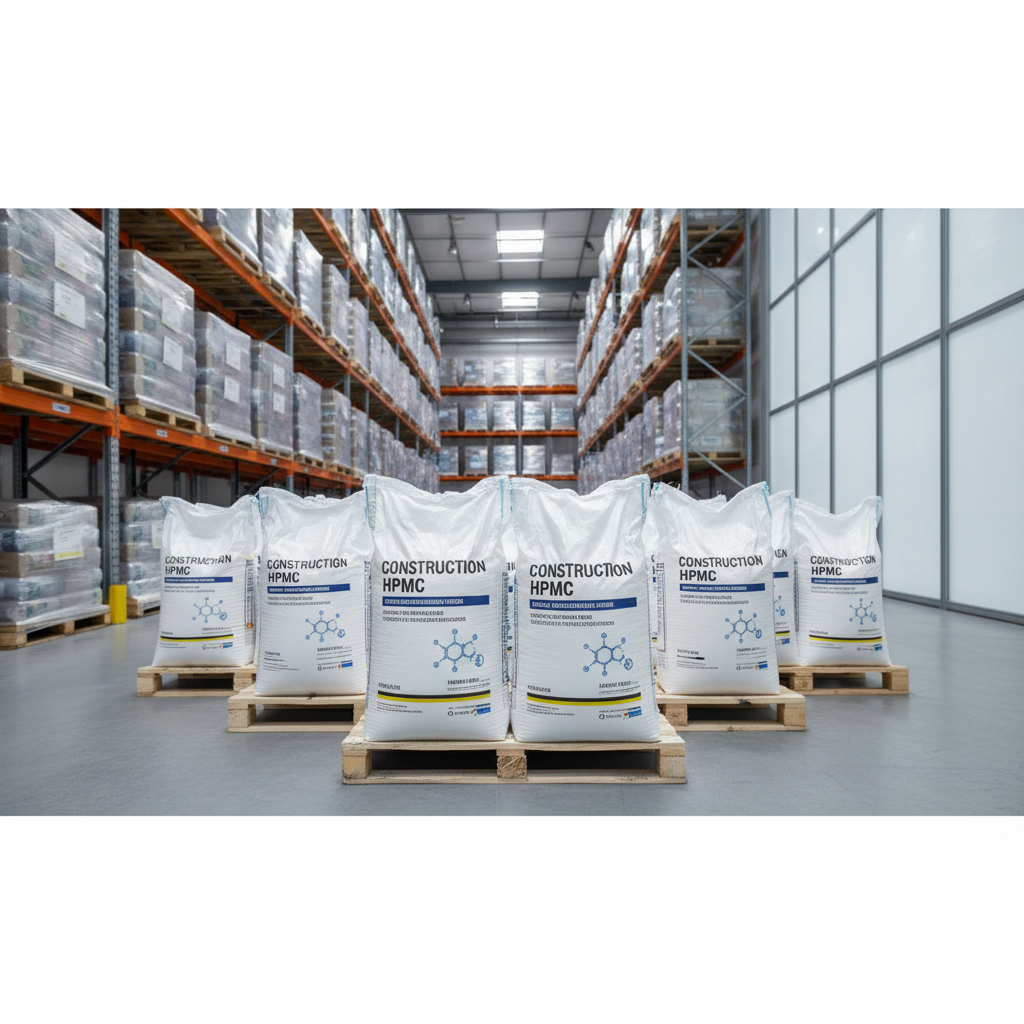
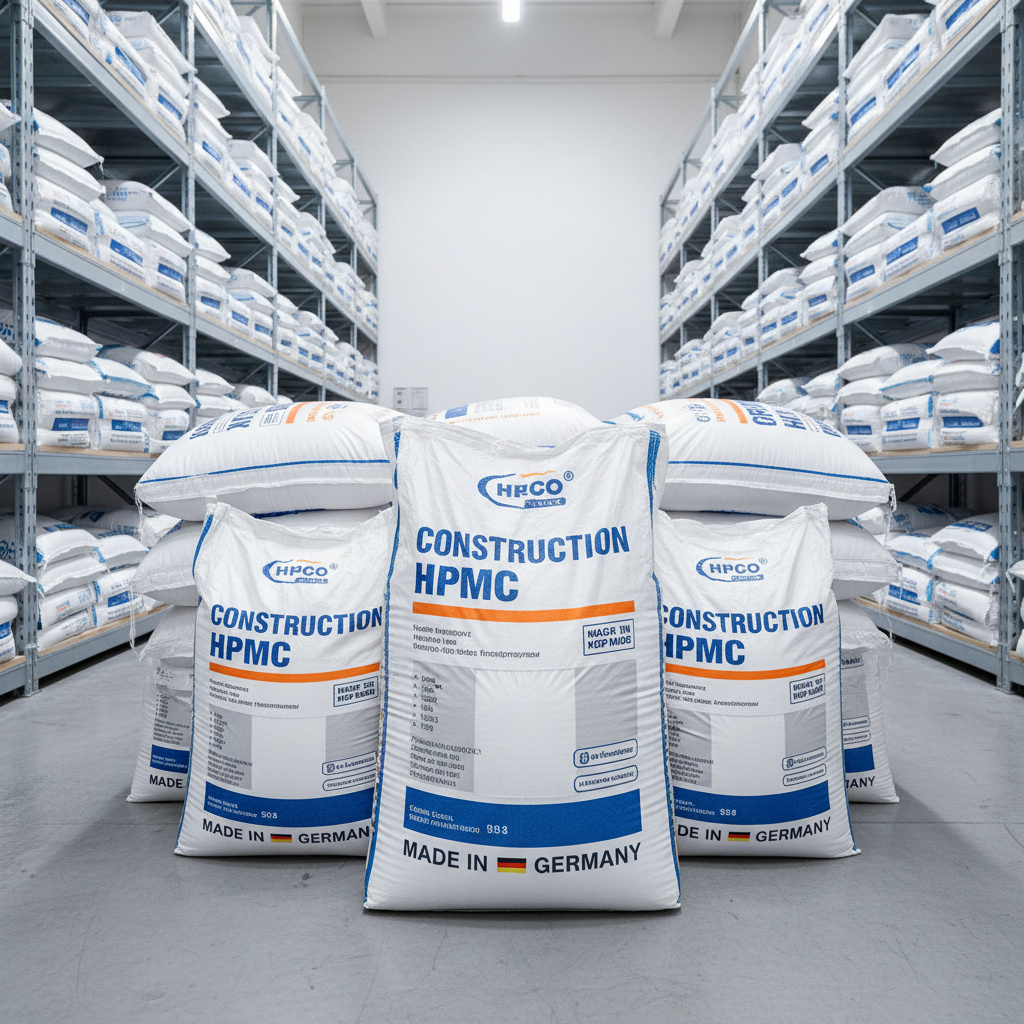
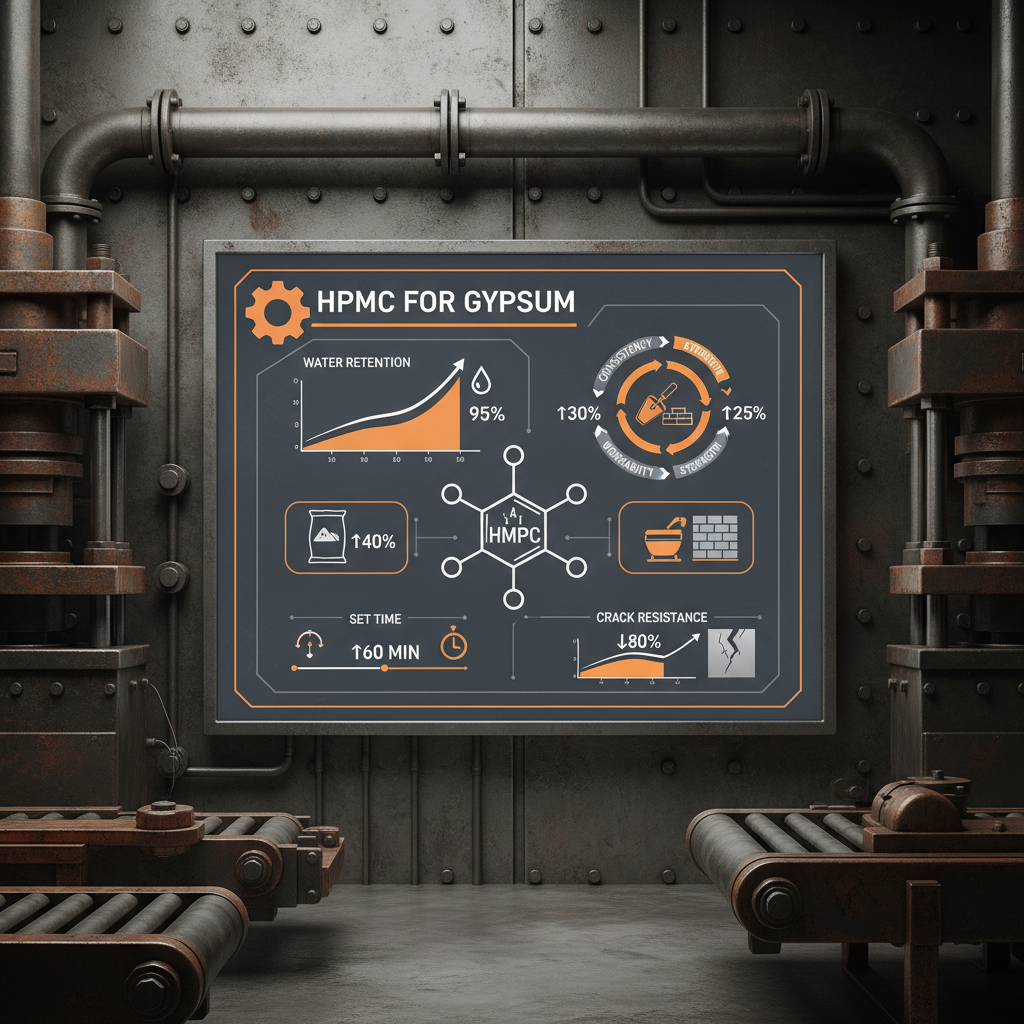
construction hpmc is revolutionizing the building industry by offering a versatile and sustainable solution for enhancing mortar and concrete properties. Globally, the demand for high-performance building materials is soaring, driven by rapid urbanization, infrastructure development, and a growing emphasis on eco-friendly construction practices. This increasing demand fuels the need for additives like construction hpmc, which improve workability, water retention, adhesion, and overall durability of construction materials.
The significance of construction hpmc extends beyond mere structural improvements. It addresses critical challenges in regions with limited water resources, as its water-retention capabilities reduce water demand during construction. Furthermore, the enhanced durability it provides translates to longer lifespans for structures, reducing maintenance costs and minimizing the environmental impact associated with frequent repairs or rebuilding. The ISO standards surrounding building material quality are increasingly factoring in the role of polymer additives like hpmc.
Ultimately, understanding construction hpmc is key to unlocking more sustainable, efficient, and resilient building practices worldwide. Its benefits encompass not only cost savings and improved material performance but also a reduction in environmental footprint and enhanced safety for construction workers and building occupants. This makes construction hpmc a crucial component in addressing the global need for modern, reliable infrastructure.
Introduction to Construction HPMC
Construction HPMC (Hydroxypropyl Methylcellulose) is a water-soluble polymer frequently used as an additive in cement-based construction materials. Its primary function is to modify the properties of mortars, tile adhesives, renders, and self-leveling compounds, making them easier to work with and more effective. The versatility of construction hpmc stems from its ability to control viscosity, water retention, and adhesion.
The importance of using high-quality construction hpmc cannot be overstated. It ensures consistent performance, predictable results, and ultimately, the longevity and structural integrity of buildings and infrastructure projects. This is particularly crucial in challenging construction environments where precise control over material properties is essential. construction hpmc plays a vital role in modern construction.
Defining Construction HPMC
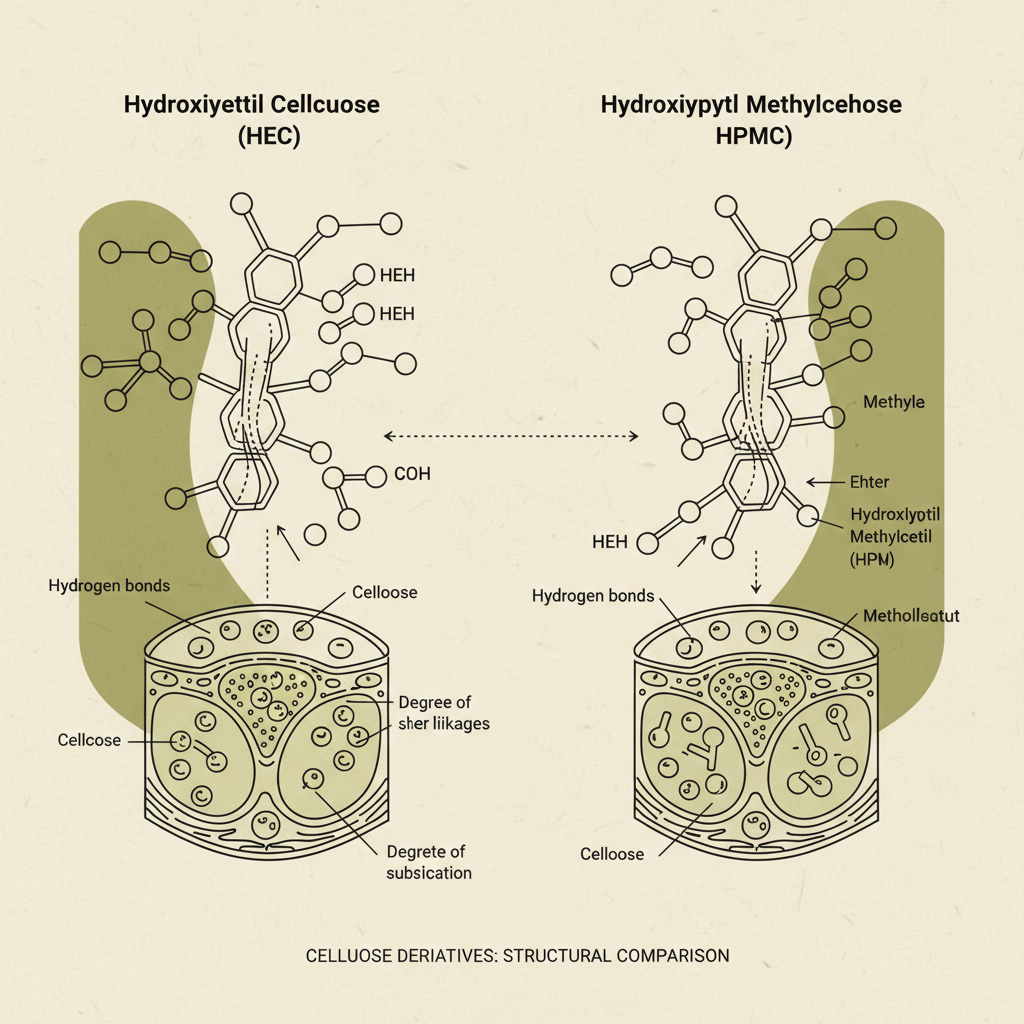
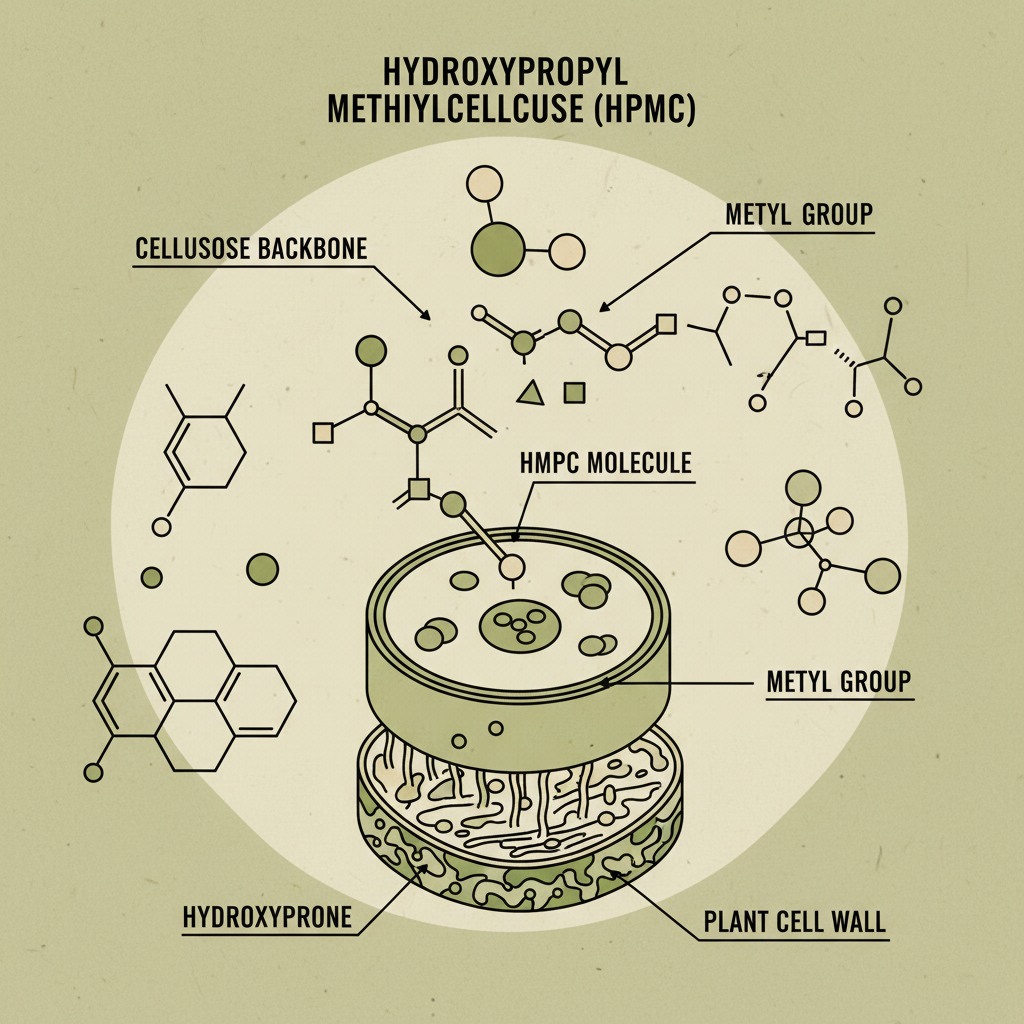
Construction HPMC is a non-ionic cellulose ether derived from cellulose, a natural polymer found in plant cell walls. Through chemical modification, cellulose is converted into HPMC, enhancing its solubility in water and expanding its range of applications. The ‘Hydroxypropyl Methylcellulose’ name reflects the specific chemical modifications – the addition of methyl and hydroxypropyl groups to the cellulose structure.
In the construction industry, construction hpmc acts as a key component in formulating high-performance cementitious systems. It is not a binding agent itself, but rather an additive that dramatically improves the characteristics of the cement mixture. This ensures the desired consistency, workability, and adherence properties are achieved.
The connection to modern industry and humanitarian needs is significant. For example, its contribution to efficient and durable construction is essential in post-disaster recovery efforts, where rapid and reliable building solutions are critical. Furthermore, its sustainable production methods align with the growing global focus on environmentally responsible building practices.
Key Properties of Construction HPMC
Durability is a cornerstone of construction, and construction hpmc directly contributes to this. By enhancing the water retention capabilities of cement mixtures, it promotes complete hydration of the cement, leading to a denser, stronger, and more durable final product. This increased durability reduces the risk of cracking, spalling, and premature deterioration.
Water Retention is perhaps the most critical property. Construction hpmc forms a film on the surface of the cement mixture, reducing evaporation and ensuring sufficient water is available for cement hydration. This is particularly beneficial in hot and dry climates, or when working with fast-setting cements.
Workability refers to the ease with which a cement mixture can be placed, consolidated, and finished. Construction hpmc improves workability by reducing stickiness, increasing slip, and preventing segregation. This allows for faster and more efficient construction, reducing labor costs and improving overall project timelines. Adhesion is also improved by construction hpmc.
Applications in Modern Construction
Construction HPMC is a vital additive in tile adhesives, significantly enhancing their bonding strength, flexibility, and open time. It allows for easier application and ensures a secure and long-lasting bond between tiles and substrates. It also finds extensive use in cement-based renders and plasters.
In self-leveling compounds, construction hpmc controls the flow properties and prevents segregation, resulting in a smooth, even surface. The control over shrinkage reduces the risk of cracking, producing a polished look. It is also commonly used in repair mortars, ensuring excellent adhesion to existing concrete structures.
Construction HPMC Performance Across Applications
Global Usage and Regional Trends
Globally, the construction hpmc market is experiencing substantial growth, particularly in emerging economies with rapid infrastructure development. Asia-Pacific is currently the largest consumer, driven by large-scale construction projects in countries like China, India, and Southeast Asian nations. Demand is also growing significantly in Latin America and the Middle East.
In Europe and North America, the focus is shifting towards more sustainable and high-performance building materials, leading to increased demand for construction hpmc with specific properties, such as enhanced water retention and improved adhesion. These regions are also driving innovation in hpmc technology.
Advantages and Long-Term Value
The economic benefits of using construction hpmc are significant. Reduced material waste, lower labor costs, and extended building lifespan all contribute to substantial cost savings over the long term. The enhanced durability minimizes the need for frequent repairs and maintenance, further reducing lifecycle costs.
From a sustainability perspective, construction hpmc promotes resource efficiency by reducing water usage during construction and extending the service life of structures. This minimizes the environmental impact associated with building demolition and reconstruction. The peace of mind knowing a structure is more reliable and long-lasting provides immense value.
The social impact is also noteworthy. Safer working conditions, improved building quality, and the creation of more resilient communities are all positive outcomes of incorporating construction hpmc into building projects.
Future Innovations in HPMC Technology
Research and development efforts are focused on creating new types of construction hpmc with tailored properties. This includes developing HPMC grades with improved thermal stability, enhanced compatibility with various cement types, and increased resistance to degradation from environmental factors.
The integration of nanotechnology into hpmc formulations is also being explored, with the aim of further enhancing its performance characteristics. Furthermore, the development of bio-based HPMC, derived from renewable resources, is gaining traction as a more sustainable alternative to traditional petroleum-based products.
Digitalization in the construction industry is also influencing the development of hpmc. Smart additives with real-time monitoring capabilities could enable more precise control over material properties, leading to even greater efficiency and quality.
Analysis of Key Challenges and Solutions for Effective Implementation of Construction HPMC
| Challenge |
Impact on Construction HPMC Use |
Proposed Solution |
Implementation Cost (1-10) |
| Inconsistent Product Quality |
Variable performance, affecting reliability |
Strict quality control measures, sourcing from reputable suppliers |
6 |
| Limited Technical Expertise |
Incorrect dosage, improper mixing techniques |
Training programs for construction professionals |
7 |
| Compatibility Issues |
Adverse reactions with certain cement types |
Conduct thorough compatibility testing before application |
5 |
| Cost Considerations |
Initial expense can deter some users |
Highlight long-term cost savings through durability and reduced maintenance |
4 |
| Supply Chain Disruptions |
Delays in project timelines |
Diversify sourcing, maintain sufficient inventory |
8 |
| Environmental Concerns |
Production and disposal impact |
Promote bio-based options, sustainable manufacturing processes |
9 |
FAQS
Construction HPMC significantly enhances the performance of tile adhesives by improving adhesion strength, flexibility, and open time. It allows for easier application and ensures a more durable and long-lasting bond between tiles and substrates, reducing the risk of tile failure and costly repairs. The improved workability also translates to faster installation times and reduced labor costs.
Construction HPMC promotes sustainability by reducing water usage during construction, increasing the durability of structures, and minimizing material waste. The enhanced durability leads to longer lifespans for buildings and infrastructure, reducing the need for frequent replacements and the associated environmental impact. Additionally, the development of bio-based HPMC options further enhances its sustainability profile.
The recommended dosage of construction HPMC varies depending on the specific application and the type of cement used. Generally, dosages range from 0.5% to 2% by weight of cement. It's crucial to consult the manufacturer's specifications and conduct trial mixes to determine the optimal dosage for your specific needs. Overdosing can lead to undesirable effects, such as reduced strength.
While construction HPMC is generally compatible with most common cement types (Portland, blended cements), compatibility should always be verified through testing. Some cement formulations may exhibit adverse reactions, potentially affecting performance. Conducting a small-scale trial mix before large-scale application is highly recommended to ensure compatibility and optimal results.
Construction HPMC improves workability by reducing water demand and lubricating the cement particles. It increases slip, decreases stickiness, and prevents segregation of the mix. This allows for easier placement, consolidation, and finishing, resulting in a smoother surface and reduced labor costs. The enhanced workability also facilitates the incorporation of other admixtures.
Construction HPMC typically has a shelf life of 2-3 years when stored properly. It should be stored in a cool, dry, and well-ventilated area, away from direct sunlight and moisture. Exposure to humidity can cause clumping and reduce its effectiveness. Always follow the manufacturer’s storage guidelines for optimal performance.
Conclusion
In conclusion, construction HPMC stands as a cornerstone additive in modern construction, offering a multifaceted solution to enhance material performance, improve workability, and promote sustainability. Its ability to optimize water retention, adhesion, and durability significantly contributes to the longevity and resilience of structures, leading to substantial cost savings and reduced environmental impact. The wide range of applications, from tile adhesives to self-leveling compounds, underscores its versatility and importance in various building projects.
Looking ahead, continued innovation in HPMC technology, including the development of bio-based alternatives and smart additives, will further solidify its role in shaping the future of construction. By embracing these advancements and prioritizing responsible manufacturing practices, we can unlock the full potential of construction hpmc to create a more sustainable, efficient, and resilient built environment. Visit our website at www.cnjzchemical.com to learn more about our range of construction HPMC products.