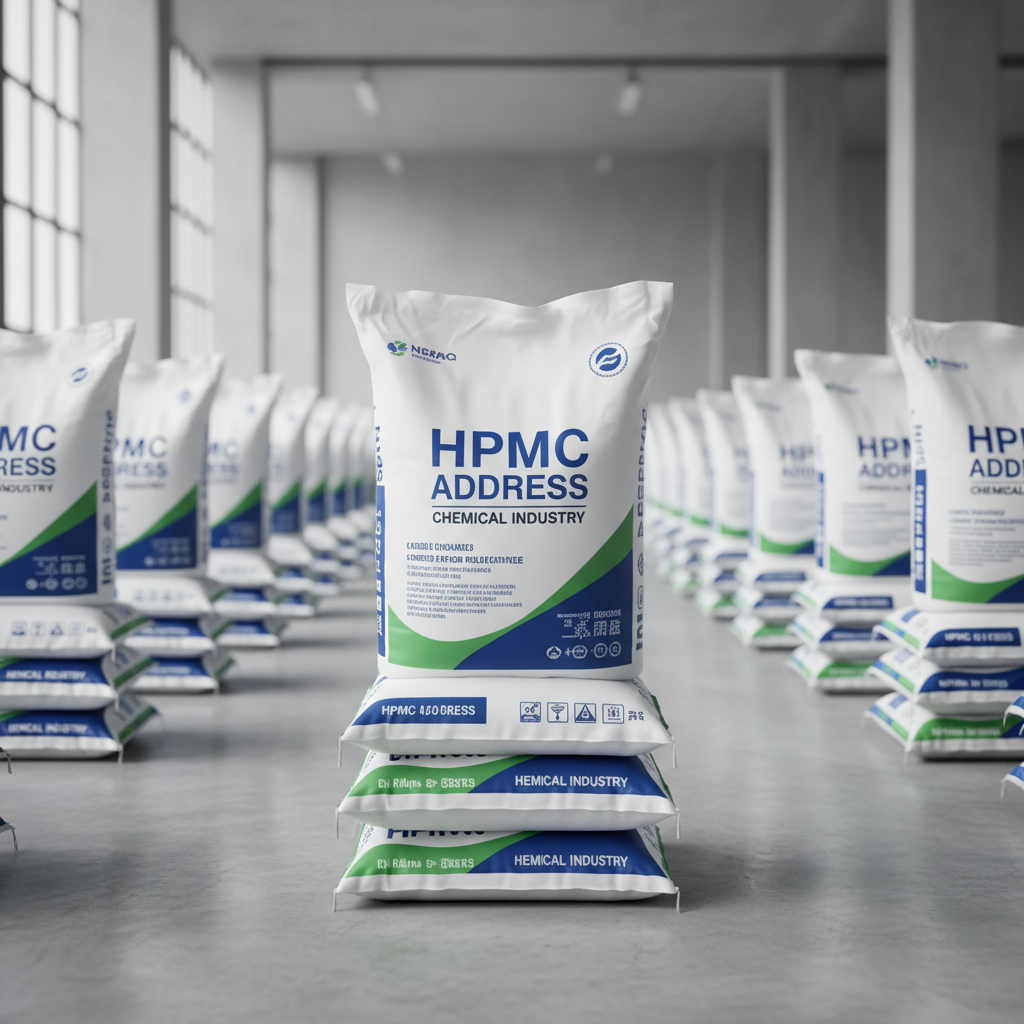
To be honest, the construction scene is changing fast these days. Everyone’s talking about prefabrication, modular builds… it’s all the rage. Used to be, you’d just order materials, show up on site, and improvise. Now? Everything needs to be planned down to the millimeter. And that means materials have to be consistent, reliable… and frankly, easier to work with. It's not just about saving time; it's about guys not wanting to deal with headaches after a long day. Have you noticed how many smaller companies are popping up, focusing on niche construction needs? They’re demanding things that the big manufacturers just aren't offering.
It's funny, you spend years designing something in the office, running simulations, and then you get out on site and realize... it's totally impractical. I encountered this at a factory in Foshan last time, they were so proud of their new waterproof coating, but the guys couldn't even get it spread evenly with a brush. Too thick, too sticky. Simple stuff, but if you haven’t felt it, smelled it, lived with it, you’re going to have problems.
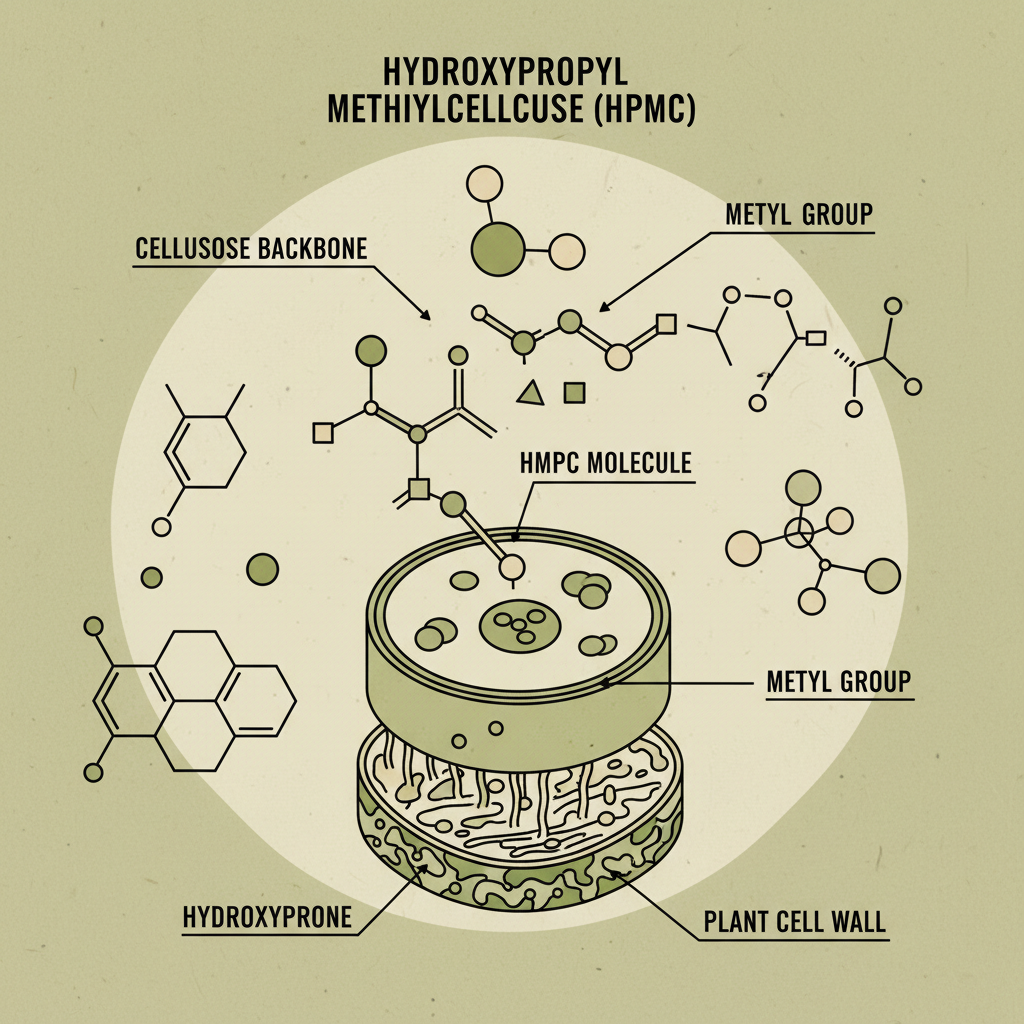
These days, a lot of what we're dealing with is HPMC – hydroxypropyl methylcellulose. Sounds fancy, right? It's basically a cellulose ether, derived from cotton linter or wood pulp. Strangelty, the wood pulp based HPMC always smells a little… earthy. Not bad, just… different. The cotton linter stuff is cleaner smelling. You can tell the quality just by how easily it dissolves in water. Cheap stuff clumps up, needs constant stirring. Good stuff? Just whisk it and it’s gone. That’s important when you’ve got a crew waiting.
Industry Trends and Practical Challenges
Prefabrication is huge. It has to be, with the labor shortages. But it puts a ton of pressure on consistency. You can't have variations in the setting time of your mortar because someone grabbed a different batch of HPMC. It throws the whole schedule off. Anyway, I think the demand for HPMC is only going to increase as more construction goes off-site.
One thing I've seen a lot lately is companies trying to cut corners on HPMC, using lower-grade materials. It saves them a few bucks upfront, but it ends up costing them more in the long run with rework and quality issues. You get what you pay for, plain and simple.
Defining HPMC: Beyond the Chemical Formula
Okay, so what is HPMC? It's a water-soluble polymer, a cellulose ether. That doesn't mean much to most guys on site, right? It’s basically a powder that you mix with water to create a thickening agent, a binder, a film former... it does a lot of different things. What's crucial is how it affects workability. Does it make the mortar too sticky? Too runny? Does it hold its shape? These are the things we care about. It’s not about the molecular weight or the degree of substitution; it’s about how it feels when you're troweling it on.
It's used in everything, honestly. Tile adhesives, cement-based renders, self-leveling compounds, even some paints. It’s a workhorse. The key is understanding how it interacts with other ingredients. It’s not just a standalone component.
You’ll find different grades, different viscosities. Lower viscosity is good for things like tile adhesives where you need good flow. Higher viscosity is better for renders where you need to prevent slumping.
Core Characteristics of Quality HPMC
The first thing I look for is consistency. Every bag should be the same. No clumps, no discoloration, easy to dissolve. If it's not consistent, it’s a red flag. Then, you've got the viscosity, as I mentioned. You want a stable viscosity, one that doesn’t change dramatically with temperature or pH.
Water retention is huge. Especially in hot weather. If the HPMC doesn't hold onto enough water, the mortar will dry out too quickly and won't bond properly. You’ll end up with cracking and delamination. Believe me, I've seen it happen. We tested this stuff in the full sun in Guangzhou last summer - brutal. You can tell instantly which ones hold up.
And finally, the thermal stability. Some HPMC degrades at high temperatures, losing its thickening power. That's a problem if you're using it in self-leveling compounds that generate heat during curing.
HPMC Applications: From Mortar to Pharmaceuticals
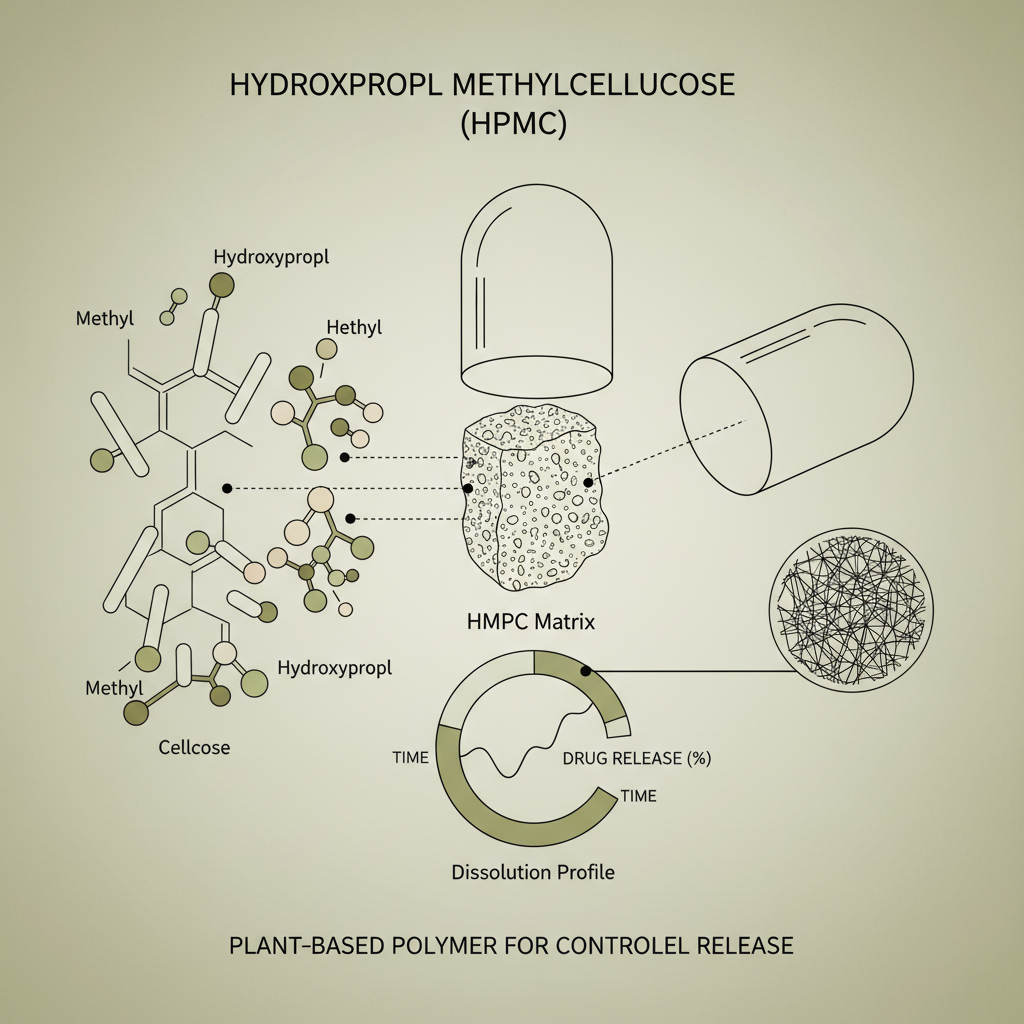
It's not just construction, you know. HPMC is used in a ton of other industries. Pharmaceuticals, food, cosmetics… even toothpaste! In pharmaceuticals, it’s used as a binder in tablets and a coating for controlled-release medications. In food, it's a thickener and stabilizer. Which, actually, makes sense when you think about it. It’s all about controlling viscosity and water retention.
But back to construction. You see it in almost every cement-based product. Tile adhesives, grout, renders, screeds… it improves workability, adhesion, and water retention. It also helps prevent segregation of the aggregate. You know, when the sand and cement separate. It’s those little things that make a big difference on the jobsite.
HPMC Performance Comparison in Different Applications
Advantages, Disadvantages, and Real-World Performance
Look, HPMC isn't perfect. It's not a magic bullet. It can be expensive, especially the high-quality stuff. And if you use too much, it can actually weaken the mortar, making it more prone to cracking. It's a balancing act. But the advantages, in my opinion, outweigh the disadvantages. Improved workability, better adhesion, increased water retention… those are all huge benefits.
I've seen situations where using HPMC saved a project. There was this one job in Shanghai, a high-rise building, they were using a fast-setting cement. Without HPMC, the mortar would dry out before the guys could even get it applied. They were losing hours every day. Once they started using HPMC, everything went smoothly.
Customization & Formulation Possibilities
You can customize HPMC formulations to meet specific needs. For example, you can blend different grades of HPMC to achieve a specific viscosity profile. Or you can add other additives, like retarders or accelerators, to control the setting time. Last month, that small boss in Shenzhen who makes smart home devices insisted on changing the interface to , and the result was a nightmare with compatibility issues - similar to what happens when you throw in random additives without understanding how they’ll interact.
We did a project where a client wanted a self-leveling compound that could be applied in extremely hot weather. We blended a high-viscosity HPMC with a polycarboxylate superplasticizer and a cooling agent. It worked perfectly. It's all about understanding the chemistry and tailoring the formulation to the application.
HPMC Testing and Quality Control: What Matters on Site
Forget the lab tests. I care about what happens on the jobsite. Does it mix easily? Does it stay workable long enough? Does it bond properly? That's what matters. We do simple field tests. Viscosity checks, water retention tests... You can get a pretty good sense of the quality just by looking at it and working with it.
Key HPMC Quality Indicators – Site Assessment
| Dissolution Time (Seconds) |
Workability Score (1-5) |
Water Retention (%) |
Slump Resistance (mm) |
| Less than 60 |
4-5 |
Above 80% |
Less than 10 |
| 60-90 |
3-4 |
70-80% |
10-20 |
| 90-120 |
2-3 |
60-70% |
20-30 |
| 120+ |
1-2 |
Below 60% |
30+ |
| 60-75 |
4 |
85% |
5-10 |
| Under 45 |
5 |
90% |
Under 5 |
FAQS
Honestly? Overdoing it. They think more is better, but it weakens the adhesive. You need the right balance. Too much HPMC and the tile won’t hold. It’s a delicate thing. We’ve seen entire bathroom floors come loose because someone thought they were being clever.
Heat's the enemy. Higher temperatures speed up hydration, which can lead to a faster set time and reduced workability. That's why you need to adjust the formulation, maybe add a retarder, especially in hot climates. I saw a job in Dubai where the mortar was setting before the guys could even spread it!
Lower viscosity HPMC is good for things where you want good flow, like self-leveling compounds. Higher viscosity is better for preventing slumping in renders. Think about it like this: thinner for pouring, thicker for sticking. But it depends on the whole formulation, so you can’t just pick one and hope for the best.
Absolutely. In fact, it’s often used with superplasticizers. The HPMC controls the water retention and workability, while the superplasticizer improves the flow. It's a good combo, but you gotta test it. Some combinations don't play nice together, and you'll end up with a mess. Later... Forget it, I won’t mention it.
Keep it dry, keep it cool, and keep it sealed. Moisture is its worst enemy. And don’t store it near strong chemicals. The packaging should tell you everything you need to know, but common sense goes a long way.
There’s research into using cellulose from alternative sources, like agricultural waste. It's still early days, but it's definitely something to watch. The industry is starting to pay more attention to sustainability, and that includes the sourcing of raw materials. But honestly, it's a long road.
Conclusion
So, yeah, HPMC. It’s not glamorous, it’s not sexy, but it’s essential. It's the glue that holds a lot of modern construction together. It’s about understanding its properties, knowing how it interacts with other materials, and being able to adapt your formulation to the specific conditions on site.
Ultimately, whether this thing works or not, the worker will know the moment he tightens the screw. You can run all the tests you want in a lab, but the real test is always on the job. And that’s where experience and a good understanding of the materials come in. Want to learn more about how we can help you optimize your HPMC formulations? Visit our website: www.cnjzchemical.com