Honestly, things are moving fast these days. Everyone’s talking about prefabrication, modular construction… you see it everywhere now. Used to be a niche thing, but now even the old-timers are starting to get on board. It’s all about speed, right? Getting buildings up faster, cheaper. But there's a catch, always a catch. You start cutting corners on materials, and things get… interesting.
I’ve spent the last twenty years wandering around construction sites, and believe me, you learn a thing or two. Mostly, you learn what not to do. People get so focused on the design, the BIM models, the fancy software, they forget about the practical side of things. Have you noticed how many architects design things that are a nightmare to actually build? It's frustrating, to say the least.
The Rise of Prefabrication and HPMC's Role
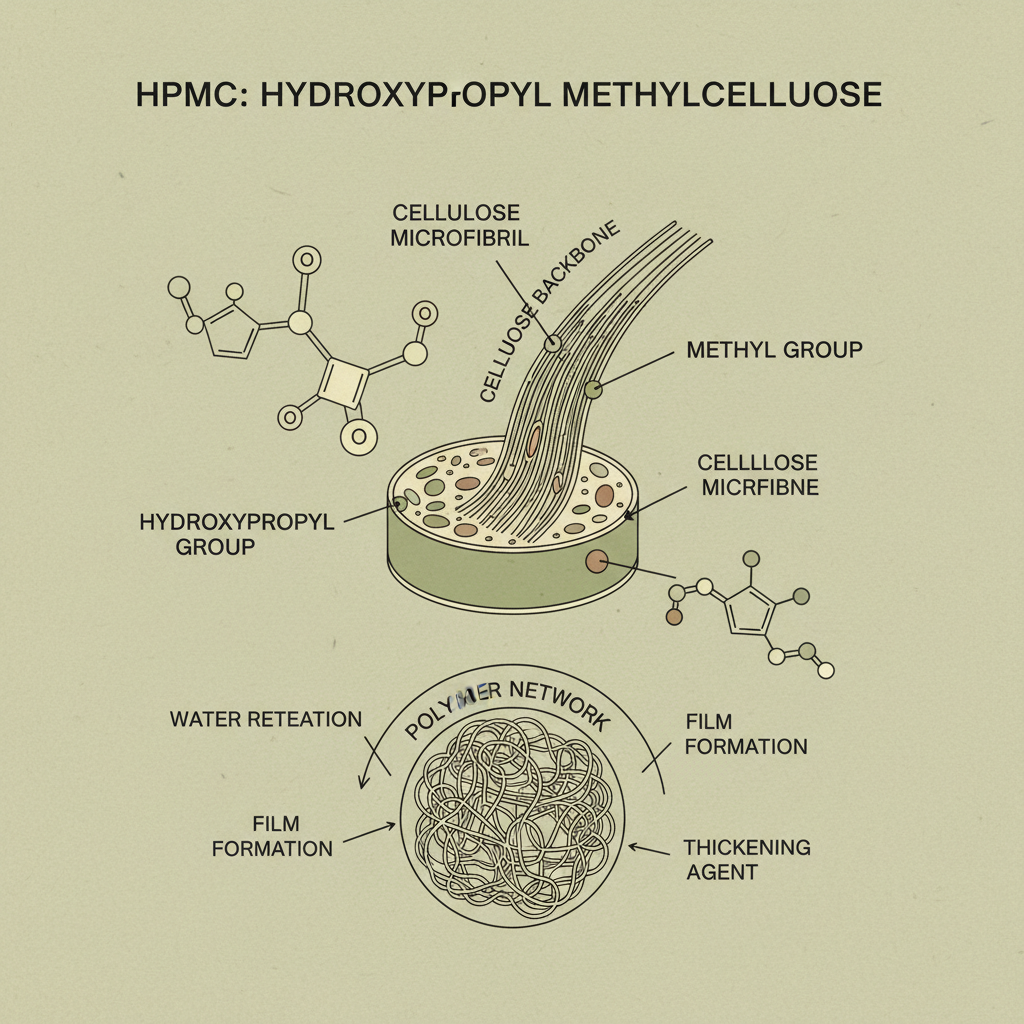
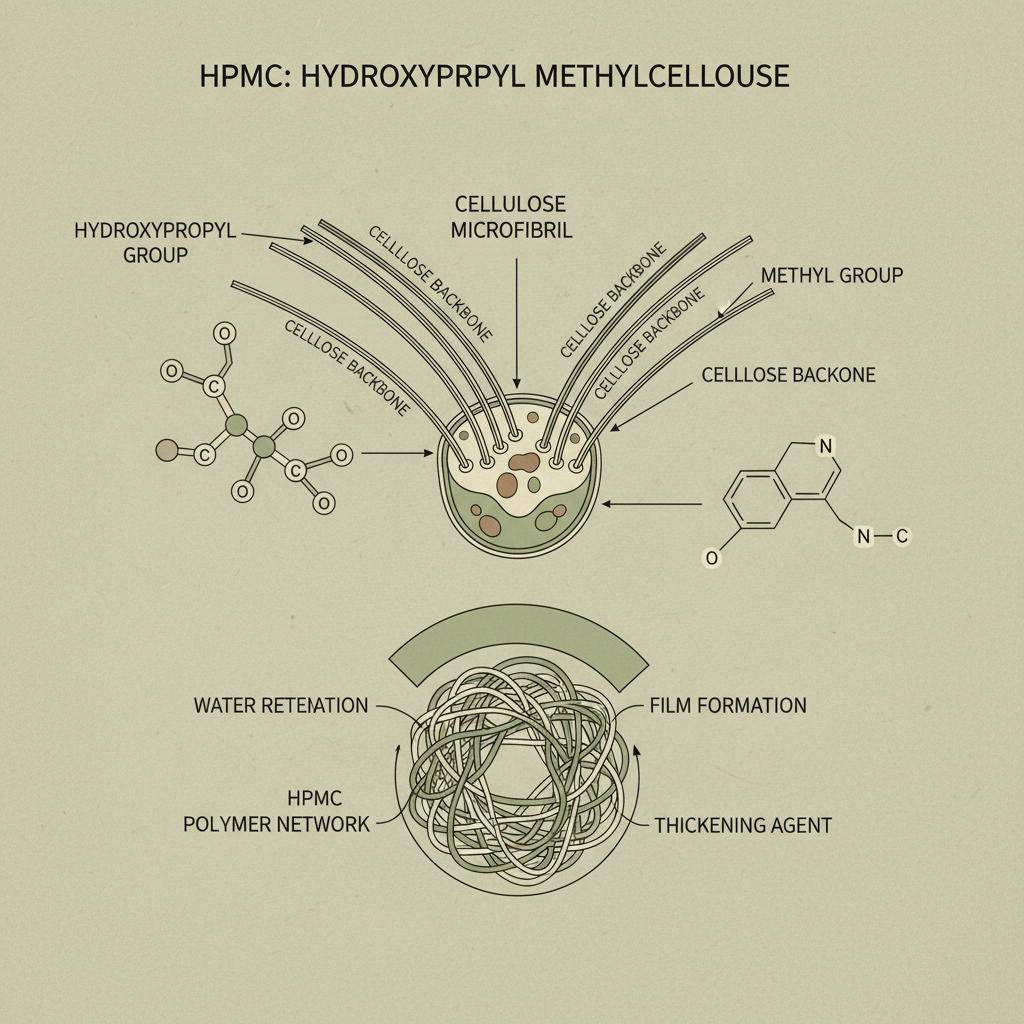
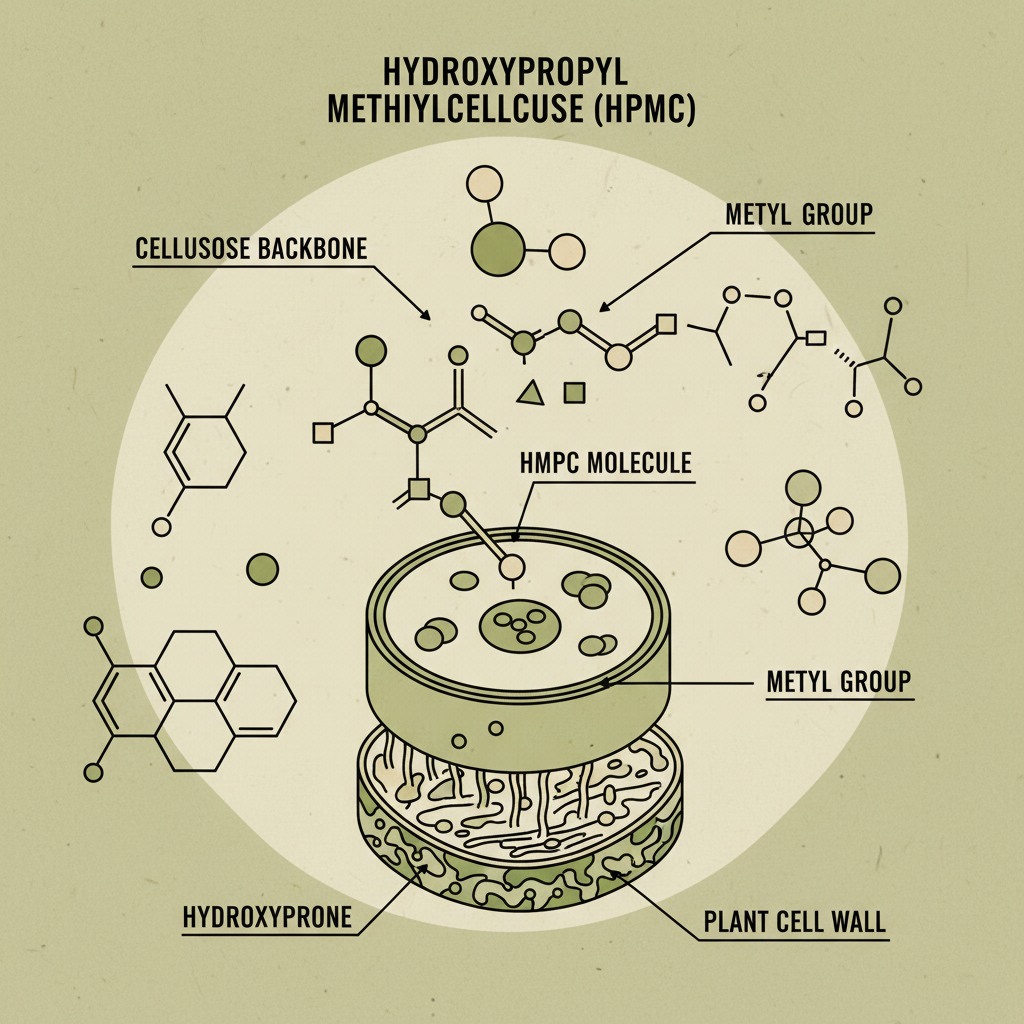
So, where does HPMC – Hydroxypropyl Methylcellulose – fit into all this? Well, it’s become pretty crucial in a lot of the newer prefabrication techniques. It's in the tile adhesives, the self-leveling compounds, even some of the modified cement mixtures. Basically, anything that needs good workability, water retention, and adhesion. It's a polymer, see, and it gives the mix that extra 'stickiness' and allows it to stay workable longer. Strangely, a lot of guys don’t even realize it’s in there. They just know the mix performs better.
It’s become almost indispensable, particularly in those rapid-setting concrete mixes they’re using for prefab panels. You need something to slow down the hydration just enough to allow for proper placement and finishing. Otherwise, it sets up before you can even blink.
Design Pitfalls and the Importance of Practicality
Look, I've seen designs that look great on paper but are an absolute nightmare on site. Too many tight angles, weird interfaces, insufficient allowance for tolerances… it drives me crazy. And often, the HPMC-based products are the ones trying to bridge the gaps created by poor design. They’re masking the underlying problems, not solving them. I encountered this at a factory in Guangzhou last time, they were trying to build these complex curved walls with a self-leveling compound containing HPMC, and the whole thing was a mess. It just wouldn’t hold its shape. It needed different design, a different approach.
The biggest issue I see is underestimating the amount of material needed. People calculate based on theoretical coverage, not actual waste. You always have some spillage, some over-application, some material that just…doesn't mix properly. It’s a messy business.
It's a constant battle, trying to convince designers to think like builders. They need to understand the limitations of the materials and the realities of the construction process. It’s not just about aesthetics; it’s about buildability.
Understanding HPMC: The Material Itself
HPMC itself… it comes in these white, powdery bags. Smells faintly of… well, nothing much really. It’s pretty neutral. Feels silky smooth when you rub it between your fingers, almost like talcum powder. But don’t get it wet before you're ready, it clumps up something fierce! You gotta dust it in slowly, mix it thoroughly. Different grades have different viscosities, different levels of substitution. That affects how it interacts with the cement, the gypsum, whatever you’re adding it to.
What's important to remember is that HPMC isn’t a magic bullet. It's a tool. And like any tool, it needs to be used correctly. Too much, and you get a sticky, unworkable mess. Too little, and you don't see any benefit. Finding the right dosage is key, and that often requires a bit of trial and error. I have a few old-school guys on my teams that can tell you the right amount just by looking at the mix, years of experience, you know?
Anyway, I think the quality of the HPMC matters a lot too. You get what you pay for. The cheap stuff often has inconsistent particle size, lower purity… it just doesn’t perform as reliably. It’s worth spending a bit extra for a reputable brand. Trust me.
Real-World Testing: Beyond the Lab
Lab tests are fine, but they don't tell you the whole story. I’ve seen stuff pass all the lab tests and still fail miserably on site. You need to test it in real conditions. What happens when it gets rained on? What happens when it’s exposed to direct sunlight for weeks? What happens when someone accidentally spills a bucket of diesel fuel on it? Those are the things that matter.
We do a lot of our testing on mock-up panels. We build small sections of the wall or floor, subject them to various stresses, and see how they hold up. We even simulate extreme weather conditions – freeze-thaw cycles, high humidity, intense UV exposure. It’s not pretty, but it’s necessary.
How Users Actually Employ HPMC-Based Products
You'd be surprised how often people don’t follow the instructions. They’ll add too much water, not mix it properly, or apply it in the wrong conditions. I’ve seen guys trying to use self-leveling compound on a damp surface… disaster. It just won't cure properly. They think, "Ah, a little water won't hurt," and then they're calling me, wondering why it's all cracked and peeling.
They often underestimate the importance of surface preparation too. You need a clean, stable surface for these materials to adhere properly. If it's dusty or greasy, it's not going to work. It seems obvious, but you'd be amazed.
Advantages, Disadvantages and Customization
Okay, so the advantages are pretty clear. Improved workability, better adhesion, increased water retention, reduced cracking… It makes the whole process easier, faster, and more reliable. But it's not perfect. The cost, for one thing. HPMC isn’t cheap. And it can be sensitive to certain contaminants. Some chemicals can interfere with its performance, so you need to be careful about what you mix it with.
Customization is definitely possible. You can adjust the viscosity, the water retention, the setting time… by changing the grade of HPMC or adding other additives. For instance, we had a client who needed a self-leveling compound that would cure faster in cold weather. We added a calcium chloride accelerator and adjusted the HPMC content, and it worked perfectly. But it took a lot of trial and error to get it right.
A Customer Story: The Interface Debacle
Last month, that small boss in Shenzhen who makes smart home devices – Mr. Li, insisted on changing the interface on his new control panel to . Said it was "more modern". We were using a modified gypsum plaster with HPMC to encapsulate the electronics, and the original design worked perfectly. He wanted a thinner panel, but he also wanted the port. We warned him that it would compromise the structural integrity, but he wouldn’t listen.
He wanted it thinner and thinner, to the point where there was barely enough room for the HPMC-based plaster to properly protect the components. We tried different formulations, different application techniques… nothing worked. The panel cracked during testing, and the electronics were damaged. He lost a whole batch of prototypes, and ended up going back to the original design.
It’s a classic case of form over function. He focused on the aesthetics, ignored the practical constraints, and paid the price. Anyway, I think he learned his lesson.
Key Performance Indicators for HPMC-Based Products
| Application Area |
HPMC Grade |
Performance Metric |
Typical Score (1-10) |
| Tile Adhesive |
Medium Viscosity |
Adhesion Strength |
8 |
| Self-Leveling Compound |
High Viscosity |
Flowability |
9 |
| Gypsum Plaster |
Low Viscosity |
Workability |
7 |
| Cement Modification |
Variable |
Water Retention |
6 |
| Exterior Rendering |
Medium-High Viscosity |
Crack Resistance |
8 |
| Prefab Panel Encapsulation |
High Viscosity |
Structural Support |
7 |
FAQS
Honestly, it's not mixing it thoroughly enough. You get these little clumps of dry powder, and they weaken the bond. You need a proper mechanical mixer, not just a hand trowel. And make sure you're adding the HPMC to the water, not the other way around. It'll save you a lot of headaches. The right amount also depends on the type of cement you are using. It can be a tough balance to get right, and often it requires experience and trial-and-error to determine the optimal combination.
Temperature is huge. Cold temperatures slow down the hydration process, making it harder for the material to set properly. Hot temperatures accelerate it, which can lead to cracking. You need to adjust the HPMC dosage accordingly, or use additives to control the setting time. I've seen projects in Siberia where they had to use special formulations just to get the concrete to cure at all. It is important to monitor the application temperature and follow the manufacturer’s instructions closely.
That's a tricky one. It’s derived from cellulose, which comes from wood pulp, so it’s technically renewable. But the production process can be energy-intensive, and there are concerns about deforestation. A lot of manufacturers are now sourcing cellulose from sustainable sources, but it's something to be mindful of. Ultimately, the most sustainable thing is to reduce waste and use materials efficiently.
Yes, but you need to be careful. Different cements have different chemical compositions and react differently with HPMC. Portland cement is the most common, and it generally works well. But with other types, like sulfate-resistant cement, you may need to adjust the dosage or use a different type of HPMC. Always test a small batch first to make sure it’s compatible.
If stored properly – dry, cool, and away from direct sunlight – HPMC powder can last for several years. But it can absorb moisture from the air, which degrades its performance. So, make sure the bags are sealed tightly. If you notice the powder is clumping or discolored, it’s probably time to get a new batch. It's also good practice to use the oldest stock first.
There are other options, like polyacrylamide and polyvinyl alcohol. But HPMC is often preferred because it's relatively inexpensive, non-toxic, and readily available. It also offers a good balance of properties – water retention, adhesion, workability. Each polymer has its strengths and weaknesses, and the best choice depends on the specific application and budget. I’ve found HPMC to be the most versatile for a wide range of uses.
Conclusion
So, there you have it. HPMC is a surprisingly important material in modern construction, especially with the rise of prefabrication. It's not a miracle cure, and it’s not without its challenges, but it can significantly improve the performance and reliability of a wide range of products. It's about understanding the material, using it correctly, and paying attention to the details.
Ultimately, whether this thing works or not, the worker will know the moment he tightens the screw. If it feels right, if it holds, then you've done your job. And that, my friends, is what really matters.