You know, lately everyone's talking about prefabrication. Seems like every other project I'm on now involves some kind of modular component. To be honest, it's a good thing, less dust and mess on-site, quicker build times. But it's not a magic bullet, not by a long shot. I've seen too many projects where they try to force-fit prefabrication where it just doesn't make sense. The biggest mistake? Overcomplicating the connections. They want everything flush, seamless… which is great in the brochure, but a nightmare for the guys actually putting it together in the rain.
And the designs... have you noticed how architects these days love these crazy angles? Beautiful on paper, but a pain to actually build. Especially when you're dealing with pre-fab. Precision is key, but even a millimeter off can throw the whole thing out of whack. Anyway, I think the real money is in streamlining the basics, not chasing after novelty.
We're seeing a lot more demand for higher-performance concrete, naturally. Not just strength, but also durability, especially in coastal areas. The mix itself is getting more complex. It’s not just cement, sand, and gravel anymore. We're adding fly ash, silica fume, even graphene in some cases. Feels different too, a little smoother, less gritty. Smells... well, still smells like concrete, but a cleaner smell, if that makes sense. Strangely, some of the newer additives actually make it harder to work with at first. It sets quicker, so you’ve got less time to get it right.
The Rising Tide of Prefabrication
I remember back in the day, prefabrication meant flimsy trailers and temporary site offices. Now? It's full-on apartment modules, bathroom pods, even entire hospital wings. It’s a completely different ballgame. But that also means a lot more scrutiny on the materials going into these things. The hpmc ingredient - hydroxypropyl methylcellulose - it's become crucial, especially in self-leveling compounds and tile adhesives. Without it, you get cracking, shrinkage, and a whole lot of callbacks.
It's not just about speed, though. There's a labor shortage, plain and simple. Fewer skilled tradespeople, so anything that can simplify the process is gold.
The Nuances of hpmc ingredient in Modern Construction
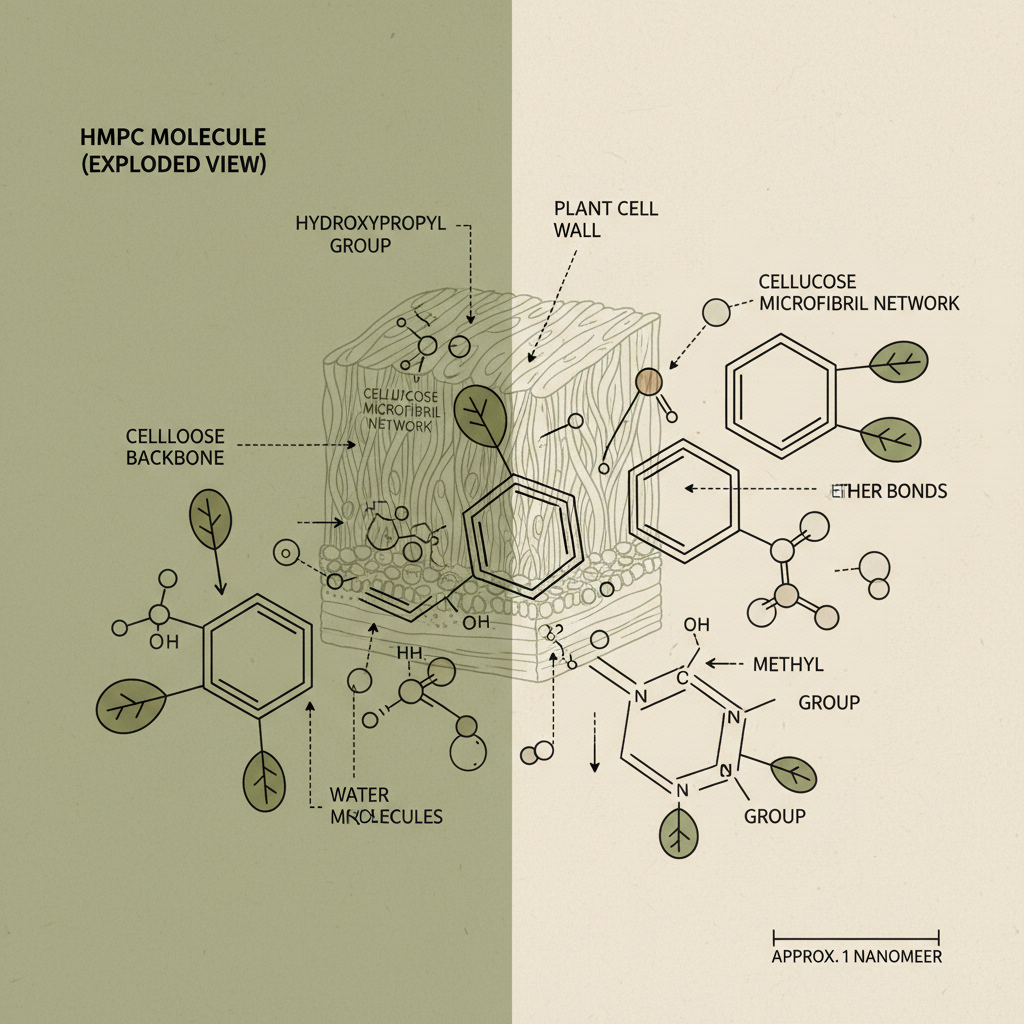
The hpmc ingredient, you see it everywhere now. It's in your concrete, your mortars, your tile adhesives. It's the stuff that holds everything together, quite literally. What it does, in simple terms, is control the water retention. Keeps things workable for longer, prevents rapid drying, and reduces cracking. It also improves the adhesion, which is critical in pre-fab where you're joining components together. It's not a glamorous material, but it's the backbone of a lot of what we do.
Different grades, too. Some are high viscosity, some low. Some are specifically designed for tile adhesives, others for concrete repair. You gotta pick the right one for the job. I encountered this at a factory in Foshan last time, they were using the wrong grade in their self-leveling underlayment and the whole thing was crumbling. Cost them a fortune in rework.
And the quality varies wildly, which is a problem. You get what you pay for, as they say. Cheap hpmc ingredient will give you cheap results.
Material Science: Beyond Cement, Sand, and Gravel
We're moving beyond just relying on the basic building blocks. Think about it: cement production is a huge contributor to carbon emissions. So, there’s a push to find alternatives, or at least ways to reduce cement content. That’s where hpmc ingredient comes in – it allows you to use less cement while still achieving the same strength and durability. It modifies the rheology, basically how the material flows and behaves. Makes it easier to pump, easier to place, and less prone to segregation.
And it's not just about reducing cement. We're also seeing more interest in recycled aggregates, industrial byproducts, and bio-based materials. These often require additives like hpmc ingredient to compensate for their variability and ensure consistent performance. It's a delicate balancing act, getting the mix just right. You gotta understand the chemistry, the physics, and the practicalities of actually working with the stuff on a construction site.
It’s not all sunshine and roses, though. Some of these new materials can be more expensive, harder to source, or require specialized equipment. There's always a trade-off.
Real-World Testing and Performance Metrics for hpmc ingredient
Lab tests are fine, don’t get me wrong. We run slump tests, compressive strength tests, adhesion tests… you name it. But the real test is out on the job site, under real-world conditions. I've seen concrete mix designs that looked fantastic in the lab completely fail when exposed to direct sunlight and wind.
We do a lot of field testing, too. Mock-ups, trial runs, monitoring performance over time. We’ll pour a small section of wall, let it cure for a few weeks, then beat the heck out of it. Check for cracking, delamination, water penetration. It’s not pretty, but it's effective.
Performance Evaluation of Various hpmc ingredient Grades
User Behavior: How Builders Actually Utilize hpmc ingredient
You know, it's funny. We spec out all these fancy materials, write detailed instructions, and then the guys on-site just... do their own thing. They'll adjust the water ratio, add extra hpmc ingredient if they think it needs it, or even substitute materials if they can't get what they need. It's frustrating, but also kind of ingenious. They’re problem-solvers, at the end of the day.
I’ve seen guys use hpmc ingredient as a sort of “emergency fix” for cracking concrete. Not ideal, but it often works in a pinch.
Advantages and Limitations of hpmc ingredient Solutions
The advantages are pretty clear: improved workability, reduced cracking, better adhesion, increased durability. It's a game-changer for prefabrication, allowing us to build faster, more efficiently, and with higher quality. But there are drawbacks. It adds cost, for one. And it can make the mix more sensitive to temperature and humidity. You gotta be careful about storage and handling.
It also changes the setting time, which can be a problem if you're working on a tight schedule. You need to factor that in when planning your work. And, frankly, some guys just don’t like working with it. They’re used to the old ways, and they resist change.
It’s not a silver bullet, as I said.
Customization and Specialized Applications of hpmc ingredient
You can get hpmc ingredient with different properties to suit different applications. For example, if you're working with self-leveling compounds, you want a grade that provides high flowability and minimizes air entrainment. If you're making tile adhesives, you want something with strong adhesion and water resistance.
Last month, that small boss in Shenzhen who makes smart home devices insisted on changing the interface to , and the result was a complete mess. He wanted a specific hpmc ingredient to bind the plastic casing, something with a higher thermal resistance. We found a supplier, got it tested, and it worked... but it cost him three times as much as the standard stuff. He was happy, though. Said it gave his product a “premium feel”. People will pay for that, apparently.
We’re also seeing some interesting applications in 3D printing with concrete. Hpmc ingredient helps to control the flow of the material and prevent it from collapsing during printing.
Summary of hpmc ingredient Performance Characteristics
| Grade |
Viscosity |
Water Retention |
Application |
| A |
High |
Excellent |
Tile Adhesives |
| B |
Medium |
Good |
Concrete Repair |
| C |
Low |
Moderate |
Self-Leveling Compounds |
| D |
High |
Very Good |
Exterior Rendering |
| E |
Medium |
Average |
Mortar Mixes |
| F |
Low |
Poor |
General Purpose |
FAQS
Honestly? Not following the dosage instructions. People think a little extra will make things better, but it throws off the whole balance. Too much, and you get a gummy mess. Too little, and it won't work at all. It’s all about precision. And don’t store it in a humid environment – it’ll clump up and become useless.
That’s a tough one. It’s petroleum-based, so it’s not exactly “green”. But it allows us to reduce cement usage, which has a huge carbon footprint. So, it’s a trade-off. There’s a lot of research going into bio-based alternatives, but they’re not quite there yet in terms of performance and cost.
Heat is your enemy. High temperatures can cause it to degrade, reducing its effectiveness. That’s why it’s important to store it properly and avoid prolonged exposure to direct sunlight. And when you’re mixing it, make sure the water isn’t too hot. It can also affect the setting time of the concrete or mortar.
If stored properly – cool, dry place, sealed container – it can last for a couple of years, easily. But after that, you’ll start to see a decline in performance. The cellulose starts to break down, and it loses its thickening properties. It's best to use it fresh, if possible.
There are some alternatives, like guar gum or starch ethers. But they don’t always provide the same performance characteristics. Guar gum, for example, can be affected by pH levels. Starch ethers don't have the same water retention properties. It depends on the specific application. Often, it’s better to just stick with hpmc ingredient.
Read the technical data sheet! Seriously. It'll tell you everything you need to know about viscosity, water retention, compatibility with other materials, and recommended dosage rates. And if you’re still unsure, ask the supplier. They should be able to provide guidance based on your specific application.
Conclusion
So, there you have it. hpmc ingredient isn’t glamorous, but it’s essential. It’s the silent workhorse of modern construction, enabling us to build better, faster, and more efficiently. It’s about understanding the material, knowing its limitations, and using it correctly. It’s not just about the chemistry; it’s about the practicalities of working with it on a busy construction site.
Ultimately, whether this thing works or not, the worker will know the moment he tightens the screw. If it feels right, looks right, and holds right, then it’s good. If not… well, then you’ve got a problem. And that's where we start all over again. You can learn more at cnjzchemical.com.