To be honest, these days everyone’s talking about prefabrication. It’s the buzzword, right? Modular construction, everything’s gotta be off-site, faster, cheaper… I've seen a lot of attempts, and let me tell you, it’s not always as smooth as the presentations make it out to be. You get these architects, brilliant designers, never stepped foot on a construction site in their life, thinking they can just slap something together and it'll magically hold. They forget about the realities of… well, everything.
Have you noticed how obsessed everyone is with materials? New polymers, composites, graphene-infused everything. It’s exhausting. I just want something that works, reliably. I spend enough time dealing with things that don’t work. It's funny, the stuff that lasts is often the stuff that's been around for ages.
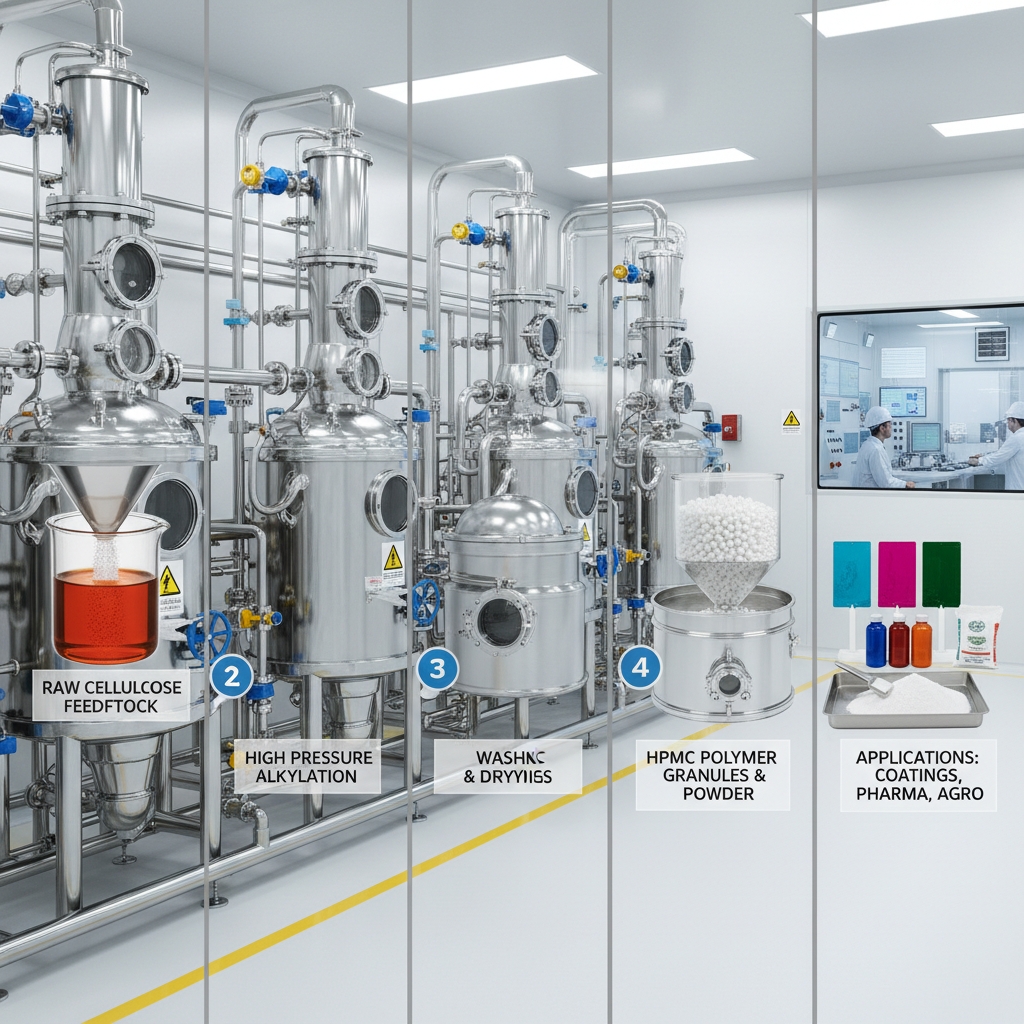
The hpmc manufacturers thing, though… that’s a bit different. We're talking about cellulose ethers, mostly. Feels a bit like chalk dust, smells…well, faintly chemical, honestly. Not a pleasant smell, but you get used to it. Handling it, you need to be careful, it gets airborne easy, and you don't want to be breathing that in all day. Anyway, it’s crucial for a lot of things – tile adhesives, cement-based plasters, self-leveling compounds… basically, anything that needs to hold its shape and stay consistent.
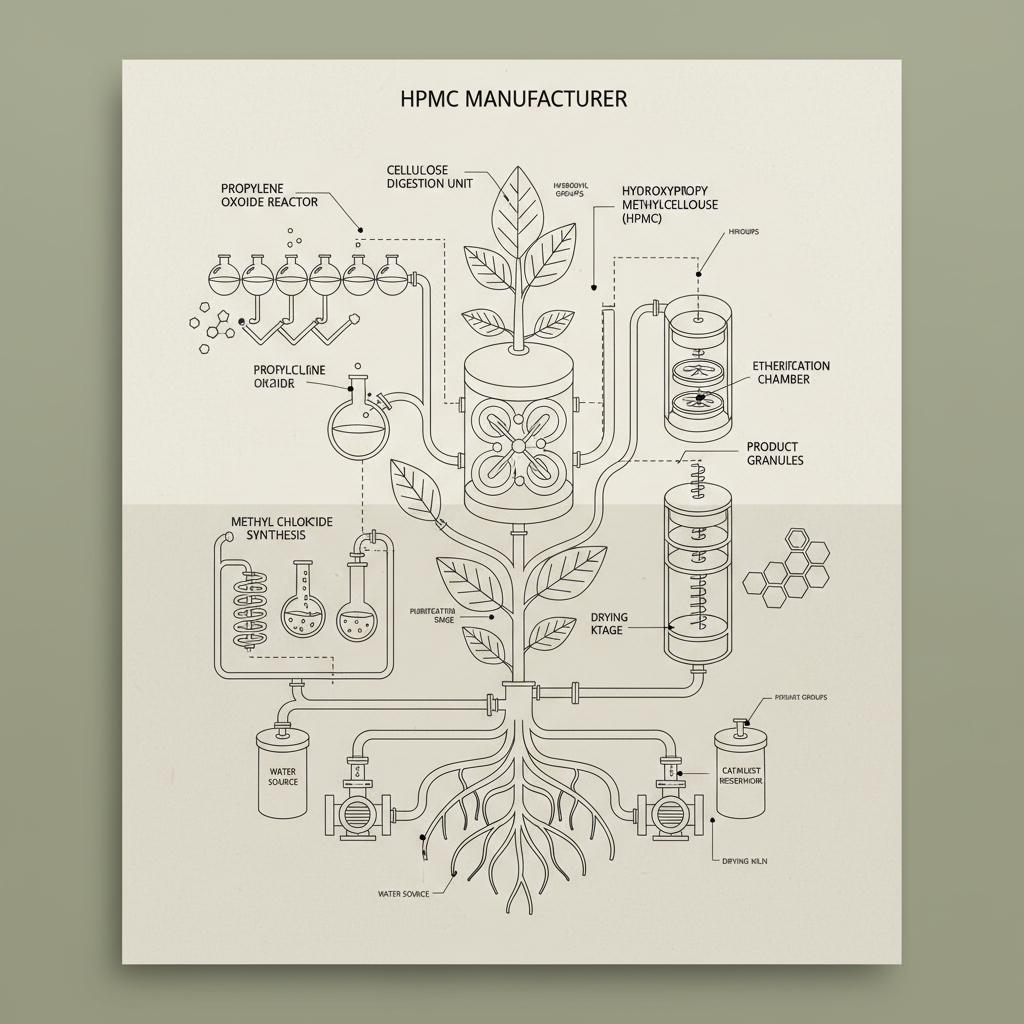
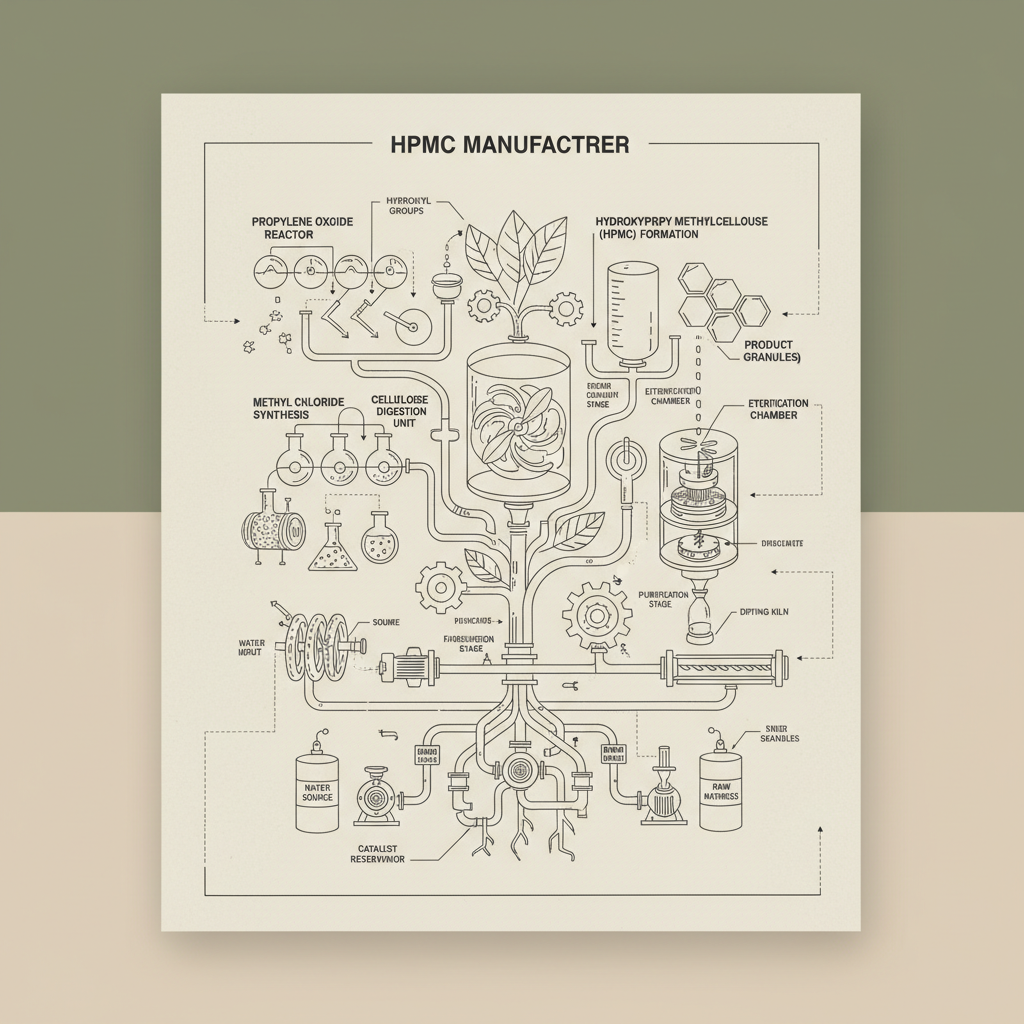
Strangely enough, I’m seeing a push for higher and higher viscosity modifiers. People want thicker mixes, easier to apply. Which sounds great on paper… but then you get these guys trying to pump it through tiny hoses. It just clogs. Always clogs. I encountered this at a factory in Foshan last time, they’d designed a whole automated system around a super-thick adhesive, and it just ground to a halt.
The biggest pitfall? Underestimating the water demand. HPMC manufacturers affects the workability, you know. You add too much, it slumps. Too little, it's unspreadable. It’s a delicate balance, and it’s rarely accounted for properly in the initial designs. They just rely on the data sheets, which... well, let's just say those are optimistic.
Generally, unopened HPMC powder can last for several years, typically around 2-3 years, if stored correctly – meaning cool, dry, and sealed. However, its performance can degrade over time, especially if exposed to moisture. Always check for lumps or changes in texture before use. We recommend first-in, first-out inventory management to minimize waste.
HPMC slows down the drying time by retaining water within the mix. This is a key benefit, as it prevents rapid surface drying and cracking. However, too much HPMC can actually increase drying time excessively, so finding the right balance is crucial. It depends on the climate and the specific application, honestly.
It’s a grey area. HPMC is derived from cellulose, a natural polymer found in plants, so it’s technically renewable. However, the manufacturing process isn’t entirely green, and disposal can be an issue. It’s better than some alternatives, but it’s not a perfect solution. We're seeing more bio-based HPMC options emerging, which are more sustainable.
You’ll get a very sticky, difficult-to-work-with mix. It might slump easily, have reduced strength, and take a long time to dry. Depending on how much you added, you might be able to salvage it by adding more cement and water, but it’s often easier to just start over. Trust me, I’ve been there. It's not fun.
Generally, yes, but it’s best to test compatibility first. Some cements react differently with HPMC. Portland cement is the most common, and it usually works well. But with specialized cements, like sulfate-resistant cement, you need to be careful. It's always a good idea to run a small trial batch before scaling up.
Different grades have varying viscosity levels, particle sizes, and substitution patterns. Viscosity affects the workability of the mix, particle size impacts dissolution rate, and substitution patterns influence water retention and adhesion. Choosing the right grade depends on the specific application and desired properties. It's a bit of a rabbit hole, honestly.
Ultimately, hpmc manufacturers is a versatile additive that can significantly improve the performance of cement-based materials. From enhancing workability to increasing water retention, it offers a lot of benefits. But it's not a silver bullet. Understanding its limitations, testing thoroughly, and choosing the right grade are crucial for success.
And let’s be real, whether this thing works or not, the worker will know the moment he tightens the screw. He'll feel it, see it, and if it's wrong, he'll be the first one to tell you. That’s the final test, and it's the only one that really matters. Visit our website at cnjzchemical.com for more information.