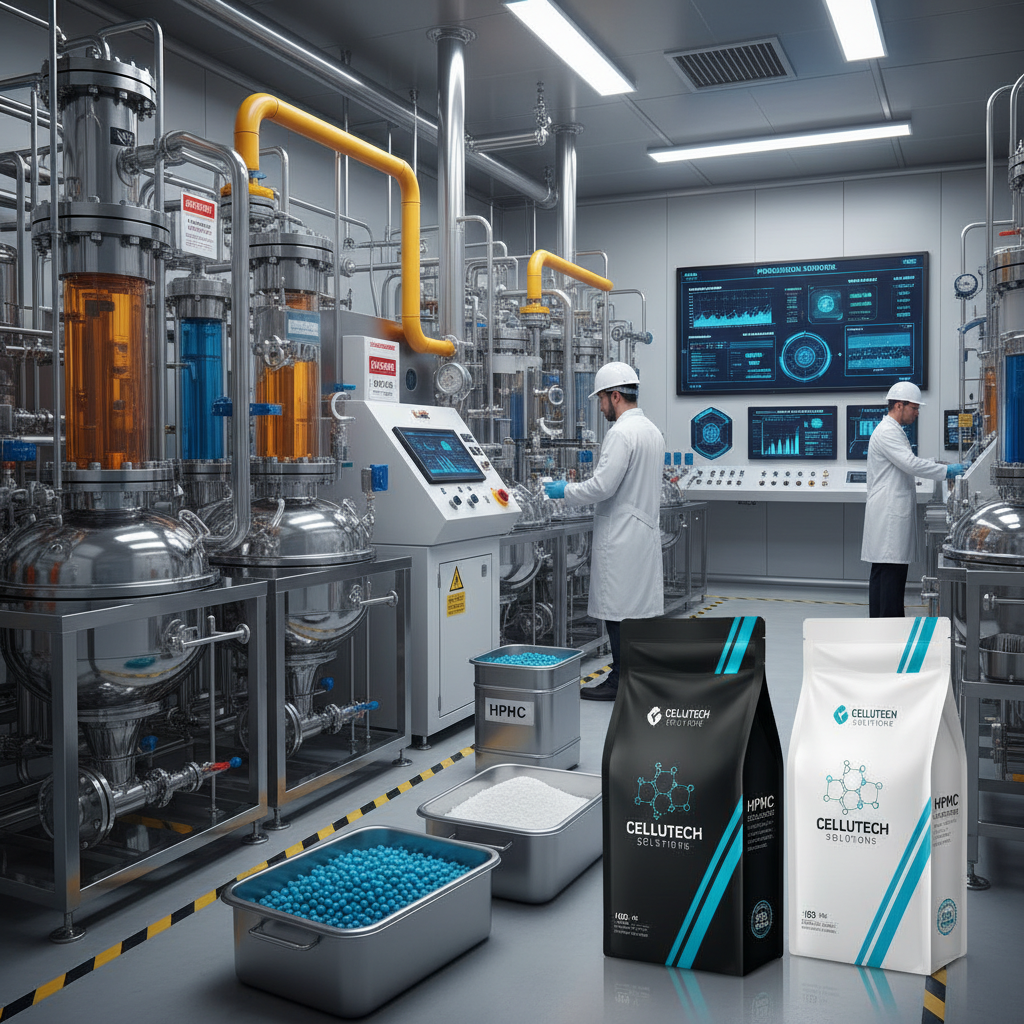
The global detergent industry relies heavily on polymers to enhance performance, and Hydroxypropyl Methylcellulose (HPMC) is increasingly vital. HPMC for detergent acts as a thickener, stabilizer, and anti-redeposition agent, improving cleaning power and product consistency. Understanding its properties and applications is crucial for detergent manufacturers seeking to optimize formulations and meet evolving consumer demands, particularly regarding sustainability and efficiency.
The demand for high-performing and environmentally conscious detergents is surging globally, driven by growing populations, rising hygiene standards, and increasing environmental awareness. HPMC for detergent addresses these needs by enabling formulations that require less water, reduce chemical usage, and deliver superior cleaning results. Its versatility makes it applicable to a wide spectrum of detergent types, from laundry powders and liquids to dishwashing solutions and industrial cleaners.
Effectively utilizing HPMC in detergent formulations translates to significant benefits for manufacturers, including improved product stability, enhanced consumer experience, and a reduced environmental footprint. This has resulted in increased research and development, as well as greater adoption of HPMC across various regions and detergent segments, solidifying its position as a key ingredient in modern cleaning products.
Introduction to hpmc for detergent
HPMC, or Hydroxypropyl Methylcellulose, is a versatile cellulose ether derivative gaining prominence as a key additive in modern detergent formulations. Its ability to modify viscosity, enhance suspension of particulate matter, and prevent redeposition of soil makes it invaluable for improving detergent performance across various applications.
The integration of HPMC into detergents isn’t merely about enhanced cleaning; it's about formulating products that are more sustainable and user-friendly. By contributing to reduced water usage and improved ingredient efficiency, hpmc for detergent aligns with growing environmental concerns and consumer preferences.
Global Relevance of hpmc for Detergent
The global detergent market is a multi-billion dollar industry, projected to continue growing alongside population increases and rising hygiene standards. According to data from Statista, the global detergent market size was valued at approximately USD 190 billion in 2023 and is expected to reach USD 225 billion by 2028. This growth is particularly pronounced in emerging economies, where access to effective cleaning solutions is expanding.
A significant challenge within the industry is balancing cleaning efficacy with environmental sustainability. Traditional detergents often contain harsh chemicals that contribute to water pollution and ecosystem damage. HPMC for detergent offers a viable solution by enabling formulations that require lower concentrations of these harsh chemicals, minimizing environmental impact while maintaining cleaning power.
International standards organizations, such as ISO, are increasingly emphasizing the importance of sustainable formulations and reducing the environmental footprint of consumer products. HPMC’s biodegradability and ability to facilitate eco-friendly detergent production positions it as a crucial component for meeting these evolving standards and regulations.
Defining hpmc for Detergent
HPMC for detergent is a water-soluble polymer derived from cellulose, a natural component of plant cell walls. Through a chemical modification process, cellulose is converted into HPMC, resulting in a white, odorless, and tasteless powder. Its unique structure imparts several desirable properties, making it a versatile ingredient in numerous industries, including pharmaceuticals, food, and, crucially, detergents.
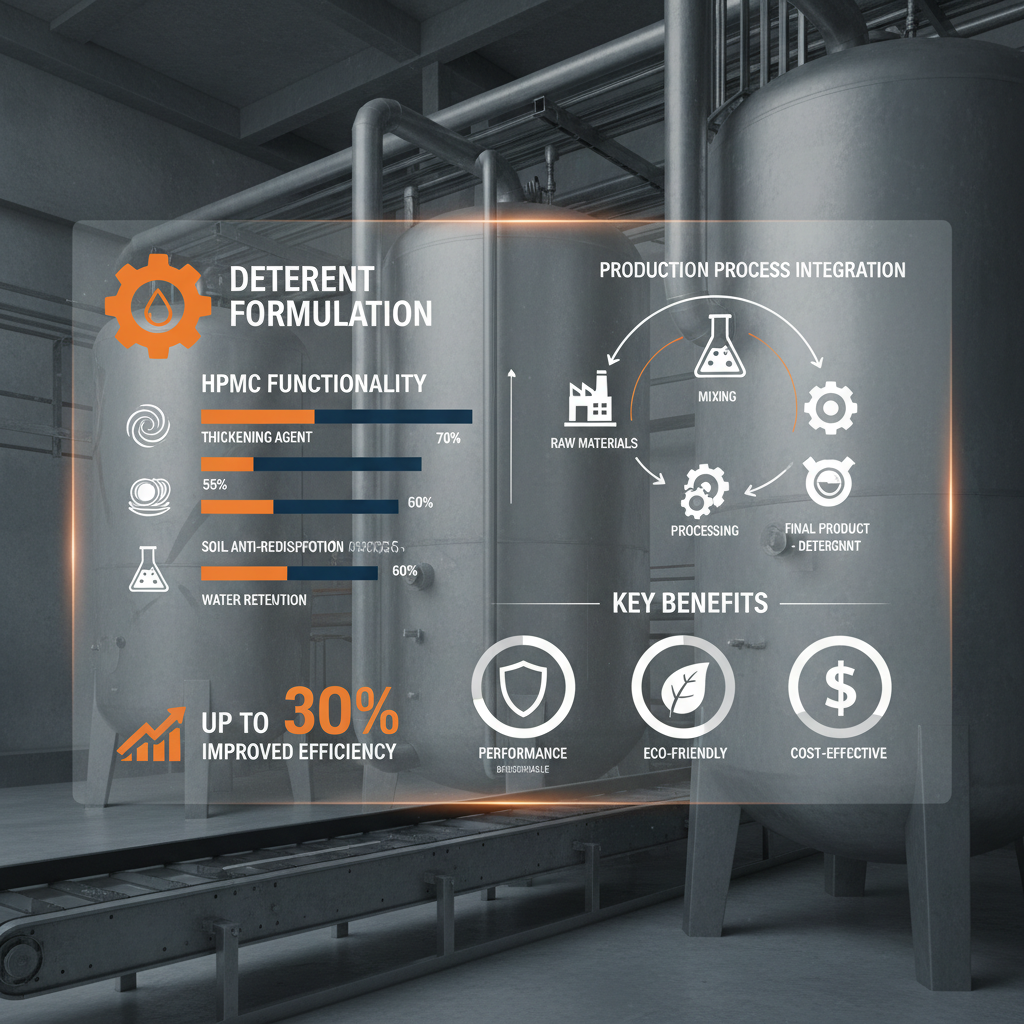
In the context of detergents, HPMC primarily functions as a rheology modifier, controlling the flow and viscosity of the liquid or powder formulation. It also acts as a stabilizer, preventing separation of ingredients and ensuring consistent product performance. Additionally, its anti-redeposition properties prevent soil and dirt from resettling onto cleaned surfaces, enhancing the overall cleaning effect.
The connection to modern industry and humanitarian needs lies in its ability to create effective, stable, and often more sustainable cleaning solutions. In disaster relief efforts, for example, concentrated HPMC-containing detergent formulations can be easily transported and reconstituted with water, providing essential hygiene supplies in challenging conditions.
Core Properties of hpmc for Detergent
The effectiveness of hpmc for detergent hinges on several key properties. Firstly, its viscosity control allows manufacturers to tailor the texture and dispensing characteristics of their products. This is vital for both liquid and powder detergents. Secondly, thermal stability ensures the HPMC remains effective across a wide range of temperatures encountered during storage, transportation, and use.
Another crucial property is surface activity. HPMC reduces surface tension, enhancing the wetting ability of the detergent solution and improving its penetration into fabrics and soils. This contributes directly to improved cleaning performance. Furthermore, compatibility with other ingredients is essential – HPMC readily integrates with various surfactants, builders, and enzymes commonly used in detergent formulations without causing instability or separation.
Performance Characteristics of hpmc for detergent in Different Formulations
Applications of hpmc for Detergent Worldwide
HPMC finds extensive use in liquid laundry detergents, enhancing viscosity and preventing settling of solid particles. In powder detergents, it improves flowability and reduces dust formation. Its anti-redeposition capabilities are particularly valuable in heavy-duty laundry detergents designed for removing stubborn stains.
Across Europe, stringent environmental regulations drive demand for eco-friendly detergents, leading to increased adoption of HPMC to reduce reliance on phosphates and other harmful chemicals. In North America, HPMC is widely used in dishwashing detergents to prevent spotting and filming. In Asia-Pacific, particularly in rapidly developing countries like China and India, growing consumer awareness of hygiene and cleanliness is fueling demand for detergents containing HPMC.
Advantages of Utilizing hpmc for Detergent
One of the most significant advantages of using hpmc for detergent is its cost-effectiveness. Compared to some alternative polymers, HPMC offers comparable performance at a lower price point, allowing manufacturers to reduce production costs without sacrificing quality. Furthermore, its biodegradability contributes to a reduced environmental impact, appealing to environmentally conscious consumers.
Beyond cost and sustainability, hpmc for detergent enhances product stability and shelf life. This is crucial for maintaining product quality and ensuring consistent performance over time. Improved product aesthetics, like smooth texture and ease of dispensing, also contribute to enhanced consumer satisfaction and brand loyalty.
Future Trends in hpmc for Detergent
Ongoing research focuses on developing modified HPMC derivatives with enhanced performance characteristics, such as improved thermal stability and increased compatibility with specific detergent ingredients. The integration of nanotechnology to encapsulate HPMC and enhance its delivery within detergent formulations is also an area of active exploration.
The trend towards concentrated detergent formulations is expected to drive further demand for HPMC, as it plays a crucial role in maintaining viscosity and stability in highly concentrated products. Moreover, the rise of “green chemistry” and sustainable manufacturing practices will likely accelerate the adoption of HPMC as a key ingredient in eco-friendly detergents.
Digitalization and automation in detergent manufacturing processes will also influence the use of HPMC. Precise control over polymer addition and mixing is becoming increasingly important, and HPMC’s consistent properties make it well-suited for automated production lines.
Challenges and Solutions in hpmc for Detergent Application
One challenge is ensuring consistent HPMC quality and purity. Variations in raw material sources or manufacturing processes can impact performance. Rigorous quality control measures and sourcing from reputable suppliers are crucial for mitigating this risk. Another concern is the potential for HPMC to interact negatively with certain enzymes or bleaching agents commonly used in detergents.
Formulation adjustments and careful selection of compatible ingredients can overcome these interactions. Using HPMC grades specifically designed for detergent applications, which have undergone compatibility testing, is also recommended. Furthermore, optimizing the concentration of HPMC used in formulations is essential to achieve the desired performance characteristics without compromising stability.
Finally, the cost of HPMC, while generally competitive, can fluctuate based on market conditions. Manufacturers can address this by exploring long-term supply contracts with suppliers and optimizing their formulation strategies to minimize HPMC usage without sacrificing performance.
Summary of Challenges and Solutions in hpmc for Detergent Application
| Challenge |
Impact on Detergent Performance |
Proposed Solution |
Implementation Difficulty (1-5, 5 being hardest) |
| Inconsistent HPMC Quality |
Variable viscosity, reduced stability |
Supplier qualification, rigorous QC |
2 |
| Enzyme/Bleach Incompatibility |
Loss of enzyme activity, reduced bleaching effect |
Formulation adjustment, grade selection |
3 |
| Suboptimal HPMC Concentration |
Insufficient viscosity control, instability |
Optimization studies, rheological analysis |
2 |
| Fluctuating HPMC Cost |
Increased production costs, reduced margins |
Long-term contracts, formulation adjustments |
4 |
| Dispersion Challenges |
Lumping, uneven distribution |
Optimized mixing parameters, pre-dispersion techniques |
3 |
| Potential for Microbial Growth |
Product spoilage, reduced shelf life |
Preservative addition, optimized storage conditions |
2 |
FAQS
The primary function of HPMC in liquid laundry detergents is to act as a rheology modifier, increasing viscosity and improving the overall texture of the formulation. This helps prevent separation of ingredients, ensures consistent dispensing, and enhances the consumer experience. It also contributes to suspension of solid particles, preventing them from settling at the bottom of the bottle.
Yes, HPMC is generally considered biodegradable under appropriate conditions, making it a suitable ingredient for eco-friendly detergent formulations. While the rate of biodegradation can vary depending on environmental factors, it is significantly more biodegradable than many synthetic polymers used in detergents. This aligns with the growing consumer demand for sustainable cleaning products.
The optimal concentration of HPMC varies depending on the specific detergent formulation and desired properties. However, a typical range is between 0.1% to 1.0% by weight. Lower concentrations are used for viscosity modification, while higher concentrations are employed for enhanced suspension or anti-redeposition effects. Careful optimization is crucial to achieve the desired performance without compromising stability.
Yes, HPMC is versatile and can be effectively used in both powder and liquid detergent formulations. In powder detergents, it improves flowability and reduces dust formation, while in liquid detergents, it enhances viscosity and prevents ingredient separation. Different grades of HPMC may be preferred for each application based on solubility and performance requirements.
HPMC can potentially interact with certain enzymes or bleaching agents, reducing their effectiveness. Careful selection of compatible ingredients and formulation adjustments are necessary to avoid these issues. Using HPMC grades specifically designed for detergent applications, which have undergone compatibility testing, is also recommended.
You can source high-quality HPMC for detergent from reputable chemical suppliers specializing in cellulose ethers. We, CNJZ Chemical, are a leading manufacturer and supplier of HPMC for a wide range of applications, including detergents. We offer consistent quality, competitive pricing, and technical support to ensure optimal performance in your formulations.
Conclusion
In conclusion, HPMC for detergent represents a significant advancement in detergent technology, offering a unique combination of performance enhancements, sustainability benefits, and cost-effectiveness. Its ability to modify viscosity, prevent redeposition, and improve formulation stability makes it an invaluable ingredient for manufacturers seeking to meet evolving consumer demands and environmental regulations. Understanding its properties and applications is crucial for formulating effective and eco-friendly cleaning solutions.
Looking ahead, continued research and innovation in HPMC technology will likely unlock even greater potential for its use in detergents. The ongoing trend towards sustainable chemistry and concentrated formulations will further drive demand for this versatile polymer. For manufacturers seeking to enhance their products and reduce their environmental footprint, exploring the benefits of HPMC for detergent is a strategic imperative. Visit our website at www.cnjzchemical.com to learn more about our HPMC offerings and how we can help you optimize your detergent formulations.