Hydroxypropyl methylcellulose (HPMC) is a versatile polymer increasingly crucial in the production of gypsum-based materials. Its addition significantly enhances the workability, water retention, adhesion, and overall performance of gypsum plasters, renders, and boards. Globally, the demand for high-quality building materials is soaring, driven by rapid urbanization and infrastructure development, particularly in emerging economies. This demand necessitates innovative solutions like HPMC to optimize gypsum’s properties, ensuring durability and sustainability. Understanding the application of hpmc for gypsum is therefore essential for professionals in construction, material science, and related fields.
The construction industry faces constant pressure to improve efficiency, reduce environmental impact, and enhance product quality. Traditional gypsum products can be susceptible to cracking, poor adhesion, and rapid setting, hindering construction processes. hpmc for gypsum addresses these challenges by acting as a water-retaining agent, a thickener, and a binder, improving the consistency and strength of gypsum mixtures. The impact is seen in faster application, reduced material waste, and enhanced long-term performance, contributing to more sustainable and cost-effective building practices.
The increasing adoption of green building practices and stringent building codes further fuels the need for HPMC additives. By improving gypsum’s properties, HPMC contributes to the creation of more energy-efficient and environmentally friendly structures, aligning with global sustainability goals. Its ability to control setting time and improve workability makes it a vital component in modern gypsum-based construction materials.
Introduction to hpmc for gypsum
HPMC’s role in improving gypsum-based products extends beyond mere workability; it directly impacts the sustainability and longevity of structures. By reducing cracking and improving adhesion, hpmc for gypsum minimizes the need for repairs and replacements, leading to reduced material consumption and waste. This contributes to a more circular economy within the construction industry.
The integration of HPMC in gypsum formulations also allows for the development of specialized products tailored to specific applications, such as high-strength plasters for intricate architectural designs or lightweight gypsum boards for energy-efficient construction. This adaptability positions HPMC as a key enabler of innovation in the building materials sector.
Defining HPMC for Gypsum
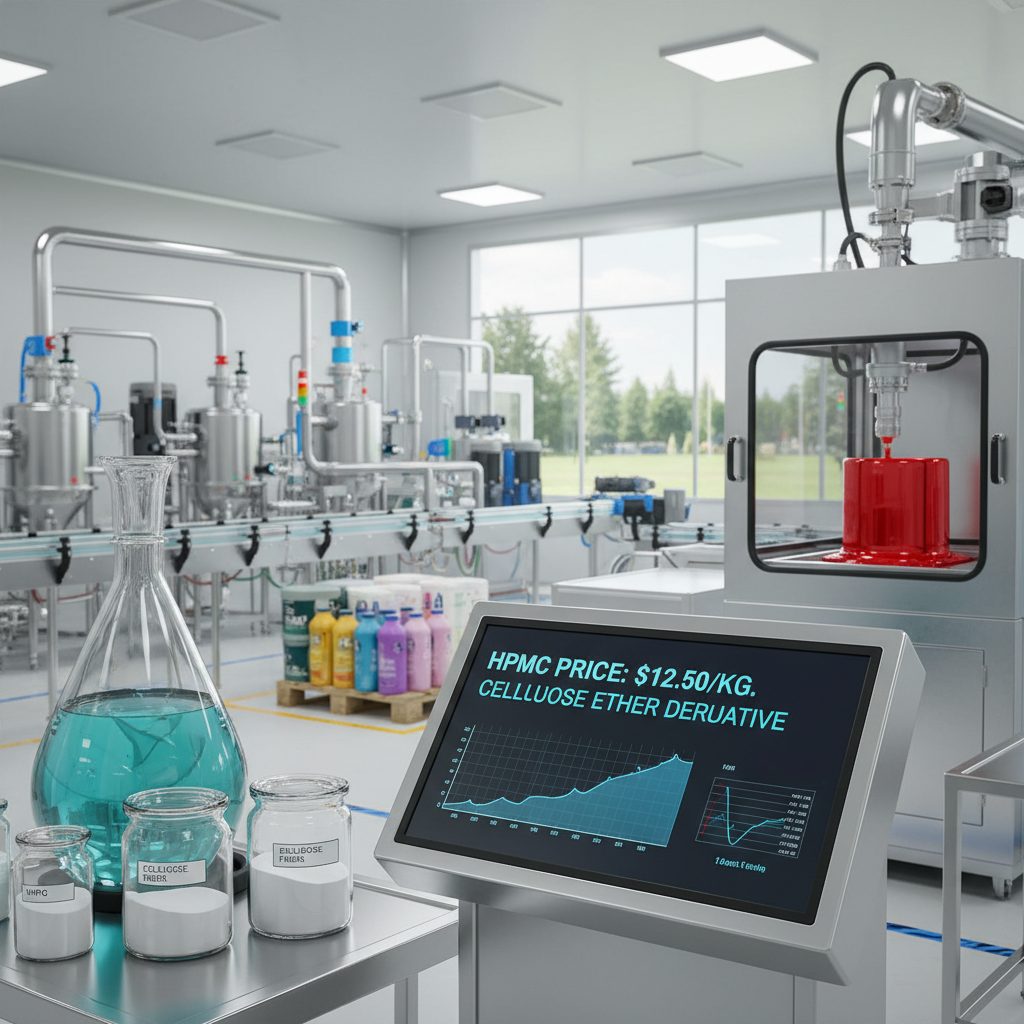
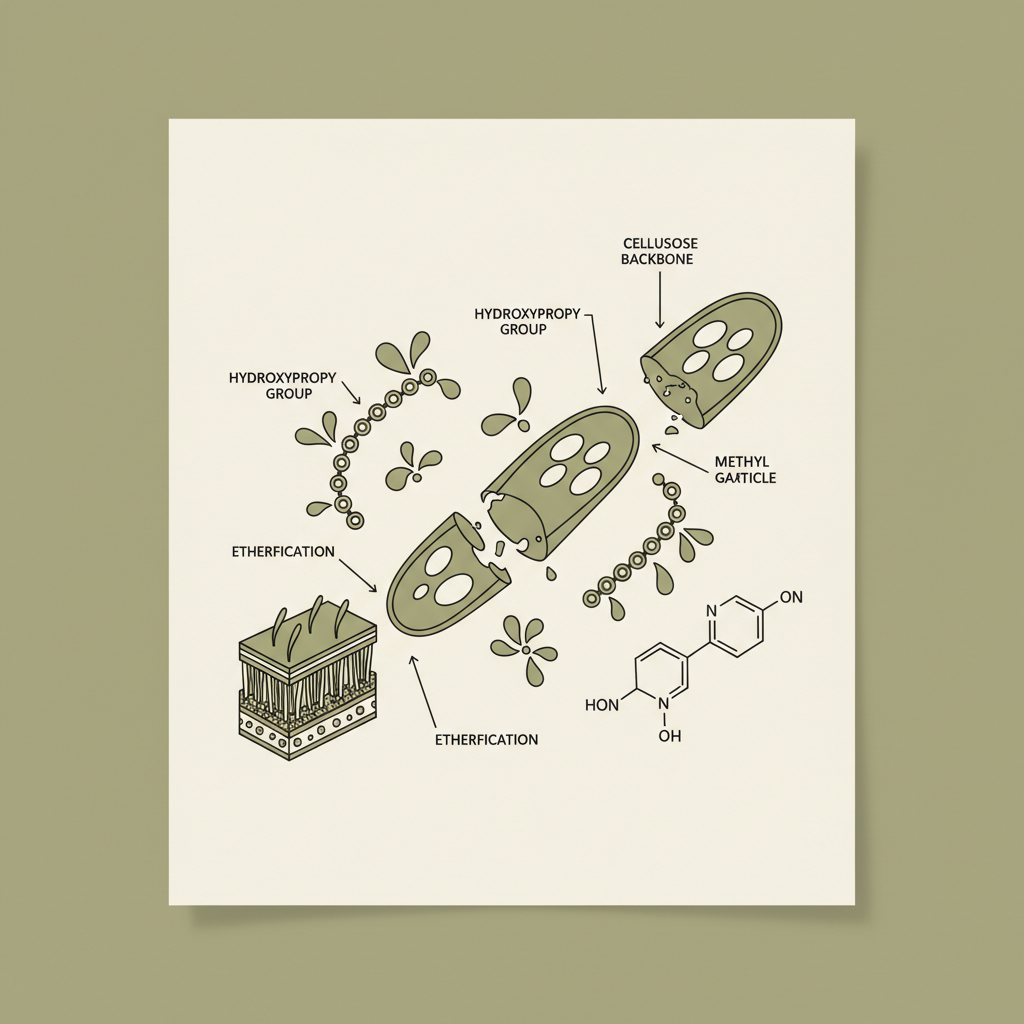
Hydroxypropyl methylcellulose (HPMC) is a cellulose ether derivative produced by chemically modifying cellulose. In the context of gypsum, it functions as a crucial additive that modifies the rheological properties of the gypsum slurry. This means it alters how easily the mixture flows and how well it retains water. It’s not a component of gypsum itself, but a performance enhancer added during the mixing process.
The connection to modern industry lies in the increasing demand for high-performing, sustainable building materials. HPMC allows gypsum, a naturally occurring mineral, to be utilized more effectively, reducing reliance on more energy-intensive materials like cement. It’s vital in meeting building codes related to fire resistance, thermal insulation, and acoustic performance, making it critical for modern construction practices.
Essentially, hpmc for gypsum transforms gypsum from a relatively brittle and fast-setting material into a more versatile and durable building component. This allows for wider application across a broad range of construction projects, from residential buildings to large-scale infrastructure developments.
Key Properties of HPMC in Gypsum Applications
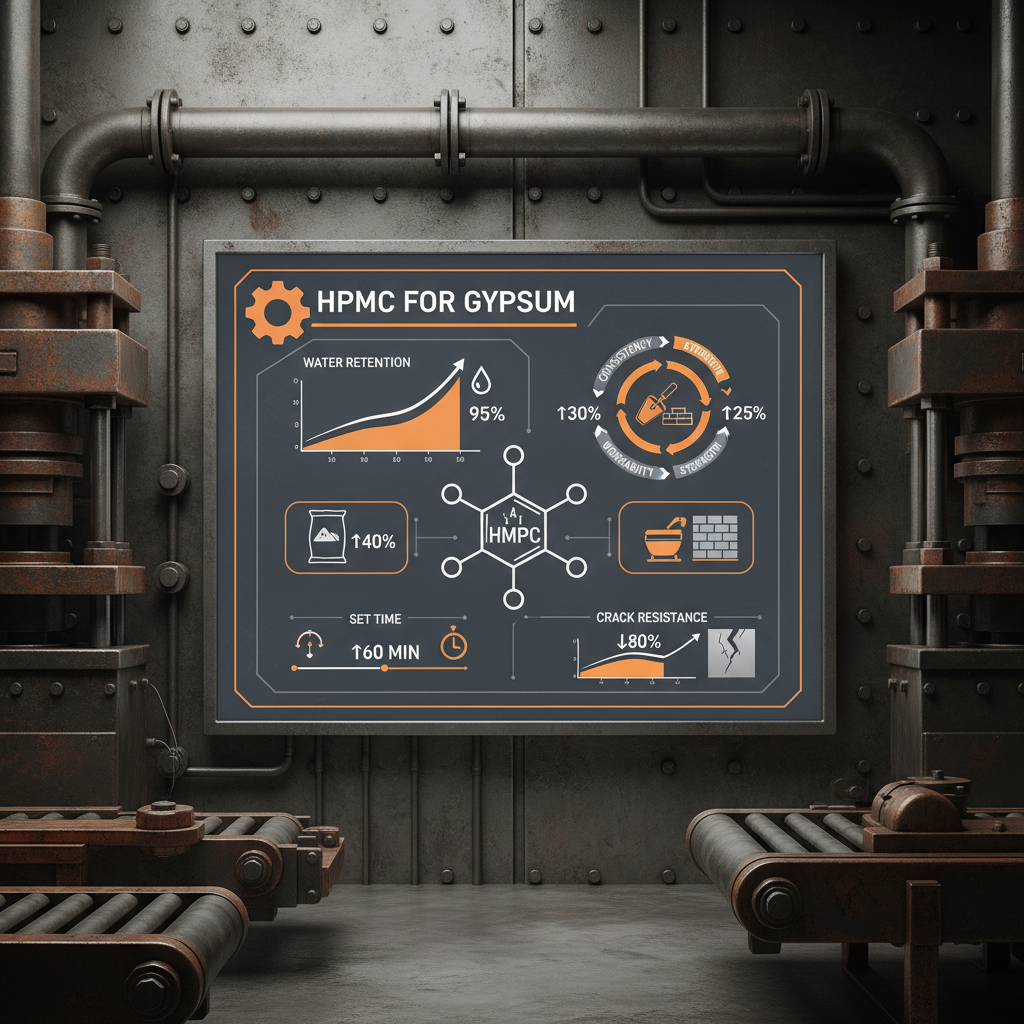
The key properties of HPMC that make it valuable in gypsum applications include its high water retention, thickening ability, adhesion promotion, and compatibility with gypsum. Water retention is critical, as it allows the gypsum to hydrate properly, leading to stronger and more durable finished products.
Thickening ability provides improved workability and prevents segregation of the gypsum mixture, making it easier to apply and finish. Adhesion promotion ensures a strong bond between the gypsum and the substrate, reducing the risk of cracking and delamination. Compatibility ensures it doesn’t negatively interact with other gypsum additives.
Different grades of HPMC, varying in viscosity and substitution degree, offer tailored performance for specific gypsum applications. Selecting the appropriate grade is crucial to achieve optimal results, based on factors like desired setting time, workability, and final product strength. hpmc for gypsum offers a range of solutions for diverse construction needs.
Benefits of Using hpmc for gypsum
Using hpmc for gypsum results in significant improvements in gypsum product performance. These include increased open time, allowing for easier application and finishing, particularly in larger areas. Reduced cracking and shrinkage minimize the need for costly repairs and enhance the longevity of structures.
Furthermore, HPMC contributes to enhanced adhesion, resulting in a stronger bond between the gypsum and various substrates. This translates to improved durability and resistance to impact and weathering. This makes structures more resilient and reduces the frequency of maintenance interventions.
Comparative Benefits of Different hpmc for gypsum Grades
Global Applications of hpmc for gypsum
hpmc for gypsum finds widespread use in various construction applications globally. These include gypsum plasters for interior wall finishing, gypsum-based renders for exterior facades, and gypsum boards used for drywall construction. The use is particularly prominent in regions with a high rate of construction activity, such as Asia-Pacific, the Middle East, and North America.
In post-disaster relief operations, lightweight and easily repairable gypsum boards incorporating HPMC are increasingly employed for rapid shelter construction. In remote industrial zones, the extended workability offered by HPMC-modified gypsum enables efficient construction even under challenging environmental conditions.
Long-Term Value and Advantages
The long-term value of using hpmc for gypsum lies in its ability to enhance the durability and sustainability of buildings. Reduced maintenance requirements translate to lower lifecycle costs and increased property value. Environmentally, the reduced material consumption and waste generation contribute to a smaller carbon footprint.
Beyond the tangible benefits, HPMC also offers peace of mind and trust. Knowing that structures are built with materials that perform reliably and withstand the test of time provides a sense of safety and security for occupants. This contributes to a positive perception of the building and enhances its overall appeal.
The inherent flexibility and ease of application also save labor costs and time on projects, creating a financially attractive option. Furthermore, the superior finish quality achieved with HPMC-modified gypsum improves aesthetics and enhances the overall value of the building project.
Future Trends and Innovations
Future trends in the field of HPMC for gypsum include the development of bio-based HPMC alternatives sourced from renewable resources, reducing reliance on fossil fuels. Research is also focused on optimizing HPMC formulations to further enhance water retention, workability, and adhesion, tailoring performance to specific gypsum applications.
Digital transformation is playing a role, with advanced monitoring and control systems being implemented during gypsum production to ensure consistent HPMC dosage and optimal mixing. Automation and robotics are also being explored to improve efficiency and reduce labor costs in gypsum-based construction projects.
The integration of smart materials and nanotechnology into HPMC-modified gypsum is another emerging trend, offering the potential for self-healing properties and enhanced performance characteristics. These innovations promise to revolutionize the construction industry and create more sustainable and resilient built environments.
Analysis of Current Challenges and Potential Solutions in hpmc for gypsum Application
| Challenge Area |
Impact on hpmc for gypsum Performance |
Potential Solution |
Implementation Difficulty (1-10) |
| HPMC Dosage Control |
Inconsistent performance, potential for over/under addition. |
Automated dosing systems with real-time monitoring. |
6 |
| HPMC Grade Selection |
Suboptimal performance for specific gypsum types. |
Development of a comprehensive grade selection guide. |
4 |
| Compatibility with other Additives |
Potential for adverse reactions, reduced effectiveness. |
Thorough compatibility testing prior to formulation. |
5 |
| HPMC Dispersion |
Clumping, uneven distribution, reduced performance. |
Optimized mixing procedures and dispersants. |
3 |
| Cost of HPMC |
Impact on overall project budget. |
Exploring alternative cellulose ethers or optimized dosage rates. |
7 |
| Environmental Concerns |
Sustainability of HPMC production. |
Sourcing bio-based HPMC alternatives. |
8 |
FAQS
Adding HPMC to gypsum plaster significantly enhances its workability, water retention, and adhesion. This results in easier application, reduced cracking, and a stronger, more durable finish. It also extends the open time, allowing for more intricate designs and less wasted material. hpmc for gypsum ensures a higher quality and more reliable result.
HPMC generally slows down the setting time of gypsum, providing more time for application and finishing. However, the extent of this effect depends on the grade and dosage of HPMC used. This controlled setting time is crucial for larger projects and complex designs, preventing premature hardening and ensuring a smooth, consistent finish. hpmc for gypsum offers a range of grades to cater to various setting time requirements.
While HPMC is generally compatible with most types of gypsum, it’s essential to perform compatibility testing to ensure optimal performance. Different gypsum formulations may require specific HPMC grades and dosages. Factors like the type of gypsum (alpha, beta, or delta) and the presence of other additives can influence compatibility.
The recommended dosage of HPMC varies depending on the desired properties of the gypsum mixture, the type of gypsum used, and the specific HPMC grade. Typically, dosages range from 0.5% to 2% by weight of gypsum. It's crucial to follow the manufacturer's guidelines and conduct trials to determine the optimal dosage for your specific application. hpmc for gypsum provides guidance on appropriate dosage levels for different scenarios.
Traditionally, HPMC is derived from cellulose, a renewable resource. However, the production process can have environmental impacts. The trend is shifting towards using bio-based HPMC alternatives sourced from sustainably managed forests to minimize the environmental footprint. Choosing a reputable supplier committed to sustainable practices is crucial.
HPMC enhances the durability and longevity of gypsum products, reducing the need for frequent repairs and replacements. This minimizes material consumption and waste generation, contributing to a lower carbon footprint. Furthermore, by improving the workability of gypsum, HPMC can reduce material waste during application.
Conclusion
In conclusion, hpmc for gypsum is a critical additive that significantly enhances the performance, durability, and sustainability of gypsum-based materials. Its ability to improve workability, water retention, adhesion, and setting time makes it an indispensable component in modern construction practices, addressing key challenges in the building industry and contributing to more efficient and resilient structures.
Looking ahead, continued innovation in HPMC technology, particularly the development of bio-based alternatives and optimized formulations, will further enhance its environmental profile and expand its applications. We encourage you to explore our range of HPMC products designed specifically for gypsum applications and discover how we can help you achieve superior results. Visit our website at www.cnjzchemical.com to learn more.