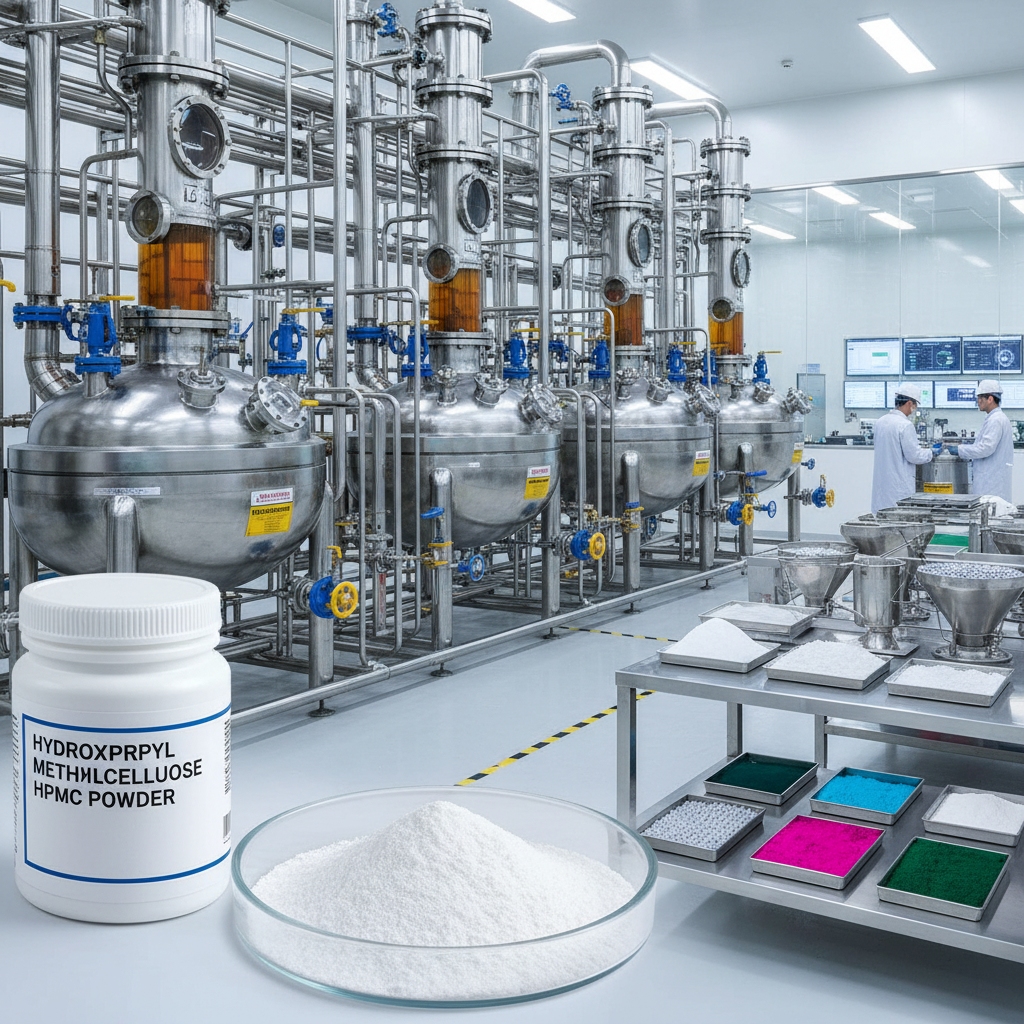
Hydroxypropyl methylcellulose (HPMC) is a versatile polymer gaining prominence as a crucial additive in modern tile adhesives. Its ability to modify rheology, enhance workability, and improve adhesion characteristics makes it indispensable for achieving durable and long-lasting tile installations. Understanding the nuances of hpmc for tile adhesive is paramount for construction professionals seeking optimal performance and longevity in their projects, particularly in demanding environments.
The global construction industry is experiencing rapid growth, fueled by urbanization and infrastructure development, particularly in emerging economies. This growth necessitates the widespread use of high-performance tile adhesives capable of withstanding diverse climatic conditions and substrate challenges. HPMC addresses these needs by offering enhanced water retention, improved sag resistance, and superior bond strength, contributing significantly to project efficiency and reduced maintenance costs. According to the UN, global construction output is projected to reach $18.5 trillion by 2030, highlighting the increasing demand for advanced materials like hpmc for tile adhesive.
Tile adhesive, fundamentally, requires specific properties to ensure proper adhesion and prevent failures. HPMC functions as a vital component, acting as a thickener, water retainer, and adhesion promoter. This ensures the adhesive maintains its workability for a longer duration, allowing for proper tile placement, and forms a robust bond with both the tile and the substrate, reducing risks associated with slippage or detachment. The integration of hpmc for tile adhesive represents a shift towards more reliable and high-quality construction practices globally.
Introduction to hpmc for Tile Adhesive
The incorporation of hpmc into tile adhesive formulations fundamentally alters its performance profile. HPMC acts as a key rheology modifier, improving the adhesive's consistency and preventing issues like slumping, particularly during vertical applications. This ensures even distribution and optimal contact between the tile and substrate.
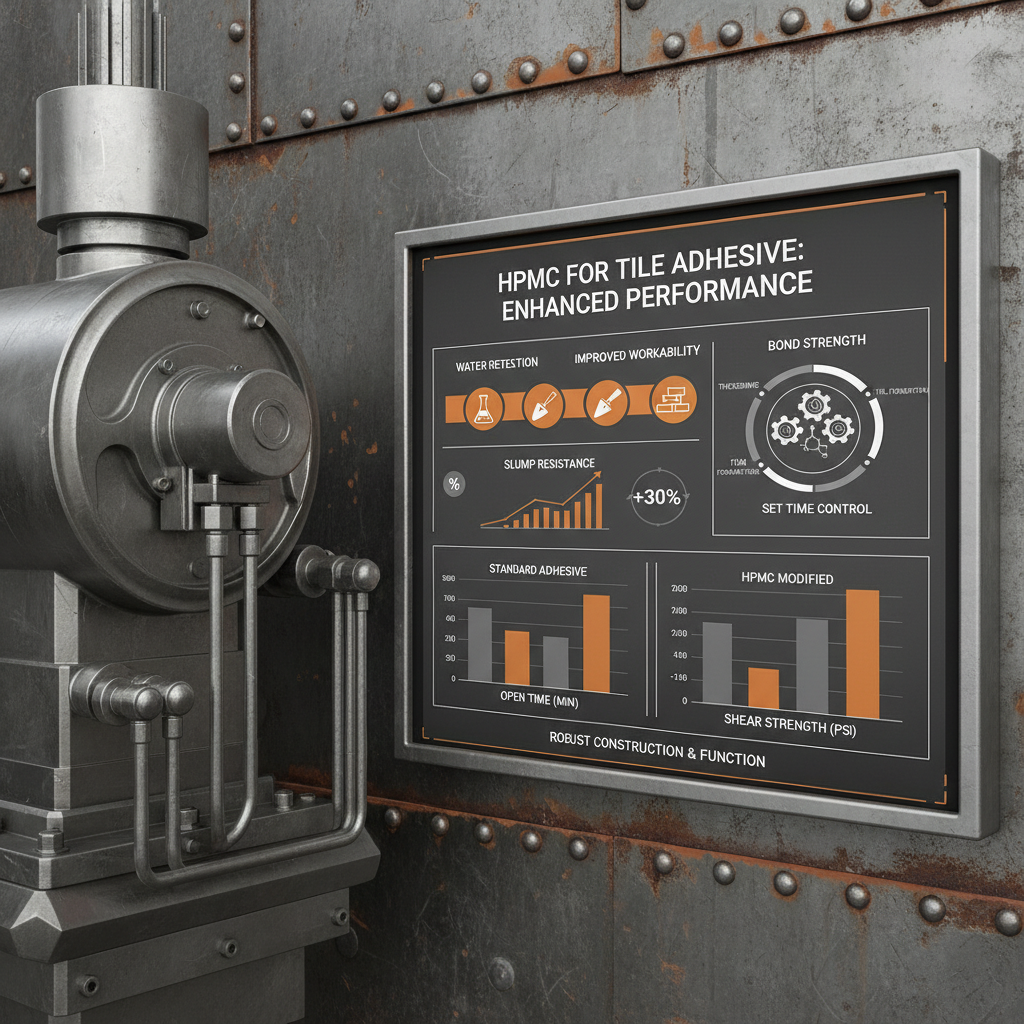
Furthermore, the water retention properties of hpmc are crucial. By slowing down the evaporation of water from the adhesive, it provides a longer open time, allowing for adjustments and ensuring complete hydration of the cementitious components – a critical factor in achieving maximum bond strength. This ultimately contributes to a more durable and reliable tile installation.
Defining hpmc for Tile Adhesive
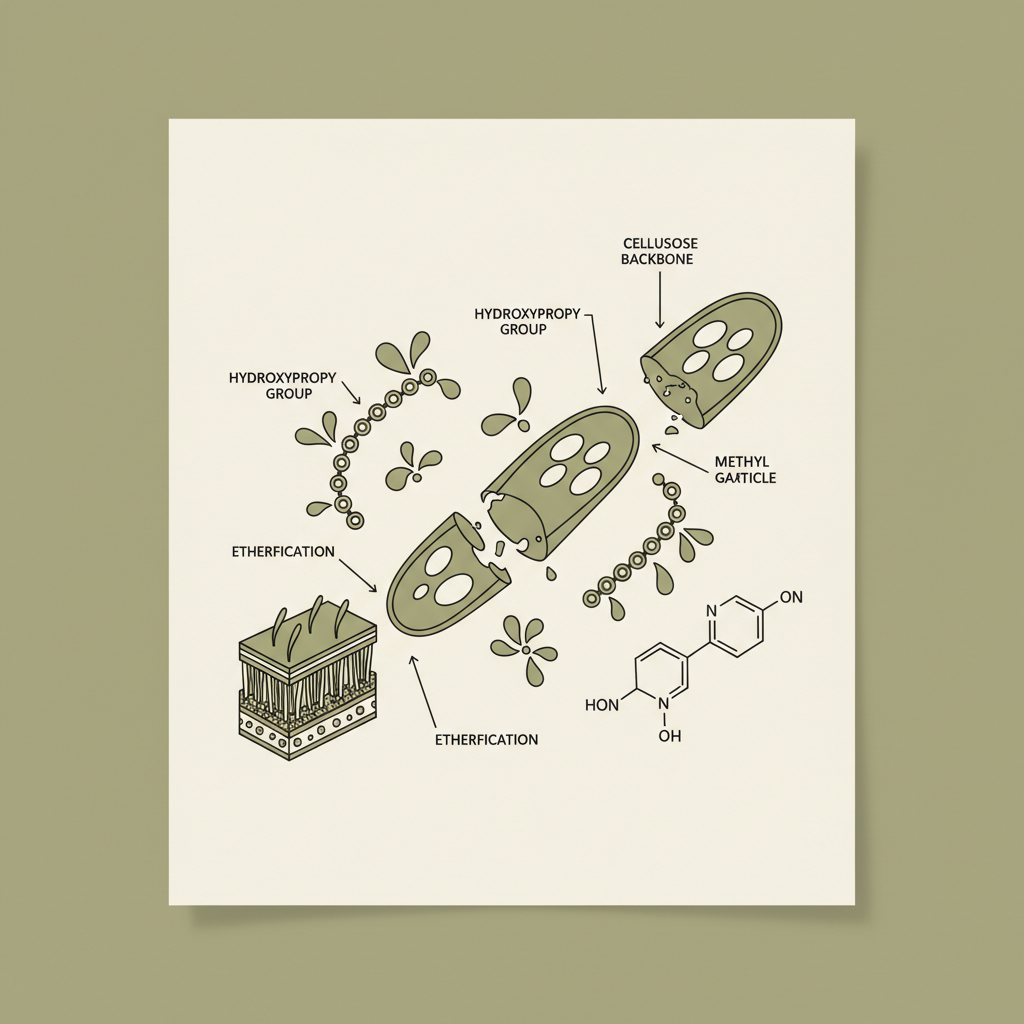
HPMC, or Hydroxypropyl Methylcellulose, is a non-ionic cellulose ether derived from natural cellulose. In the context of tile adhesives, it’s not a binder itself, but rather a performance-enhancing additive. It's commonly available in varying viscosities and particle sizes to suit different adhesive formulations and application requirements.
Its functionality stems from its ability to absorb and retain water, increasing the adhesive’s open time and workability. This is vital in preventing premature drying, which can hinder proper adhesion. Modern tile adhesives rely heavily on polymers like hpmc to overcome limitations of traditional cement-based systems.
The role of hpmc for tile adhesive aligns with modern construction demands for materials that are not only strong but also user-friendly and adaptable to diverse substrates and environmental conditions. Its compatibility with various cement types and other additives makes it a versatile component in achieving optimized adhesive performance.
Key Properties of hpmc for Tile Adhesive
The key properties of hpmc that make it invaluable in tile adhesives include its excellent water retention, thickening ability, and enhanced adhesion promotion. Water retention prevents rapid drying, enabling complete cement hydration and stronger bonding.
Its thickening ability adjusts the rheology of the adhesive, improving sag resistance – crucial for vertical tile installations. This ensures the adhesive maintains its shape and supports the tile weight without slipping. Moreover, hpmc enhances the adhesive's flexibility, reducing the risk of cracking due to substrate movement.
Finally, the film-forming properties of hpmc contribute to improved adhesion by creating a cohesive layer that bonds the tile to the substrate. The specific grade and concentration of hpmc used in a formulation are critical to achieving the desired performance characteristics for a given application of hpmc for tile adhesive.
Performance Characteristics and Benefits
HPMC significantly enhances the performance characteristics of tile adhesives. Improved workability simplifies the application process, while extended open time allows for more precise tile placement. This translates into reduced installation time and lower labor costs.
Furthermore, the increased water retention provided by hpmc leads to higher bond strength and improved durability. This translates to fewer tile failures, reduced maintenance requirements, and a longer lifespan for the tiled surface. The optimal use of hpmc for tile adhesive directly correlates with the longevity and structural integrity of tiling projects.
Performance Comparison of Tile Adhesives with Varying hpmc Content
Global Applications and Usage Scenarios
HPMC for tile adhesive finds application in diverse tiling projects worldwide, ranging from residential bathrooms and kitchens to large-scale commercial installations. Its adaptability to different tile types – ceramic, porcelain, natural stone – and substrates – concrete, cement boards, plaster – makes it a globally relevant material.
In regions with high humidity or temperature fluctuations, such as Southeast Asia, the water retention properties of hpmc are particularly critical. Similarly, in cold climates, hpmc helps maintain adhesive workability during cooler temperatures. The demand for high-performance tile adhesives containing hpmc is steadily increasing across all continents.
Advantages and Long-Term Value Proposition
The advantages of utilizing hpmc for tile adhesive are multifaceted. From a cost perspective, reduced material waste due to improved workability and fewer tile failures translate into significant savings. Sustainability is enhanced through longer-lasting installations, reducing the need for frequent replacements.
Beyond the tangible benefits, hpmc contributes to peace of mind – knowing that the tile installation is robust and durable. This fosters trust between contractors and clients, building a reputation for quality workmanship. Investing in hpmc for tile adhesive represents a commitment to long-term value and customer satisfaction.
The long-term reliability provided by hpmc also minimizes disruptions caused by maintenance or repairs, enhancing the overall functionality and aesthetic appeal of tiled spaces.
Future Trends and Innovations in hpmc for Tile Adhesive
Research is ongoing to develop modified hpmc grades with enhanced performance characteristics, such as improved adhesion to difficult substrates and increased resistance to extreme temperatures. The integration of nanotechnology to further enhance hpmc’s properties is also being explored.
Furthermore, sustainable sourcing of cellulose raw materials and the development of bio-based hpmc alternatives are gaining traction, aligning with the growing demand for eco-friendly construction materials. These advancements will further solidify hpmc’s position as a crucial component in next-generation tile adhesives.
Digitalization and automation in construction are also driving innovation, with optimized hpmc formulations tailored to specific robotic application techniques for increased efficiency and precision in tiling projects.
Summary of Challenges and Solutions in hpmc for Tile Adhesive Application
| Challenge |
Impact on Tile Adhesive Performance |
Potential Solution (hpmc Focused) |
Implementation Cost Estimate (1-10) |
| Substrate Porosity |
Reduced adhesive bond strength due to excessive water absorption. |
Utilize hpmc with higher water retention and film-forming capabilities. |
3 |
| Temperature Extremes |
Compromised workability and setting time of adhesive. |
Employ hpmc grades designed for thermal stability. |
5 |
| Sag Resistance |
Tile slippage during vertical application. |
Increase hpmc concentration to enhance viscosity. |
2 |
| Adhesive Shrinkage |
Cracking and delamination due to internal stresses. |
Optimize hpmc grade for minimal shrinkage during drying. |
4 |
| Mixing Incompatibility |
Poor adhesive performance due to phase separation. |
Carefully select hpmc compatible with other adhesive components. |
6 |
| Long-Term Durability |
Degradation of adhesive bond over time. |
Utilize high-quality hpmc with inherent UV and chemical resistance. |
7 |
FAQS
The primary role of HPMC is to modify the rheological properties of the adhesive, improving its workability, sag resistance, and water retention. This ensures optimal adhesion, prevents cracking, and extends the open time for tile placement, leading to a more durable and reliable installation. Proper use of HPMC for tile adhesive is vital for long-term performance.
HPMC enhances adhesion through several mechanisms. Its water retention properties allow for complete cement hydration, maximizing bond strength. The film-forming characteristics of HPMC create a cohesive layer between the tile and substrate. Furthermore, it improves the adhesive’s ability to wet the substrate, ensuring better contact and adhesion.
HPMC-modified adhesives exhibit broad compatibility, suitable for use with ceramic, porcelain, natural stone, and glass tiles. They effectively adhere to various substrates including concrete, cement boards, plaster, and even non-porous surfaces with appropriate primers. Selecting the correct HPMC grade is crucial for optimal compatibility.
The optimal concentration of HPMC varies depending on the specific adhesive formulation, tile type, and substrate. Generally, concentrations range from 0.5% to 2% by weight. Excessive HPMC can lead to reduced strength, while insufficient amounts may not provide adequate performance benefits. Careful formulation and testing are recommended for hpmc for tile adhesive.
HPMC is generally considered a sustainable material as it’s derived from cellulose, a renewable resource. However, the sourcing of cellulose and the manufacturing process should be considered. Bio-based HPMC alternatives are increasingly available, offering a more environmentally friendly option. Choose suppliers committed to responsible manufacturing practices.
HPMC significantly improves workability by increasing the adhesive’s plasticity and reducing its stickiness. More importantly, it dramatically extends the open time – the period during which the adhesive remains workable – by slowing down water evaporation. This allows for more precise tile placement and reduces the risk of bond failure due to premature drying, enhancing the overall quality of the tiling project.
Conclusion
In conclusion, hpmc for tile adhesive is an indispensable component in modern construction, providing critical performance enhancements such as improved workability, extended open time, superior adhesion, and increased durability. Its versatility allows for use across a wide range of tile types and substrates, making it a globally relevant material for both residential and commercial projects. The careful selection and implementation of HPMC are key to achieving long-lasting, high-quality tile installations.
Looking forward, continued innovation in hpmc chemistry, including the development of sustainable sourcing and enhanced performance grades, will further solidify its role in the future of construction. By embracing these advancements and prioritizing the use of high-quality hpmc for tile adhesive, construction professionals can ensure reliable, durable, and aesthetically pleasing tiled surfaces for years to come. Visit our website at www.cnjzchemical.com for more information.