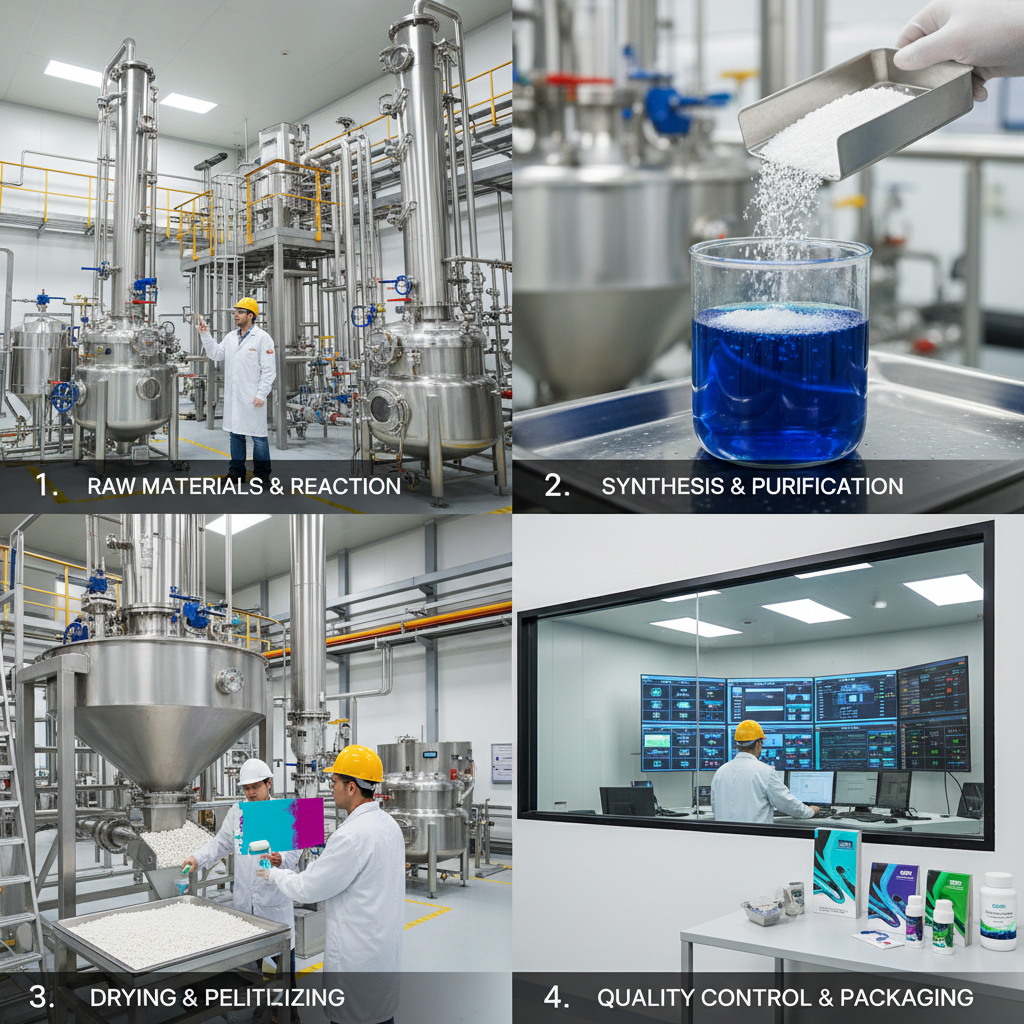
HPMC gel preparation is becoming increasingly crucial across diverse industries, from pharmaceuticals and food to construction and cosmetics. This process, involving the hydration and potential modification of Hydroxypropyl Methylcellulose (HPMC), allows for the creation of materials with tailored viscosity, stability, and release characteristics. Understanding the nuances of hpmc gel preparation is vital for optimizing product performance and ensuring quality control, ultimately leading to more effective and reliable applications.
Globally, the demand for HPMC is surging, driven by growth in the pharmaceutical excipient market, the increasing popularity of plant-based foods, and the need for sustainable building materials. The UN’s Sustainable Development Goals, particularly those related to health and infrastructure, are indirectly fueling this demand. However, challenges remain in ensuring consistent HPMC quality, optimizing gelation processes for varied applications, and addressing supply chain vulnerabilities, making efficient and well-understood hpmc gel preparation techniques paramount.
At its core, hpmc gel preparation involves dispersing HPMC powder in a liquid medium, typically water, and allowing it to hydrate and form a gel. The resulting gel’s properties—viscosity, clarity, and stability—are dictated by factors such as HPMC grade, concentration, temperature, pH, and the addition of other ingredients. This adaptable process underpins many modern manufacturing techniques, offering solutions for controlled release, texture modification, and structural support.
Introduction to hpmc gel preparation
The preparation of HPMC gels is a deceptively simple process with a profound impact on various industries. Mastering this process allows for the control of essential characteristics like viscosity, thixotropy, and film-forming capabilities, making it invaluable in creating everything from sustained-release pharmaceuticals to stable food emulsions. Effective hpmc gel preparation necessitates a clear understanding of HPMC’s properties and the impact of process parameters.
Understanding the core principles behind hpmc gel preparation is a critical first step towards innovative product development. A properly prepared gel offers a versatile platform for delivering active ingredients, creating desired textures, and providing structural integrity. This foundational knowledge allows for targeted optimization and ultimately leads to superior product performance and user experience.
Global Relevance and Applications
The global market for HPMC is experiencing substantial growth, estimated at over USD 6 billion in 2023 and projected to reach USD 8.5 billion by 2030 (source: Grand View Research). This surge is fueled by increased demand from the pharmaceutical, food, construction, and personal care industries. The Asia-Pacific region currently dominates the market, driven by rapid industrialization and a growing population.
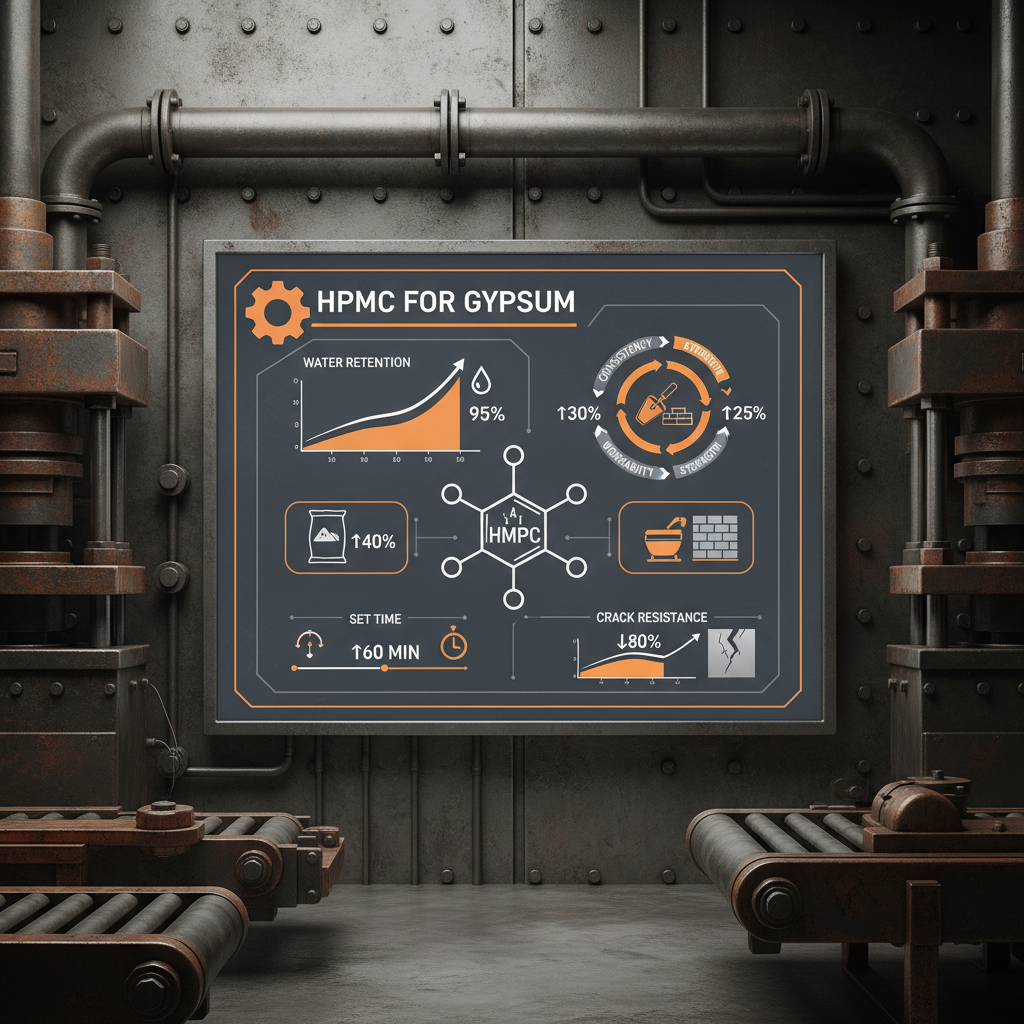
HPMC gels find applications in numerous areas. In pharmaceuticals, they are used in tablet coatings, controlled-release matrices, and ophthalmic solutions. The food industry utilizes them as thickeners, stabilizers, and emulsifiers in sauces, desserts, and vegan alternatives. The construction sector benefits from HPMC’s water retention properties in cement-based materials, improving workability and reducing cracking.
Furthermore, hpmc gel preparation plays a vital role in addressing humanitarian challenges. In disaster relief, pre-mixed HPMC gels can be incorporated into rapid-deployment shelter materials, providing enhanced durability and insulation. In regions with limited access to clean water, HPMC can be used to create water-retaining gels for agricultural applications, improving crop yields.
Defining hpmc gel preparation
Hpmc gel preparation is the process of hydrating Hydroxypropyl Methylcellulose (HPMC) powder in a liquid, typically water, to form a viscoelastic gel. This gel is characterized by its ability to resist flow while retaining some degree of deformation. The resulting gel's properties are influenced by factors such as HPMC molecular weight, degree of substitution, concentration, temperature, and the presence of other additives.
Unlike simple solutions, HPMC gels exhibit a unique network structure where HPMC chains become entangled and hydrated, creating a three-dimensional matrix. This structure is responsible for the gel's characteristic properties, allowing it to hold its shape and resist flow. The degree of hydration and chain entanglement directly impact the gel’s viscosity and stability.
This process is fundamental to numerous industries, as it enables the creation of products with specific textural properties, controlled release characteristics, and improved stability. From enhancing drug delivery systems to providing desired textures in food products, hpmc gel preparation is an essential technique in modern manufacturing.
Key Factors in hpmc gel preparation
Several key factors significantly impact the quality and characteristics of hpmc gel preparation. Firstly, HPMC Grade & Viscosity – Different grades of HPMC, with varying molecular weights and viscosity levels, will yield gels with different properties. Higher viscosity grades generally produce stronger, more rigid gels.
Secondly, Concentration plays a pivotal role. Higher HPMC concentrations lead to higher viscosity gels, but exceeding a certain threshold can result in excessively thick mixtures that are difficult to handle. Thirdly, Temperature influences hydration rates and gel strength. Typically, higher temperatures accelerate hydration but can also affect gel stability.
hpmc gel preparation Performance Metrics
Real-World Applications of hpmc gels
In the pharmaceutical industry, hpmc gel preparation is critical for creating controlled-release drug formulations. By embedding active pharmaceutical ingredients (APIs) within an HPMC gel matrix, drug release can be precisely controlled over extended periods, improving patient compliance and therapeutic efficacy. This is particularly important for medications requiring consistent blood levels.
Within the food sector, hpmc gels serve as thickening agents, stabilizers, and emulsifiers in a wide range of products. They enhance the texture and mouthfeel of sauces, dressings, and desserts, while also preventing separation and maintaining product consistency. Furthermore, in the growing market for plant-based foods, HPMC gels help mimic the texture of animal-derived ingredients, improving product appeal.
Advantages and Long-Term Value
One of the primary advantages of utilizing hpmc gel preparation is its cost-effectiveness. HPMC is relatively inexpensive compared to other polymers with similar functionalities. This makes it an attractive option for large-scale manufacturing. Furthermore, its sustainability is gaining prominence, as HPMC is derived from cellulose, a renewable resource.
The long-term value extends beyond economics. The ability to precisely control product properties through hpmc gel preparation enhances product reliability and safety. For example, in pharmaceutical applications, accurate drug release profiles ensure consistent therapeutic effects. This contributes to increased trust from consumers and regulatory bodies, fostering innovation and long-term brand loyalty.
Future Trends and Innovations
Ongoing research focuses on modifying HPMC to enhance its properties for specific applications. Nanoparticle-reinforced HPMC gels, for example, exhibit improved mechanical strength and stability. Furthermore, the integration of HPMC gels with 3D printing technologies opens new possibilities for creating customized drug delivery systems and personalized food products.
The drive towards sustainable materials is also shaping the future of hpmc gel preparation. Researchers are exploring the use of bio-based solvents and additives to further reduce the environmental impact of the process. Digitalization and automation are also playing a role, with advanced monitoring and control systems optimizing gelation parameters and ensuring consistent product quality.
The convergence of these trends promises a future where hpmc gel preparation becomes even more versatile, sustainable, and efficient, unlocking new opportunities for innovation across various industries.
Table Summarizing Key Parameters for Optimized hpmc gel preparation
| HPMC Grade |
Hydration Time (minutes) |
Optimal pH Range |
Resulting Gel Viscosity (cP) |
| Low Viscosity HPMC |
30-45 |
6.0-7.5 |
500-1500 |
| Medium Viscosity HPMC |
45-60 |
6.5-8.0 |
1500-4000 |
| High Viscosity HPMC |
60-90 |
7.0-8.5 |
4000-8000 |
| HPMC with Controlled Particle Size |
20-30 |
6.0-7.0 |
300-800 |
| HPMC with Modified Substitution |
50-70 |
7.5-9.0 |
6000-10000 |
| HPMC with Added Plasticizer |
35-50 |
6.0-7.0 |
700-2000 |
FAQS
The optimal temperature for hydrating HPMC generally falls between 20-25°C (68-77°F). While warmer temperatures can accelerate hydration, exceeding this range can lead to degradation of the polymer and reduce gel strength. It’s crucial to maintain consistent temperature control throughout the hydration process. Using pre-heated water can expedite the process without compromising the HPMC’s integrity.
The pH of the solution significantly impacts HPMC’s solubility and gelation behavior. HPMC is generally stable and soluble within a pH range of 6.0 to 8.0. Outside this range, the polymer may precipitate or degrade, resulting in reduced gel strength and clarity. Adjusting the pH with appropriate buffers can ensure optimal gel formation and stability, especially in applications where pH sensitivity is a concern.
Mixing speed plays a crucial role in ensuring complete hydration and preventing clumping of HPMC powder. Initially, a slow to moderate mixing speed is recommended to disperse the powder evenly in the liquid medium. As hydration progresses, the mixing speed can be gradually increased to create a homogeneous gel. However, excessive mixing can introduce air bubbles and potentially degrade the polymer. hpmc gel preparation requires careful optimization of mixing parameters.
Lump formation can be avoided by slowly adding the HPMC powder to the swirling liquid, rather than dumping it in all at once. Using pre-wetted HPMC, or a slurry of HPMC in a small amount of liquid, can also help. Ensure sufficient agitation throughout the hydration process and consider using a high-shear mixer for faster dispersion. Maintaining a consistent hydration rate is essential to prevent localized concentration gradients that lead to lumping.
HPMC molecular weight directly correlates with gel viscosity and strength. Higher molecular weight HPMC grades result in gels with increased viscosity, enhanced film-forming properties, and greater resistance to shear stress. However, higher molecular weight polymers can be more challenging to hydrate and may require longer mixing times. Choosing the appropriate molecular weight grade is crucial for achieving the desired gel characteristics.
Yes, various additives can be incorporated during hpmc gel preparation to tailor gel properties. Plasticizers, such as glycerol or propylene glycol, can increase flexibility and reduce brittleness. Preservatives can prevent microbial growth, while antioxidants can enhance stability. The compatibility of additives with HPMC and the intended application must be carefully considered to avoid undesirable interactions or phase separation.
Conclusion
In conclusion, hpmc gel preparation is a versatile and essential process with wide-ranging applications across numerous industries. Understanding the fundamental principles governing hydration, viscosity control, and stability is crucial for optimizing gel properties and ensuring consistent product performance. From pharmaceuticals and food to construction and cosmetics, the ability to precisely tailor HPMC gels unlocks opportunities for innovation and enhanced functionality.
Looking ahead, continued research and development efforts will focus on further enhancing the sustainability and efficiency of hpmc gel preparation techniques. The integration of nanotechnology, 3D printing, and bio-based additives promises to revolutionize the field, creating even more advanced and tailored materials for a diverse range of applications. For more information and to explore our range of HPMC products, visit our website: www.cnjzchemical.com.