Finding reliable hpmc suppliers is a critical strategic decision for manufacturers in the construction, pharmaceutical, and cosmetic industries. Hydroxypropyl Methylcellulose (HPMC) serves as a versatile additive that governs water retention, thickening, and stability in a vast array of chemical formulations, making the source of this raw material a primary determinant of final product quality.
Globally, the demand for high-purity cellulose ethers has surged as industries move toward more sustainable and efficient building materials. The ability of hpmc suppliers to provide consistent viscosity and purity grades allows producers to optimize their additive ratios, reducing waste and enhancing the structural integrity of mortars, plasters, and specialized coatings.
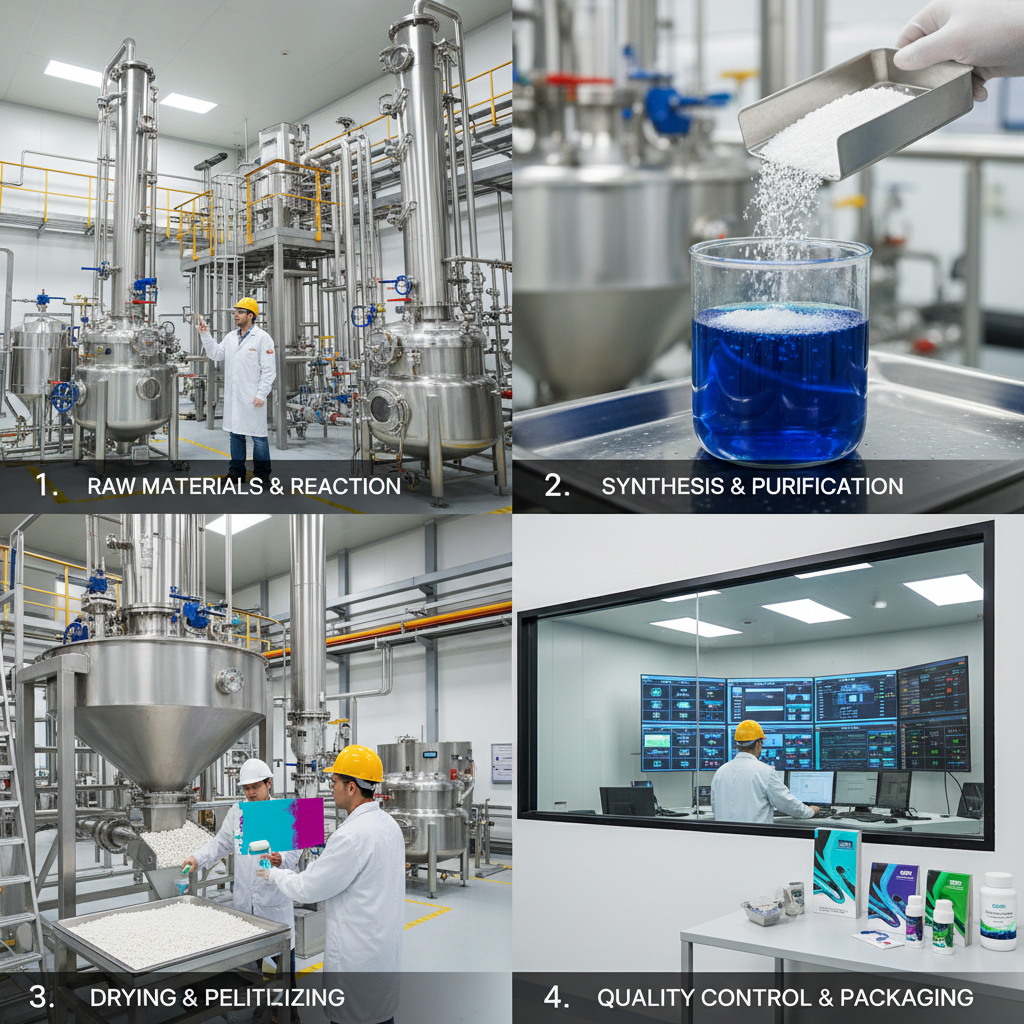
Understanding the landscape of the supply chain—from raw cotton or wood pulp processing to the final etherification—is essential for procurement officers. By partnering with expert hpmc suppliers, businesses can ensure they are not only meeting ISO standards but also leveraging the latest innovations in chemical rheology to gain a competitive edge in their respective markets.
Global Market Role of HPMC Suppliers
In the current global economic climate, hpmc suppliers act as the backbone of the specialty chemicals sector. With the rise of urbanization in Asia and Africa, the construction industry requires massive quantities of cellulose ethers to ensure that cement-based products remain workable under extreme temperatures. The supply chain is no longer just about shipping a powder; it is about providing a technical solution that ensures water retention and prevents premature drying in skyscraper projects and infrastructure developments.
Furthermore, the integration of ISO 9001 and ISO 14001 standards among leading hpmc suppliers has standardized the quality of cellulose ethers worldwide. This globalization of quality means that a manufacturer in Europe can rely on a supplier from Asia to provide the exact same viscosity grade, ensuring that formulated products maintain consistent performance regardless of where the raw materials were sourced.
Defining Quality Standards for HPMC Suppliers
When evaluating hpmc suppliers, the definition of "quality" extends beyond the chemical formula. It encompasses the degree of substitution, the purity of the raw cellulose, and the precision of the etherification process. A high-quality supplier ensures that the HPMC is free from impurities that could cause discoloration or unexpected chemical reactions in the final mixture, which is particularly vital for pharmaceutical-grade applications.
From a technical standpoint, the ability of hpmc suppliers to control the molecular weight distribution is what separates industry leaders from generic providers. This control allows for the creation of tailored products—such as those with high transparency for cosmetics or high water-retention for tile adhesives—meeting the specific humanitarian and industrial needs of modern architecture.
Ultimately, the relationship between a manufacturer and their hpmc suppliers is built on transparency. Comprehensive Certificates of Analysis (CoA) and Material Safety Data Sheets (MSDS) are the baseline requirements that allow for a seamless integration of the chemical into automated production lines, ensuring that safety and efficacy are never compromised.
Core Components of High-Grade HPMC Supply
The primary metric that differentiates top-tier hpmc suppliers is the consistency of viscosity. Whether the target is 4,000 mPa.s or 200,000 mPa.s, the batch-to-batch stability is what prevents costly production shutdowns for the end-user, ensuring that every bag of powder performs identically in the mixing tank.
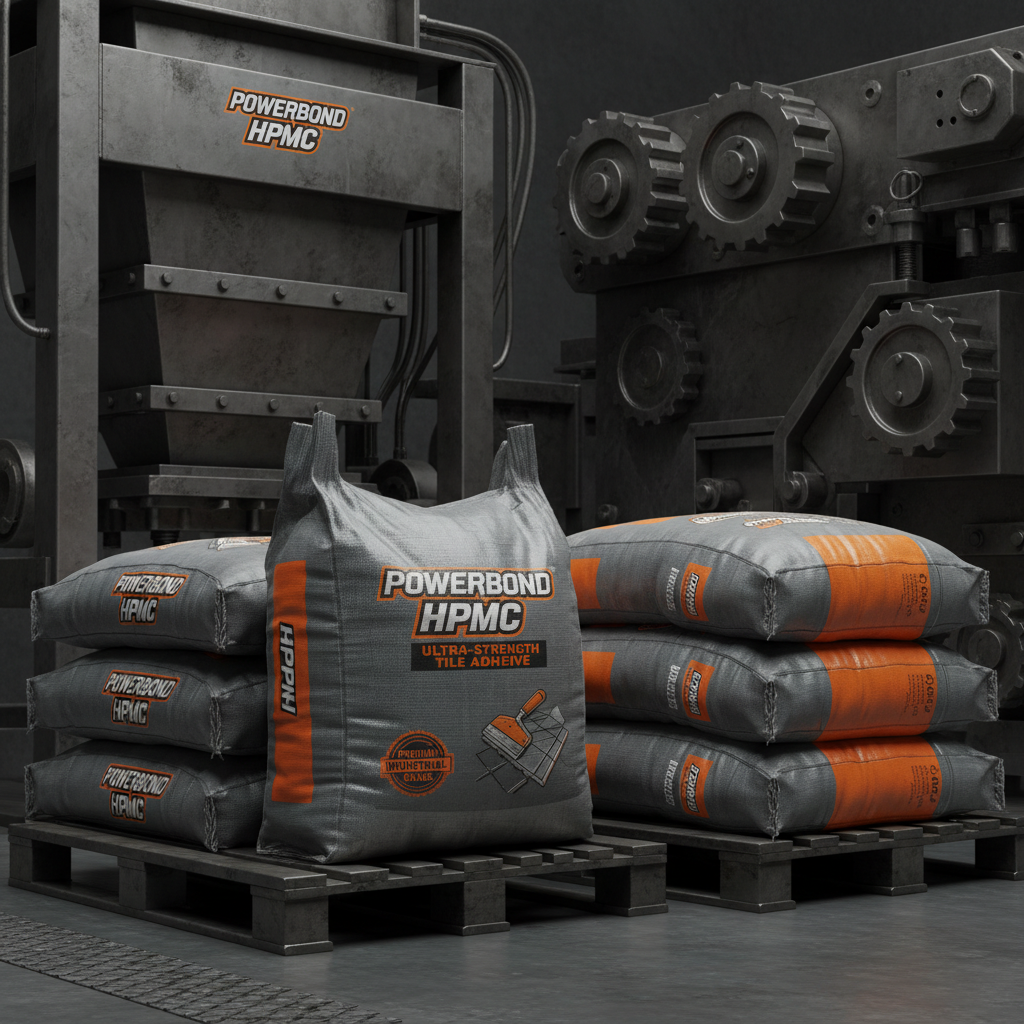
Another critical factor provided by professional hpmc suppliers is the optimization of "open time." In construction, this refers to the duration a mortar remains workable after being mixed. By adjusting the chemical structure of the HPMC, suppliers can help contractors work more efficiently in arid climates where water evaporates rapidly.
Finally, the scalability of the production process is a hallmark of reliable hpmc suppliers. The ability to scale from small pilot batches for R&D to thousands of tons for global distribution, without compromising the chemical integrity, allows brands to grow their market share rapidly without worrying about raw material bottlenecks.
Key Performance Metrics for HPMC Suppliers
To quantify the effectiveness of different hpmc suppliers, industry experts often look at a set of weighted KPIs. These include the water retention rate, the gel strength, and the purity percentage. A supplier that can consistently hit a 99% purity mark while maintaining a low ash content is generally preferred for high-end industrial coatings.
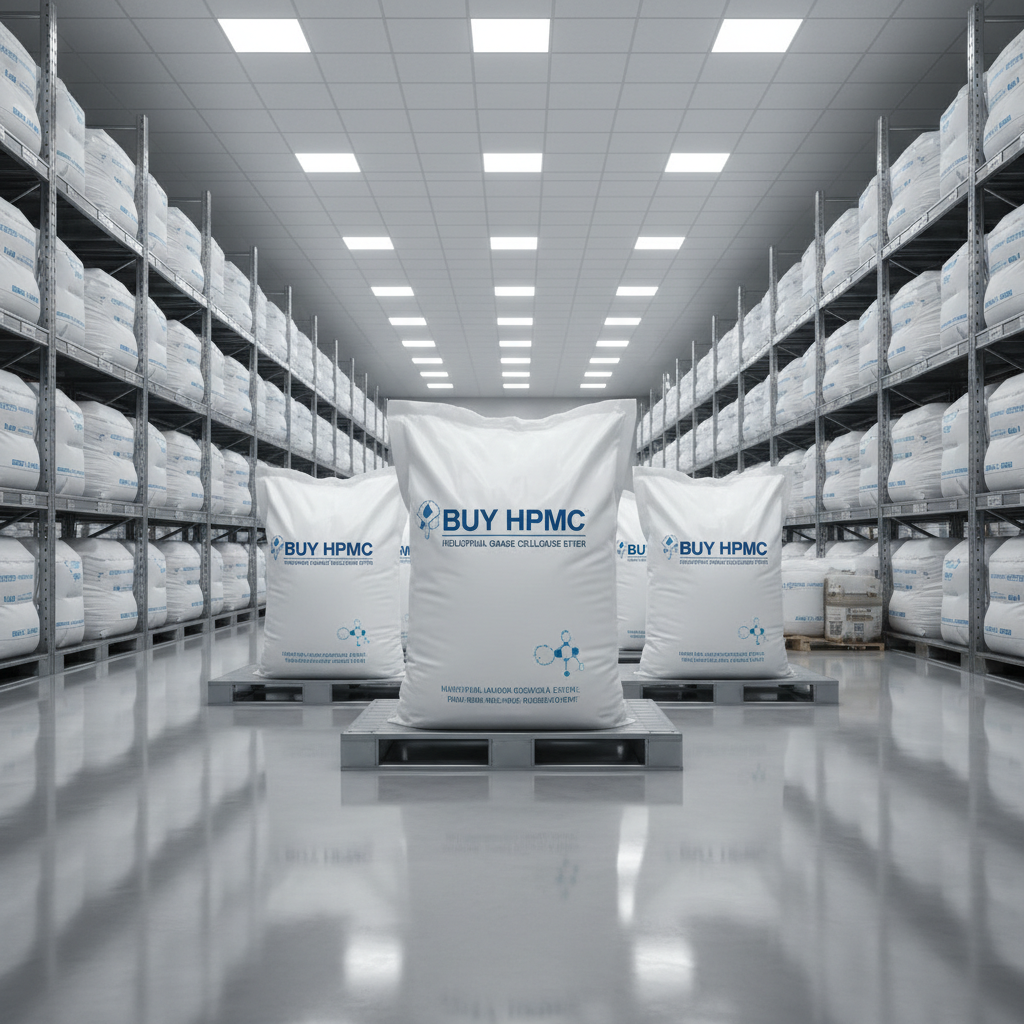
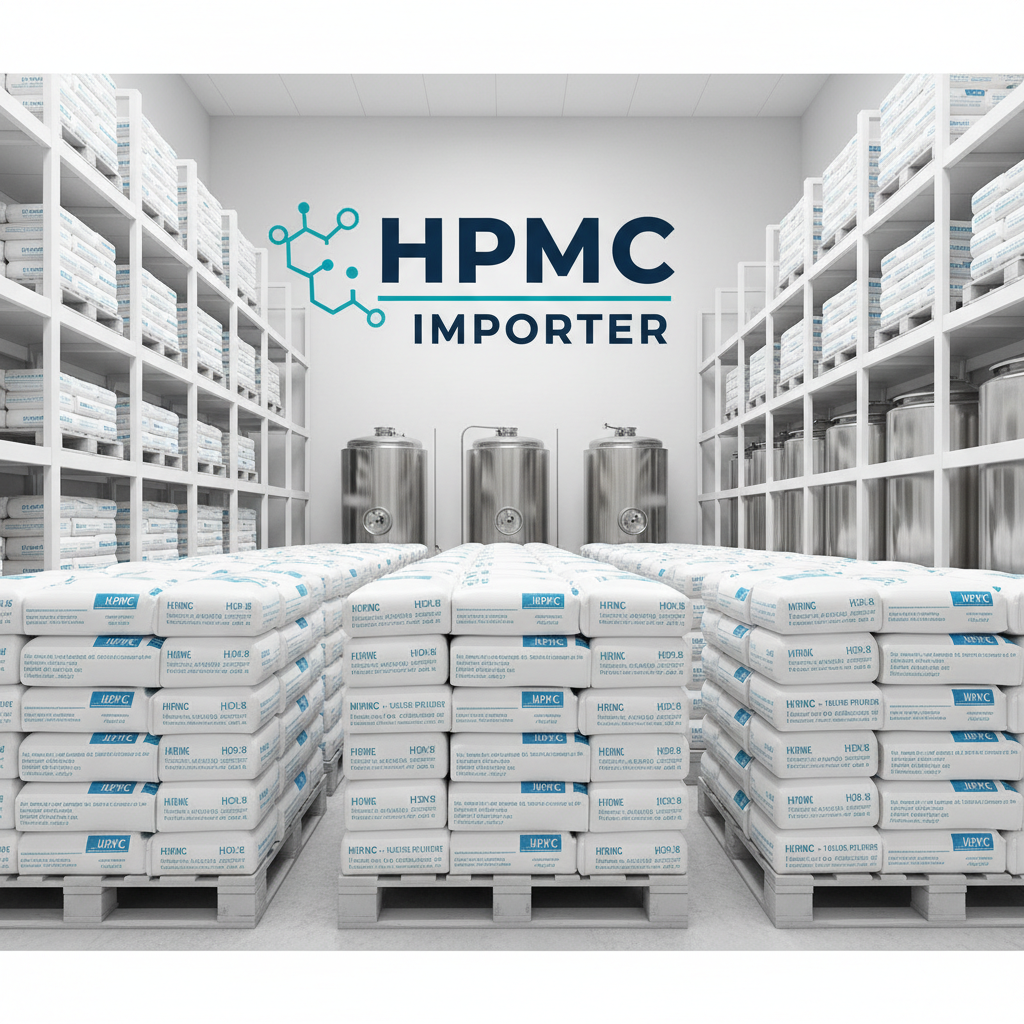
Moreover, the logistical efficiency of hpmc suppliers is a hidden performance metric. The ability to manage moisture-proof packaging and timely shipping ensures that the cellulose ether does not clump or degrade during maritime transport, preserving the material's solubility and efficacy upon arrival.
Comparative Performance of HPMC Suppliers Grade
Global Applications and Regional Use Cases
The application of materials from hpmc suppliers varies significantly by region. In North America and Europe, there is a heavy emphasis on eco-friendly "green" buildings, where HPMC is used to create low-VOC (Volatile Organic Compound) interior plasters. These regions demand suppliers who can provide certifications proving the absence of harmful solvents in the production process.
In contrast, in rapid-growth industrial zones in Southeast Asia, hpmc suppliers focus on high-yield, high-efficiency mortars that can withstand tropical humidity. Here, the priority is on rapid hydration and exceptional slip resistance, allowing for faster construction cycles in high-density urban environments.
Long-term Value and Sustainable Sourcing
The long-term value of partnering with premium hpmc suppliers lies in the reduction of total cost of ownership (TCO). While generic powders may be cheaper upfront, high-grade HPMC requires lower dosage amounts to achieve the same rheological results, effectively lowering the cost per square meter of the final application.
Sustainability is also becoming a core value proposition. Leading hpmc suppliers are transitioning to sustainable forestry sources for their cellulose pulp, ensuring that the raw materials are harvested from FSC-certified forests. This allows end-users to market their final products as environmentally responsible.
Ultimately, trust and reliability provide an emotional safety net for procurement managers. Knowing that your hpmc suppliers have a robust quality control system means fewer rejected batches and a more stable brand reputation in the eyes of the end consumer.
Future Innovations in HPMC Production
The future of hpmc suppliers is being shaped by digital transformation and "Industry 4.0." We are seeing the rise of automated etherification plants where AI monitors reaction temperatures and pressures in real-time, resulting in an almost zero-deviation viscosity profile across different production runs.
Another emerging trend is the development of "smart" cellulose ethers. Some hpmc suppliers are experimenting with modified molecular chains that respond to pH or temperature changes, which could revolutionize the way controlled-release pharmaceuticals are delivered or how self-healing concrete behaves.
As the industry moves toward a circular economy, the focus is shifting toward the biodegradability of synthetic additives. hpmc suppliers who invest in biodegradable catalyst recovery systems will likely dominate the market as global environmental regulations tighten.
Analysis of Strategic Sourcing Dimensions for HPMC Suppliers
|
Sourcing Dimension
|
Impact on Product
|
Risk Level
|
Optimal Value (1-10)
|
|
Viscosity Stability
|
Workability & Strength
|
High
|
10
|
|
Purity Level
|
Color & Stability
|
Medium
|
9
|
|
Substitution Degree
|
Solubility Rate
|
Medium
|
8
|
|
Lead Time
|
Production Continuity
|
Low
|
7
|
|
Environmental Certification
|
Regulatory Compliance
|
High
|
9
|
|
Technical Support
|
Formulation Optimization
|
Low
|
8
|
FAQS
Choosing the right grade depends entirely on your end application. For construction mortars, look for high water retention and open-time properties. For pharmaceuticals, purity and specific viscosity for tablet binding are paramount. Always request a sample and a detailed Certificate of Analysis (CoA) to compare the viscosity and ash content across different hpmc suppliers before committing to a bulk order.
Inconsistency in HPMC can lead to dramatic changes in the rheology of your product. For instance, a slight drop in viscosity can cause a tile adhesive to sag or a pharmaceutical gel to lose its stability. Reliable hpmc suppliers use automated control systems to ensure that every batch meets the exact same specifications, preventing costly rework and quality claims.
Yes, many leading hpmc suppliers are now sourcing cellulose from sustainably managed forests (FSC certified) and utilizing greener chemistry to reduce the use of hazardous solvents during the etherification process. Additionally, HPMC itself is a derivative of natural cellulose, making it a more sustainable choice compared to some fully synthetic polymers.
Lead times vary based on the location of the hpmc suppliers and the volume of the order. Typically, production takes 1-2 weeks, and maritime shipping can take anywhere from 20 to 45 days depending on the destination port. We recommend maintaining a safety stock of 4-8 weeks to mitigate potential global supply chain disruptions.
Absolutely. Professional hpmc suppliers can modify the methoxyl and hydroxypropyl content to adjust the product's thermal gelation temperature. This is crucial for construction in hot climates where you need the material to resist water loss at higher temperatures, ensuring the final structure cures correctly without cracking.
The best way to verify reports is to cross-reference the supplier's CoA with a third-party lab test. Look for hpmc suppliers who are transparent about their testing methods (e.g., using Brookfield viscometers) and who provide batch-specific tracking numbers. Long-term audits of the supplier's production facility also provide peace of mind regarding their quality management systems.
Conclusion
Selecting the right hpmc suppliers is not merely a procurement task but a technical partnership that influences the durability, efficiency, and sustainability of the final product. From the critical role of viscosity stability and purity to the emerging trends of AI-driven production and green sourcing, the quality of the cellulose ether acts as a catalyst for overall industrial excellence. By focusing on performance metrics and long-term value rather than short-term cost, manufacturers can ensure consistent quality and operational stability.
Looking ahead, the industry will likely see a shift toward even more specialized, "intelligent" cellulose ethers that offer adaptive properties for extreme environments. For businesses aiming to stay competitive, the recommendation is to partner with suppliers who prioritize transparency, ISO certifications, and continuous R&D. To secure a reliable supply of high-performance HPMC, HEC, RDP, and other exclusive chemicals, we invite you to explore our professional solutions. Visit our website: www.cnjzchemical.com