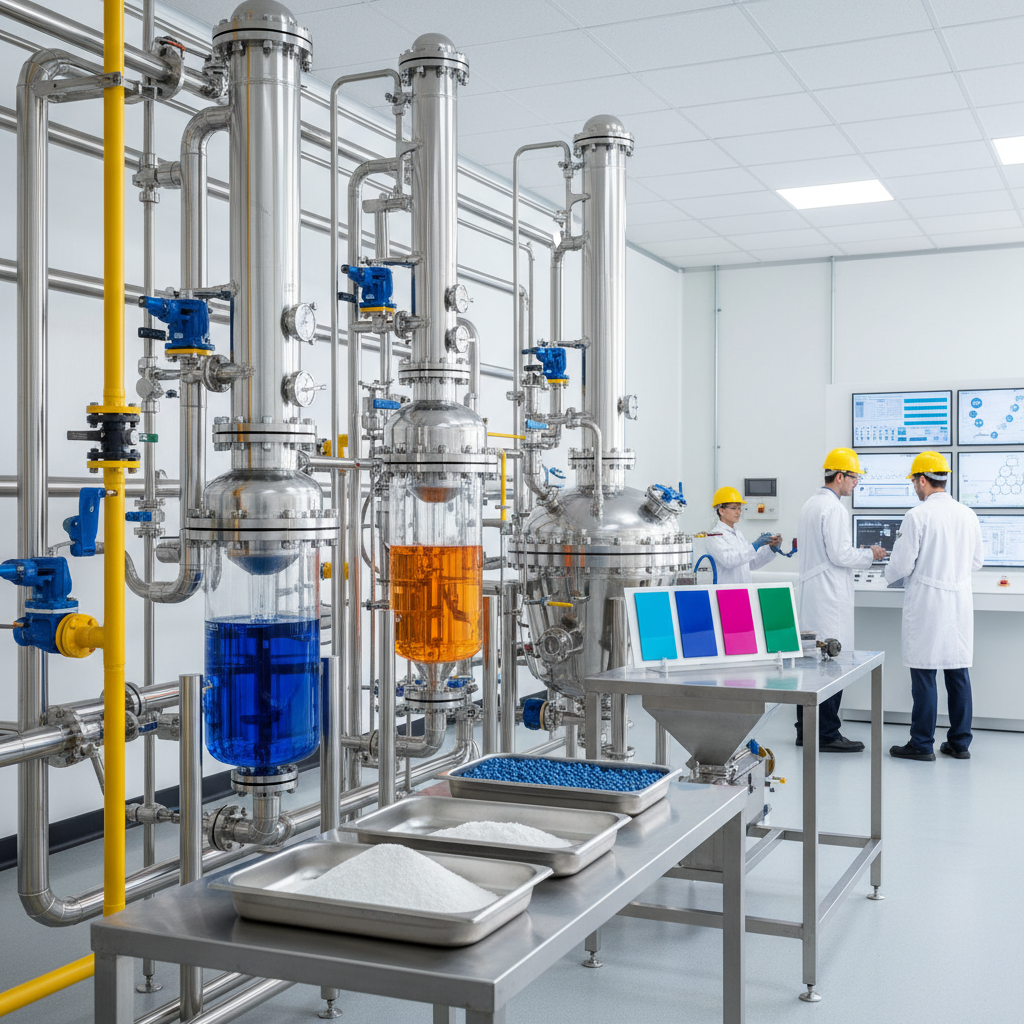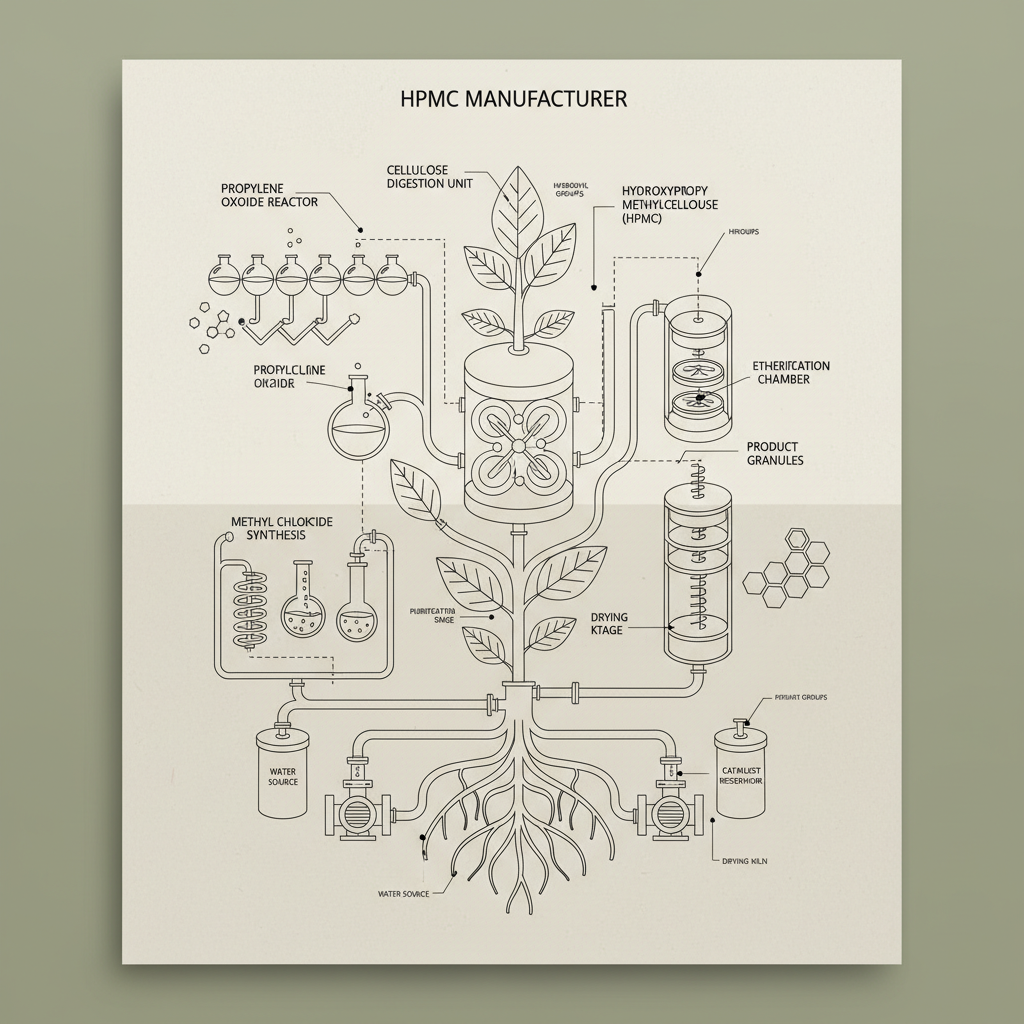
The hpmc gelation temperature is a critical parameter in a wide range of industrial applications, from pharmaceutical formulations to construction materials. Understanding this temperature – the point at which a hydroxypropyl methylcellulose (HPMC) solution transitions from a liquid to a gel – is vital for controlling product consistency, performance, and stability. Variations in gelation temperature directly impact the usability and effectiveness of HPMC-based products, necessitating precise control and analytical methods.
Globally, the demand for HPMC is steadily increasing, driven by growth in industries like pharmaceuticals, food, cosmetics, and building materials. This increased demand directly correlates with a growing need for reliable methods to characterize and manage hpmc gelation temperature. Accurate control leads to efficient production processes, reduced waste, and ultimately, higher quality products. This is particularly important as sustainability concerns drive a need for optimized material usage.
Precise understanding of hpmc gelation temperature allows for tailoring HPMC properties to specific application requirements. It enables formulations that are stable during storage, easy to apply, and deliver the desired functional performance. From ensuring the controlled release of medication in pharmaceutical tablets to providing the appropriate viscosity in construction adhesives, mastering this parameter is crucial for innovation and product differentiation. You can find more details on hpmc gelation temperature.
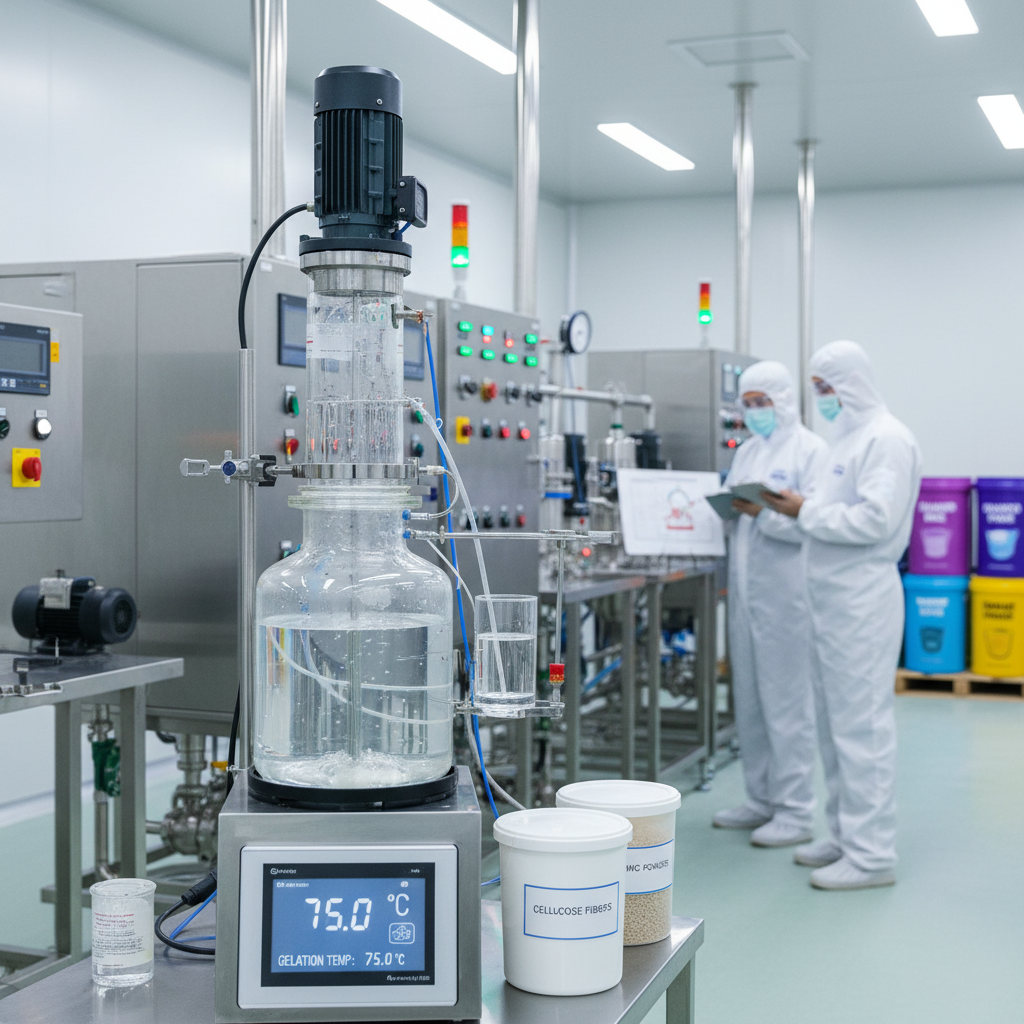
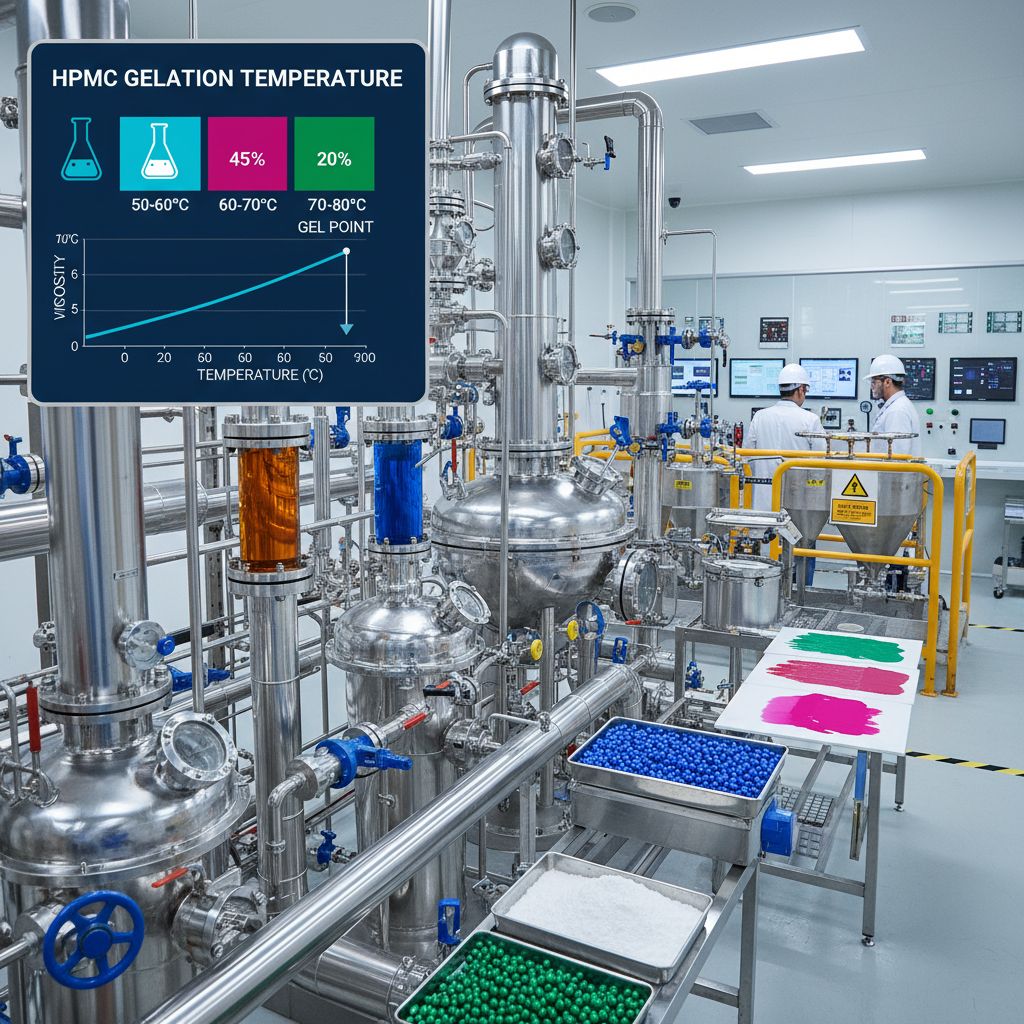
Hydroxypropyl methylcellulose (HPMC) is a versatile polymer widely used as a thickening agent, binder, film-former, and protective colloid. A key characteristic defining its performance is its hpmc gelation temperature. This transition from a liquid solution to a semi-solid gel is crucial in determining the final properties of a product, influencing its texture, stability, and application characteristics.
The precise hpmc gelation temperature is not a fixed value, but is influenced by a variety of factors, including the HPMC grade, concentration, pH, ionic strength, and the presence of other additives. Consequently, understanding and controlling these variables is essential to achieve consistent and predictable results across different formulations and manufacturing processes.
The most significant factors influencing hpmc gelation temperature include the molecular weight and degree of substitution of the HPMC, its concentration in the solution, the pH of the formulation, the presence of salts or other ions, and the specific formulation additives. Higher molecular weight HPMC and increased concentration generally lead to higher gelation temperatures.
Accurately measuring hpmc gelation temperature often involves using rheological techniques, such as a controlled-stress or controlled-rate rheometer. Differential Scanning Calorimetry (DSC) can also provide valuable insights. Monitoring the viscosity of the solution as a function of temperature is key, looking for the point of rapid increase signifying gelation. Calibration of equipment and proper sample preparation are crucial for reliable results.
Yes, the solvent significantly impacts hpmc gelation temperature. HPMC is typically dissolved in water, but the presence of other solvents (e.g., alcohols) or co-solvents can alter the gelation characteristics. These other solvents can affect HPMC chain hydration and interaction, influencing the temperature at which gelation occurs.
The typical range of hpmc gelation temperatures varies depending on the grade of HPMC but generally falls between 50°C and 85°C. Lower viscosity grades tend to have lower gelation temperatures, while higher viscosity grades exhibit higher gelation temperatures. Exact values depend on concentration and other formulation components, requiring specific measurement.
You can adjust the hpmc gelation temperature by modifying the HPMC grade (molecular weight and DS), altering the HPMC concentration, adjusting the pH of the solution, or adding specific additives that interact with the polymer. Careful experimentation and characterization are essential to achieve the desired gelation temperature for your application.
An incorrect hpmc gelation temperature in a pharmaceutical formulation can lead to undesirable drug release profiles, affecting drug efficacy and potentially causing adverse effects. Too low a gelation temperature could result in premature drug release, while too high a temperature might hinder proper drug dissolution. Precise control is essential for optimal therapeutic outcomes.
In summary, the hpmc gelation temperature is a critical parameter influencing the performance and stability of numerous products across a wide range of industries. Accurate measurement and control of this temperature are essential for optimizing formulations, ensuring product quality, and maximizing efficiency. A deep understanding of the factors affecting gelation – molecular weight, concentration, pH, and additives – is crucial for achieving desired results.
Looking ahead, continued innovation in HPMC materials, analytical techniques, and data-driven optimization strategies will unlock even greater potential for utilizing this versatile polymer. Investing in research and development focused on controlling hpmc gelation temperature will drive advancements in pharmaceuticals, construction, food, and beyond, contributing to more sustainable and high-performing products. For detailed information and high-quality HPMC solutions, visit our website: www.cnjzchemical.com.