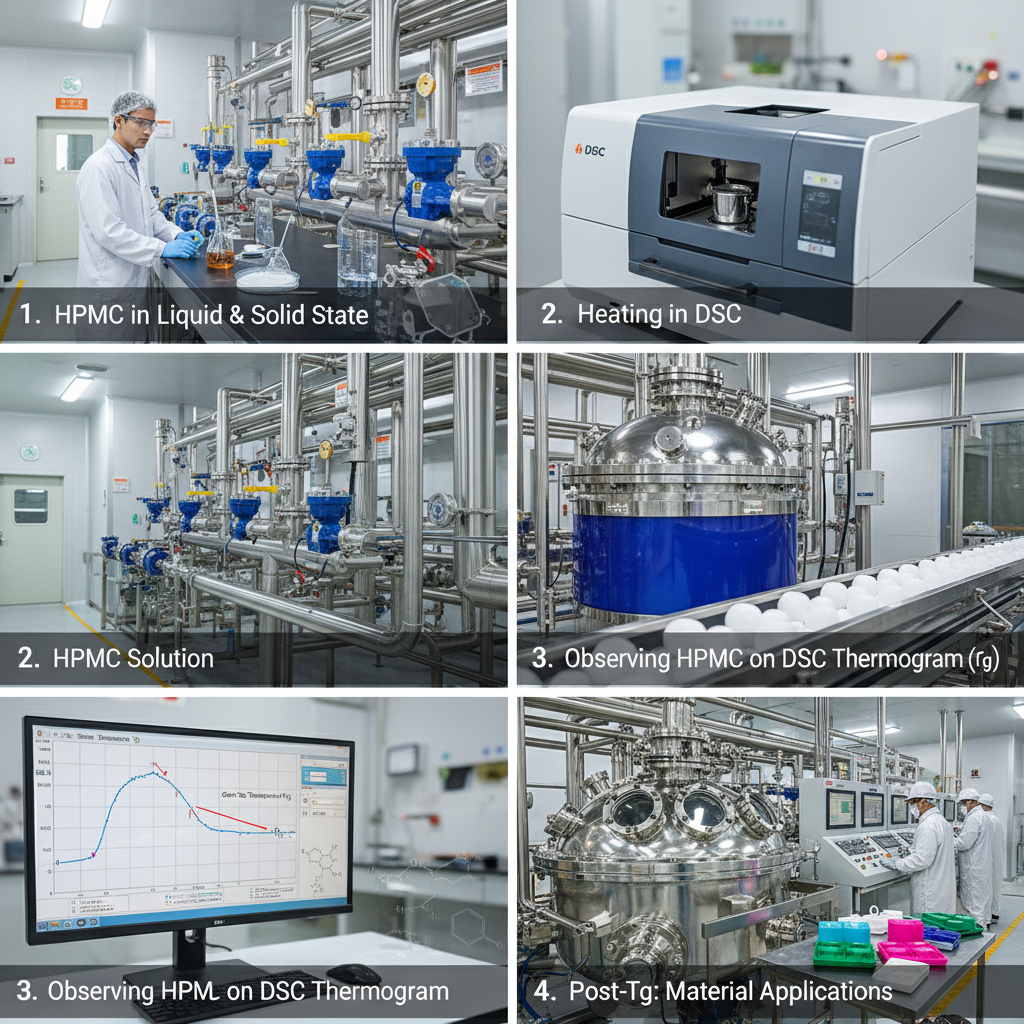
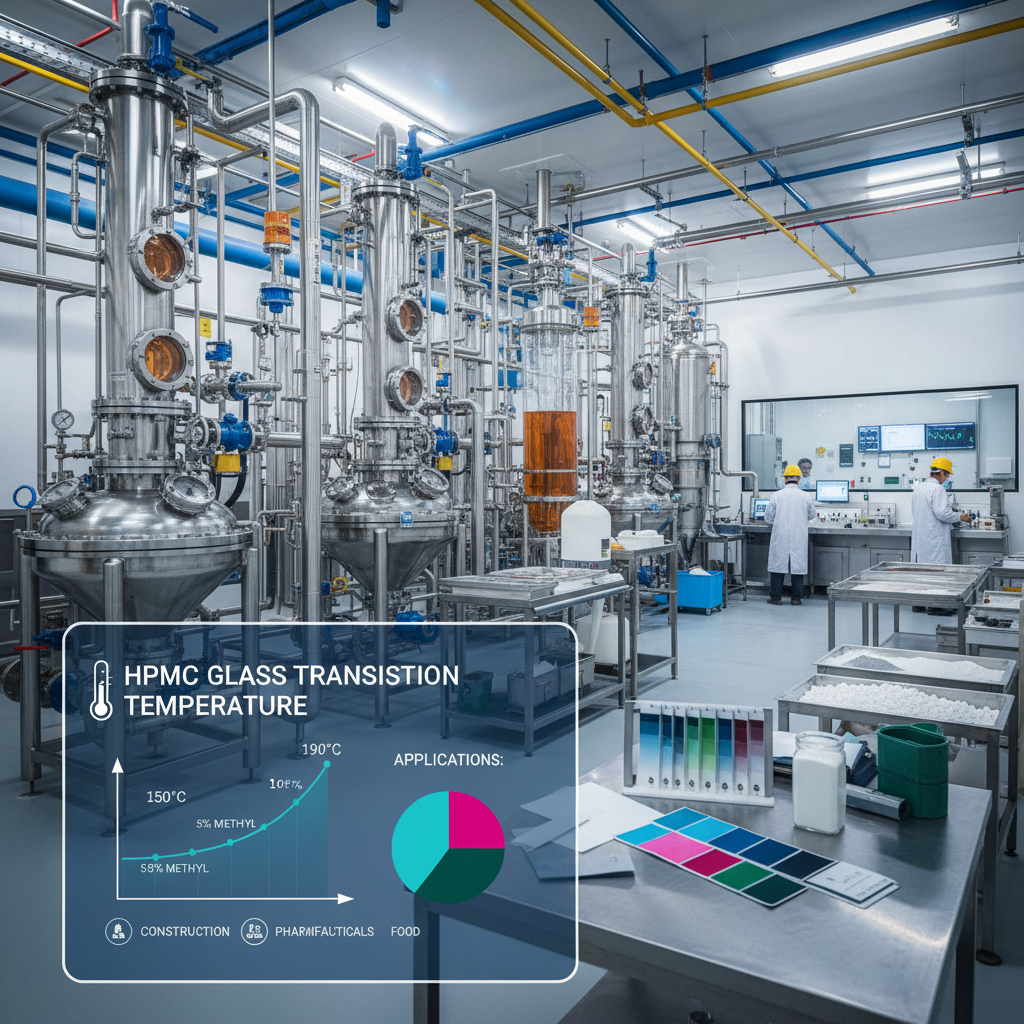
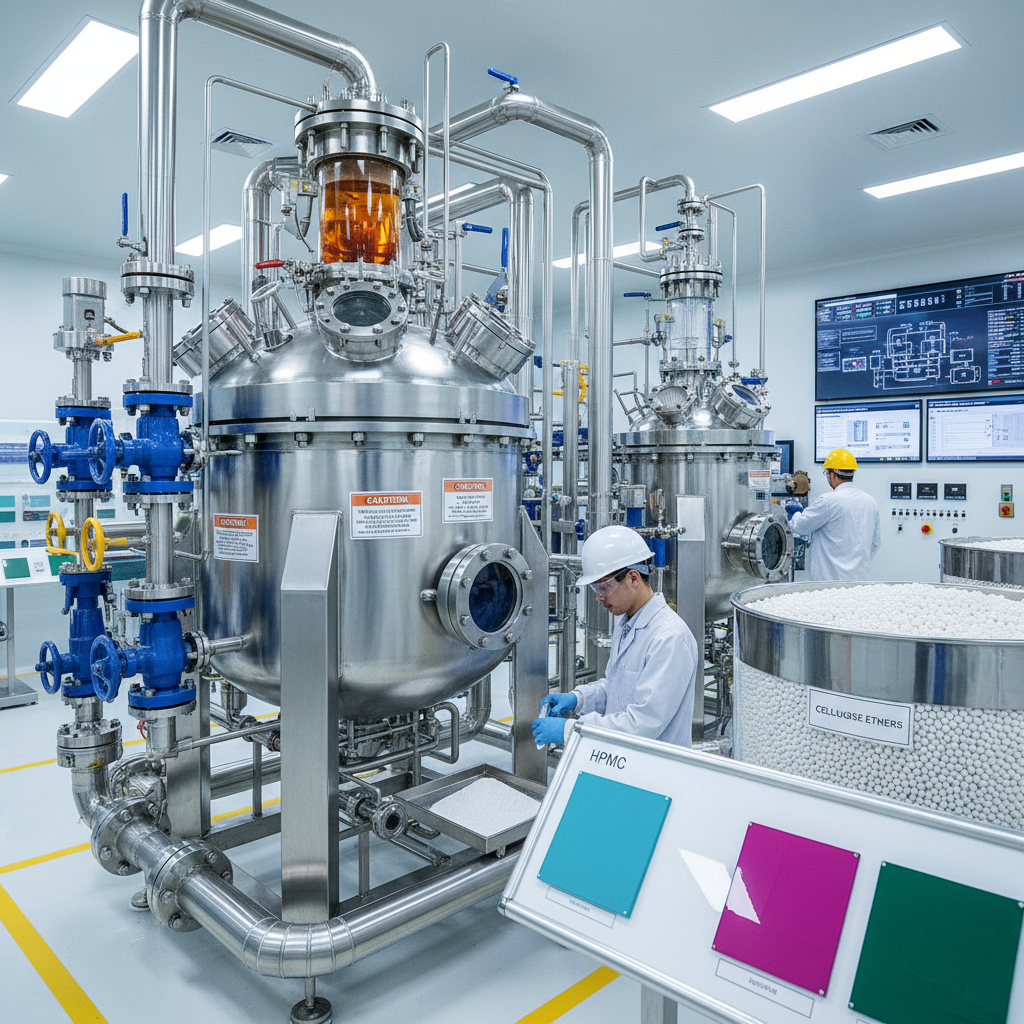
The glass transition temperature (Tg) of Hydroxypropyl Methylcellulose (HPMC) is a critical property influencing its performance in various applications, including pharmaceutical formulations, food processing, and construction materials. Understanding this temperature dictates how HPMC behaves under different conditions, impacting its functionality as a binder, film-former, or thickener. A precise grasp of the hpmc glass transition temperature is essential for optimizing product development and ensuring desired qualities in the final product.
Globally, the demand for HPMC is continuously increasing, driven by its versatile nature and biocompatibility. The pharmaceutical sector utilizes HPMC for controlled-release drug delivery systems, while the food industry leverages its thickening and stabilizing properties. Construction relies on HPMC for cement-based mortars, improving workability and adhesion. This widespread adoption creates a significant need for consistent quality control, where knowing the hpmc glass transition temperature plays a pivotal role. According to recent reports, the global HPMC market is projected to reach $3.5 billion by 2028, demonstrating its growing importance in diverse industries.
Essentially, the hpmc glass transition temperature is the temperature at which HPMC transitions from a hard, glassy state to a rubbery, more flexible state. This transition doesn't involve a phase change like melting, but a change in the polymer’s mobility. This is vital for ensuring the intended functionality of products. In healthcare, for example, a consistent Tg is crucial for the controlled release of medication, ensuring efficacy and patient safety. In construction, it affects the mortar’s adhesion and durability, contributing to structural integrity.
Introduction to hpmc glass transition temperature
The hpmc glass transition temperature is fundamentally about material behavior. It signifies a shift from brittle, glassy characteristics to a softer, more pliable consistency. This transformation dictates how effectively HPMC functions in applications where flexibility and adhesion are key, such as pharmaceutical coatings and construction adhesives.
Considering the breadth of HPMC’s uses – from controlled-release medications to thickening agents in food – a detailed comprehension of the factors influencing its Tg is paramount for ensuring product quality and performance. Manufacturers need to carefully control production parameters to achieve the desired Tg for specific applications, maximizing efficacy and optimizing final product characteristics.
Defining hpmc glass transition temperature
The hpmc glass transition temperature, denoted as Tg, is the temperature range where an amorphous solid, like HPMC, transitions from a rigid, glassy state to a more flexible, rubbery state. It's not a distinct melting point, as HPMC doesn't truly melt, but a gradual change in the polymer’s physical properties. This change directly affects the HPMC’s solubility, mechanical strength, and permeability.
This transition is critical because it governs the material’s behavior during processing and application. For instance, in tablet coating, maintaining the HPMC within its defined Tg range ensures a smooth, even film formation. In food applications, it affects the texture and viscosity of the product. Consequently, precise control over the hpmc glass transition temperature is vital for ensuring consistent product quality.
The hpmc glass transition temperature isn’t a single fixed value; it’s a range influenced by several factors. These factors include the molecular weight of the HPMC, its degree of substitution (DS), the moisture content, and the presence of plasticizers. Understanding these influences is essential for tailoring HPMC’s properties to specific application requirements.
Factors Influencing hpmc glass transition temperature
Several factors significantly impact the hpmc glass transition temperature. Molecular weight plays a crucial role: higher molecular weight HPMC generally exhibits a higher Tg due to increased chain entanglement. The degree of substitution (DS), which refers to the proportion of hydroxyl groups replaced by methoxy or hydroxypropyl groups, also affects Tg; a higher DS often lowers the Tg.
Moisture content is a particularly significant factor. HPMC is hygroscopic, meaning it readily absorbs water. Water acts as a plasticizer, increasing polymer chain mobility and significantly lowering the hpmc glass transition temperature. Similarly, the addition of other plasticizers, such as glycerol or propylene glycol, also reduces the Tg. Understanding these interactions is critical for maintaining consistent product performance in varying environmental conditions.
Finally, the method of HPMC synthesis and processing can also influence the Tg. Variations in these processes can result in differences in polymer chain structure and distribution, subsequently impacting the material’s thermal properties. Thorough characterization and quality control measures are essential to minimize these variations and ensure consistent Tg values.
Practical Applications of hpmc glass transition temperature
In pharmaceutical formulations, maintaining the hpmc glass transition temperature within a specific range is vital for controlled drug release. A lower Tg can lead to faster drug dissolution, while a higher Tg can ensure sustained release over an extended period. This control allows for targeted drug delivery and optimized therapeutic effects.
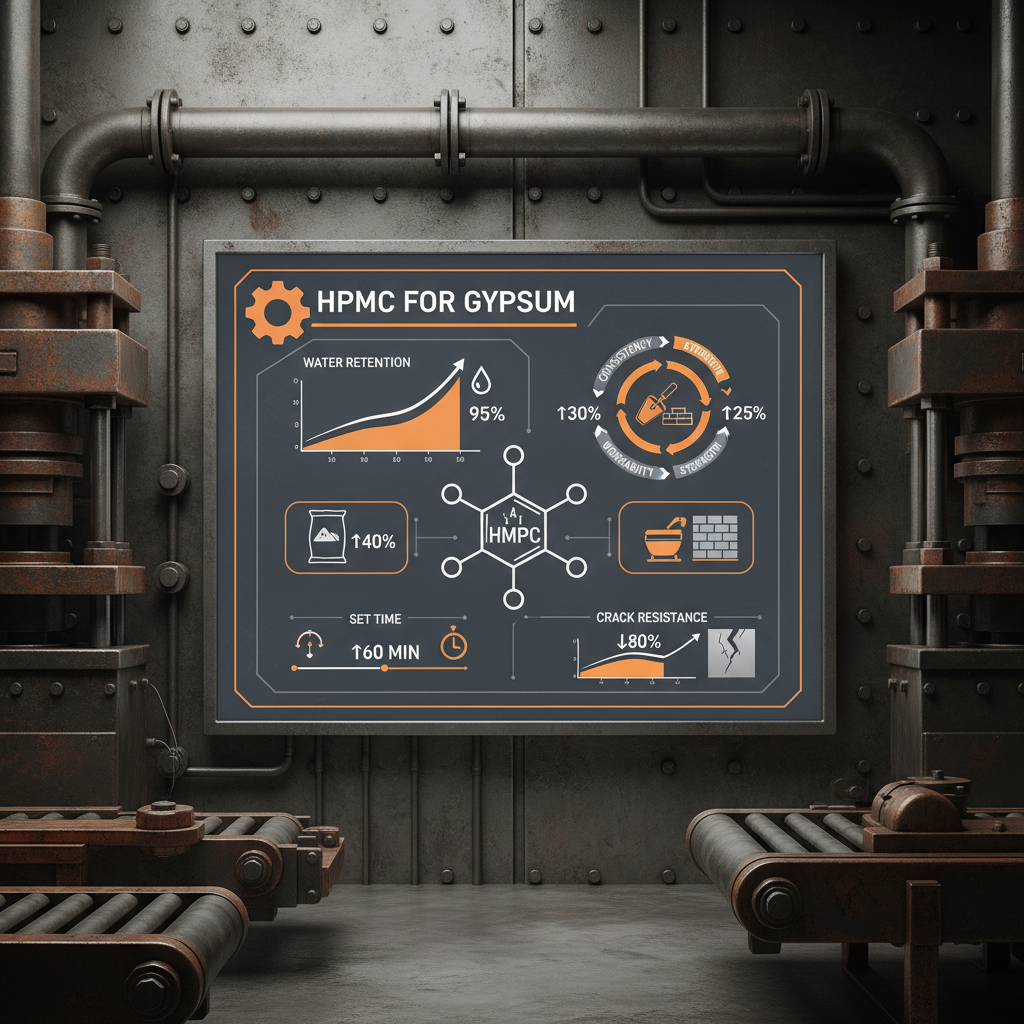
Within the construction industry, the Tg impacts the performance of cement-based mortars. HPMC is added to improve workability, adhesion, and water retention. An appropriate Tg ensures the mortar remains flexible enough to accommodate thermal expansion and contraction without cracking, enhancing durability and structural integrity.
hpmc glass transition temperature Influence on Applications
Global Impact and Industry Relevance
The demand for HPMC is experiencing substantial growth worldwide, driven by its versatility across diverse industries. This escalating demand creates a global need for reliable and consistent HPMC quality, making the assessment of hpmc glass transition temperature a key component in international trade and quality control standards.
Regulatory bodies in various countries are increasingly focusing on material characterization, including Tg measurements, to ensure product safety and efficacy. Adhering to these standards is vital for companies seeking to export HPMC-based products globally, and accurate Tg data plays a key role in demonstrating compliance.
Advantages of Understanding hpmc glass transition temperature
A thorough understanding of the hpmc glass transition temperature offers numerous benefits, including enhanced product development, improved process control, and reduced production costs. By precisely tailoring HPMC's Tg, manufacturers can optimize product performance and achieve desired characteristics.
Furthermore, controlling Tg contributes to greater product stability and shelf life, reducing waste and enhancing customer satisfaction. The ability to consistently meet quality standards and regulatory requirements also fosters trust and strengthens brand reputation.
Future Trends and Innovations in hpmc glass transition temperature
Ongoing research is focused on developing new HPMC grades with tailored Tg profiles to meet the evolving needs of various industries. This includes exploring novel chemical modifications and processing techniques to fine-tune the polymer’s thermal properties.
The integration of advanced analytical techniques, such as Dynamic Mechanical Analysis (DMA) and Differential Scanning Calorimetry (DSC), is also enabling more accurate and efficient determination of hpmc glass transition temperature. These advancements are crucial for driving innovation and optimizing HPMC performance.
Challenges in Measuring and Controlling hpmc glass transition temperature
Accurately measuring the hpmc glass transition temperature can be challenging due to the material's hygroscopic nature and the influence of plasticizers. Variations in moisture content and additives can significantly affect Tg measurements, requiring careful sample preparation and controlled testing conditions.
Maintaining consistent Tg across large-scale production batches can also be difficult, particularly when dealing with variations in raw material quality or processing parameters. Implementing robust quality control procedures and employing real-time monitoring techniques are essential for mitigating these challenges.
Future solutions involve developing more robust analytical methods less susceptible to environmental factors and implementing closed-loop control systems that automatically adjust processing parameters to maintain the desired Tg. These advancements will be critical for ensuring consistent product quality and maximizing HPMC performance.
Table Summarizing Factors Affecting hpmc glass transition temperature
| Factor |
Impact on Tg |
Severity of Impact (1-10) |
Mitigation Strategies |
| Molecular Weight |
Higher MW = Higher Tg |
8 |
Control polymerization process |
| Degree of Substitution (DS) |
Higher DS = Lower Tg |
7 |
Adjust DS during synthesis |
| Moisture Content |
Higher Moisture = Lower Tg |
9 |
Control humidity, use desiccants |
| Plasticizer Content |
Higher Plasticizer = Lower Tg |
8 |
Optimize plasticizer concentration |
| Processing Temperature |
High Temp can alter structure, impacting Tg |
6 |
Careful temperature control |
| HPMC Grade/Viscosity |
Different grades have varying Tg |
7 |
Select appropriate grade for application |
FAQS
The hpmc glass transition temperature generally falls between 140°C and 190°C (284°F and 374°F), though this can vary significantly based on factors like molecular weight, degree of substitution, and moisture content. Lower molecular weight HPMC and higher degrees of substitution will typically result in a lower Tg. Precise determination requires techniques like DSC or DMA, and understanding the specific grade of HPMC is essential for accurate interpretation.
Moisture acts as a plasticizer, significantly lowering the hpmc glass transition temperature. HPMC is hygroscopic, meaning it readily absorbs water from the environment. As water molecules integrate into the polymer matrix, they increase chain mobility, making the material more flexible and reducing its Tg. This is why controlling humidity during storage and processing is crucial for maintaining consistent product performance.
Differential Scanning Calorimetry (DSC) and Dynamic Mechanical Analysis (DMA) are the most common analytical methods. DSC measures the heat flow associated with the glass transition, while DMA measures the mechanical properties as a function of temperature. DSC is often preferred for its simplicity and sensitivity, while DMA provides more detailed information about the material’s viscoelastic behavior around the Tg.
The hpmc glass transition temperature can be modified through several means. Altering the molecular weight or degree of substitution during synthesis is a primary approach. Introducing plasticizers like glycerol or propylene glycol lowers Tg, while crosslinking can raise it. Carefully controlling moisture content during processing is also essential, as water acts as a plasticizer.
In pharmaceutical applications, the hpmc glass transition temperature dictates the drug release profile from controlled-release formulations. A lower Tg can lead to faster drug dissolution, while a higher Tg can provide sustained release. Precisely controlling the Tg ensures optimal therapeutic efficacy and predictable drug delivery, crucial for patient health and treatment success.
Generally, higher viscosity grades of HPMC tend to have slightly higher glass transition temperatures. This is because higher viscosity indicates longer polymer chains and greater chain entanglement. However, this relationship isn’t absolute, as other factors like DS and moisture content also significantly influence Tg. Selecting the appropriate viscosity grade is crucial for tailoring HPMC properties to specific applications.
Conclusion
In conclusion, the hpmc glass transition temperature is a fundamental property governing the behavior and performance of this versatile polymer across a broad spectrum of applications. From pharmaceuticals to construction and food processing, understanding the factors influencing Tg and employing precise control measures are essential for ensuring product quality, optimizing functionality, and achieving desired results.
Looking ahead, continued research and innovation in HPMC synthesis and characterization will lead to even greater control over its thermal properties, enabling the development of tailored materials for emerging applications. By prioritizing a deep understanding of the hpmc glass transition temperature, industries can unlock the full potential of this valuable polymer and drive advancements across various sectors. Visit our website at www.cnjzchemical.com to learn more about our HPMC products and technical expertise.