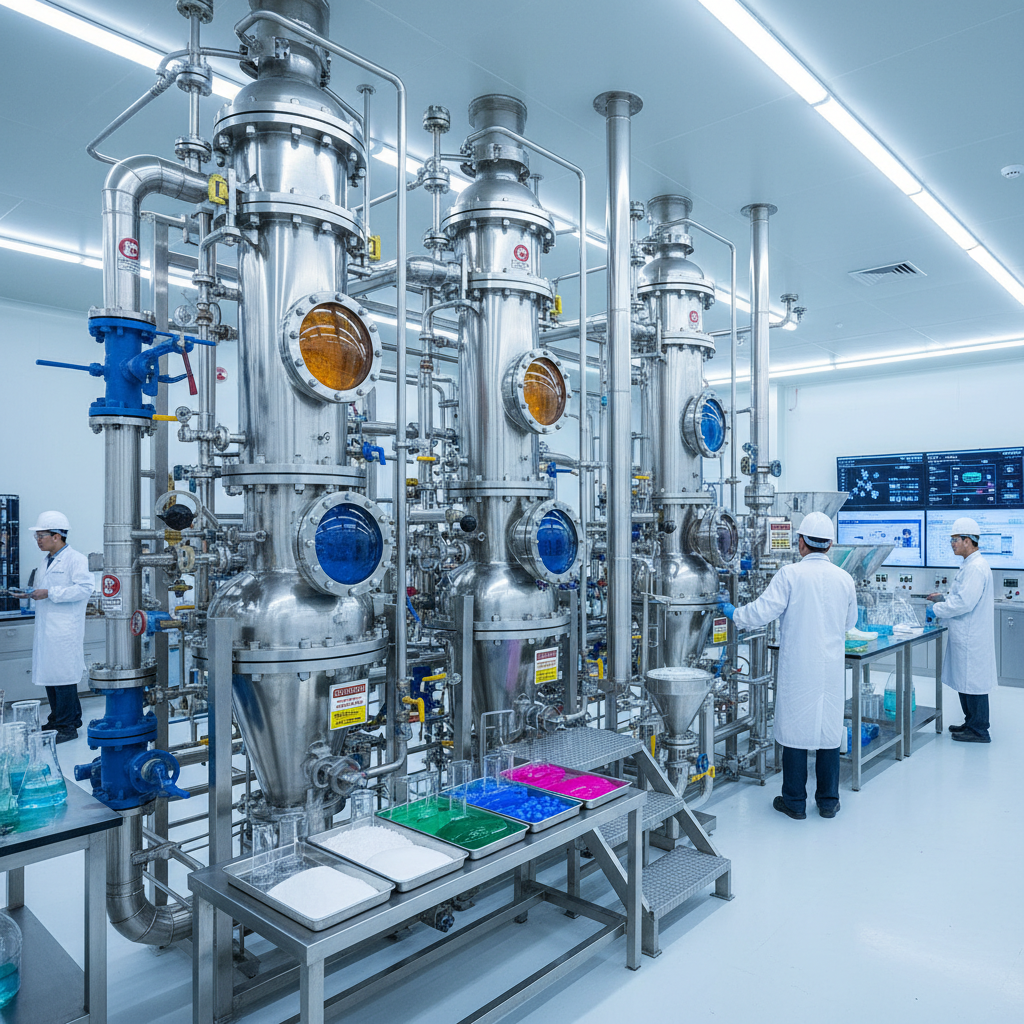
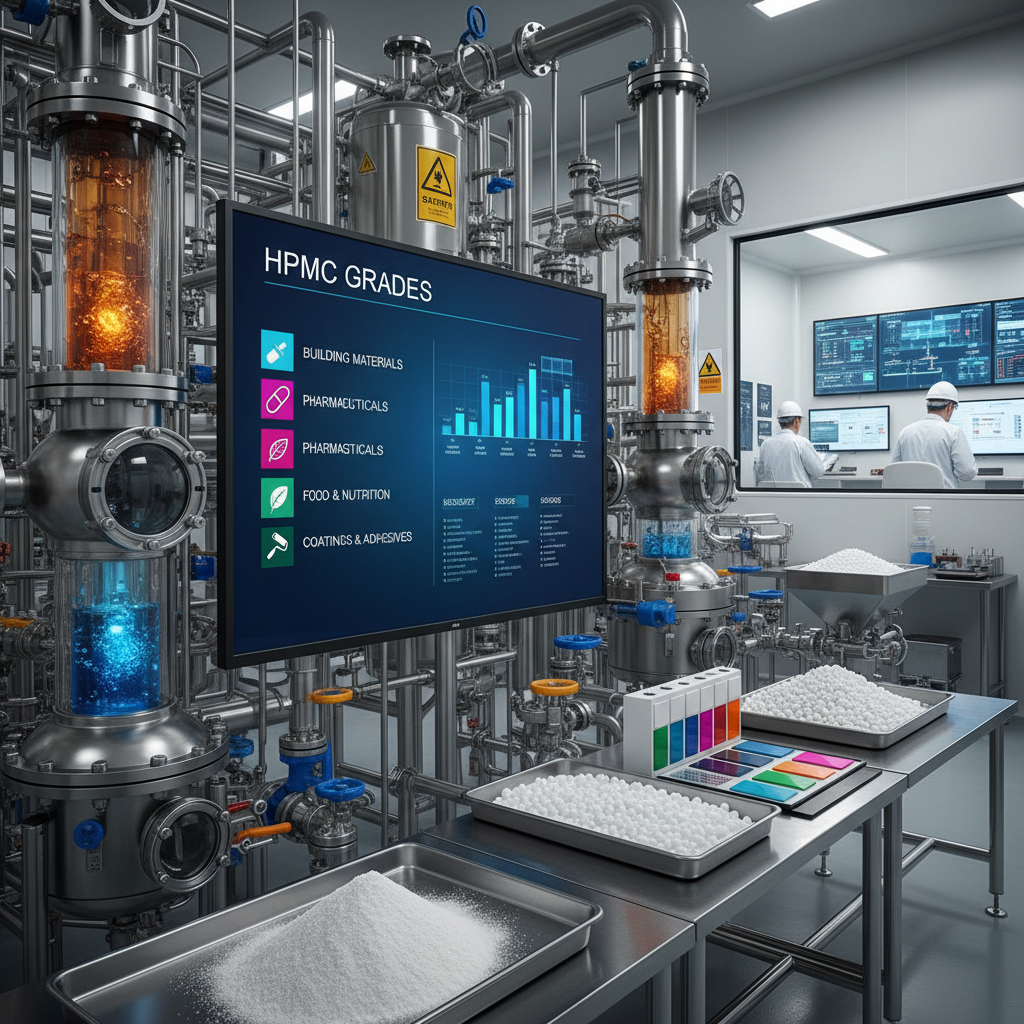
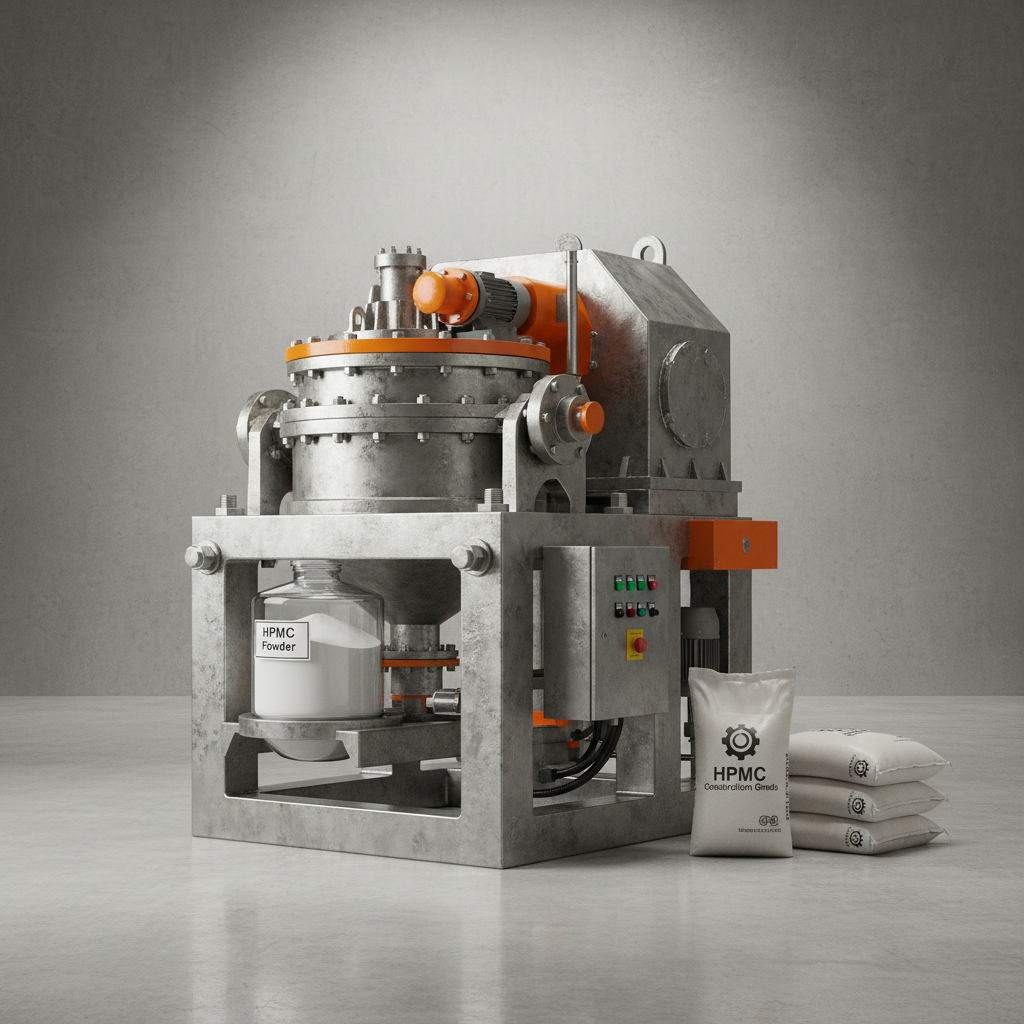
Hydroxypropyl methylcellulose (HPMC) grades represent a critical component in a diverse range of industrial applications, from pharmaceutical formulations and food processing to construction materials and paints. Understanding the nuances of different hpmc grades – their viscosity, particle size, and substitution degree – is paramount to achieving optimal performance and desired product characteristics. Globally, the demand for high-quality HPMC is steadily increasing, driven by growth in these key sectors and a rising need for materials with tailored properties.
The global HPMC market is experiencing significant expansion, estimated at USD 3.5 billion in 2023 and projected to reach USD 5.2 billion by 2033, growing at a CAGR of 3.9% from 2024 to 2033 (Source: Future Market Insights). This growth is largely fueled by the expanding pharmaceutical industry, particularly in emerging economies like India and China, as well as increasing demand for specialized construction materials. Recognizing the appropriate hpmc grades for specific applications is therefore crucial for manufacturers aiming to maintain product quality, consistency, and competitiveness.
The selection of the right hpmc grades isn’t merely a technical detail; it's a fundamental factor impacting product success. Poor grade selection can lead to issues ranging from reduced product efficacy and stability to processing difficulties and increased costs. This highlights the critical importance of comprehensive knowledge concerning hpmc grades and their properties for professionals across numerous industries. CNJZ Chemical offers a comprehensive range of hpmc grades to meet diverse application requirements.
Introduction to hpmc grades
HPMC, or Hydroxypropyl Methylcellulose, is a versatile cellulose ether widely utilized as a thickener, binder, film former, and protective colloid. The term “hpmc grades” refers to the different variations of this polymer, primarily categorized by their viscosity, which dictates how easily a liquid flows. Different industries require specific viscosity levels to achieve desired textures, stability, and performance in their final products.
The selection of the correct hpmc grades is based on several factors, including the target application, desired viscosity, compatibility with other ingredients, and regulatory requirements. CNJZ Chemical provides a broad spectrum of hpmc grades, meticulously manufactured to meet stringent quality standards and cater to the nuanced needs of various industries.
Defining hpmc grades and Their Significance
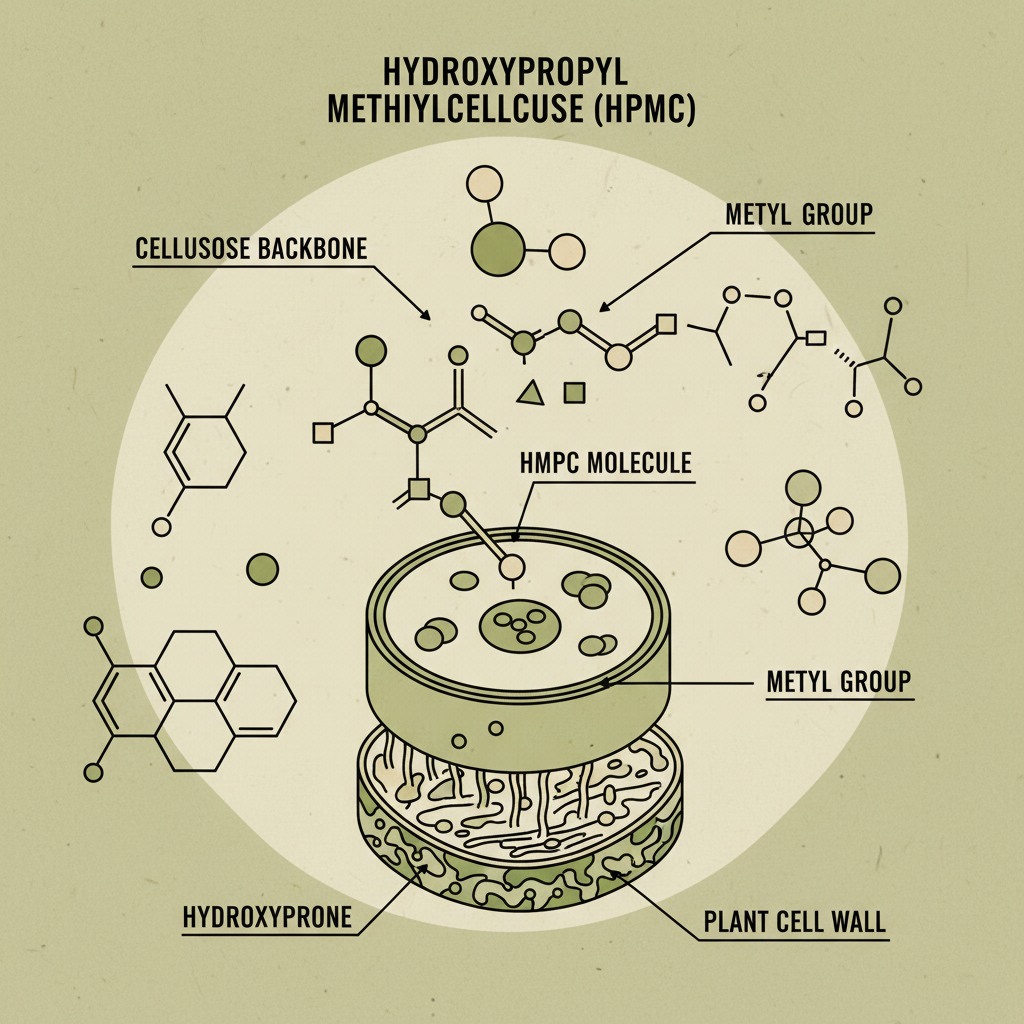
Hpmc grades are defined by a combination of characteristics, including viscosity, degree of substitution (DS), and molecular weight. Viscosity, measured in centipoise (cP), determines the thickening ability and flow behavior of the material. The DS, representing the proportion of hydroxylpropyl and methyl groups attached to the cellulose backbone, influences solubility, gelation temperature, and surface activity. Molecular weight impacts the polymer's strength and film-forming properties.
Understanding these parameters is crucial for selecting the right hpmc grades for a given application. For instance, a higher viscosity grade might be preferred for applications requiring substantial thickening, like construction adhesives, while a lower viscosity grade might be ideal for pharmaceutical coatings where ease of application is paramount.
In modern industry, HPMC's versatility addresses critical needs. In pharmaceuticals, it enables controlled drug release; in construction, it enhances workability and water retention in cement-based products; and in food processing, it improves texture and shelf life. CNJZ Chemical offers detailed specifications for all hpmc grades to facilitate informed decision-making.
Key Properties Influencing hpmc grades Performance
Several core properties directly affect the performance of hpmc grades. Firstly, Viscosity is arguably the most crucial, determining the thickening and flow characteristics. Secondly, Gelation Temperature impacts the formation of gels upon heating, essential in pharmaceutical and food applications. Thirdly, Water Retention is vital in construction to prevent premature drying of cement-based materials.
Fourthly, Surface Activity influences emulsification, foaming, and wetting properties, making hpmc grades valuable in paints, coatings, and personal care products. Fifthly, Solubility determines how easily the HPMC dissolves in water or other solvents, impacting processing efficiency. Finally, Particle Size impacts dissolution rate and the overall texture of the final product.
These properties are not independent; they are interconnected and can be adjusted during the manufacturing process to create hpmc grades tailored to specific needs. CNJZ Chemical provides technical data sheets detailing these properties for each of its hpmc grades, empowering customers to select the optimal material for their applications.
Practical Applications of Diverse hpmc grades
The versatility of hpmc grades manifests in a broad spectrum of applications. In the construction industry, hpmc grades such as Method F are used in tile adhesives, cement mortars, and self-leveling compounds to improve workability, adhesion, and water retention, minimizing cracking and ensuring durability. Pharmaceutical applications utilize various hpmc grades, including K4M and K15M, as film-coating agents for tablets, controlling drug release and enhancing patient compliance.
Food processing benefits from hpmc grades as thickeners, stabilizers, and emulsifiers in sauces, dressings, desserts, and dairy products. For example, hpmc grades contribute to the smooth texture of ice cream and prevent syneresis in yogurts. In the paints and coatings industry, hpmc grades improve paint consistency, brushability, and film formation, preventing sagging and enhancing adhesion.
Viscosity Ranges for Common hpmc grades Applications
Global Impact and Industries Benefiting from hpmc grades
The impact of hpmc grades is felt globally, with significant benefits accruing to numerous industries. The pharmaceutical sector in North America and Europe relies heavily on hpmc grades for drug formulation and delivery. The construction industry in rapidly developing nations like China and India utilizes hpmc grades to enhance the performance of building materials.
In post-disaster relief operations, hpmc grades play a vital role in preparing emergency food supplies and providing stable, long-lasting nutrition. Furthermore, the growing demand for sustainable and environmentally friendly products is driving innovation in hpmc grades production and application.
Advantages and Long-Term Value of Optimized hpmc grades
Optimizing hpmc grades selection delivers tangible benefits. Cost-efficiency is achieved through reduced material usage and improved processing efficiency. Sustainability is enhanced by utilizing a cellulose-based, renewable resource. Social impact is realized through improved product safety and efficacy, particularly in pharmaceuticals and food.
Long-term value is derived from enhanced product reliability, extended shelf life, and increased customer satisfaction. The use of appropriate hpmc grades fosters innovation, builds trust with consumers, and contributes to the overall success of businesses. CNJZ Chemical is committed to providing high-quality hpmc grades that deliver lasting value to our customers.
Future Trends and Innovations in hpmc grades Technology
The future of hpmc grades lies in several exciting areas. Research is ongoing to develop modified hpmc grades with enhanced functionalities, such as improved biocompatibility and controlled release capabilities. Green chemistry principles are being applied to develop more sustainable production processes, reducing environmental impact.
Digital transformation is enabling precise control over hpmc grades properties, leading to more tailored solutions for specific applications. Automation and advanced analytics are optimizing manufacturing processes and improving quality control. These innovations will continue to expand the application potential of hpmc grades across various industries.
The integration of nanotechnology with hpmc grades is also showing promise, allowing for the creation of novel materials with unique properties. CNJZ Chemical actively invests in research and development to stay at the forefront of these advancements, continually improving our range of hpmc grades.
Summary of Key Considerations for hpmc grades Selection
| Application Area |
Critical hpmc grades Property |
Recommended Viscosity Range (cP) |
Typical hpmc grades Method |
| Pharmaceutical Film Coating |
Solution Clarity & Film Formation |
4,000 - 15,000 |
K4M, K15M |
| Construction Tile Adhesive |
Water Retention & Workability |
60,000 - 100,000 |
F4M, F5M |
| Food Sauce Thickening |
Texture & Stability |
10,000 – 40,000 |
E4M, E5M |
| Paint & Coating Rheology Modifier |
Brushability & Sag Resistance |
5,000 – 20,000 |
A4M, A5M |
| Personal Care Product Stabilizer |
Emulsification & Foam Stability |
15,000 – 30,000 |
K4M, K15M |
| Cement Mortar Water Retention |
Workability & Crack Reduction |
40,000 - 80,000 |
F4M, F5M |
FAQS
Selecting the optimal hpmc grades for pharmaceuticals requires careful consideration of several factors, including the desired drug release profile, tablet hardness, coating thickness, and compatibility with other excipients. Viscosity, gelation temperature, and particle size are key properties to evaluate. Different hpmc grades, like K4M or K15M, offer distinct properties impacting these parameters. Ensuring regulatory compliance and conducting thorough compatibility studies are also essential to guarantee product safety and efficacy.
Viscosity significantly impacts the performance of construction adhesives. Higher viscosity hpmc grades provide better adhesion, sag resistance, and prevent the adhesive from running or dripping during application. They also contribute to increased open time, allowing for adjustments before bonding. However, excessively high viscosity can hinder workability. Finding the right balance is crucial for optimal adhesive performance.
Yes, blending different hpmc grades is a common practice to tailor properties to specific application requirements. By combining grades with varying viscosities and substitution degrees, manufacturers can achieve a synergistic effect, optimizing performance characteristics such as viscosity, gelation temperature, and water retention. Careful formulation and thorough testing are essential to ensure compatibility and desired results.
HPMC offers significant sustainability advantages as it is derived from cellulose, a renewable resource. Its production process generally has a lower environmental impact compared to synthetic polymers. HPMC is also biodegradable under certain conditions, reducing its long-term environmental footprint. Choosing responsibly sourced cellulose and employing sustainable manufacturing practices further enhance the sustainability profile of hpmc.
Proper storage is critical for preserving the quality of hpmc grades. They should be stored in a cool, dry, and well-ventilated area, away from direct sunlight, heat sources, and moisture. Containers should be tightly sealed to prevent contamination and clumping. Following these storage guidelines ensures that the hpmc grades retain their original properties and performance characteristics.
The degree of substitution (DS) – the amount of methyl and hydroxypropyl groups attached to the cellulose backbone – profoundly affects hpmc’s solubility and gelation properties. Higher DS generally improves solubility in both water and organic solvents. It also lowers the gelation temperature, making the HPMC more responsive to temperature changes. Adjusting the DS allows for fine-tuning the properties to suit diverse applications.
Conclusion
In conclusion, understanding hpmc grades – their properties, applications, and future trends – is paramount for professionals across diverse industries. The careful selection of the right hpmc grades leads to enhanced product performance, improved sustainability, and increased cost-efficiency. The versatility of this remarkable polymer continues to drive innovation and address critical needs in pharmaceuticals, construction, food processing, and beyond.
Looking ahead, continued research and development in hpmc grades technology promise even more tailored solutions for emerging challenges. CNJZ Chemical is dedicated to providing high-quality, innovative hpmc grades and expert technical support to empower our customers and contribute to a more sustainable future. We invite you to visit our website to explore our comprehensive product portfolio and discover how hpmc grades can benefit your applications.