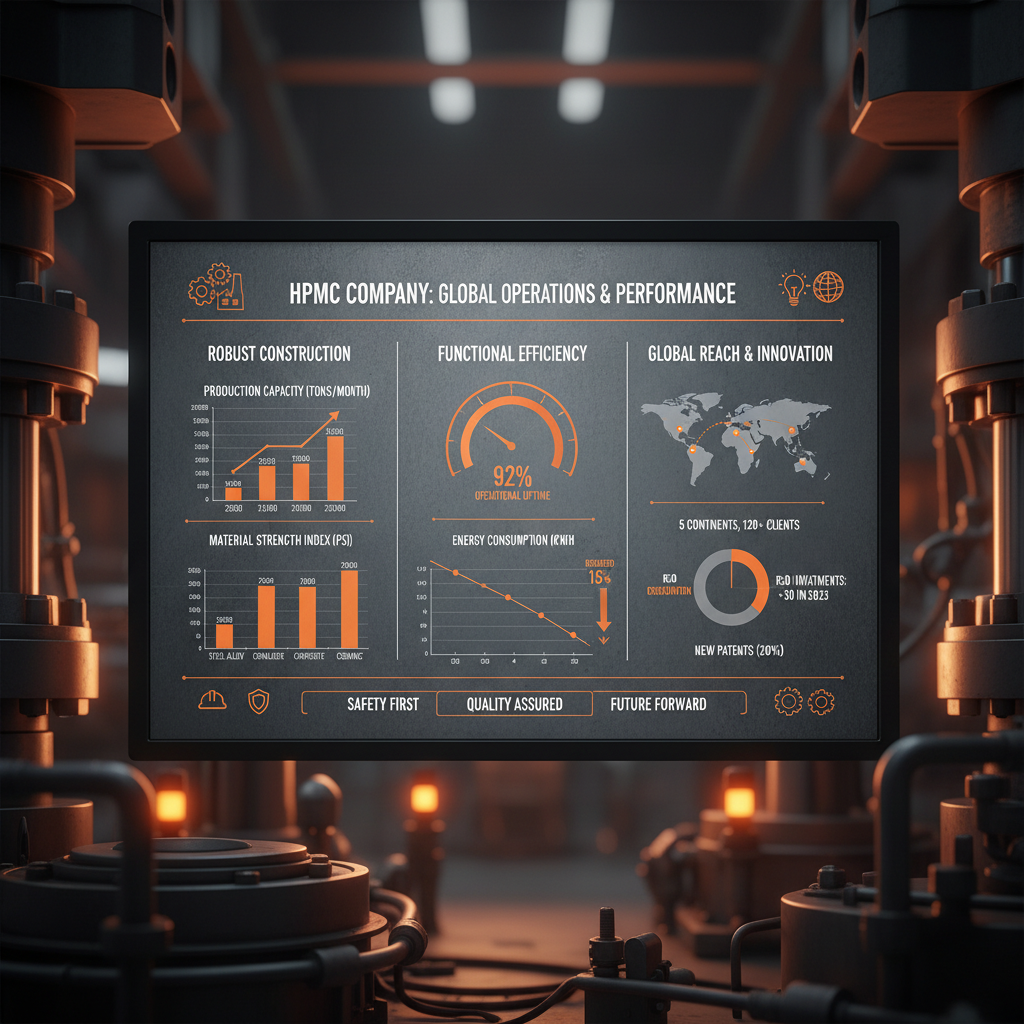
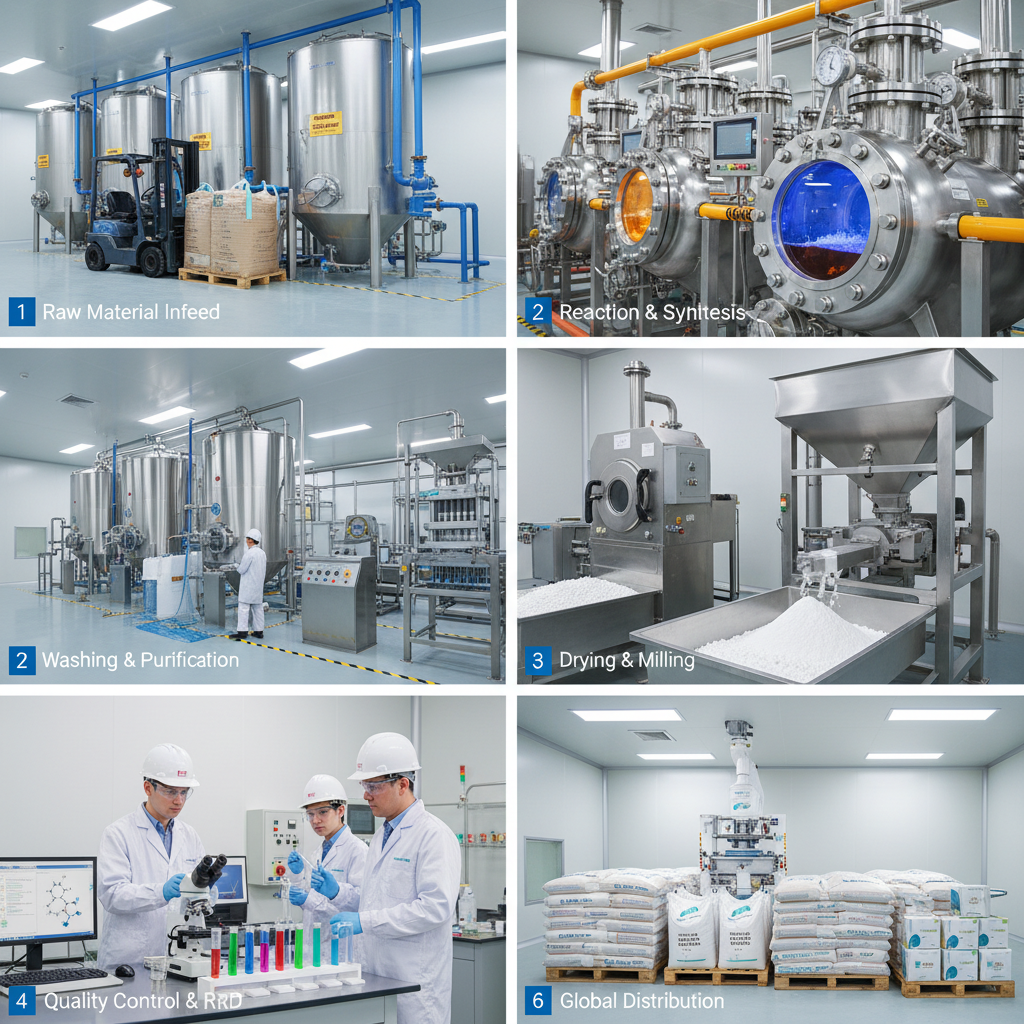
The field of chemical modification of cellulose ethers, particularly Hydroxypropyl Methylcellulose (HPMC), is experiencing rapid growth driven by escalating demands across diverse industries. As a leading hpmc company, we understand that HPMC’s versatility, stemming from its unique physicochemical properties, positions it as a crucial ingredient in construction, pharmaceuticals, food, cosmetics, and numerous other applications. Understanding the nuances of HPMC production, quality control, and application is paramount for manufacturers and end-users alike in a globally competitive market.
Global industries increasingly rely on performance-enhancing additives, and HPMC consistently delivers. Statistical data from the cellulose ether market reveals consistent annual growth, projected to reach multi-billion dollar valuations within the next decade (source: Market Research Future, 2024). This growth is fueled by the construction boom in emerging economies and a rising demand for controlled-release pharmaceutical formulations. As a dedicated hpmc company, we contribute to this growth through innovation and quality.
The challenge lies in consistently delivering high-quality HPMC that meets specific application requirements, navigating complex regulatory landscapes, and implementing sustainable production practices. Addressing these challenges requires specialized expertise and a commitment to continuous improvement – core tenets of a responsible hpmc company like ours.
Defining HPMC: Properties and Production
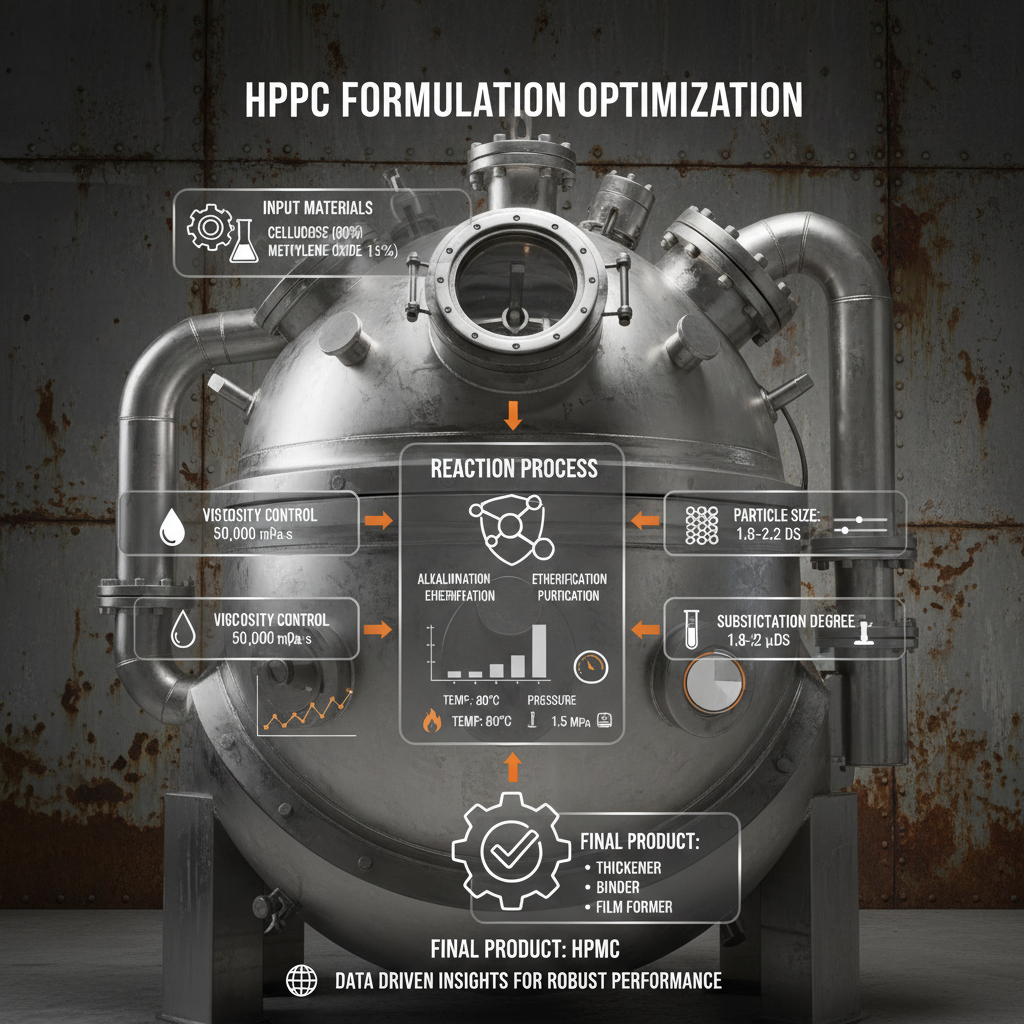
Hydroxypropyl Methylcellulose (HPMC) is a non-ionic cellulose ether derived from cellulose, commonly produced from wood pulp or cotton linter. Its production involves chemical modification of cellulose through etherification with methyl chloride and propylene oxide. This process controls the degree of substitution (DS) of methoxyl and hydroxypropyl groups, directly influencing HPMC’s viscosity, gelation temperature, and solubility. As an hpmc company, we specialize in meticulously controlling these parameters.
The resulting HPMC possesses a unique combination of properties, including water solubility, thickening ability, film-forming capabilities, and thermal gelation. These properties are crucial in a wide spectrum of industries, from building materials to pharmaceutical formulations, making HPMC a highly versatile and sought-after ingredient.
The Global HPMC Market Landscape
The global HPMC market is characterized by a competitive landscape with key players, including dedicated hpmc company like ours, located primarily in Asia-Pacific (China, India), Europe, and North America. China currently dominates both production and consumption, driven by its robust construction sector and growing pharmaceutical industry. However, demand is rapidly increasing in other regions, particularly in Southeast Asia and Latin America.
Market dynamics are influenced by fluctuations in raw material costs (cellulose), environmental regulations, and technological advancements in production processes. Furthermore, evolving customer needs for customized HPMC grades with specific performance characteristics are shaping the competitive landscape. Successful companies in this market prioritize innovation, quality control, and responsive customer service.
According to recent market reports (Mordor Intelligence, 2023), the HPMC market is projected to grow at a CAGR of 6-8% over the next five years, driven by the expanding construction industry, increasing demand for pharmaceutical excipients, and growing awareness of the benefits of HPMC in food applications.
Key Characteristics of HPMC
HPMC’s performance is defined by several key characteristics, including viscosity, gelation temperature, and water retention. Viscosity dictates the thickening and flow control properties of HPMC solutions, while gelation temperature determines the temperature at which the solution transitions from liquid to gel. These properties are carefully controlled during production and tailored to specific application requirements. A quality hpmc company will offer a wide range of viscosity grades.
Water retention is another critical characteristic, especially in construction applications like cement-based mortars and tile adhesives. HPMC helps to prevent premature drying, improves workability, and enhances adhesion. The level of hydroxypropyl substitution directly influences water retention capacity.
Furthermore, HPMC exhibits excellent film-forming properties, creating durable and flexible films used in coatings, adhesives, and pharmaceutical film coatings. The chemical stability and biocompatibility of HPMC contribute to its widespread use in sensitive applications.
Application-Specific HPMC Grades
Different applications demand specific HPMC grades tailored to their unique requirements. For instance, construction-grade HPMC typically features high viscosity and water retention, while pharmaceutical-grade HPMC requires stringent purity standards and controlled particle size distribution. As a specialized hpmc company, we offer a comprehensive portfolio of grades optimized for each industry.
The HPMC grade is determined by factors like molecular weight, degree of substitution, and particle size. For example, low-viscosity HPMC is often used in coatings and adhesives for easy application, while high-viscosity HPMC is preferred in cement-based materials for improved workability and adhesion.
HPMC Grade Performance Across Applications
Regional Demand and Supply Chains
Asia-Pacific currently represents the largest consumer of HPMC, driven by rapid urbanization, infrastructure development, and the growth of the pharmaceutical sector in countries like China, India, and Southeast Asian nations. North America and Europe follow, with demand primarily driven by the pharmaceutical, food, and construction industries. This regional concentration impacts supply chain dynamics significantly.
Supply chains are increasingly complex, with raw material sourcing, HPMC production, and distribution spanning multiple continents. Geopolitical factors, transportation costs, and trade regulations play a crucial role in ensuring a stable and efficient supply. As a reputable hpmc company, we maintain diversified sourcing strategies and robust logistics networks to mitigate potential disruptions.
Advantages of Utilizing HPMC
HPMC offers numerous advantages over alternative additives in various applications. Its non-toxicity, biocompatibility, and biodegradability make it a sustainable and environmentally friendly choice. Furthermore, its versatility allows for formulation flexibility and cost optimization.
In construction, HPMC enhances workability, adhesion, and water retention, leading to improved mortar performance and reduced cracking. In pharmaceuticals, it serves as an excellent film-coating agent, binder, and controlled-release matrix, improving drug delivery and patient compliance. As a leading hpmc company, we are committed to providing sustainable solutions.
Beyond these core benefits, HPMC’s thermal gelation property provides unique functionalities in applications like hot melt adhesives and specialized coatings. The consistent quality and reliable performance of HPMC contribute to improved product quality and reduced manufacturing costs.
Future Outlook and Innovation in HPMC
The future of HPMC lies in sustainable production practices, innovative applications, and tailored product development. Research and development efforts are focused on utilizing bio-based cellulose sources, optimizing production processes to reduce environmental impact, and developing HPMC grades with enhanced functionalities.
Emerging applications include 3D printing, bio-composites, and advanced drug delivery systems. Nanotechnology is also playing a role, with researchers exploring the use of HPMC nanoparticles to enhance drug solubility and bioavailability. As an innovative hpmc company, we are actively involved in these research endeavors.
The increasing demand for environmentally friendly and sustainable materials will continue to drive the growth of the HPMC market, positioning it as a key ingredient in a wide range of industries.
Summary of Key Future Trends Influencing HPMC Development
| Trend Category |
Description |
Impact on HPMC |
Expected Timeline |
| Bio-based Sourcing |
Shifting from wood pulp to alternative cellulose sources like agricultural waste. |
Increased sustainability and reduced environmental footprint. |
5-10 years |
| Nanotechnology Integration |
Utilizing HPMC nanoparticles for enhanced drug delivery and material properties. |
Improved solubility, bioavailability, and performance characteristics. |
3-7 years |
| 3D Printing Applications |
Employing HPMC as a binder and support material in 3D printing processes. |
Expanding the range of printable materials and creating customized structures. |
2-5 years |
| Sustainable Production |
Implementing closed-loop systems and reducing waste in HPMC manufacturing. |
Lower environmental impact and reduced production costs. |
Ongoing |
| Customized Grades |
Developing HPMC grades tailored to specific application requirements. |
Optimized performance and enhanced product quality. |
Ongoing |
| Digitalization of Production |
Utilizing AI and machine learning to optimize HPMC production processes. |
Improved efficiency, quality control, and reduced waste. |
5-10 years |
FAQS
The key differences lie in viscosity, gelation temperature, and the degree of substitution (DS). Viscosity impacts thickening and flow properties. Gelation temperature dictates the point at which the HPMC solution forms a gel. DS determines solubility and water retention. A reputable hpmc company offers detailed specifications for each grade to meet application requirements. Selecting the appropriate grade is vital for optimal performance.
Yes, HPMC is widely recognized as safe for food applications. It’s approved by regulatory bodies like the FDA and EFSA as a food additive (E464). It's non-toxic, non-allergenic, and doesn't contribute to calories. HPMC serves various functions in food, like thickening, stabilizing, and film forming. Choosing a food-grade HPMC from a trusted hpmc company is crucial to ensure adherence to stringent safety standards.
HPMC significantly enhances the workability of cement-based mortars by improving water retention and reducing water loss during application. This allows for easier spreading, better adhesion to substrates, and reduced cracking. HPMC also enhances the open time, giving more time for adjustments. A dedicated hpmc company will provide grades specifically designed for this purpose.
Generally, HPMC has a shelf life of 2-5 years when stored correctly. It should be stored in a cool, dry, and well-ventilated area, away from direct sunlight and moisture. Exposure to humidity can cause clumping and affect its performance. Always refer to the manufacturer’s (like a leading hpmc company) specific storage recommendations.
Yes, HPMC is often used in combination with other cellulose ethers, such as Methylcellulose (MC) and Hydroxyethylcellulose (HEC), to achieve synergistic effects and tailor performance characteristics. Different combinations offer unique properties like improved water retention, enhanced workability, and modified gelation behavior. A specialized hpmc company can advise on optimal blending ratios.
Sustainability initiatives include sourcing cellulose from sustainable forests, utilizing closed-loop production systems to minimize waste, reducing energy consumption, and developing bio-based HPMC alternatives. Many hpmc company are investing in these areas to reduce their environmental impact. Increasing use of renewable energy sources is also key.
Conclusion
In conclusion, Hydroxypropyl Methylcellulose (HPMC) is a remarkably versatile polymer with significant implications across a diverse range of industries. Its unique combination of properties, including thickening ability, water retention, film formation, and thermal gelation, makes it an invaluable ingredient in construction, pharmaceuticals, food, and cosmetics. The future of HPMC is bright, driven by innovation, sustainability, and the demand for high-performance materials. Choosing a reliable hpmc company is key for consistent quality.
Looking ahead, continued research and development will focus on optimizing HPMC production processes, exploring new applications, and minimizing environmental impact. Embracing sustainable sourcing practices, investing in nanotechnology, and tailoring HPMC grades to specific needs will unlock even greater potential for this crucial material. Visit our website: www.cnjzchemical.com to learn more about our HPMC products and services.