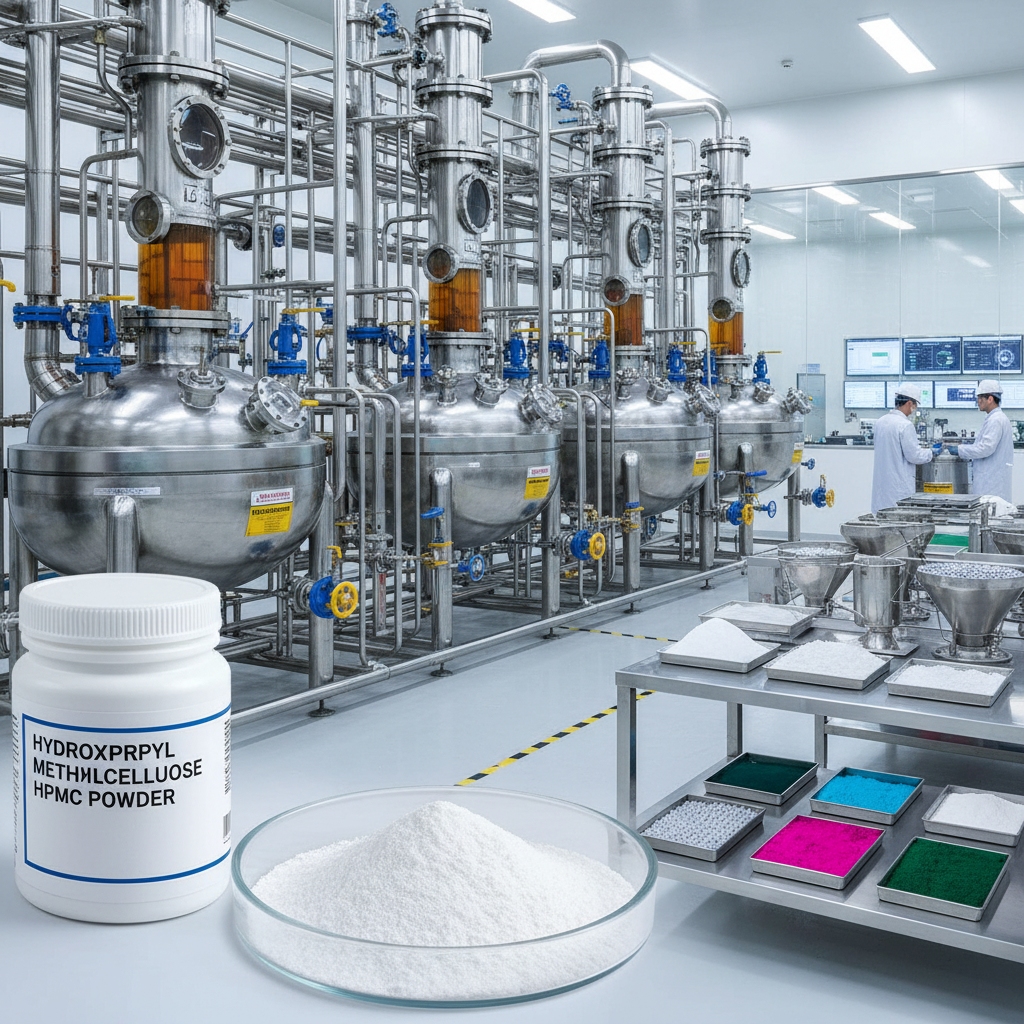
Look, I’ve spent the last fifteen years breathing concrete dust and arguing with foremen. When it comes to construction materials, I don't deal in theory – I deal in what works on the job site. And that's why understanding what hpmc stands for – Hydroxypropyl Methylcellulose – is critical. It’s not just some chemical formula; it's the difference between a smooth pour and a frustrating mess, between a project delivered on time and one that bleeds money. It impacts everything from tile adhesives to cement mortars, and trust me, when things go wrong with those, everyone feels it.
For too long, this stuff has been buried in technical data sheets. Engineers understand the science, sure, but the guys actually mixing and applying the materials? They need to understand what it does. They need to know why a little bit of this powder can completely transform how a compound handles, how it holds water, and ultimately, how well the final product performs. The global construction industry is a multi-trillion dollar market, and a consistent, reliable material like this is essential to keeping it running smoothly.
Frankly, it’s becoming even more important. We’re building bigger, taller, more complex structures, and demanding more performance from our materials. We’re also facing increasing pressure to be more sustainable and efficient. hpmc stands for a way to address both those challenges, and ignoring it isn't an option anymore. This isn't some trendy additive; it’s a fundamental building block.

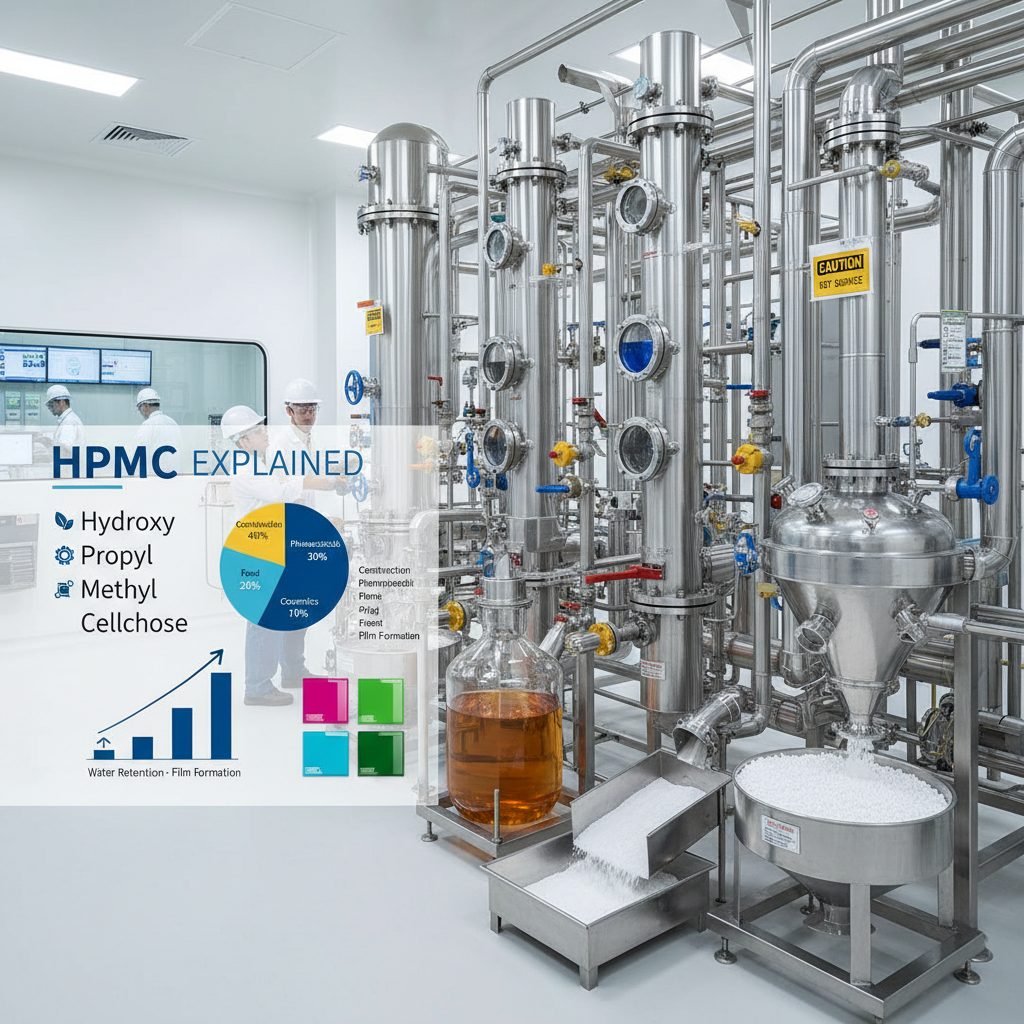
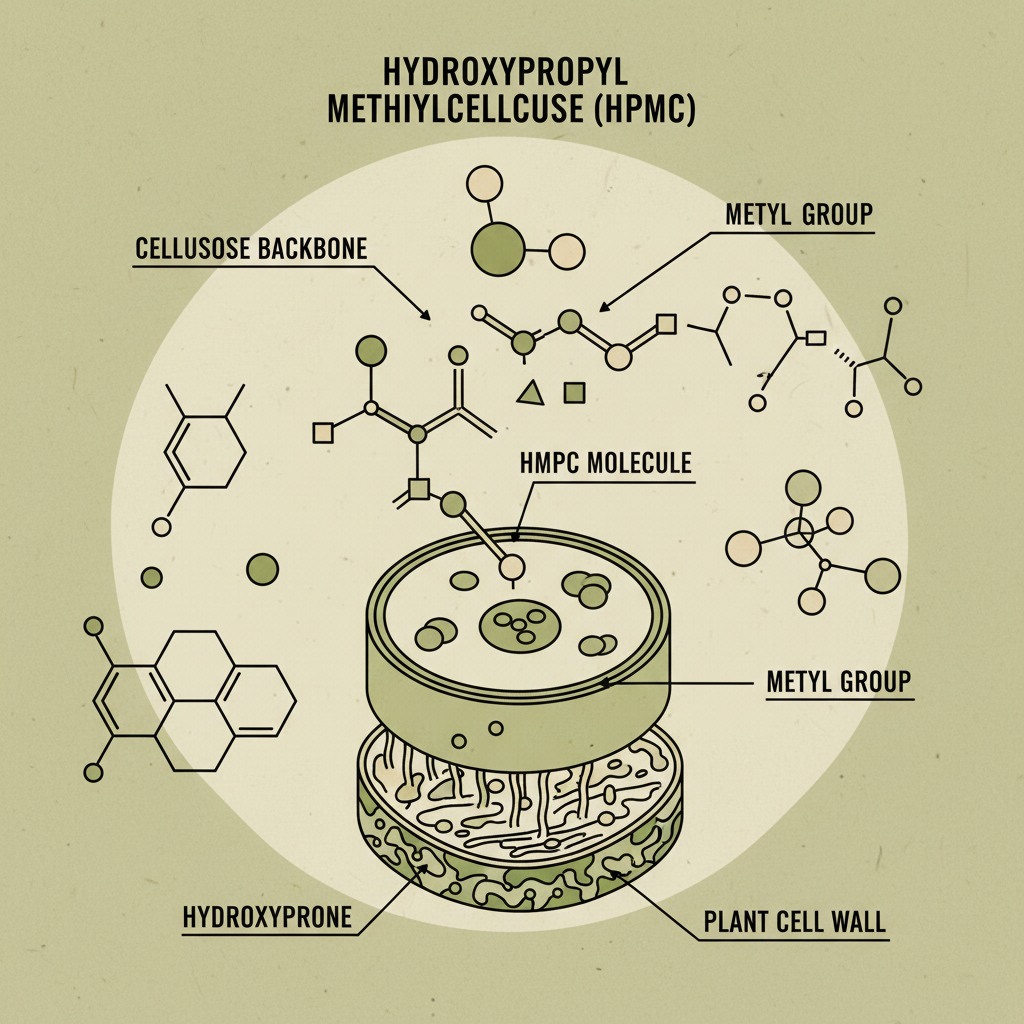
Let’s cut through the jargon. hpmc stands for Hydroxypropyl Methylcellulose, and it's a cellulose ether derived from wood pulp. What that means is it’s a natural polymer that’s been chemically modified to give it incredible properties – thickening, water retention, binding, and film-forming capabilities. It's essentially a workhorse for controlling the consistency and performance of water-based formulations.
The importance of understanding this material goes beyond just knowing the name. It's about understanding how it interacts with other ingredients, how different grades affect performance, and ultimately, how to use it to solve real-world problems on the construction site. Think of it like this: you can have the best cement in the world, but if your mortar doesn’t have the right workability, it's going to be a disaster.
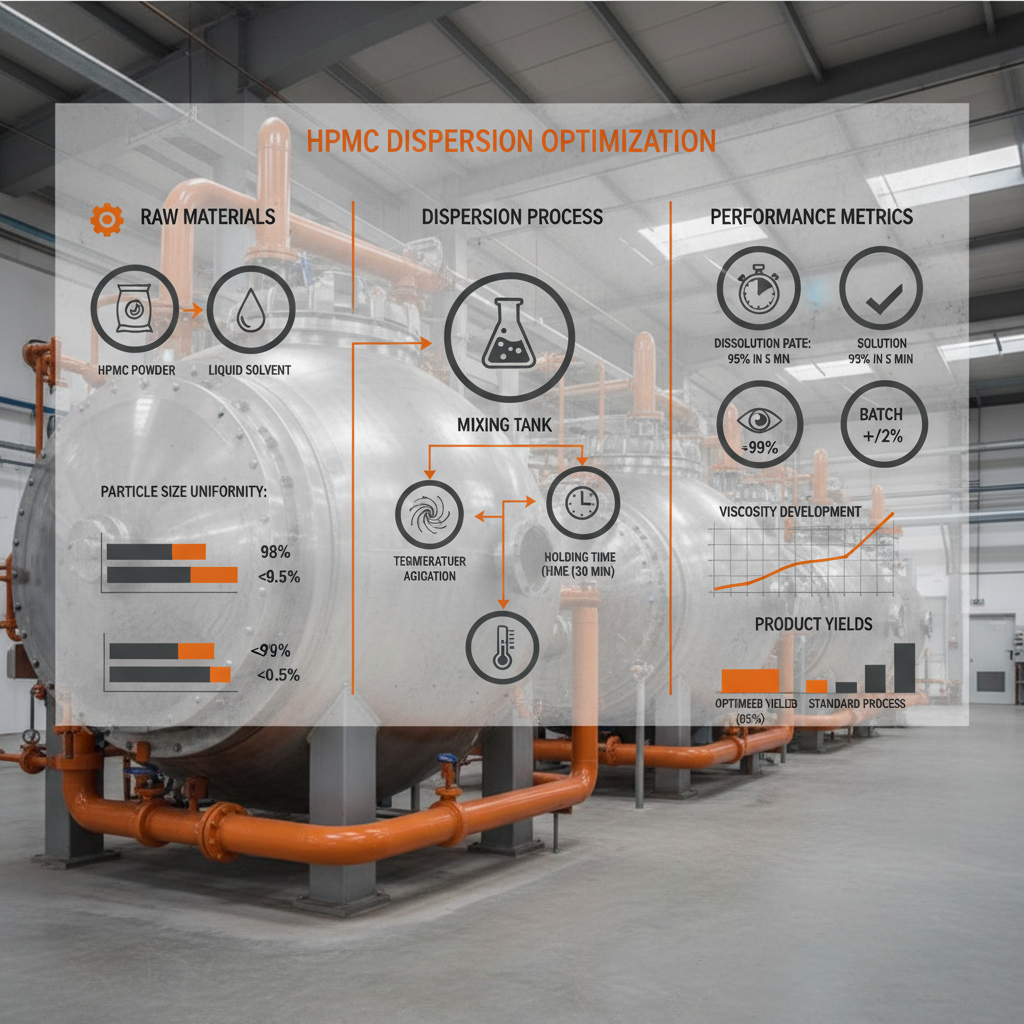
The most common issue I see is not dispersing the HPMC properly. You can't just dump it into the mix dry – it'll clump and won’t work effectively. You need to pre-mix it with a small amount of water to create a slurry before adding it to the main batch. Otherwise, you’re just wasting your money and getting inconsistent results.
HPMC generally slows down the initial set time of concrete. This is because it retains water, prolonging the hydration process. This can be beneficial in hot weather or for large pours, giving you more working time. However, it's important to adjust your mix design accordingly and consider using a set retarder if a significantly longer setting time is needed.
Compared to some synthetic polymers, HPMC is relatively sustainable because it’s derived from cellulose, a natural resource. However, it's important to consider the source of the cellulose and the manufacturing process. Look for suppliers who use responsibly sourced wood pulp and employ environmentally friendly production methods.
There are various grades of HPMC, differentiated by their viscosity, molecular weight, and degree of substitution. Higher viscosity grades are used for applications requiring greater thickening, like tile adhesives. Lower viscosity grades are used for self-leveling compounds. The key is to match the grade to the specific application and desired performance characteristics. Consulting with a supplier is always a good idea.
HPMC can be used in exterior applications, but it’s not inherently UV resistant. Prolonged exposure to sunlight can degrade the polymer over time. To mitigate this, it’s often combined with other additives that provide UV protection, or used in formulations where it’s shielded from direct sunlight, like within a coating or render system.
Dosage rates vary depending on the application, the type of cement, and the desired properties. Typically, it’s between 0.5% and 2% by weight of the cementitious material. It's crucial to start with a lower dosage and test the mixture to determine the optimal amount. Too much HPMC can lead to excessive water retention and reduced strength.
So, there you have it. hpmc stands for more than just a chemical name – it’s a fundamental component of modern construction. Understanding its properties and applications is critical for anyone involved in building, from engineers to contractors to DIY enthusiasts. It's about building better, building stronger, and building more sustainably.
Don't underestimate the power of a well-formulated mix. Invest in quality hpmc stands for, take the time to understand how it works, and you’ll see a significant improvement in the performance and durability of your projects. For reliable sourcing and expert advice, visit our website: www.cnjzchemical.com.