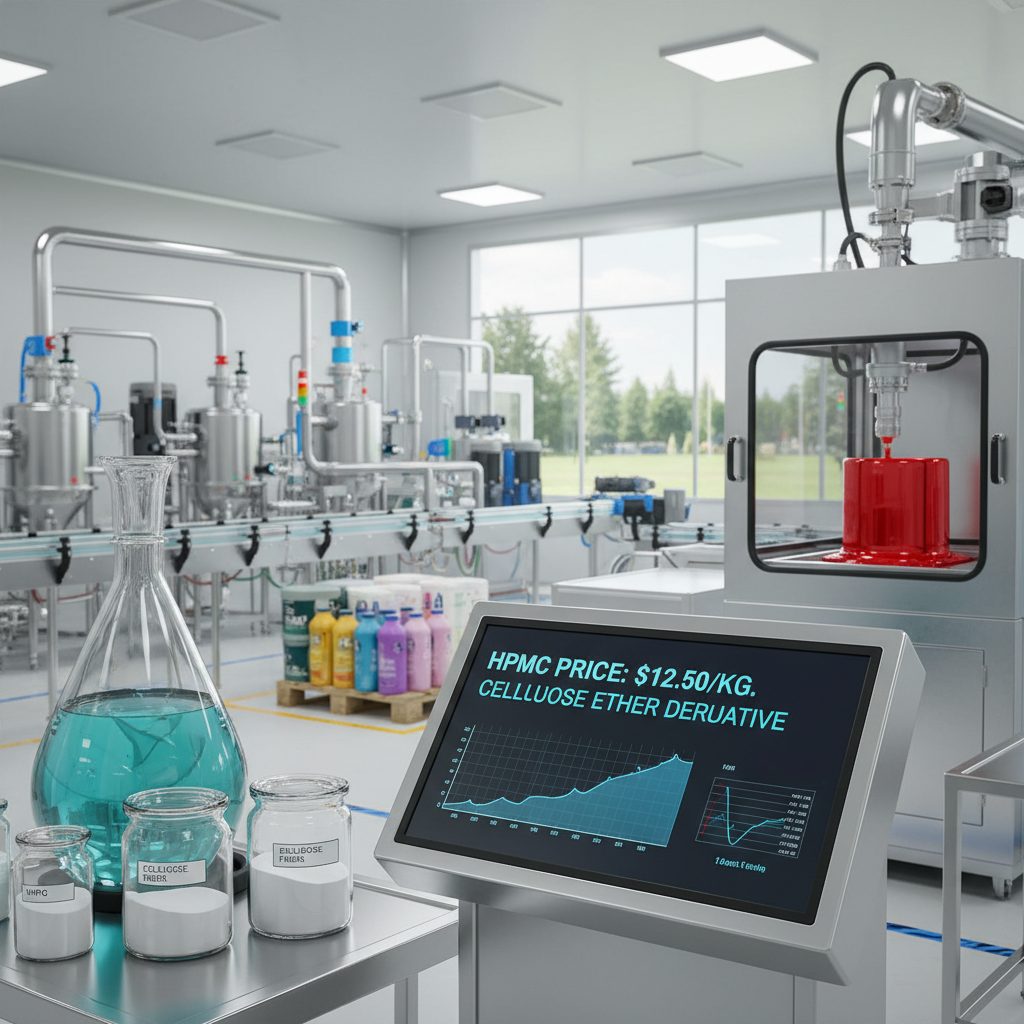
hpmc dispersion represents a critical advancement in material science, offering versatile solutions across a multitude of industries. Its unique properties enable the creation of stable, high-performance formulations crucial for applications ranging from construction and pharmaceuticals to food processing and cosmetics. Understanding hpmc dispersion isn't merely academic; it’s fundamental to driving innovation and addressing contemporary challenges in product development and performance optimization.
Globally, the demand for effective and adaptable material solutions is steadily increasing, fueled by population growth, urbanization, and evolving consumer needs. hpmc dispersion directly addresses this demand by providing a customizable platform for achieving desired texture, viscosity, stability, and controlled release characteristics. This is particularly vital in regions facing resource constraints or seeking sustainable alternatives to traditional materials.
The rising emphasis on efficiency, sustainability, and specialized product formulations solidifies hpmc dispersion’s importance as a cornerstone ingredient. Its ability to enhance product performance, streamline manufacturing processes, and reduce environmental impact positions it as a key enabler for future advancements in diverse sectors.
Introduction to hpmc dispersion
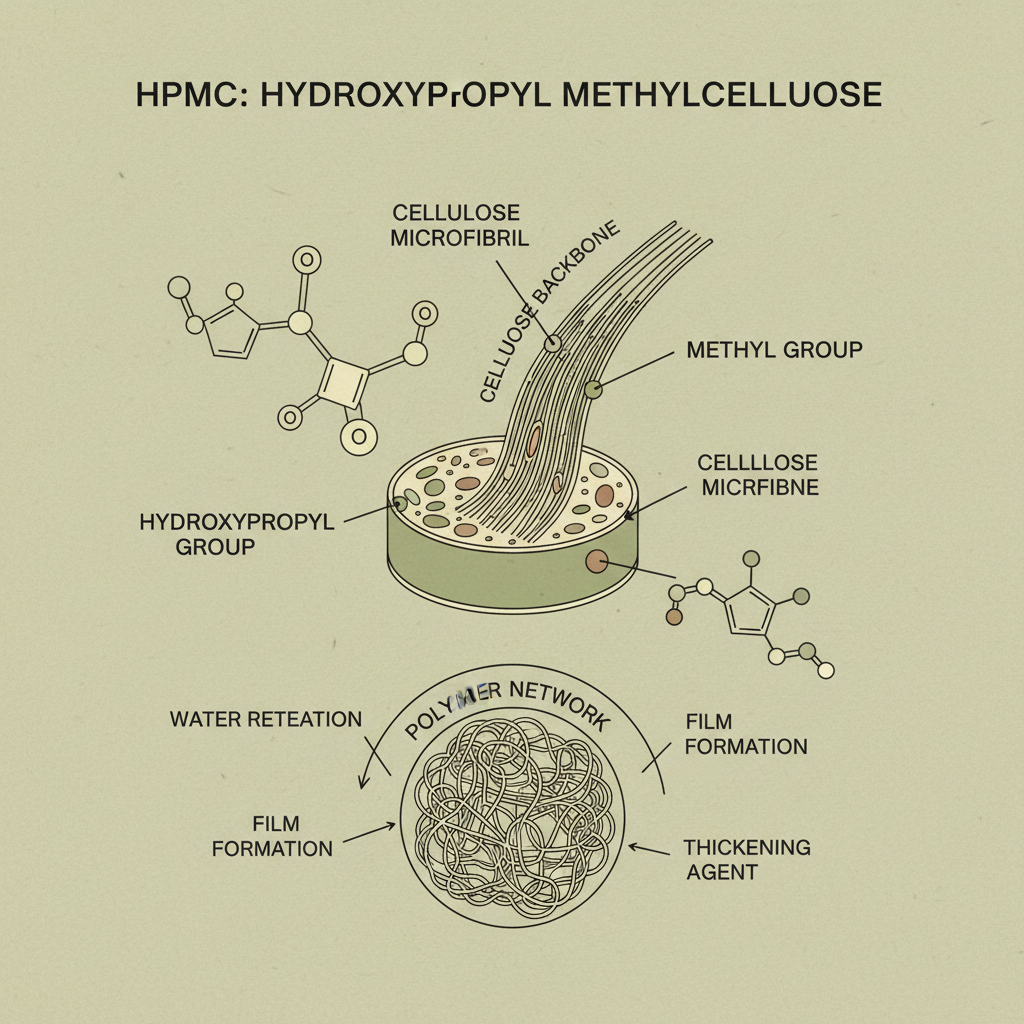
hpmc dispersion is fundamentally a stable suspension of hypromellose (HPMC) particles in a liquid medium, typically water. This dispersion facilitates the incorporation of HPMC’s beneficial properties – thickening, binding, film-forming, and controlled release – into a wide array of products. The careful control of particle size and distribution is paramount in achieving optimal performance and consistent results.
The versatility of hpmc dispersion stems from the ability to tailor its characteristics to specific application requirements. Different grades of HPMC, varying in molecular weight and viscosity, can be dispersed to achieve a spectrum of textures and functionalities, making it a highly adaptable ingredient for product innovation.
Global Relevance and Industry Context
The global market for cellulose ethers, including HPMC, is experiencing significant growth, driven by demand from the construction, pharmaceutical, food, and personal care industries. According to a report by Grand View Research, the global cellulose ether market was valued at USD 8.3 billion in 2022 and is projected to reach USD 12.8 billion by 2030, exhibiting a CAGR of 5.5% from 2023 to 2030. This growth highlights the increasing reliance on these versatile materials for enhancing product performance and addressing evolving consumer needs.
A key challenge in many industries is achieving consistent product quality and performance. hpmc dispersion offers a solution by providing a pre-dispersed form of HPMC, eliminating the need for on-site mixing and reducing the risk of clumping or incomplete hydration. This is especially crucial in large-scale manufacturing operations and in regions with limited access to skilled labor.
Furthermore, the growing emphasis on sustainability is driving demand for bio-based materials like HPMC. Derived from cellulose, a renewable resource, HPMC offers a more environmentally friendly alternative to synthetic polymers in various applications, aligning with the global shift towards a circular economy.
Defining hpmc dispersion
hpmc dispersion, at its core, is a colloid system where finely divided HPMC particles are uniformly distributed within a continuous liquid phase. Unlike a simple solution where a substance dissolves completely, a dispersion consists of insoluble particles suspended in the liquid. This suspension is stabilized by various mechanisms, including electrostatic repulsion and steric hindrance, preventing the particles from settling or aggregating.
The practical significance of hpmc dispersion lies in its ability to circumvent the difficulties associated with directly dissolving HPMC powder. HPMC is known for its tendency to clump and form lumps when added to water, requiring significant mixing energy and time. A pre-made dispersion eliminates these issues, ensuring rapid and complete hydration, resulting in a smooth and consistent final product.
This pre-dispersed form is critical for industries requiring precise control over viscosity and rheological properties. hpmc dispersion enables manufacturers to consistently achieve desired textures and functionalities, contributing to improved product quality and performance.
Key Characteristics of hpmc dispersion
The effectiveness of hpmc dispersion hinges on several key characteristics. First, Particle Size Control is crucial; smaller, uniformly distributed particles enhance stability and provide a smoother texture. Second, Viscosity Profile dictates the flow behavior of the dispersion, impacting its suitability for different applications. Third, Stability – resisting sedimentation, aggregation, and microbial growth – ensures long-term performance.
Furthermore, pH Sensitivity plays a role, as the stability of the dispersion can be affected by changes in pH. Surface Tension Modification is also important, enabling better wetting and adhesion to various substrates. And finally, Compatibility with other ingredients dictates the usability of hpmc dispersion within complex formulations.
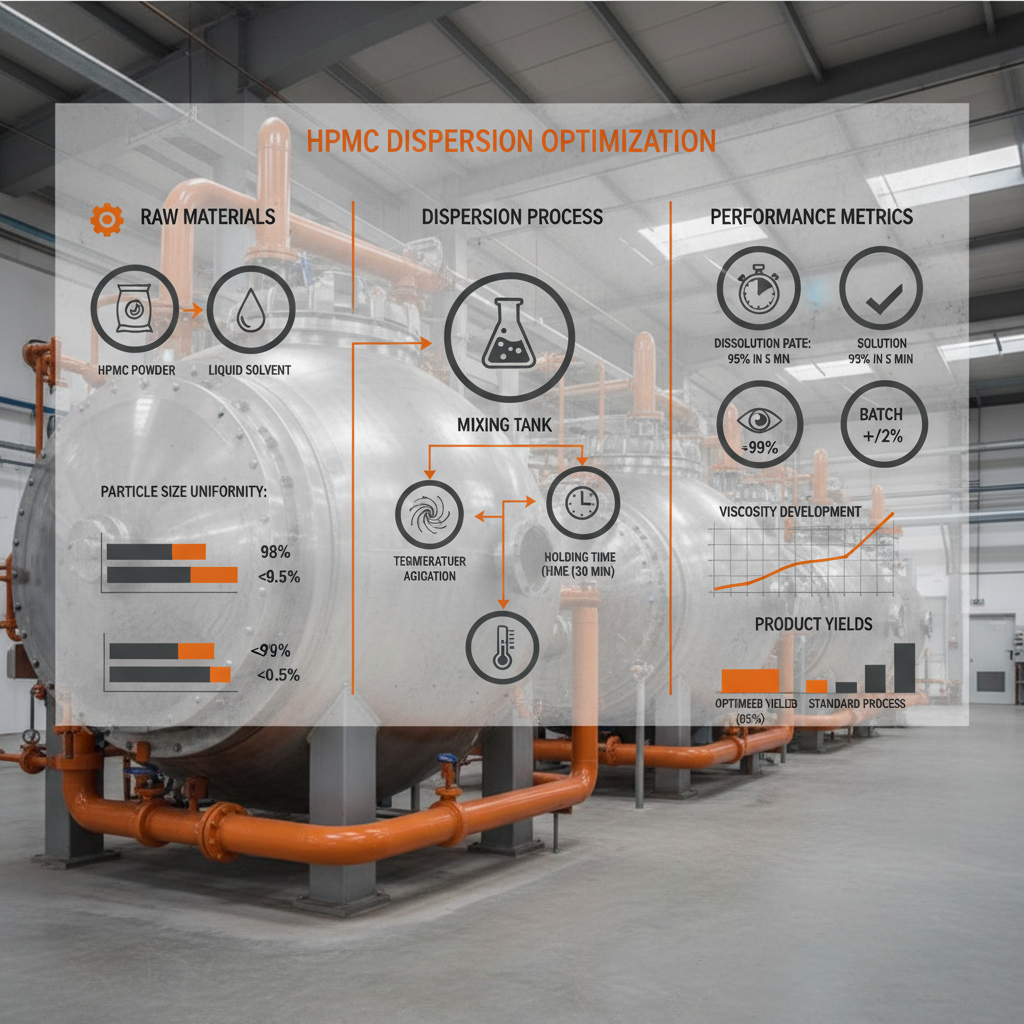
hpmc dispersion Performance Metrics
Applications of hpmc dispersion Worldwide
hpmc dispersion finds extensive use in the construction industry as a cement modifier, improving workability, water retention, and adhesion. In the pharmaceutical sector, it serves as a binder, film-coating agent, and controlled-release matrix for tablets and capsules. Food manufacturers utilize it as a thickener, stabilizer, and emulsifier in sauces, dressings, and baked goods.
Across Asia, particularly in countries like China and India, hpmc dispersion is widely adopted in the construction industry to improve the quality of cement-based products, addressing the rapid infrastructure development needs. In Europe and North America, the pharmaceutical industry is a major consumer, leveraging its controlled-release capabilities for advanced drug delivery systems.
Advantages and Long-Term Value
The advantages of utilizing hpmc dispersion are multifaceted. Cost-effectively, it reduces labor and energy costs associated with HPMC dissolution. From a sustainability perspective, it promotes the use of a bio-based material, minimizing reliance on synthetic polymers. Socially, it ensures consistent product quality, contributing to consumer safety and satisfaction.
The long-term value lies in its ability to enhance product reliability, improve manufacturing efficiency, and foster innovation. The consistency and performance provided by hpmc dispersion build trust with consumers and establish a competitive advantage for manufacturers. The resulting enhanced product performance strengthens brand reputation and fosters long-term customer loyalty.
Future Trends and Innovations in hpmc dispersion
Ongoing research focuses on developing novel hpmc dispersion formulations with enhanced stability and functionality. Nanotechnology is being explored to create ultra-fine HPMC dispersions with improved rheological properties and controlled release characteristics. Additionally, advancements in green chemistry are leading to more sustainable production processes for HPMC itself.
The integration of digital technologies, such as real-time monitoring and control systems, is enabling precise optimization of dispersion parameters, leading to improved product quality and reduced waste. Furthermore, the demand for customized hpmc dispersions tailored to specific application requirements is driving the development of new formulation techniques and analytical tools.
FAQS
Pre-dispersed HPMC eliminates the issues of clumping and incomplete hydration associated with powder form. This results in a faster, more consistent, and more reliable process, saving time and reducing the risk of product defects. It also improves batch-to-batch consistency, a crucial factor in many applications.
Viscosity is a key characteristic determining the suitability of hpmc dispersion for specific applications. Higher viscosity dispersions are ideal for applications requiring thickening and suspension, like coatings and adhesives. Lower viscosity dispersions are preferred for applications requiring smooth flow and easy application, such as pharmaceutical coatings and food products.
The shelf life of hpmc dispersion typically ranges from 6 to 12 months, depending on the formulation and storage conditions. It should be stored in a cool, dry place, away from direct sunlight and extreme temperatures. Proper sealing is essential to prevent contamination and maintain stability.
While generally compatible with water-based systems, compatibility with organic solvents and certain additives should be carefully evaluated. Some solvents may affect the stability of the dispersion, while certain additives may interact with HPMC, altering its properties. It’s recommended to conduct compatibility tests before formulating.
Yes, hpmc dispersion can be tailored to meet specific customer requirements. Manufacturers offer a range of HPMC grades with varying molecular weights and viscosities, allowing for customization of dispersion properties. Particle size can also be controlled during the dispersion process to achieve desired characteristics.
hpmc dispersion is derived from cellulose, a renewable resource, making it a more sustainable alternative to synthetic polymers. Its production process generally has a lower environmental impact than that of many synthetic materials. Furthermore, the enhanced product performance offered by hpmc dispersion can lead to reduced material usage and waste.
Conclusion
In conclusion, hpmc dispersion stands as a versatile and impactful material solution addressing critical needs across diverse industries. Its inherent properties – stability, viscosity control, and bio-based origin – combine to deliver tangible benefits in terms of performance, sustainability, and cost-effectiveness. The ability to tailor formulations to specific application requirements solidifies its position as a cornerstone ingredient for innovation.
Looking ahead, continued advancements in nanotechnology, green chemistry, and digital integration will further enhance the capabilities and applications of hpmc dispersion. Embracing these innovations is crucial for unlocking the full potential of this remarkable material and driving progress towards a more sustainable and efficient future. For comprehensive information and advanced solutions, visit our website: www.cnjzchemical.com.