Hydroxypropyl methylcellulose (HPMC) density is a critical parameter in various industrial applications, impacting product performance, processing efficiency, and cost-effectiveness. Understanding the factors that influence hpmc density, and its variations across different grades and manufacturers, is crucial for formulating high-quality products and optimizing production processes. Its importance extends beyond simply meeting specifications; accurate density control ensures consistent viscosity, film-forming characteristics, and stability in diverse formulations.
Globally, the demand for HPMC is steadily increasing, driven by its versatility and biocompatibility. This surge is especially prominent in the pharmaceutical, food, construction, and personal care industries. Accurate control of hpmc density is paramount to ensuring the consistent quality and efficacy of products in these sectors. Variations in density can lead to formulation failures, impacting both the end-user and the manufacturer.
The ability to predict and manage HPMC density facilitates streamlined production, reduced waste, and improved product reliability. This is especially significant in rapidly growing economies where demand for consistent quality and large-scale production is increasing. Addressing challenges related to density variation requires a comprehensive understanding of the material’s properties and appropriate quality control measures.
Introduction to hpmc density
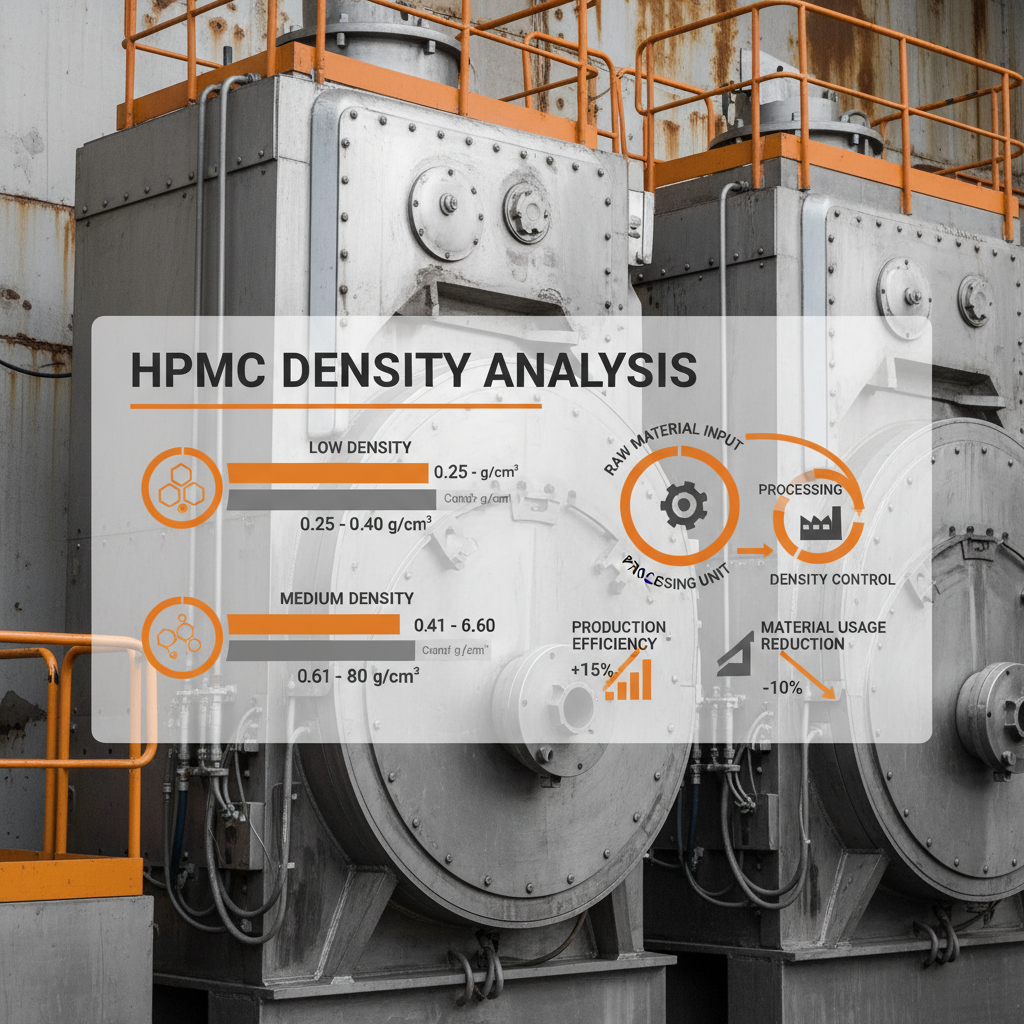
HPMC density, fundamentally, refers to the mass of HPMC per unit volume. It’s a measure of how tightly packed the polymer chains are within a given space. This characteristic is not a fixed value, rather it’s susceptible to various parameters during the manufacturing process, impacting its ultimate functionality. Proper understanding of hpmc density is essential for achieving the desired end-product properties.
The significance of accurate density control stretches beyond simple material science. It directly impacts the performance of HPMC in its myriad applications, ranging from pharmaceutical tablet coatings to construction adhesives. Inconsistent density can lead to difficulties in formulation, reduced efficacy, and potential product recalls, causing considerable economic and reputational damage.
Global Relevance and Challenges
The global HPMC market is currently valued at several billion dollars and is projected to experience continued growth, driven primarily by expanding applications in construction, pharmaceuticals, and food industries. Regions like Asia-Pacific are leading this demand, fueled by rapid urbanization and infrastructure development. Maintaining consistent hpmc density across global supply chains presents a significant challenge.
One major challenge is the variability in raw material sources and manufacturing processes. Different cellulose sources, varying degrees of substitution, and differing production techniques all contribute to density variations. Moreover, factors like humidity, temperature, and storage conditions can affect the final density of the product.
Addressing these challenges requires a collaborative effort from manufacturers, suppliers, and end-users. Implementing robust quality control procedures, standardized testing methods, and improved supply chain management are crucial for ensuring consistent product quality and reliable performance on a global scale. Furthermore, increased transparency and traceability are essential for building trust and mitigating risks.
Defining hpmc Density
HPMC density is generally expressed in grams per cubic centimeter (g/cm³) or kilograms per cubic meter (kg/m³). It's not simply a physical property of the polymer itself, but a result of the polymer chain conformation, the degree of substitution (DS), and the presence of any additives or residual solvents. The apparent density, often measured in bulk form, differs from the true density, which considers only the polymer material itself.
Understanding the distinction between these two densities is crucial for accurate formulation. The apparent density impacts how HPMC behaves during mixing and dissolution, while the true density influences its inherent properties like viscosity and film formation. Therefore, precise control over these density parameters is key to achieving predictable and reliable results.
The relationship between hpmc density and its molecular weight is also significant. Higher molecular weight HPMC generally exhibits a lower density due to increased chain entanglement and a more open structure. This interplay between density, molecular weight, and DS is crucial for tailoring HPMC properties to specific applications.
Key Factors Influencing Density
Several factors significantly impact HPMC density. First, the degree of substitution (DS) plays a vital role. Higher DS values generally lead to lower density, as the methyl and hydroxypropyl groups disrupt the close packing of the cellulose chains. Second, the molecular weight of the HPMC polymer influences density. Higher molecular weights tend to result in lower densities due to increased chain entanglement.
Thirdly, manufacturing process parameters such as drying methods and compression techniques can influence the final density. Spray drying, for instance, can yield HPMC with a lower density compared to drum drying. Furthermore, the presence of additives like plasticizers or fillers can also alter the density of the HPMC formulation.
Comparison of hpmc density based on Manufacturing Methods
Global Applications of HPMC
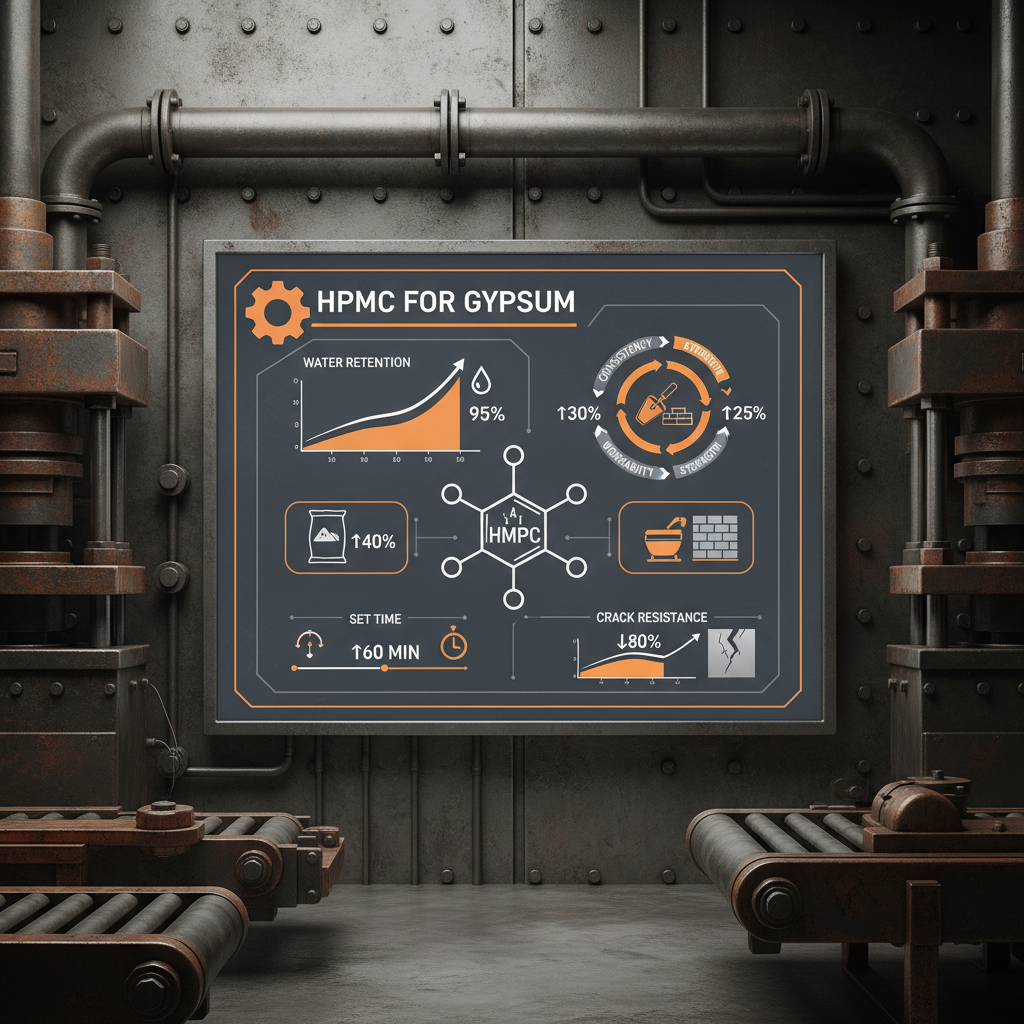
HPMC finds widespread use in the pharmaceutical industry as a binder, film-coating agent, and controlled-release matrix. Precise control of hpmc density is crucial for achieving the desired dissolution profiles and drug delivery rates. In the construction industry, it’s used as a thickener and water retention agent in cement-based materials, enhancing workability and reducing cracking.
The food industry utilizes HPMC as a thickener, stabilizer, and emulsifier in various products, including sauces, dressings, and desserts. Here, density variations can affect texture and stability. Furthermore, HPMC is gaining traction in the personal care industry as a stabilizer and film-former in shampoos, lotions, and cosmetics.
Advantages and Long-Term Value
Consistent hpmc density translates into significant cost savings through reduced waste, improved formulation efficiency, and fewer product recalls. From a sustainability standpoint, optimized HPMC utilization minimizes material consumption and reduces the environmental impact. Reliable performance fosters trust and strengthens brand reputation.
Furthermore, maintaining consistent density ensures product safety and efficacy, enhancing consumer confidence. Investing in robust density control measures is a proactive approach to mitigating risks and securing long-term business success. This embodies a commitment to quality, innovation, and responsible manufacturing practices.
Future Trends and Innovations
The future of HPMC density control will likely be shaped by advancements in process analytical technology (PAT) and real-time monitoring systems. These technologies enable continuous measurement and adjustment of process parameters, ensuring consistent density throughout production. Moreover, research into novel HPMC grades with tailored density characteristics will unlock new application possibilities.
Digitalization and automation are also poised to play a pivotal role. Implementing advanced control algorithms and machine learning techniques can optimize HPMC manufacturing processes and minimize density variations. Sustainability initiatives focusing on bio-based raw materials and eco-friendly production methods will further drive innovation in this field.
The development of predictive modeling tools, utilizing data analytics and artificial intelligence, will allow manufacturers to anticipate and proactively address potential density issues, optimizing both product quality and resource utilization.
Summary of Key Factors Affecting hpmc density
| Factor |
Impact on Density |
Control Method |
Severity of Impact (1-10) |
| Degree of Substitution (DS) |
Higher DS = Lower Density |
Careful control during chemical modification |
9 |
| Molecular Weight |
Higher MW = Lower Density |
Control polymerization conditions |
8 |
| Drying Method |
Spray Drying = Lower Density |
Optimize drying parameters |
7 |
| Compression Force |
Higher Force = Higher Density |
Control compression settings |
6 |
| Additives/Fillers |
Dependent on Filler Density |
Careful additive selection & blending |
5 |
| Storage Conditions |
Humidity affects moisture content & thus density |
Controlled temperature & humidity |
4 |
FAQS
The degree of substitution (DS) and molecular weight are the primary factors influencing HPMC density. Higher DS generally leads to lower density, while increasing the molecular weight typically results in a decrease. Manufacturing processes, like drying methods, and the addition of fillers also play a role, though to a lesser extent.
HPMC density is crucial in pharmaceutical applications because it directly influences dissolution rates, drug release profiles, and tablet hardness. Variations in density can lead to inconsistent drug delivery and potentially affect the efficacy of the medication. Precise control of density ensures predictable performance and patient safety.
Apparent density measures the mass of HPMC per unit volume including air spaces between particles, representing its bulk density. True density, on the other hand, represents the mass of HPMC per unit volume excluding these air spaces, focusing solely on the polymer material itself. The difference is important for formulation and process design.
Yes, HPMC is hygroscopic, meaning it absorbs moisture from the environment. Increased moisture content can lead to a slight increase in the apparent density. Therefore, proper storage in a controlled humidity environment is crucial for maintaining consistent HPMC density and ensuring optimal performance.
Several techniques are employed to measure HPMC density, including bulk density testing, true density measurement using a pycnometer, and tapped density analysis. These methods provide valuable information about the packing characteristics and material properties of the HPMC, aiding in quality control and formulation development.
Manufacturers can ensure consistent HPMC density by implementing strict quality control measures throughout the production process. This includes careful monitoring of raw material sources, precise control of manufacturing parameters (DS, MW, drying), and regular density testing using standardized methods. Implementing PAT systems for real-time monitoring is also beneficial.
Conclusion
In conclusion, hpmc density is a critical parameter impacting performance across a diverse range of applications, from pharmaceuticals to construction and food science. Controlling this property requires a thorough understanding of influencing factors, robust quality control measures, and ongoing innovation in manufacturing techniques. Accurate density management translates to improved product quality, reduced waste, and enhanced sustainability.
Looking ahead, embracing advanced process analytical technologies, digitalization, and a commitment to bio-based materials will be key to further optimizing HPMC production and expanding its application possibilities. Investing in research and development focused on tailored HPMC grades with specific density characteristics will unlock new opportunities and drive continued growth in this versatile polymer market.