Hydroxypropyl methylcellulose (HPMC) is an essential additive in modern wall putty formulations, providing crucial performance characteristics for construction and renovation projects globally. Its versatility stems from its ability to modify the rheology, workability, and adhesion properties of the putty, ultimately enhancing application efficiency and final finish quality. Understanding the role of hpmc for wall putty is paramount for contractors, manufacturers, and building professionals seeking reliable and durable wall finishing solutions.
The demand for high-quality wall putties is directly linked to the growth of the construction industry, particularly in developing economies. According to UN Habitat, over half the world's population now lives in urban areas, driving a surge in residential and commercial construction. Wall putty, improved through the addition of hpmc, plays a vital role in creating smooth, aesthetically pleasing, and structurally sound surfaces. This need is further amplified by the increasing focus on sustainable building practices, where durable, long-lasting materials are preferred.
The challenge often lies in achieving optimal performance characteristics in wall putty, such as preventing cracking, ensuring adequate adhesion, and controlling water retention. HPMC for wall putty addresses these issues, offering a cost-effective and efficient solution to improve the overall quality and longevity of wall finishes.
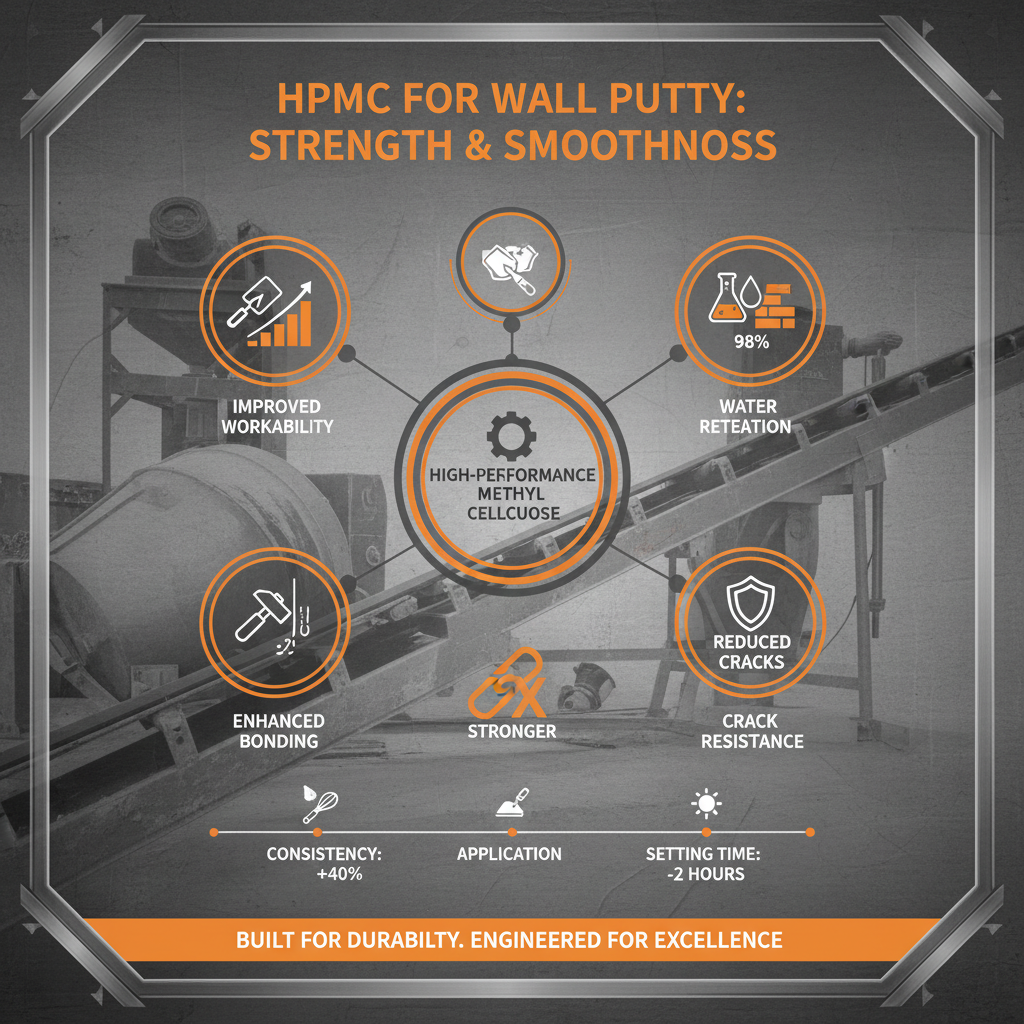
HPMC for wall putty isn’t merely an additive; it's a performance enhancer that dictates the quality, workability, and longevity of the final wall finish. Its function goes beyond simple binding, directly affecting the putty's resistance to cracking, sag resistance, and adhesion to various substrates.
Selecting the correct grade of HPMC is crucial. Different molecular weights and viscosities offer tailored solutions for diverse wall putty formulations and application requirements. Understanding these nuances ensures optimal performance and prevents common issues like excessive shrinkage or poor adhesion.
For standard cement-based wall putties, a medium viscosity HPMC grade (approximately 4000-6000 mPa·s) generally provides the best balance between workability and water retention. Lower viscosities may result in sag, while higher viscosities can make the putty difficult to apply. The specific optimal level depends on the cement type and other additives used in the formulation.
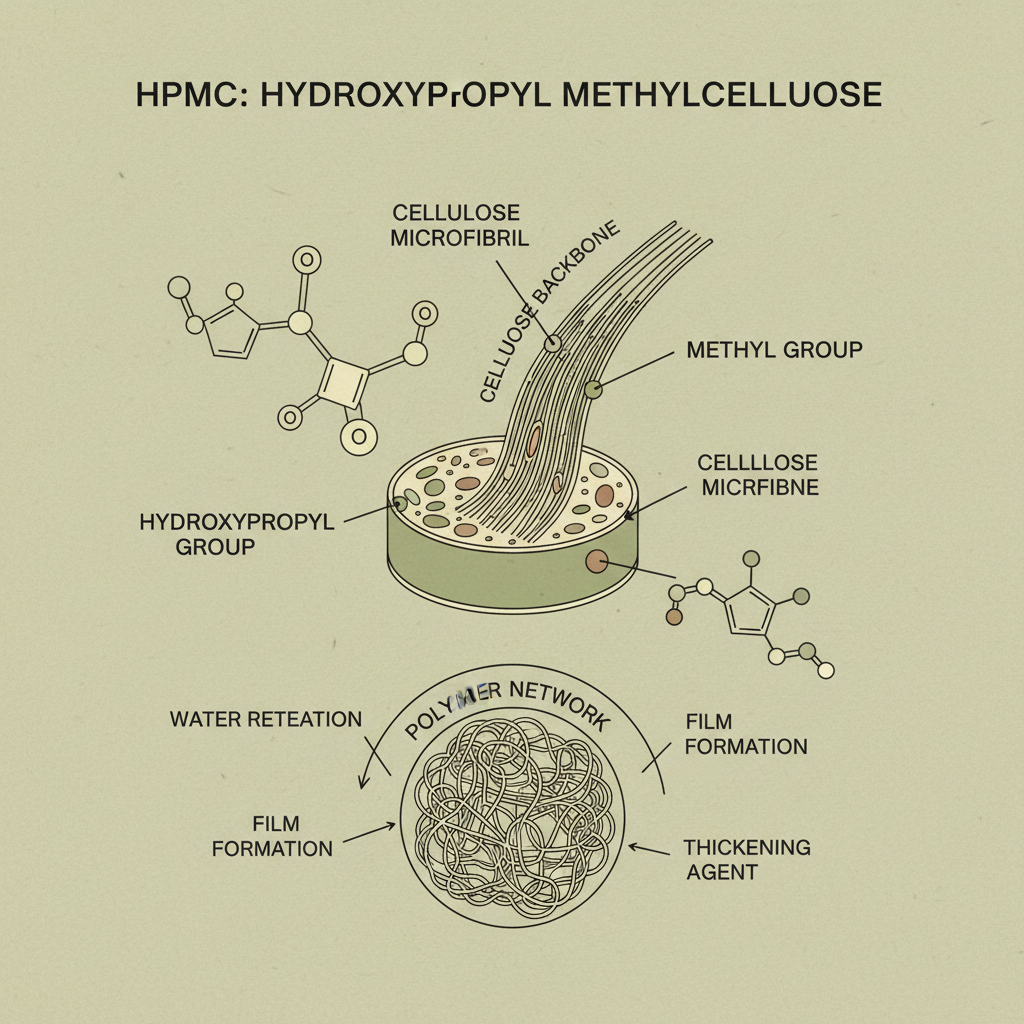
HPMC prevents cracking by improving the putty’s cohesiveness and reducing the rate of water evaporation. As the putty dries, HPMC forms a protective film that minimizes shrinkage stress, which is a primary cause of cracking. It also enhances the flexibility of the dried putty, making it more resistant to thermal and mechanical stresses.
Generally, HPMC is compatible with most cement-based and gypsum-based wall putty formulations. However, compatibility should always be verified through small-scale testing, especially when using other additives like polymers, pigments, or fillers. Certain additives may interact negatively with HPMC, affecting its performance.
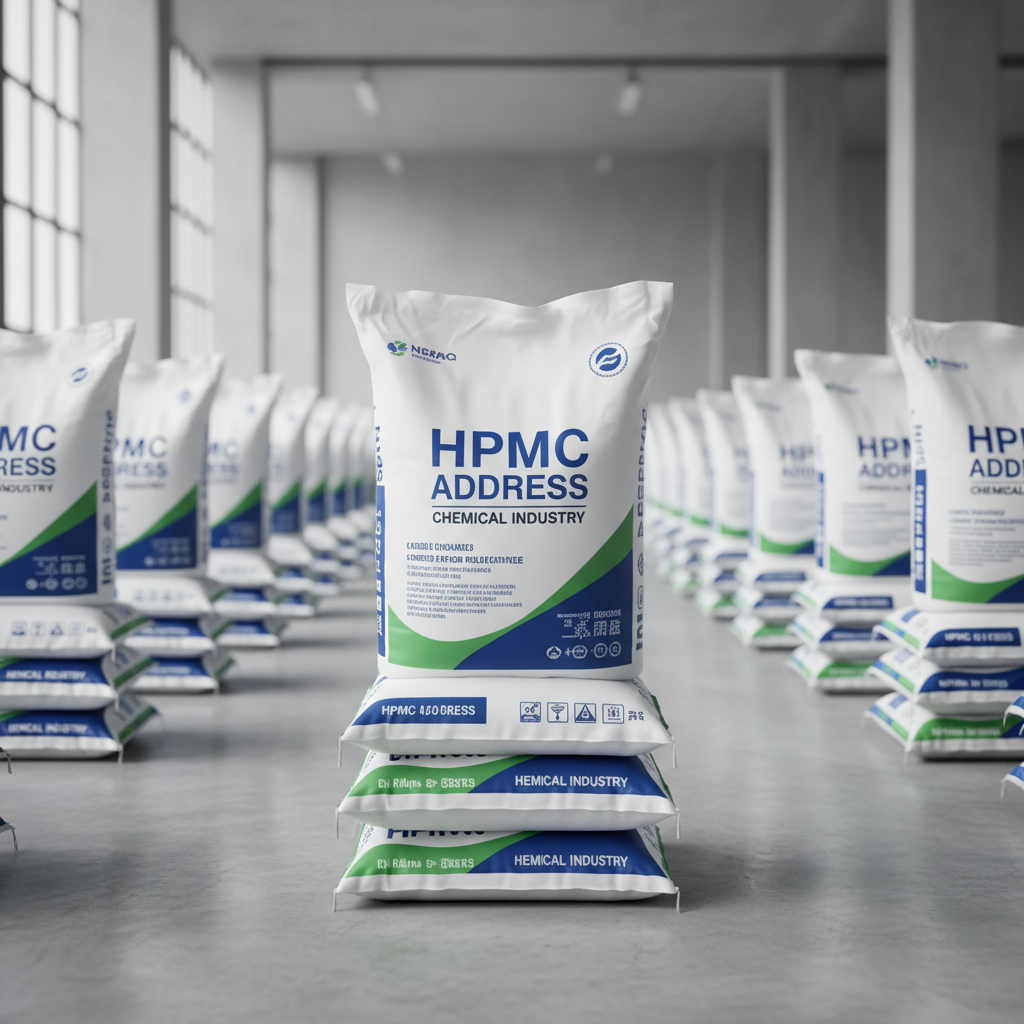
HPMC should be stored in a cool, dry, and well-ventilated area, away from direct sunlight and moisture. Exposure to humidity can cause clumping and reduce its effectiveness. It's best to keep HPMC in its original, sealed packaging to prevent contamination and maintain its quality.
Higher molecular weight HPMC generally provides better water retention and thickening properties, resulting in improved workability and reduced cracking. However, very high molecular weights can increase viscosity excessively, making the putty difficult to apply. Lower molecular weights offer easier dispersion but may not provide the same level of performance.
HPMC is derived from renewable cellulose sources, making it a more sustainable alternative to some synthetic additives. Its ability to reduce material waste through improved application efficiency and enhanced durability contributes to a smaller environmental footprint. Furthermore, HPMC is biodegradable, reducing its long-term impact on the environment.
In conclusion, hpmc for wall putty is a vital ingredient in achieving high-quality, durable, and sustainable wall finishes. Its multifaceted benefits – from enhanced workability and crack resistance to improved adhesion and water retention – make it an indispensable additive for the modern construction industry. Understanding its properties and application nuances is paramount for manufacturers, contractors, and building professionals alike.
Looking forward, continued innovation in HPMC technology, coupled with the growing demand for environmentally friendly building materials, will further solidify its position as a cornerstone of the wall putty industry. We encourage exploration of CNJZ Chemical's range of HPMC products to optimize your wall putty formulations and deliver superior results.