Hydroxypropyl methylcellulose (HPMC) is a versatile polymer increasingly crucial in modern construction. Its ability to modify the properties of cement-based materials – improving workability, water retention, adhesion, and sag resistance – is revolutionizing building practices globally. From self-leveling compounds and tile adhesives to repair mortars and exterior insulation finish systems (EIFS), hpmc for construction addresses challenges related to durability, efficiency, and sustainability in the construction industry. Understanding its application is paramount as infrastructure development accelerates worldwide, and demands for higher-performance building materials grow.
The global construction chemicals market, valued at over $350 billion in 2023 (source: Global Market Insights), is witnessing significant growth driven by rapid urbanization, particularly in developing economies. HPMC plays a pivotal role in meeting the demands of this expanding market by enhancing the quality and longevity of construction projects. The UN projects a global population increase to nearly 10 billion by 2050, necessitating substantial infrastructure investment. Consequently, demand for innovative construction materials like HPMC, capable of contributing to efficient and sustainable building solutions, is steadily increasing.
A significant challenge facing the construction sector is balancing performance requirements with environmental concerns. Traditional construction materials often have a high carbon footprint and limited lifespan. HPMC offers a solution by enabling the creation of more durable and resource-efficient building materials, reducing the need for frequent repairs and replacements and ultimately minimizing environmental impact. This aligns with global sustainability goals and increasingly stringent building codes.
Introduction to hpmc for construction
HPMC, in the context of construction, isn't a structural material itself, but a crucial additive that significantly alters the properties of cementitious systems. It functions as a water-retaining agent, thickener, binder, and film former, profoundly impacting the workability, adhesion, and overall performance of various construction products. The use of hpmc for construction is often unseen, yet its influence is pervasive across numerous applications.
The benefits of incorporating HPMC extend beyond simply improving product characteristics. It enables formulations that reduce water demand, enhancing strength development and minimizing shrinkage cracking. Furthermore, it contributes to improved application properties, such as increased open time for adhesives and better sag resistance for mortars, ultimately leading to more efficient and reliable construction processes.
Defining hpmc for Construction
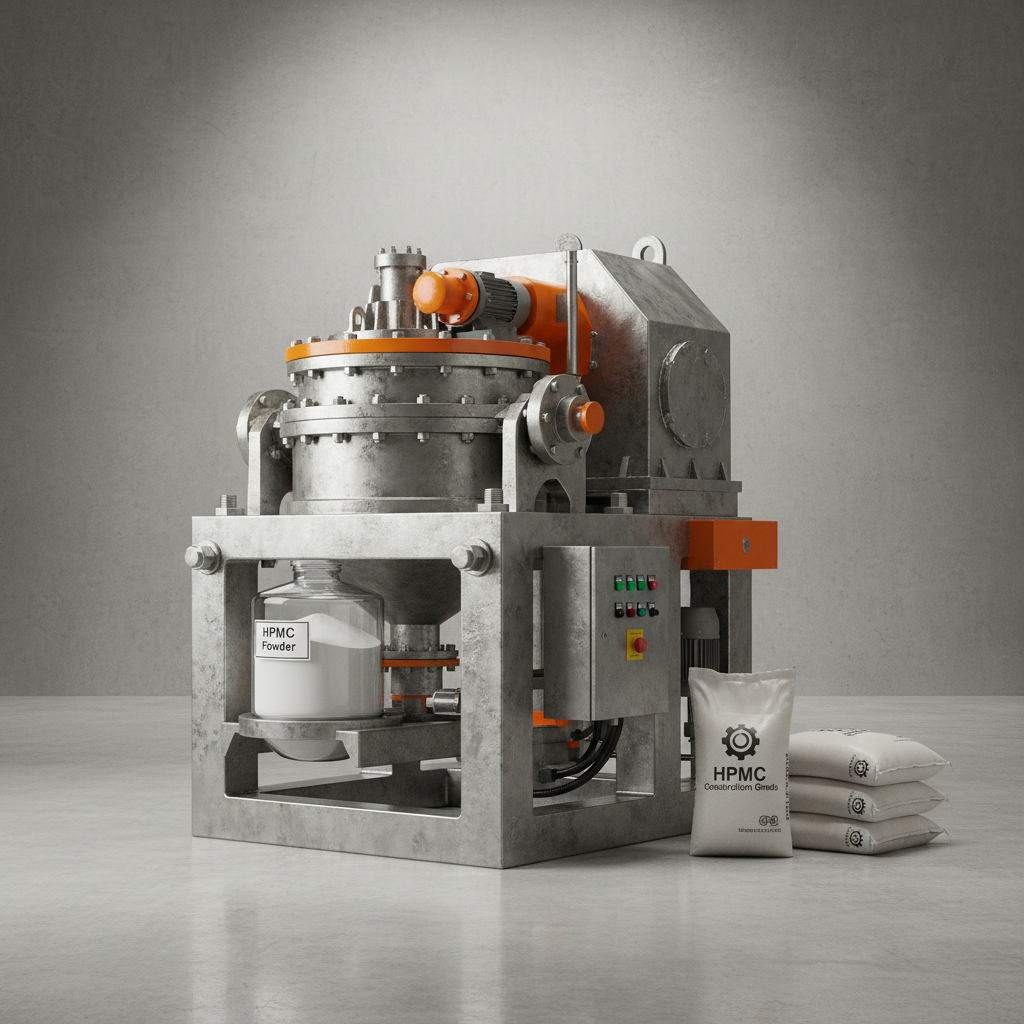
Hydroxypropyl methylcellulose is a non-ionic cellulose ether derived from natural cellulose. In construction, it's commonly available as a white, odorless, and tasteless powder. Its key characteristic lies in its ability to dissolve in water, forming a clear, viscous solution. This solution provides the functional properties that make HPMC invaluable in various construction applications.
Essentially, HPMC acts as a polymer modifier, altering the rheology (flow properties) of cementitious mixtures. It achieves this by increasing water retention, allowing for better hydration of the cement particles. This leads to improved strength development, reduced cracking, and enhanced adhesion to substrates. It bridges the gap between ideal material properties and the practical constraints of construction processes.
The molecular weight and degree of substitution (the amount of hydroxypropyl and methyl groups attached to the cellulose chain) determine the specific properties of HPMC, allowing for tailored solutions to meet diverse construction needs. Different grades are available to suit various applications, ranging from thin-set mortars to self-leveling compounds.
Key Properties of hpmc for Construction
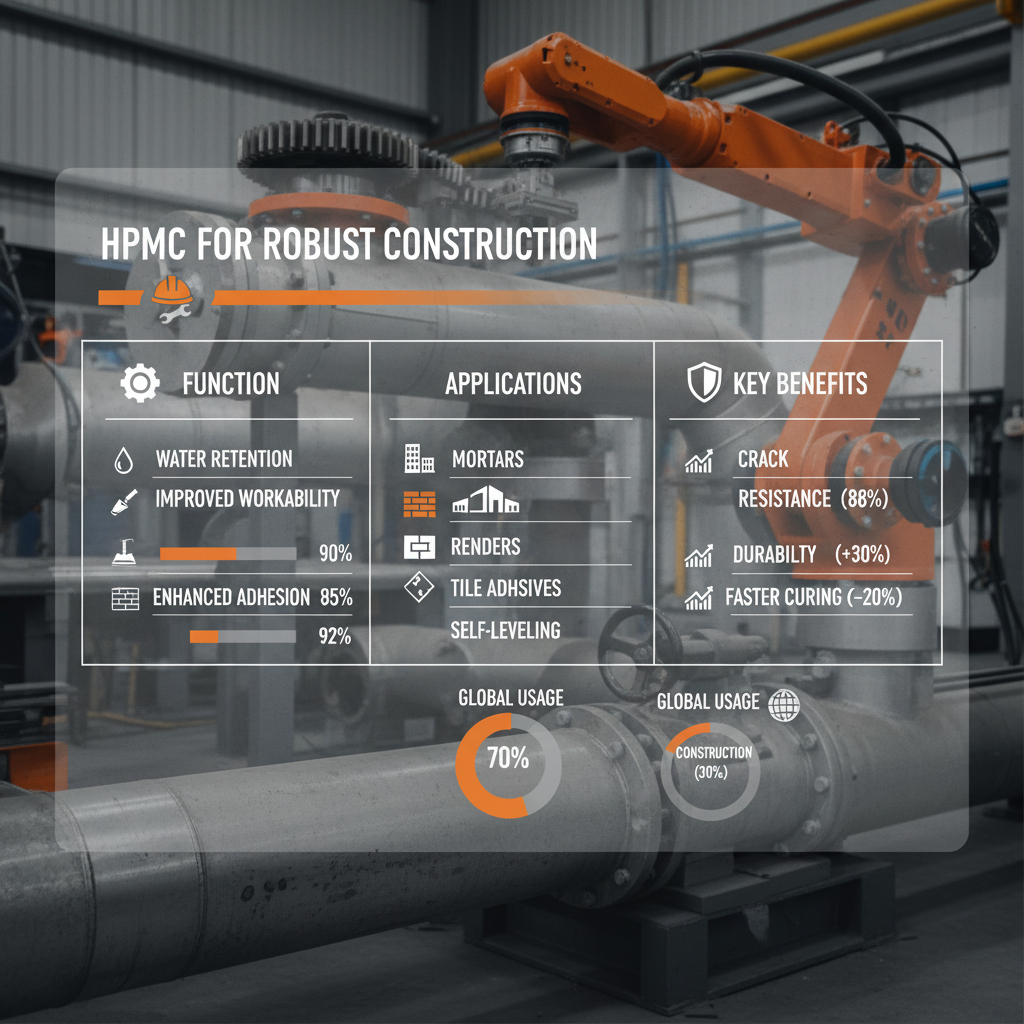
Several key properties of HPMC make it an indispensable component in modern construction materials. Firstly, its exceptional water retention capacity is crucial for preventing premature drying of cement-based mixtures, leading to improved hydration and strength development. This is particularly important in hot and dry climates.
Secondly, HPMC provides excellent thickening properties, controlling the viscosity and workability of mixtures. This allows for easy application and prevents segregation of components. The ability to tailor the viscosity is crucial for optimizing performance in diverse applications. Thirdly, HPMC enhances adhesion by increasing the surface energy of the mixture, resulting in stronger bonds to substrates.
Finally, HPMC exhibits film-forming capabilities, creating a protective layer that reduces water loss and enhances durability. This is particularly beneficial in exterior applications where resistance to weathering is essential. These combined properties contribute to the overall quality, performance, and longevity of construction projects.
Practical Applications of hpmc in Construction
The versatility of hpmc for construction translates into a wide range of practical applications. In tile adhesives, it enhances adhesion, workability, and open time, ensuring strong and durable bonds between tiles and substrates. In self-leveling compounds, it improves flowability, leveling properties, and reduces cracking.
Repair mortars benefit from HPMC’s water retention capabilities, allowing for better hydration of cement and minimizing shrinkage cracks. In EIFS systems, HPMC contributes to improved adhesion, crack resistance, and overall system durability. Exterior wall coatings also utilize HPMC to improve workability, sag resistance, and weathering performance.
hpmc for construction Performance Across Applications
Global Implementation and Benefits
The use of hpmc for construction is prevalent globally, particularly in regions with stringent building standards and growing infrastructure demands. Europe and North America are leading adopters, driven by a focus on sustainable and high-performance building materials. However, increasing adoption is observed in Asia-Pacific, the Middle East, and Latin America, fueled by rapid urbanization and construction activity.
The benefits extend beyond improved material performance. Reduced material waste, lower labor costs (due to easier application), and enhanced durability contribute to significant economic advantages. The extended lifespan of structures utilizing HPMC also reduces the overall lifecycle cost of construction projects.
Advantages and Long-Term Value
The incorporation of HPMC into construction materials offers tangible benefits encompassing cost-effectiveness, sustainability, and enhanced performance. The reduced water demand translates into lower cement consumption, contributing to cost savings and reduced carbon footprint. Improved durability minimizes the need for frequent repairs and replacements, extending the lifespan of structures and reducing long-term maintenance costs.
From a social perspective, HPMC contributes to safer and more reliable buildings, improving the quality of life for occupants. Its ability to enhance workability and reduce dust generation during application also creates a healthier working environment for construction workers. The inherent trustworthiness of structures built with HPMC-modified materials fosters confidence and peace of mind.
The long-term value is evident in the reduced lifecycle costs, improved environmental impact, and enhanced structural integrity. HPMC isn’t merely an additive; it’s an investment in durable, sustainable, and reliable infrastructure.
Future Trends and Innovations
The future of HPMC in construction is closely linked to advancements in sustainable building practices and digital construction technologies. Research is focused on developing modified HPMC grades with enhanced performance characteristics, such as improved compatibility with alternative cementitious materials (e.g., geopolymers) and increased resistance to extreme environmental conditions.
Integration with Building Information Modeling (BIM) and digital material databases will allow for optimized material selection and precise control over HPMC dosage, maximizing performance and minimizing waste. Furthermore, the development of self-healing concrete incorporating HPMC is a promising area of research, potentially revolutionizing infrastructure maintenance and extending structural lifespan.
Sustainability initiatives are driving demand for bio-based HPMC alternatives derived from renewable sources, further reducing the environmental impact of construction materials. These innovations will position HPMC as an increasingly vital component of the future construction landscape.
Summary of Challenges and Solutions Related to HPMC Usage in Construction
| Challenge |
Impact on hpmc for construction Performance |
Potential Solutions |
Implementation Considerations |
| Inconsistent HPMC Quality |
Variable rheological properties and performance. |
Stringent supplier qualification and quality control measures. |
Regular testing and audits. |
| Dosage Optimization |
Under- or over-dosage leads to suboptimal performance. |
Rheological testing and mix design optimization. |
Utilizing digital mixing tools and software. |
| Compatibility Issues |
Interactions with other admixtures can affect performance. |
Thorough compatibility testing with all admixtures. |
Formulation adjustments and careful selection of admixtures. |
| Dispersion Challenges |
Poor dispersion leads to localized thickening and performance variations. |
Optimized mixing procedures and use of dispersing agents. |
Proper water quality and temperature control. |
| Cost Considerations |
HPMC can be a significant cost component in some formulations. |
Dosage optimization and exploring alternative cellulose ethers. |
Value engineering and lifecycle cost analysis. |
| Environmental Impact |
Traditional HPMC is derived from wood pulp. |
Sourcing from sustainable forests and exploring bio-based alternatives. |
Promoting responsible sourcing practices. |
FAQS
The primary benefit is significantly improved adhesion and workability. HPMC enhances the adhesive’s ability to wet the tile and substrate, creating a stronger, more durable bond. It also increases the open time, allowing for more flexibility during installation. Furthermore, it contributes to sag resistance, preventing tiles from slipping. Effective use of HPMC minimizes the risk of tile failure and ensures a long-lasting installation.
HPMC enhances the durability of exterior wall coatings by improving water retention, adhesion, and crack resistance. It reduces water loss during application, allowing for proper hydration and development of a strong, cohesive film. Improved adhesion ensures the coating remains bonded to the substrate even under harsh weather conditions. Finally, its ability to reduce cracking helps maintain the aesthetic appearance and protective function of the coating over time.
Generally, yes, HPMC is compatible with most common types of cement, including Portland cement, blended cements, and white cement. However, compatibility should always be verified through testing, especially when using specialized or less common cement types. Factors like cement fineness and alkali content can influence the performance of HPMC, so mix design optimization is crucial for achieving optimal results.
The typical dosage range of HPMC in self-leveling compounds is between 0.5% and 2% by weight of cementitious material. The precise dosage depends on the desired viscosity, flowability, and setting time. Higher dosages generally result in increased viscosity and water retention, while lower dosages provide improved flowability. It is important to conduct laboratory trials to determine the optimal dosage for a specific formulation.
While HPMC is generally considered safe, its traditional production relies on wood pulp, raising sustainability concerns. However, sourcing HPMC from responsibly managed forests can mitigate this issue. Moreover, research is ongoing to develop bio-based HPMC alternatives derived from renewable resources, offering a more environmentally friendly option. Choosing suppliers committed to sustainable practices is crucial.
HPMC is often preferred over other cellulose ethers like methylcellulose (MC) and hydroxyethylcellulose (HEC) due to its superior water retention, thickening efficiency, and compatibility with cement. MC has lower water retention, while HEC may exhibit lower compatibility with alkaline cement environments. HPMC provides a balanced combination of properties that make it highly versatile and effective in a wide range of construction applications.
Conclusion
In conclusion, HPMC is an essential additive in modern construction, offering significant benefits across a wide spectrum of applications. Its ability to enhance workability, water retention, adhesion, and durability contributes to improved material performance, reduced costs, and more sustainable building practices. By understanding its key properties and proper application techniques, construction professionals can unlock its full potential.
Looking ahead, continued innovation in HPMC technology, coupled with a growing emphasis on sustainable construction, will further solidify its role in shaping the future of the built environment. We encourage you to explore the possibilities of hpmc for construction and discover how it can elevate your projects to new levels of quality and performance.