hpmc excipient, or hydroxypropyl methylcellulose, is a versatile polymer widely utilized as an excipient in various pharmaceutical formulations, food products, and industrial applications. Its unique properties, including water solubility, thickening ability, film-forming capacity, and biocompatibility, make it an essential component in ensuring product stability, controlled release, and enhanced performance. Understanding the intricacies of hpmc excipient is crucial for professionals in these industries to optimize formulations and deliver high-quality products to consumers.
The global demand for hpmc excipient is steadily increasing, driven by the expanding pharmaceutical and food industries, particularly in emerging markets. According to recent industry reports, the market size is projected to reach several billion USD in the coming years, showcasing its significant economic impact. This growth is further fueled by the rising demand for innovative drug delivery systems and functional food ingredients. Addressing challenges related to consistent quality and sustainable sourcing of hpmc excipient is essential to support this growing demand.
hpmc excipient serves a critical role in modern manufacturing processes by enabling the development of stable and effective products. From providing a protective coating for tablets to acting as a binder in food formulations, its functionalities enhance product attributes and ensure optimal performance. The increasing focus on patient-centric drug development and the demand for convenient dosage forms are further driving the adoption of hpmc excipient in the pharmaceutical sector.
Introduction to hpmc excipient
hpmc excipient plays a vital role in the formulation of various products, impacting their performance and stability. It is a cellulose ether derivative known for its versatile properties. Its applications range from pharmaceuticals to cosmetics, demonstrating its broad utility.
The increasing demand for hpmc excipient underscores its importance in modern manufacturing. Factors driving this demand include population growth, an aging global population, and the continuous development of new pharmaceutical formulations. As such, ongoing research and development aim to improve its production processes and expand its application portfolio.
Defining hpmc excipient
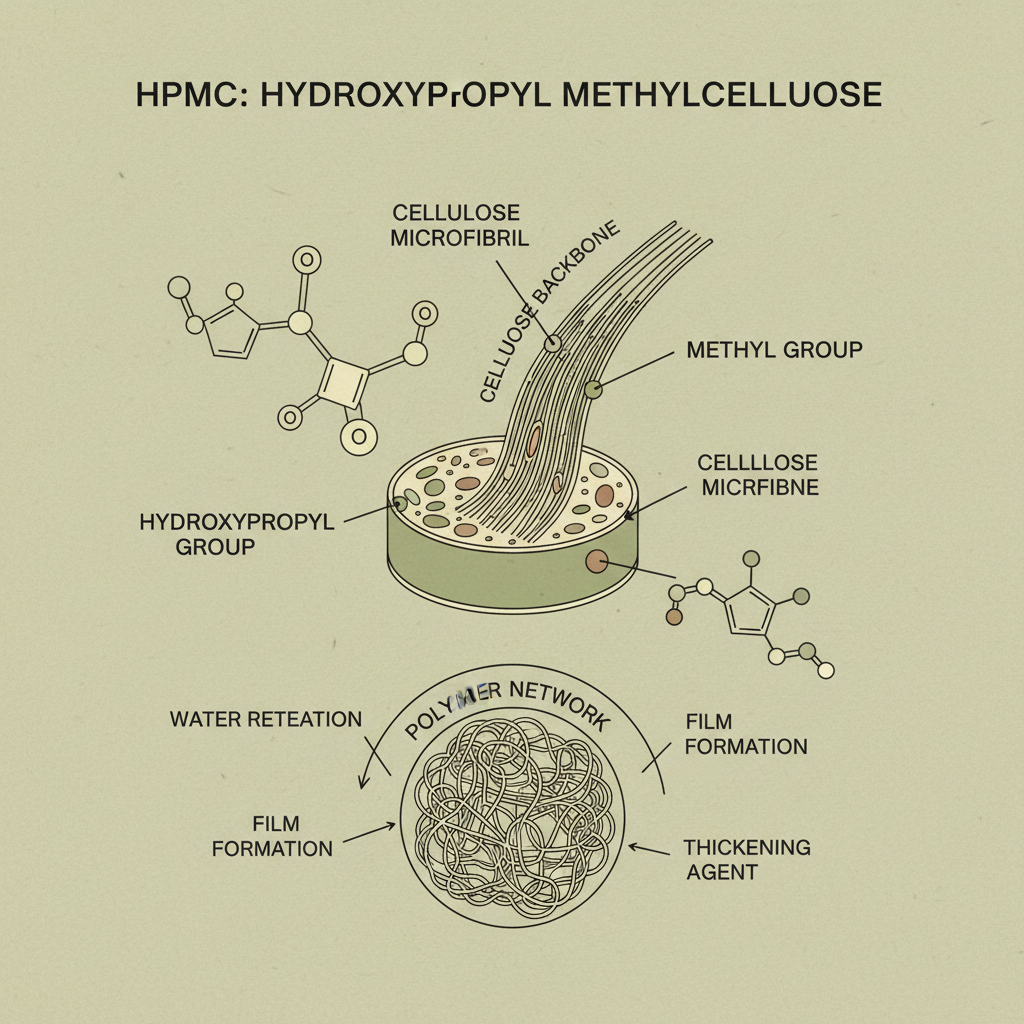
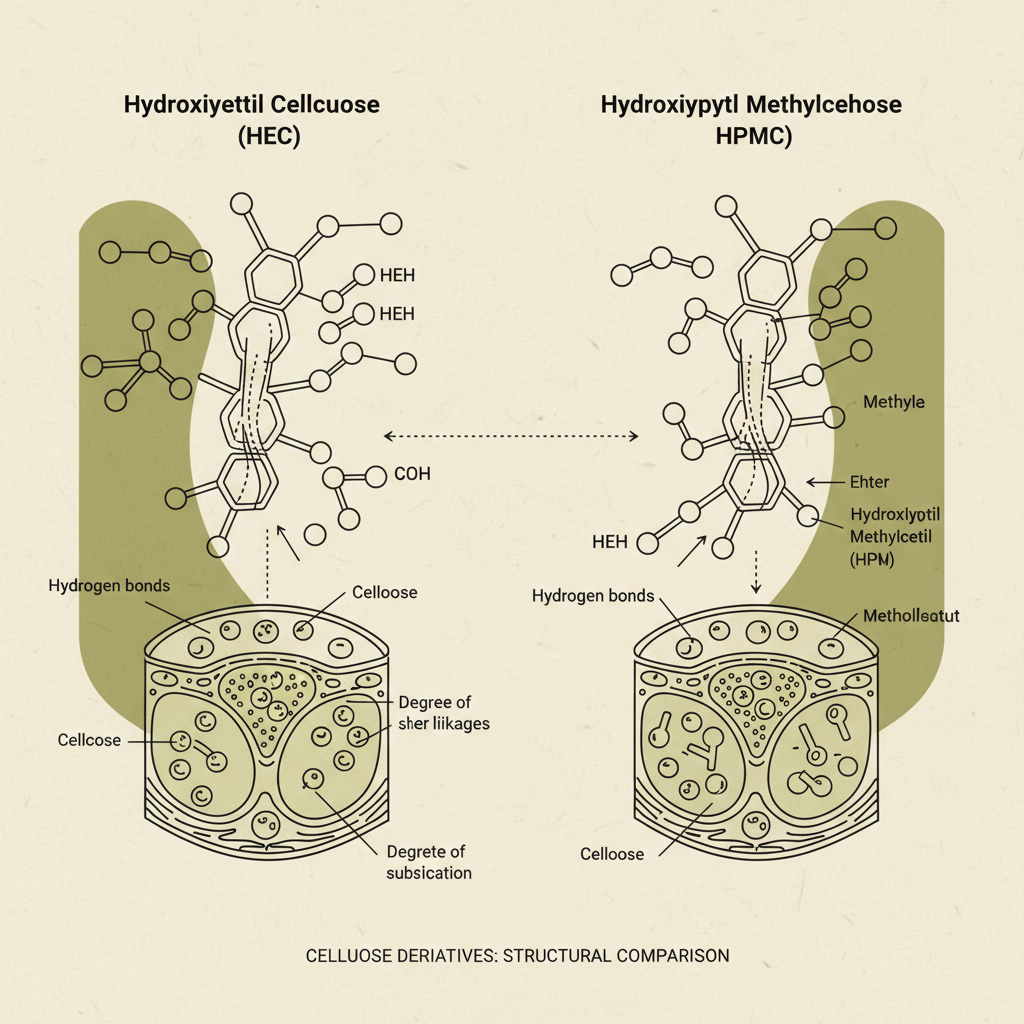
hpmc excipient, chemically known as hydroxypropyl methylcellulose, is a non-ionic cellulose ether produced by chemically modifying cellulose. This modification involves the introduction of methyl and hydroxypropyl groups onto the cellulose backbone, resulting in a polymer with adjustable solubility and viscosity. The degree of substitution controls these properties, enabling the creation of hpmc excipient grades tailored to specific applications.
In essence, hpmc excipient functions as a multi-functional ingredient enhancing the performance of various products. It's used not just for its core properties like thickening and film-forming but also for its ability to control the release of active ingredients, improve texture, and enhance product stability.
The connection to modern industry lies in its critical role in enabling advanced formulations and delivery systems. Whether it's ensuring consistent drug release in pharmaceutical tablets or providing a stable emulsion in cosmetic creams, hpmc excipient is often an indispensable component.
Key Properties of hpmc excipient
hpmc excipient boasts a set of unique properties that make it highly desirable in various applications. Water solubility is a crucial feature, allowing for easy incorporation into aqueous formulations and creating solutions or gels with varying viscosities. Different grades of hpmc excipient offer a range of solubility profiles, catering to diverse needs.
Another significant property is its thickening ability. hpmc excipient can significantly increase the viscosity of aqueous solutions even at low concentrations, improving texture and providing stability to suspensions. This is particularly important in the food and cosmetic industries where desired consistency is critical.
Furthermore, hpmc excipient exhibits excellent film-forming capabilities, creating clear, flexible, and strong films. This property makes it ideal for coating tablets, forming protective barriers, and creating controlled-release matrices. Its biocompatibility and low toxicity also contribute to its wide acceptance in pharmaceutical and food applications.
Applications and Use Cases
hpmc excipient finds extensive use in the pharmaceutical industry as a binder, disintegrant, film-coating agent, and controlled-release matrix. It’s vital for formulating tablets, capsules, and topical formulations, enhancing drug stability and bioavailability. Its ability to control release profiles makes it invaluable in developing sustained-release medications.
In the food industry, hpmc excipient acts as a thickener, stabilizer, emulsifier, and texture modifier. It improves the mouthfeel of sauces and dressings, enhances the stability of ice cream, and contributes to the texture of baked goods. It’s widely used in low-calorie food formulations to provide bulk without adding significant calories.
hpmc excipient Application Ratings
Advantages of Utilizing hpmc excipient
The use of hpmc excipient offers several tangible benefits. Cost-effectiveness is significant, as it can be used in relatively low concentrations to achieve desired effects, minimizing overall formulation costs. Furthermore, its readily availability and established manufacturing processes contribute to a stable supply chain.
In terms of sustainability, hpmc excipient is derived from renewable cellulose sources, making it a more environmentally friendly option compared to some synthetic polymers. Its biocompatibility and low toxicity contribute to increased patient safety and reduced risk of adverse reactions.
Future Trends in hpmc excipient
Ongoing research focuses on developing novel hpmc excipient grades with tailored properties for specific applications. This includes exploring modifications to enhance its solubility, viscosity, and film-forming characteristics. Nanotechnology integration is also being investigated to create hpmc excipient-based nanoparticles for targeted drug delivery.
The increasing emphasis on sustainable materials is driving the development of hpmc excipient sourced from more environmentally responsible forestry practices. Digitalization and automation in manufacturing processes are also expected to enhance production efficiency and reduce costs.
The integration of hpmc excipient with 3D printing technologies offers exciting possibilities for personalized medicine and the creation of customized drug delivery systems. This innovative approach allows for the fabrication of tablets with complex geometries and precise drug release profiles.
Challenges and Solutions in hpmc excipient
One common challenge is batch-to-batch variability in hpmc excipient properties, which can affect formulation consistency. Implementing rigorous quality control measures and standardized testing protocols is crucial to minimize this variability and ensure product uniformity.
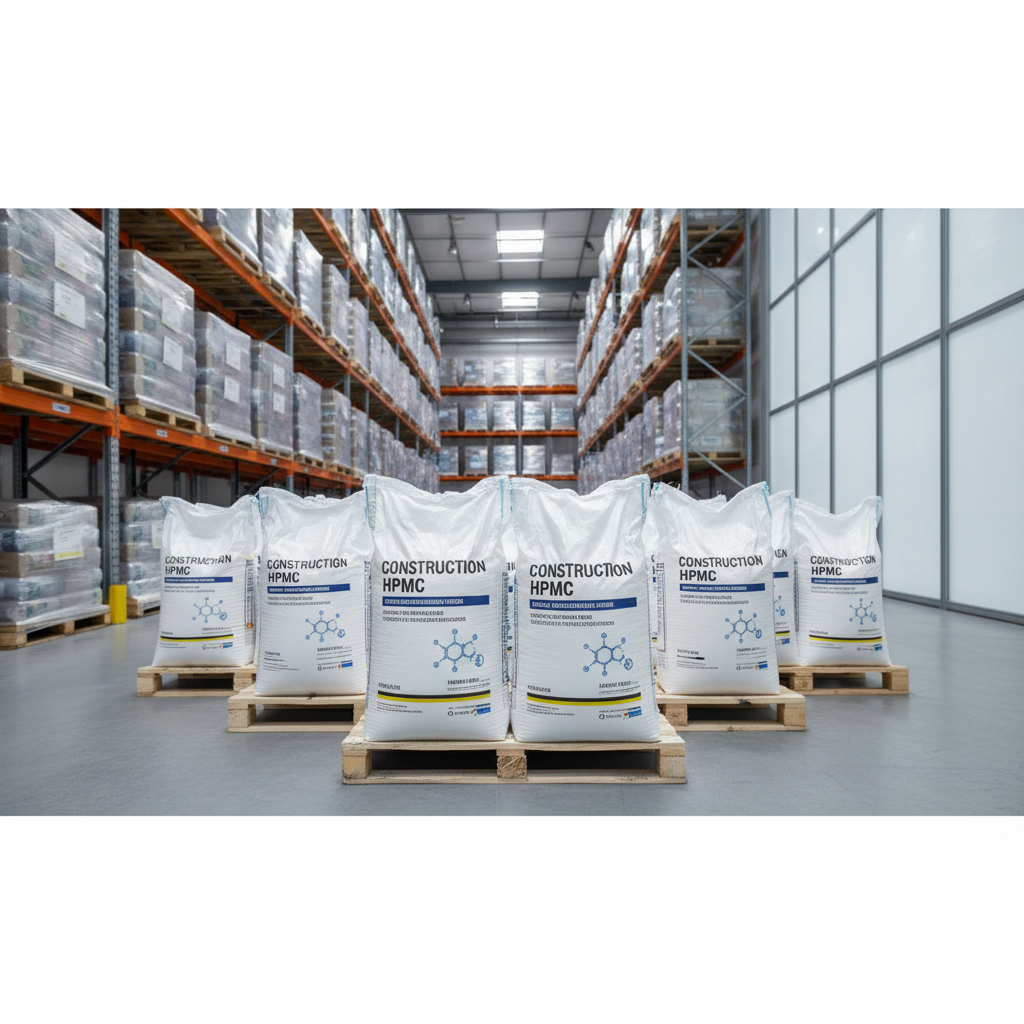
Another challenge is the potential for moisture sensitivity, requiring careful storage and handling to prevent degradation. Packaging hpmc excipient in moisture-proof containers and controlling humidity levels during processing can mitigate this issue.
To address sourcing concerns, manufacturers are increasingly focusing on establishing traceable supply chains and collaborating with suppliers committed to sustainable forestry practices. This ensures responsible sourcing and reduces the environmental impact of hpmc excipient production.
Analysis of hpmc excipient Production & Quality Control
| Production Method |
Quality Control Parameter |
Risk Assessment Score (1-10) |
Mitigation Strategy |
| Alkaline Cellulose Method |
Viscosity |
6 |
Regular viscosity checks, standardized testing |
| Direct Etherification |
Molecular Weight Distribution |
7 |
Gel Permeation Chromatography (GPC) analysis |
| Solvent Precipitation |
Purity (Residual Solvent Content) |
5 |
Gas Chromatography-Mass Spectrometry (GC-MS) testing |
| Spray Drying |
Moisture Content |
8 |
Karl Fischer Titration, controlled humidity storage |
| Drum Drying |
Particle Size Distribution |
4 |
Laser Diffraction analysis, optimized drum speed |
| Fluid Bed Granulation |
Bulk Density |
3 |
Tap Density Testing, controlled air flow |
FAQS
The primary function of hpmc excipient in pharmaceutical tablets is as a binder and controlled-release agent. It helps to hold the tablet ingredients together, providing sufficient mechanical strength for handling and administration. Moreover, it regulates the rate at which the active pharmaceutical ingredient (API) is released, enabling sustained or delayed release profiles for improved therapeutic efficacy.
hpmc excipient significantly increases the viscosity of liquid formulations even at relatively low concentrations. This thickening effect is due to the polymer’s ability to hydrate and expand in water, creating a network structure. The specific viscosity achieved depends on the grade of hpmc excipient used, its concentration, and the temperature of the solution.
Generally, hpmc excipient is considered suitable for many dietary restrictions, including vegetarian and vegan diets, as it is derived from cellulose. However, it's crucial to check with regulatory guidelines and product specifications to confirm compliance with specific dietary requirements, such as gluten-free or allergen-free labeling.
Several factors can affect hpmc excipient stability during storage. Moisture is a primary concern, as it can lead to degradation and changes in viscosity. Exposure to high temperatures and direct sunlight can also accelerate degradation. Proper storage in a cool, dry, and dark environment in a tightly sealed container is essential to maintain its quality.
Yes, hpmc excipient is often used in combination with other polymers to fine-tune formulation properties. For instance, combining it with a hydrophobic polymer can create a matrix for sustained drug release, while blending it with a hydrophilic polymer can enhance its solubility. The compatibility and synergistic effects of different polymers need to be carefully considered during formulation development.
When sourcing hpmc excipient, it’s crucial to consider sustainability aspects. This includes verifying that the cellulose source is derived from responsibly managed forests with proper certifications (e.g., FSC). Manufacturers should also prioritize environmentally friendly production processes, waste reduction, and energy efficiency. Traceability of the supply chain is essential to ensure responsible sourcing.
Conclusion
hpmc excipient stands as a critical and versatile ingredient across diverse industries, particularly in pharmaceuticals, food, and cosmetics. Its unique combination of properties, including water solubility, thickening ability, and film-forming capacity, allows for the development of stable, effective, and innovative products. As the demand for advanced formulations and sustainable materials continues to grow, the importance of hpmc excipient will only increase.
Looking ahead, ongoing research and development are expected to unlock even more potential applications for hpmc excipient, driving innovation in areas such as personalized medicine and 3D printing. By addressing challenges related to quality control and sustainable sourcing, we can ensure the continued availability of this essential excipient and maximize its benefits for a wide range of applications. Visit our website to learn more about our range of hpmc excipient products.