The intricate architecture of Hydroxypropyl Methylcellulose (HPMC) is fundamental to its widespread application across numerous industries. Understanding the hpmc structure is crucial for optimizing its performance in diverse formulations, from pharmaceuticals and food to construction and cosmetics. This knowledge empowers manufacturers and researchers to tailor HPMC’s properties to meet specific requirements, ultimately leading to superior product quality and efficacy. The global demand for HPMC continues to rise, driven by its versatile nature and eco-friendly profile, making a thorough grasp of its structure increasingly important.
HPMC’s relevance extends beyond simple product enhancement; it addresses critical challenges in various sectors. For instance, in the pharmaceutical industry, controlled drug release relies heavily on precise HPMC structure manipulation. In construction, it improves workability and adhesion in cement-based materials. These applications showcase HPMC’s ability to enhance performance, reduce waste, and contribute to sustainable practices. The increasing focus on bio-based materials further elevates the significance of understanding HPMC's composition and how it interacts with other compounds.
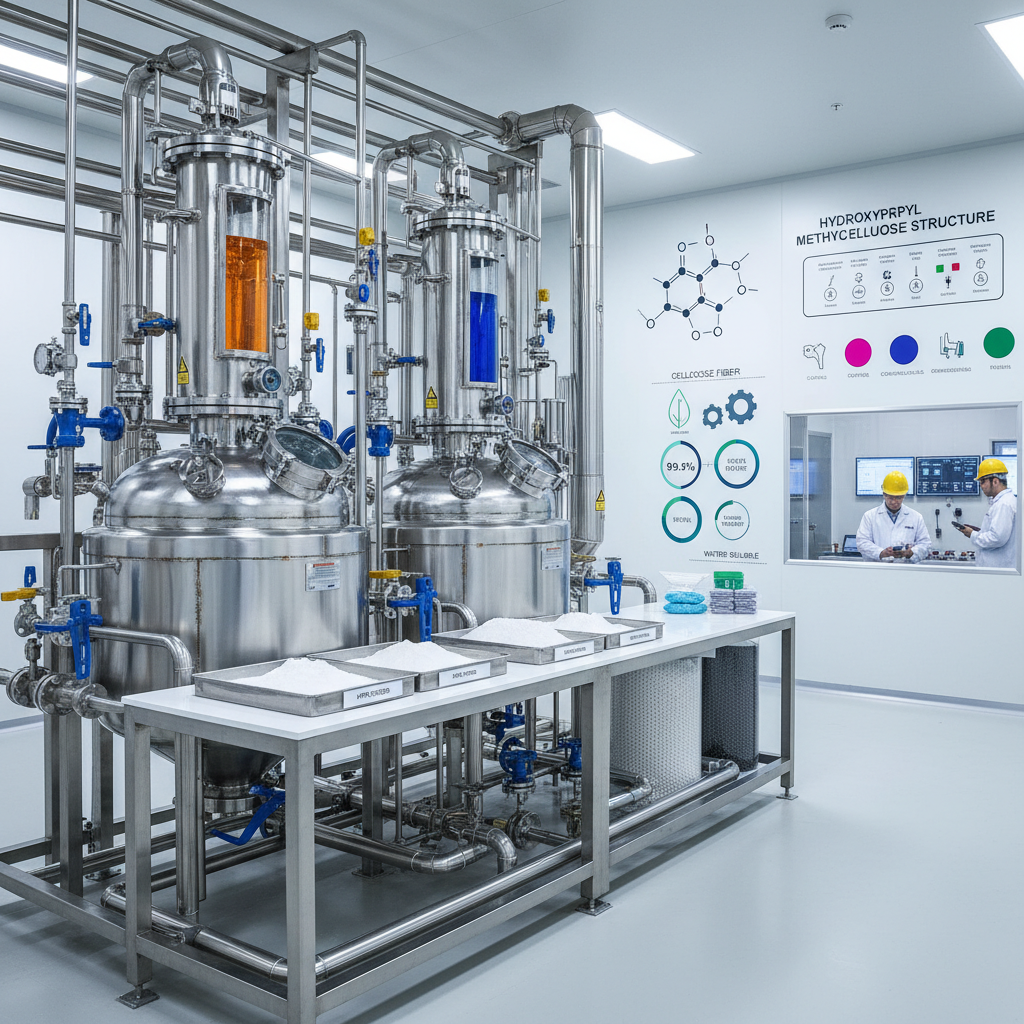
At its core, HPMC is a cellulose ether derived from cellulose, modified by the addition of methyl and hydroxypropyl groups. This modification imparts unique properties like water solubility, thickening, film-forming ability, and thermal gelation. The ratio of methyl and hydroxypropyl substitution dictates the specific characteristics of the resulting HPMC grade, impacting its viscosity, gelation temperature, and compatibility with other ingredients. Essentially, the hpmc structure defines its functionality, making a detailed understanding paramount for successful implementation.
The Foundation of HPMC Structure
The fundamental hpmc structure is based on a cellulose backbone, a naturally abundant polysaccharide composed of glucose units. This structure is then modified by the addition of methyl (-CH3) and hydroxypropyl (-CH2CHOHCH3) groups, strategically attached to the hydroxyl groups of the cellulose. The degree of substitution (DS) – the average number of substituent groups per glucose unit – is a key determinant of HPMC's properties. A higher DS generally leads to increased water solubility and reduced gelation temperature.
The arrangement and distribution of these substituent groups aren’t random; they impact the polymer’s chain conformation and intermolecular interactions. Understanding the interplay between the methyl and hydroxypropyl groups, and their impact on chain flexibility and hydrogen bonding, is crucial for controlling the final characteristics of the HPMC product. These structural features allow for a vast range of HPMC grades, each tailored to specific application requirements.
Global Relevance and Industrial Applications
HPMC's global market is substantial and continuously expanding, reaching billions of dollars annually. Major production hubs are located in China, India, and Europe, serving diverse industries worldwide. The demand is driven by its versatility and the increasing need for sustainable, bio-based materials. According to industry reports, the pharmaceutical sector remains the largest consumer of HPMC, followed by construction, food, and cosmetics.
The significance of the hpmc structure in these applications cannot be overstated. In pharmaceuticals, it’s utilized as a binder, film-coating agent, and controlled-release matrix. In construction, it enhances water retention, workability, and adhesion in cement-based products, preventing cracking and improving durability. The food industry leverages HPMC as a thickener, stabilizer, and emulsifier, while cosmetics benefit from its film-forming and viscosity-enhancing properties. This broad applicability highlights the importance of understanding how to manipulate the hpmc structure to achieve optimal results in each context.
This widespread adoption addresses several key challenges. In pharmaceuticals, controlled release improves drug efficacy and patient compliance. In construction, enhanced durability reduces maintenance costs and extends infrastructure lifespan. In food, improved texture and stability enhance product appeal and shelf life. Therefore, optimizing the hpmc structure isn't merely about improving product characteristics – it's about addressing critical needs across various sectors globally.
Defining HPMC Structure: A Molecular Perspective
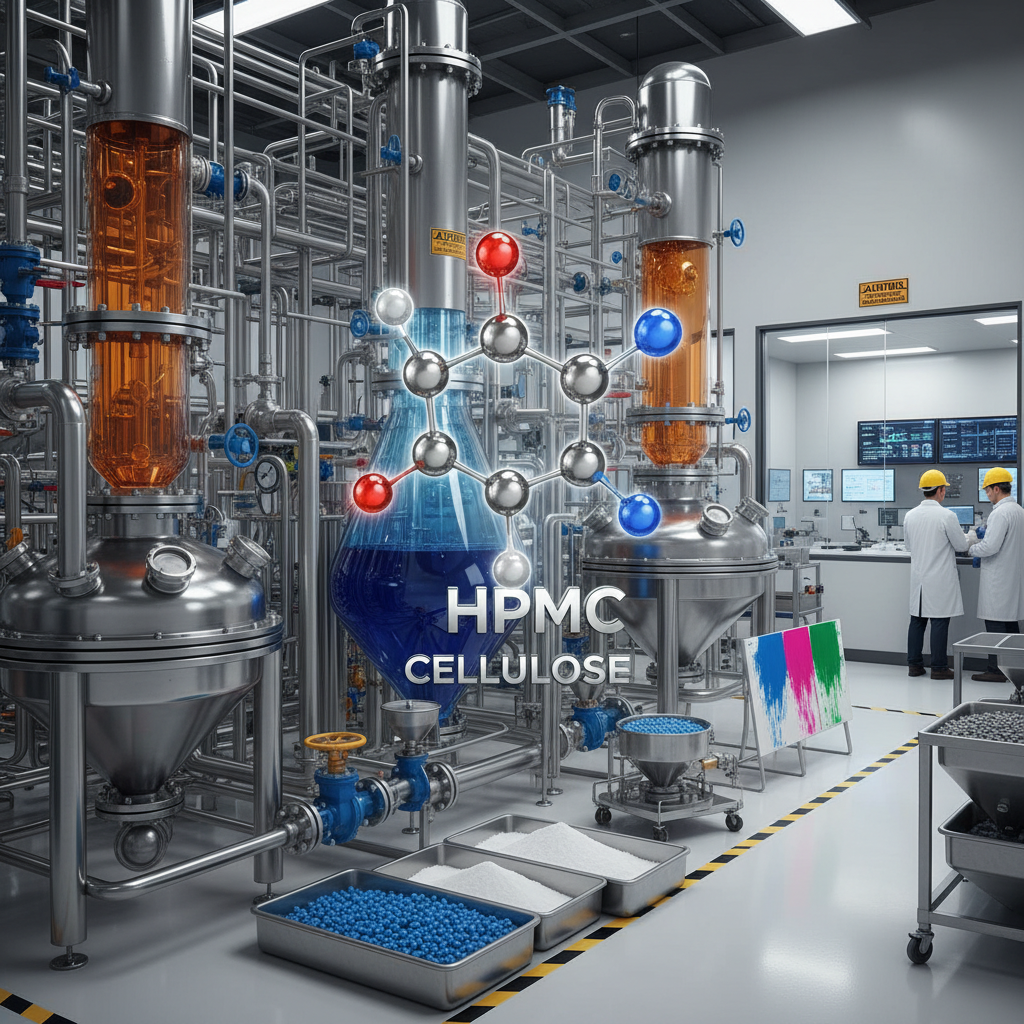
From a molecular standpoint, the hpmc structure can be visualized as a cellulose chain with methyl and hydroxypropyl groups branching off the main backbone. The cellulose itself is a linear polymer of β-D-glucose units linked by β-1,4-glycosidic bonds. This arrangement creates a rigid, crystalline structure, which is then disrupted by the introduction of the substituent groups. The extent of this disruption is directly related to the degree of substitution (DS) and the ratio of methyl to hydroxypropyl groups.
The hydroxypropyl group, being bulkier than the methyl group, introduces more steric hindrance, disrupting the crystalline structure and enhancing water solubility. It also reduces the tendency for hydrogen bonding between cellulose chains, promoting greater chain flexibility. The methyl group, while less disruptive, contributes to hydrophobic character and influences the overall compatibility of the HPMC with other components in a formulation. Therefore, precisely controlling the ratio of these groups is crucial for tailoring the hpmc structure to specific needs.
The resulting HPMC polymer exhibits a unique combination of hydrophilic and hydrophobic properties, making it an excellent amphiphilic material. This dual nature allows it to interact with both water and non-polar substances, enhancing its versatility in various applications. Understanding the interplay between these structural elements is essential for predicting and controlling HPMC's behavior in complex systems.
Key Structural Factors Influencing HPMC Properties
Several key structural factors govern the performance characteristics of HPMC. First, the viscosity is directly related to the molecular weight and the degree of substitution. Higher molecular weight and lower DS generally result in higher viscosity, providing greater thickening power. Second, the gelation temperature is influenced by the methyl/hydroxypropyl ratio. Lower methyl content promotes gelation at lower temperatures.
Third, water solubility is primarily dictated by the DS and the distribution of substituent groups. Higher DS and more uniform distribution lead to enhanced solubility. Fourth, substituent pattern affects the hydrophobic/hydrophilic balance and its interaction with other ingredients. The way the methyl and hydroxypropyl groups are placed on the cellulose backbone affects its overall behavior.
HPMC Structure Characteristics Rating
Diverse Applications of HPMC Structure Worldwide
The application of tailored hpmc structure is global and remarkably diverse. In North America and Europe, HPMC is extensively used in pharmaceutical coatings for tablets and capsules, ensuring controlled drug release and improved patient compliance. Simultaneously, in Asia, particularly in China and India, it plays a crucial role in the construction industry, enhancing the workability and water retention of cement-based mortars.
In South America, the food industry utilizes HPMC as a stabilizer and thickener in various processed foods and beverages. In Africa, its use is growing in the construction sector, offering a cost-effective solution for improving building material performance. This broad geographic distribution showcases the adaptability of HPMC to varying regional needs and construction practices.
Advantages and Long-Term Value of Optimized HPMC Structure
Optimizing the hpmc structure yields numerous tangible benefits. Cost-effectiveness is achieved through reduced material consumption and enhanced product performance, leading to lower life-cycle costs. Sustainability is enhanced by utilizing a bio-based, biodegradable polymer, reducing reliance on fossil fuel-derived materials. Social impact is positive, with safer, more effective pharmaceuticals and more durable, affordable construction materials.
Reliability is ensured through consistent product quality and predictable performance, bolstering trust in the final products. Furthermore, the hpmc structure contributes to innovation by enabling the development of novel formulations and applications. This blend of economic, environmental, and social advantages positions optimized HPMC as a valuable asset for industries worldwide.
Future Trends and Challenges in HPMC Structure Research
Future trends in HPMC structure research focus on sustainable production methods, including utilizing alternative cellulose sources and reducing energy consumption during manufacturing. Digital transformation is playing a role, with advanced modeling and simulation techniques used to predict and optimize HPMC properties. Automation in production processes is improving consistency and scalability.
However, challenges remain. Improving the control over the substituent pattern to achieve highly specific properties is an ongoing area of research. Developing HPMC grades with enhanced thermal stability and resistance to degradation is also crucial. Addressing the variability in cellulose source materials is critical for ensuring consistent product quality. Overcoming these challenges will unlock even greater potential for HPMC in the future.
The shift towards "green chemistry" principles and biodegradable polymers will continue to fuel the demand for HPMC, driving further innovation in its structure and application.
Summary of Key Challenges and Opportunities in HPMC Structure Research
| Challenge Area |
Current Limitations |
Potential Solutions |
Impact on HPMC Structure |
| Sustainable Sourcing |
Reliance on wood pulp with deforestation concerns |
Utilizing agricultural waste and alternative cellulose sources |
Improved environmental profile and reduced carbon footprint of HPMC |
| Substituent Control |
Difficulty in precisely controlling methyl and hydroxypropyl distribution |
Advanced reaction kinetics and catalyst development |
Enhanced tailoring of HPMC properties for specific applications |
| Thermal Stability |
Degradation at high temperatures limiting certain applications |
Crosslinking and polymer blending strategies |
Expanded use in high-temperature processes and environments |
| Process Variability |
Inconsistent cellulose source impacting HPMC quality |
Standardized cellulose preprocessing and quality control measures |
Improved consistency and reliability of HPMC products |
| Cost Optimization |
High production costs limiting wider adoption |
Process intensification and waste reduction strategies |
More competitive pricing and increased market penetration |
| Biodegradability |
Slow degradation rates in certain environments |
Enzyme-assisted degradation and modified polymer structures |
Accelerated biodegradation and reduced environmental impact |
FAQS
The viscosity of HPMC is primarily determined by its molecular weight and degree of substitution (DS). Higher molecular weight HPMC grades will exhibit higher viscosity, providing greater thickening power. Conversely, lower DS values generally lead to increased viscosity. Additionally, factors like temperature, pH, and the presence of salts can influence HPMC viscosity in solution, impacting its performance in different applications.
The ratio of methyl to hydroxypropyl groups profoundly affects HPMC’s characteristics. A higher hydroxypropyl content increases water solubility and reduces gelation temperature due to increased steric hindrance and reduced hydrogen bonding. Higher methyl content provides hydrophobic character and influences compatibility. Controlling this ratio is critical for tailoring HPMC to specific applications, enabling optimization of properties like film formation, thickening, and controlled release.
HPMC is considered biodegradable, but its degradation rate depends on environmental conditions. It’s more readily broken down in soil and compost environments by microorganisms compared to aquatic environments. Factors like temperature, humidity, and microbial activity influence the biodegradation process. Modified HPMC structures, like those with enhanced enzyme susceptibility, are being developed to accelerate biodegradation rates.
The hpmc structure is fundamental to its pharmaceutical applications. The degree of substitution and molecular weight control water solubility, viscosity, and gelation properties, essential for controlled drug release. HPMC acts as a binder in tablet formulations, a film-coating agent for protecting and masking tastes, and a matrix for sustained-release systems. Precise control over HPMC structure ensures optimal drug delivery and efficacy.
Variability in the cellulose source—such as wood pulp, cotton linters, or bacterial cellulose—can significantly impact HPMC quality. Different cellulose sources possess variations in molecular weight, purity, and crystalline structure, affecting the final HPMC product’s properties. Standardized preprocessing and stringent quality control measures are crucial to minimize these variations and ensure consistent HPMC performance.
Yes, HPMC structure can be modified to enhance its resistance to degradation. Techniques include crosslinking with various agents to create a more robust network, blending with other polymers to provide protective effects, and encapsulating HPMC within protective matrices. These modifications can improve its stability in harsh environments, extending its lifespan and applicability in challenging applications.
Conclusion
In conclusion, the hpmc structure is a cornerstone of its versatility and widespread application across diverse industries. From pharmaceuticals and food to construction and cosmetics, understanding the interplay between molecular weight, degree of substitution, and substituent patterns allows for tailored formulations that address specific performance requirements. The ability to manipulate the hpmc structure translates into tangible benefits, including cost-effectiveness, sustainability, and enhanced product reliability.
Looking ahead, continued research focused on sustainable sourcing, precise structural control, and biodegradation optimization will further unlock the potential of HPMC. As industries increasingly prioritize bio-based and environmentally friendly materials, HPMC is poised to play an even more prominent role in shaping a sustainable future. For further information and to explore our range of HPMC products, visit our website: hpmc structure.