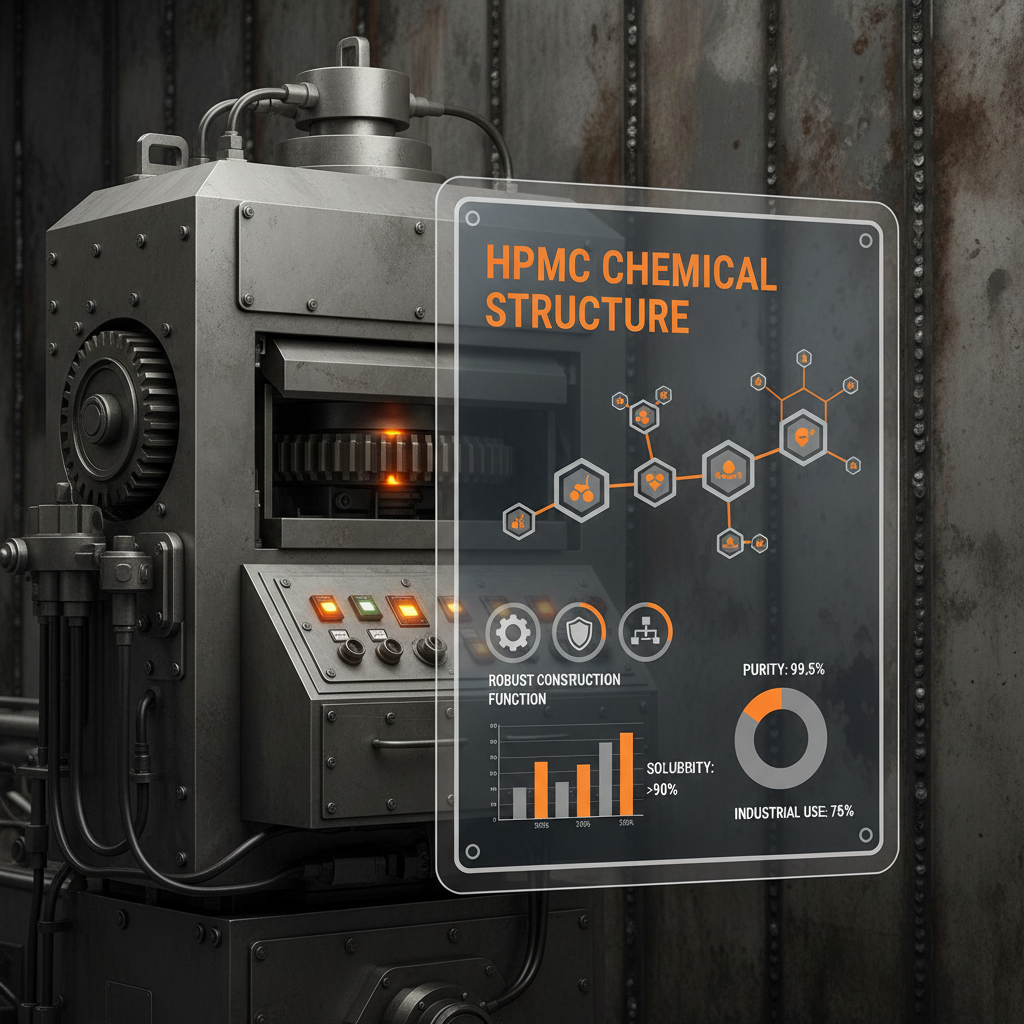
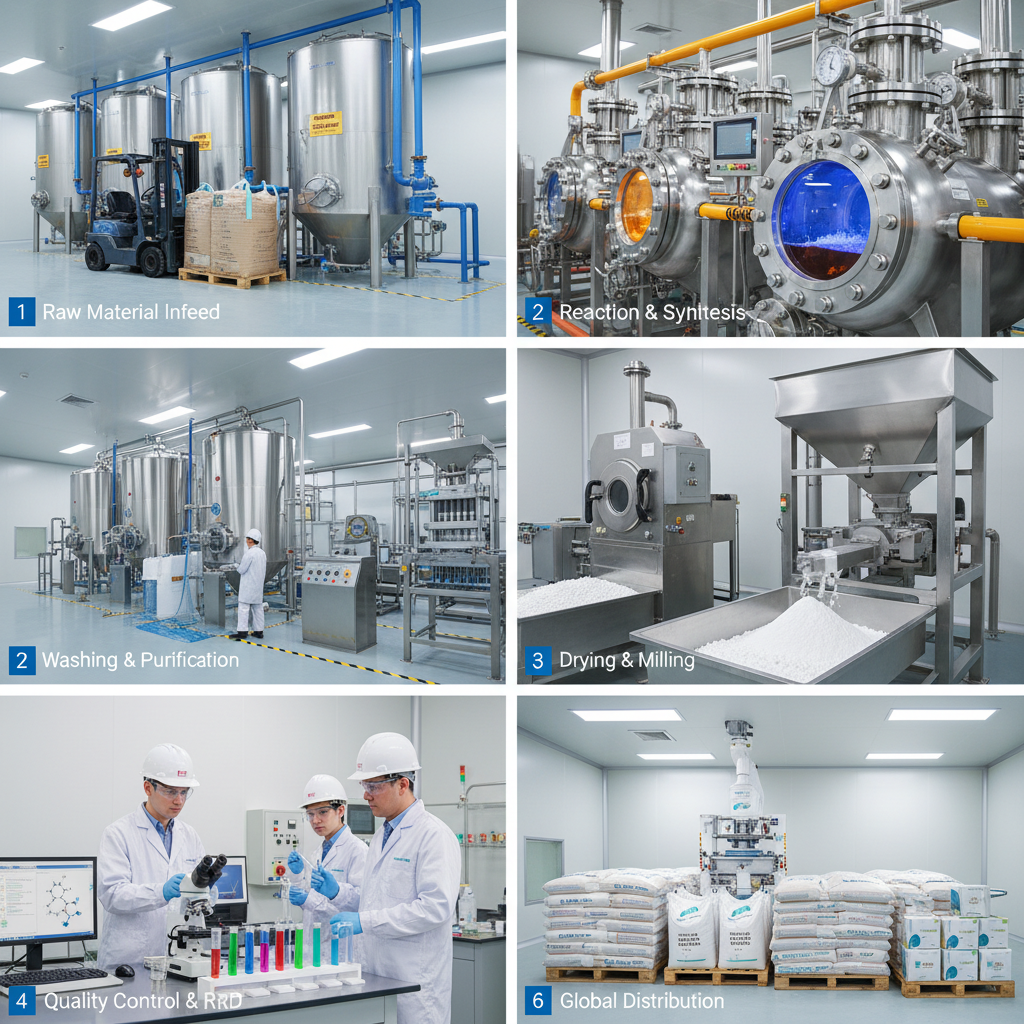
The intricate hpmc chemical structure is fundamental to a vast range of industrial applications, from pharmaceuticals and food production to construction and cosmetics. Understanding its properties and modifications is crucial for optimizing product performance and ensuring quality control. The global demand for HPMC, driven by its versatile characteristics, necessitates a thorough understanding of its chemical foundation and how this impacts its diverse functionality.
The importance of the hpmc chemical structure extends beyond individual product formulations. It plays a critical role in meeting increasingly stringent regulatory requirements and addressing sustainability concerns. The ability to tailor HPMC’s characteristics through precise control of its chemical structure allows for the development of environmentally friendly and high-performing materials.
Ultimately, a comprehensive grasp of hpmc chemical structure empowers manufacturers, researchers, and regulators to innovate, improve existing processes, and ensure product safety and efficacy across a wide spectrum of industries, contributing to advancements in both technological innovation and quality of life.
Introduction to hpmc chemical structure
Hydroxypropyl methylcellulose (HPMC) is a versatile cellulose ether derived from cellulose, a naturally abundant polymer found in plants. Its hpmc chemical structure is characterized by a cellulose backbone modified with methyl and hydroxypropyl groups. This substitution imparts unique properties, including water solubility, thickening, film-forming ability, and thermal gelation.
The specific ratio of methyl and hydroxypropyl groups directly influences the physical and chemical characteristics of HPMC, allowing for a wide range of grades tailored to specific applications. Understanding these structural variations is vital for controlling HPMC's behavior in diverse formulations and processes.
Defining the hpmc chemical structure
At its core, the hpmc chemical structure is a modified cellulose polymer. Cellulose, composed of repeating glucose units linked by β-1,4-glycosidic bonds, forms the fundamental backbone. HPMC is created by chemically modifying cellulose through etherification – specifically, the introduction of methyl (-CH3) and hydroxypropyl (-CH2CHOHCH3) groups along the cellulose chain.
The degree of substitution (DS) is a critical parameter defining the HPMC structure. DS refers to the average number of substituent groups (methyl and hydroxypropyl) attached to each glucose unit. Higher DS generally leads to increased water solubility and reduced gel strength.
This structural modification transforms cellulose, which is inherently insoluble in water, into a water-soluble polymer with a range of properties that make it invaluable in countless industrial processes and consumer products, effectively addressing limitations found in unmodified cellulose.
Key Components of hpmc chemical structure
The hpmc chemical structure is primarily defined by three key components: the cellulose backbone, the methoxyl (-OCH3) groups, and the hydroxypropyl (-OCH2CHOHCH3) groups. The cellulose backbone provides the structural integrity, while the methoxyl and hydroxypropyl groups confer the desired properties like solubility and thickening.
The degree of substitution (DS) for both methoxyl and hydroxypropyl groups is crucial. A higher methoxyl DS increases hydrophobicity and can contribute to gel strength, whereas a higher hydroxypropyl DS enhances water solubility and reduces gel strength. Controlling these DS values is key to tailoring HPMC for specific applications.
Molecular weight also plays a significant role. Higher molecular weight HPMC generally provides greater viscosity and film-forming capabilities, but can also increase solution viscosity and potentially impact processability. Therefore, understanding the interplay between DS and molecular weight is vital for optimal HPMC performance.
Practical Applications of hpmc chemical structure
The properties derived from the hpmc chemical structure make it indispensable in pharmaceuticals as a binder, film coating agent, and controlled-release matrix. In the construction industry, it's a crucial component of cement-based materials, improving workability, water retention, and adhesion.
Food manufacturers utilize HPMC as a thickener, stabilizer, and emulsifier in a diverse range of products, including sauces, desserts, and baked goods. Its unique thermal gelation properties also make it valuable in creating innovative food textures.
Comparative Performance Based on hpmc chemical structure Variation
Global Relevance and Industries Using hpmc chemical structure
The global market for HPMC is substantial and continues to grow, driven by its widespread applications across diverse industries. Asia-Pacific represents the largest consumer, followed by North America and Europe. This demand is fuelled by robust growth in the pharmaceutical, construction, and food sectors within these regions.
Beyond these core areas, HPMC finds applications in personal care products (shampoos, lotions), paints and coatings, ceramics, and even specialized applications like 3D printing and tissue engineering. The ongoing search for sustainable and bio-based materials is further bolstering HPMC’s adoption across various industries.
Benefits & Value Proposition of hpmc chemical structure
The key benefit of utilizing HPMC, rooted in its unique hpmc chemical structure, is its versatility. It provides a cost-effective solution for a multitude of formulation challenges, offering properties like thickening, binding, film-forming, and controlled release. The adaptability of the structure ensures broad compatibility with various components.
From a sustainability perspective, HPMC is derived from renewable cellulose resources, offering a more environmentally friendly alternative to some synthetic polymers. This aligns with growing consumer demand for sustainable products and stricter environmental regulations.
The consistent and predictable behavior of HPMC, stemming from its well-defined chemical structure, fosters reliability in manufacturing processes and contributes to product quality and safety, building trust with both producers and consumers.
Future Trends & Challenges in hpmc chemical structure
Future trends point toward the development of HPMC with even more tailored properties through advanced chemical modifications and blending techniques. Research is focused on enhancing its biodegradability, improving its performance in specific applications (e.g., controlled drug delivery), and reducing its manufacturing footprint.
Challenges remain in optimizing production processes to reduce costs and enhance consistency. Furthermore, exploring new sustainable sourcing options for cellulose and addressing potential environmental impacts associated with HPMC manufacturing are critical areas of focus.
The integration of digital technologies, such as AI-driven formulation design and process control, promises to accelerate innovation and improve the efficiency of HPMC production and application.
Summary of Key Challenges and Opportunities Regarding hpmc chemical structure
| Challenge Area |
Current Limitations |
Potential Solutions |
Impact on hpmc chemical structure |
| Cost of Production |
High energy consumption & raw material costs |
Process optimization & bio-based feedstock |
Potential for more affordable HPMC grades |
| Biodegradability |
Slow degradation rate in certain environments |
Enzymatic modification & co-polymerization |
Improved environmental profile |
| Batch Consistency |
Variations in DS & molecular weight |
Advanced process control & monitoring |
Enhanced product reliability |
| Application Specificity |
Limited performance in niche areas |
Tailored chemical modifications & blends |
Expanded range of applications |
| Sustainable Sourcing |
Dependence on wood pulp |
Utilizing alternative cellulose sources |
Reduced environmental impact |
| Process Optimization |
Inefficient etherification reactions |
Catalyst development & reactor design |
Increased yield & reduced waste |
FAQS
The solubility of HPMC is significantly impacted by the degree of substitution (DS) of the hydroxypropyl groups. Higher DS values generally lead to increased water solubility due to greater hydrophilicity. Molecular weight also plays a role, with lower molecular weights exhibiting faster dissolution rates. Temperature, pH, and the presence of salts can also affect HPMC solubility, necessitating careful formulation considerations.
Generally, higher molecular weight HPMC results in higher viscosity solutions at the same concentration. This is because longer polymer chains exhibit greater entanglement and resistance to flow. However, the relationship isn’t always linear, and factors like DS and temperature also influence viscosity. Selecting the appropriate molecular weight HPMC is critical for achieving the desired rheological properties in a specific application.
Yes, HPMC is widely recognized as a safe excipient for pharmaceutical formulations. It is approved for use by major regulatory bodies such as the FDA and EMA. HPMC is generally non-toxic, non-irritating, and non-immunogenic. However, it's essential to use pharmaceutical-grade HPMC that meets stringent quality standards and complies with relevant pharmacopoeias.
The methoxyl content in the hpmc chemical structure influences film-forming properties. Higher methoxyl content can contribute to increased film hardness and reduced water sensitivity. However, excessive methoxyl content can also decrease flexibility. Balancing methoxyl and hydroxypropyl content is essential for tailoring film properties for specific applications like coatings and controlled-release matrices.
Yes, HPMC is derived from cellulose, which is plant-based, making it suitable for use in vegan and vegetarian food products. It’s commonly used as a thickener, stabilizer, and emulsifier in various plant-based alternatives to meat and dairy products. The use of HPMC helps achieve desired textures and improve the overall eating experience.
The thermal gelation property of HPMC, where it transitions from a liquid to a gel upon heating, is advantageous in applications like hot melt coatings, controlled-release drug delivery, and specialized food products. This property allows for the creation of stable formulations that exhibit unique textural characteristics when heated or cooled, offering controlled release or specific application behavior.
Conclusion
In conclusion, the hpmc chemical structure is a remarkably versatile and valuable material with widespread applications across a multitude of industries. Understanding the nuances of its composition – the cellulose backbone, the degree of substitution, and the molecular weight – is essential for optimizing its performance and unlocking its full potential. From pharmaceuticals and food to construction and beyond, HPMC continues to play a crucial role in addressing diverse technological and societal challenges.
Looking ahead, continued research and innovation in HPMC chemistry and processing promise even more tailored and sustainable solutions. By exploring new sourcing options, refining manufacturing processes, and developing novel applications, we can further leverage the unique properties of HPMC to create a more efficient, sustainable, and innovative future. Visit our website at www.cnjzchemical.com to learn more.