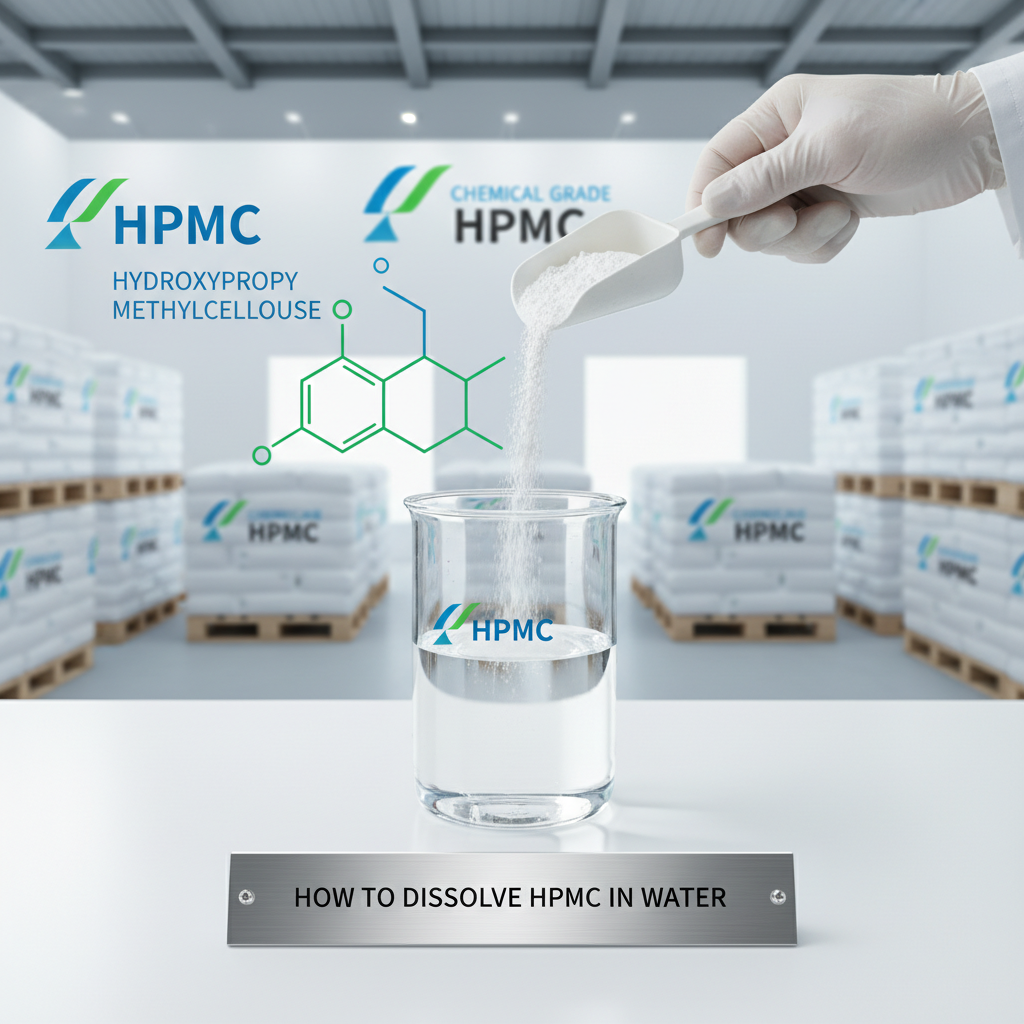
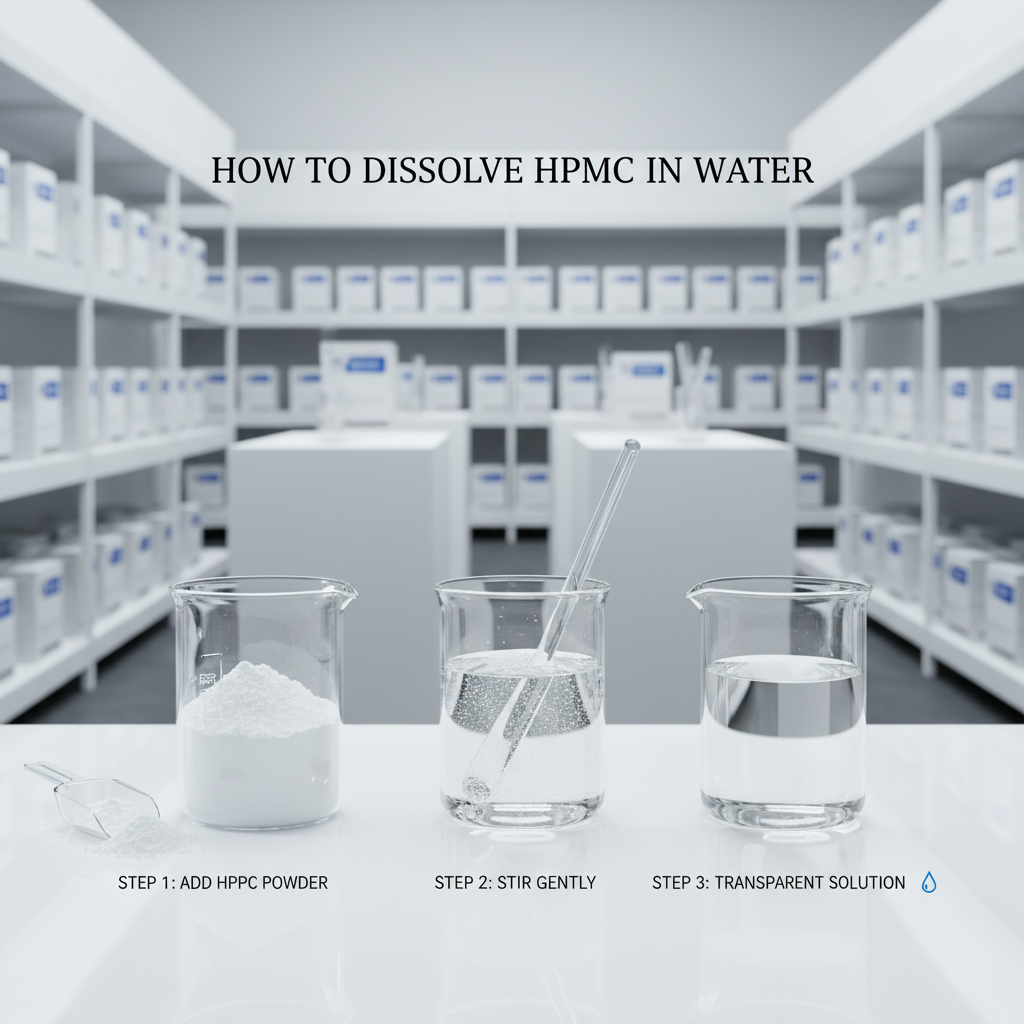
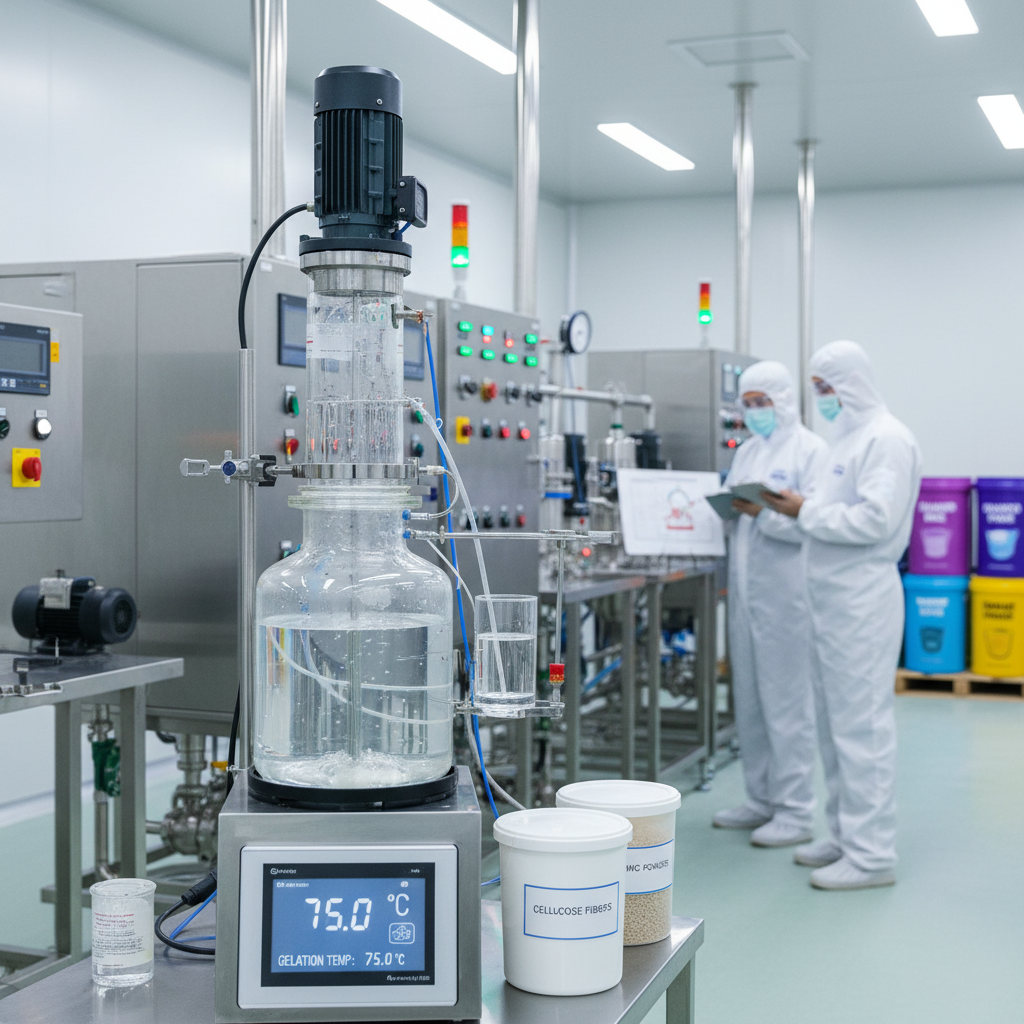
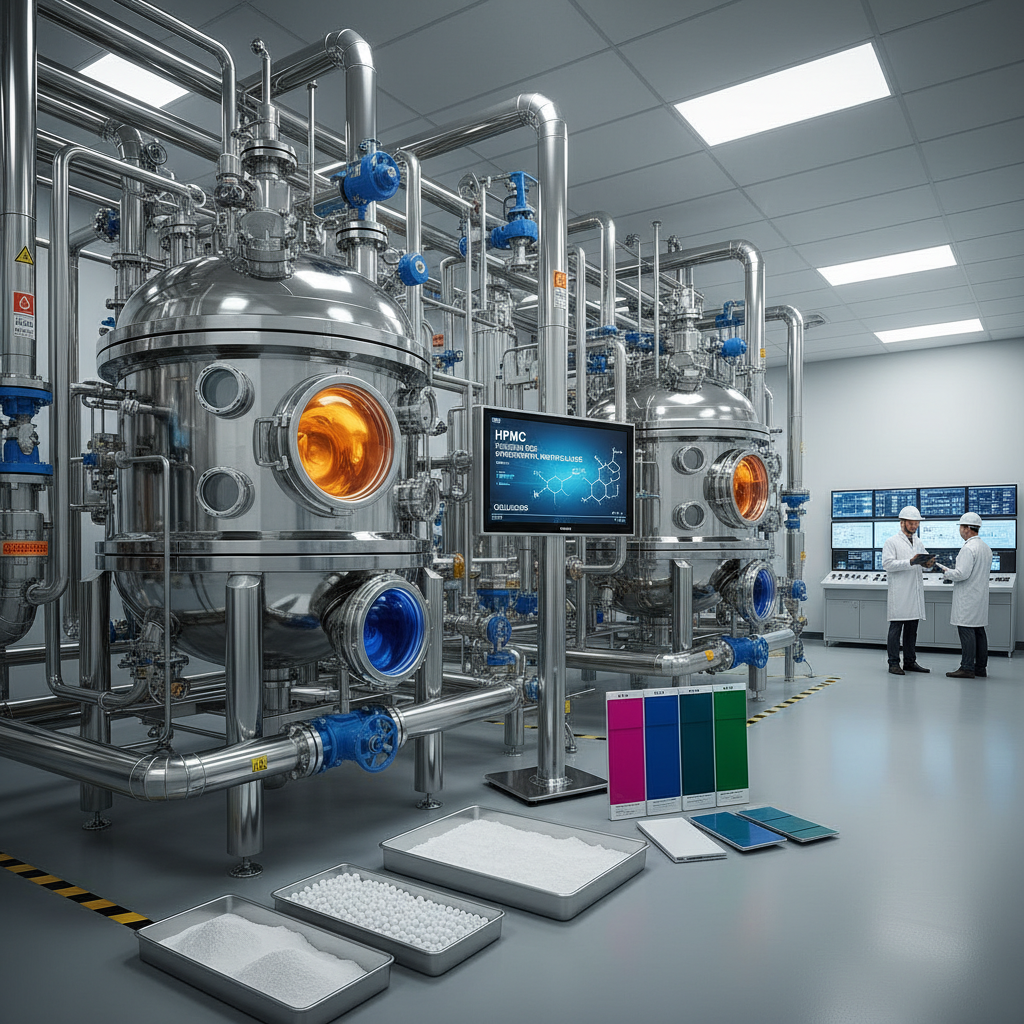
Hydroxypropyl methylcellulose (HPMC) is a versatile polymer widely used across industries like pharmaceuticals, food, and construction. A critical aspect of utilizing HPMC effectively is understanding how to dissolve hpmc in water, a process that isn't always straightforward. Achieving complete dissolution is crucial for obtaining the desired viscosity and functionality in final products, influencing everything from drug delivery to the performance of cement-based materials.
The global demand for HPMC is substantial and growing, driven by increasing applications in various sectors. Reports indicate a multi-billion dollar market, with significant growth projected in the coming years. This demand underscores the importance of mastering the techniques for proper HPMC hydration. Poor dissolution can lead to inconsistent product quality, reduced efficacy, and increased manufacturing costs, making it a significant challenge for many businesses.
Successfully navigating how to dissolve hpmc in water involves understanding its unique properties and employing specific methods. This knowledge allows for optimizing processes, reducing waste, and ensuring the reliable production of high-quality goods across a wide spectrum of applications. Mastering these techniques is essential for continued innovation and efficient production within industries that rely on this crucial polymer.
Understanding HPMC Solubility
HPMC doesn't simply dissolve in water like sugar or salt; it requires a specific process called hydration. This involves water molecules penetrating the polymer structure, breaking the hydrogen bonds between HPMC chains and allowing them to disperse evenly throughout the water. Successfully achieving this requires understanding the inherent challenges related to its semi-synthetic nature and the factors that either hinder or promote this hydration process.
The key to how to dissolve hpmc in water lies in minimizing clumping and maximizing the surface area exposed to water. The polymer tends to form aggregates when added directly to water, creating a barrier to further hydration. This is why specific techniques like powder dispersion methods are employed to ensure uniform dispersion and complete dissolution.
Factors Influencing Dissolution
Several factors significantly impact the ease and efficiency of HPMC dissolution. Viscosity grade plays a crucial role; higher viscosity grades typically require more time and effort to dissolve due to their longer polymer chains and increased entanglement. Particle size is another key consideration, with finer powders generally dispersing more readily than coarser granules. Temperature also influences the process, with warmer water generally promoting faster hydration, although excessively high temperatures can cause degradation.
The concentration of HPMC being dissolved also affects the process. Higher concentrations require more rigorous mixing and dispersion techniques to prevent clumping and ensure complete dissolution. Agitation speed and duration are equally important. Insufficient mixing will result in incomplete hydration and the formation of lumps, while excessive mixing can shear the polymer chains, potentially reducing its effectiveness.
Finally, the presence of other ingredients in the solution can influence HPMC dissolution. Certain salts or solvents can either promote or inhibit hydration, requiring careful consideration during formulation. Understanding these interactions is critical for optimizing the dissolution process and achieving the desired properties in the final product.
The Role of Water Quality
Water quality is surprisingly crucial when considering how to dissolve hpmc in water. The presence of impurities, such as minerals or organic compounds, can interfere with the hydration process and potentially affect the performance of the HPMC in its final application. Deionized or distilled water is generally recommended to ensure optimal results.
The pH of the water also plays a role. HPMC is generally more stable and dissolves more readily in neutral to slightly alkaline conditions. Extremely acidic or alkaline water can cause degradation or precipitation of the polymer. Therefore, pH adjustment may be necessary depending on the specific water source.
Furthermore, the water’s temperature must be considered in conjunction with its quality. While warmer water aids dissolution, impurities can become more active at higher temperatures, potentially exacerbating any negative effects on the hydration process.
Dissolution Methods Comparison
Several methods are employed to facilitate HPMC dissolution, each with its own advantages and disadvantages. Direct addition, while the simplest, is often the least effective due to the clumping issue. Powder dispersion using high-shear mixers or blenders is a common technique to pre-disperse the HPMC powder before adding it to water, improving hydration rates.
Another effective method involves creating a slurry by adding the HPMC powder to a small amount of a compatible solvent (like ethanol or propylene glycol) before gradually adding it to the water. This helps to break down the aggregates and promotes more uniform dispersion. The 'dusting-in' method, where the powder is slowly sprinkled into vigorously stirred water, is also frequently used.
Comparison of HPMC Dissolution Methods
Industrial Applications & HPMC Dissolution
In the pharmaceutical industry, complete HPMC dissolution is critical for formulating controlled-release tablets and capsules. Poor dissolution can lead to inconsistent drug delivery and reduced therapeutic efficacy. In the construction sector, HPMC is added to cement-based products to improve workability, water retention, and adhesion. Proper hydration is essential for ensuring these benefits are realized.
The food industry utilizes HPMC as a thickener, stabilizer, and emulsifier. Achieving complete dissolution is vital for maintaining the desired texture and consistency of food products. The cosmetic industry also benefits from HPMC’s thickening and film-forming properties, again requiring careful attention to dissolution for optimal product performance.
Advantages of Optimized Dissolution
Optimized HPMC dissolution yields several significant advantages. Improved product quality and consistency are paramount, ensuring that each batch meets the required specifications. Reduced manufacturing costs result from minimizing waste and rework due to incomplete hydration. Enhanced product performance stems from the uniform distribution of HPMC throughout the matrix, maximizing its functional benefits.
Furthermore, optimized dissolution contributes to increased production efficiency by shortening processing times and reducing the need for intensive mixing. It also enhances the stability of formulations, preventing sedimentation or phase separation over time, extending shelf life and maintaining product integrity.
Future Trends in HPMC Hydration
Emerging trends focus on innovative techniques for enhancing HPMC dissolution. Microfluidic technology is being explored to create highly uniform dispersions with reduced aggregation. The use of enzymes to pre-treat HPMC and improve its hydration characteristics is another promising avenue of research.
Additionally, advancements in mixing technology, such as ultrasonic mixers and high-pressure homogenizers, are offering more efficient and effective methods for dispersing HPMC powders. Sustainability is also driving the development of more environmentally friendly dissolution processes, reducing solvent usage and minimizing waste generation.
The integration of real-time monitoring systems to track the dissolution process and optimize parameters is also gaining traction, enabling better control and ensuring consistent results. These advancements promise to further streamline HPMC utilization and unlock new application possibilities.
Summary of Factors Affecting HPMC Dissolution Performance
| Dissolution Factor |
Impact on Hydration |
Optimization Strategies |
Performance Rating (1-10) |
| Water Temperature |
Higher temperatures generally accelerate hydration, but can degrade polymer. |
Maintain optimal range (20-40°C) based on HPMC grade. |
8 |
| Agitation Speed |
Insufficient agitation leads to clumping; excessive agitation can shear the polymer. |
Optimize speed to ensure uniform dispersion without polymer degradation. |
9 |
| HPMC Viscosity Grade |
Higher viscosity grades require more energy and time to dissolve. |
Adjust mixing parameters or consider lower viscosity grades for easier dissolution. |
7 |
| Water Quality |
Impurities can interfere with hydration and affect product performance. |
Use deionized or distilled water to minimize interference. |
10 |
| Powder Dispersion Method |
Direct addition leads to clumping; pre-dispersion enhances hydration. |
Employ techniques like high-shear mixing or solvent slurry to pre-disperse the powder. |
8 |
| HPMC Particle Size |
Finer particles disperse more readily than coarser granules. |
Utilize HPMC with a smaller particle size for faster hydration. |
6 |
FAQS
For large quantities, a combination of techniques is often best. Start by creating a slurry with a compatible solvent like ethanol, then gradually add this to vigorously stirred water. Using a high-shear mixer during the addition process is also crucial to prevent clumping and ensure complete dissolution. Controlling the temperature within the optimal range (20-40°C) is equally important for efficient hydration.
While warmer water generally accelerates dissolution, using excessively hot water can degrade the HPMC polymer, reducing its viscosity and functionality. It's best to stay within a temperature range of 20-40°C (68-104°F). Experimentation is crucial, as optimal temperature may vary depending on the specific HPMC grade and concentration.
Incomplete dissolution results in lumps or a non-uniform consistency, significantly impacting the final product's performance. In pharmaceutical applications, it can lead to inconsistent drug release. In construction, it can reduce the workability and adhesion of cement-based materials. It's essential to ensure complete dissolution before proceeding with the rest of the formulation.
Yes, higher viscosity HPMC grades are more challenging to dissolve due to their longer polymer chains and increased entanglement. They require more vigorous mixing, longer hydration times, and potentially a pre-dispersion step using a solvent like ethanol or propylene glycol. Lower viscosity grades generally dissolve more readily.
High-shear mixers and blenders are typically the most effective for dispersing HPMC powders and promoting dissolution. These mixers create strong shear forces that break down aggregates and improve hydration. Ultrasonic mixers and high-pressure homogenizers are also excellent options, especially for challenging formulations.
While HPMC is primarily dissolved in water, compatible solvents like ethanol or propylene glycol can be used to create a slurry before adding it to water. These solvents help to break down aggregates and promote faster dissolution. However, it's important to ensure that the solvent is compatible with the final application and doesn't leave any harmful residues.
Conclusion
Understanding how to dissolve hpmc in water is paramount for achieving optimal performance and quality across a wide range of industries. Factors like water quality, temperature, agitation, and the chosen dissolution method all play critical roles in ensuring complete and efficient hydration. Mastering these techniques unlocks the full potential of HPMC as a versatile and valuable polymer.
Looking ahead, continuous innovation in mixing technologies, pre-treatment methods, and real-time monitoring systems will further streamline HPMC utilization. By embracing these advancements and maintaining a focus on process optimization, manufacturers can unlock new possibilities and continue to leverage the unique benefits of this important material. For comprehensive solutions and high-quality HPMC products, visit our website: www.cnjzchemical.com.