
Apr . 04, 2026 02:15 Back to list
Comprehensive Guide to Hydroxypropyl Methyl Cellulose cas no and its Diverse Applications
Hydroxypropyl Methyl Cellulose (HPMC): A Comprehensive Guide
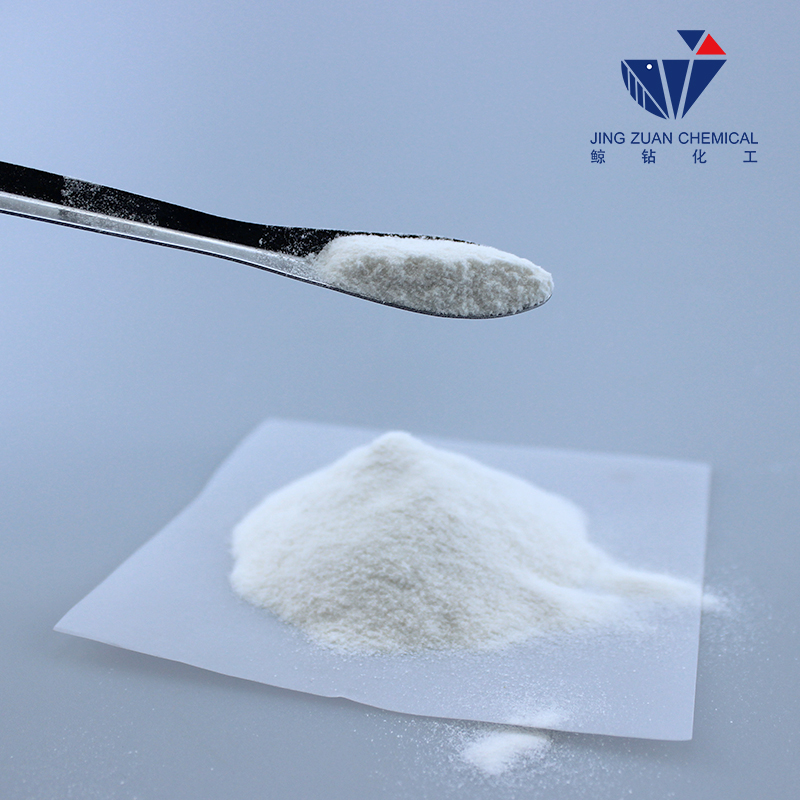
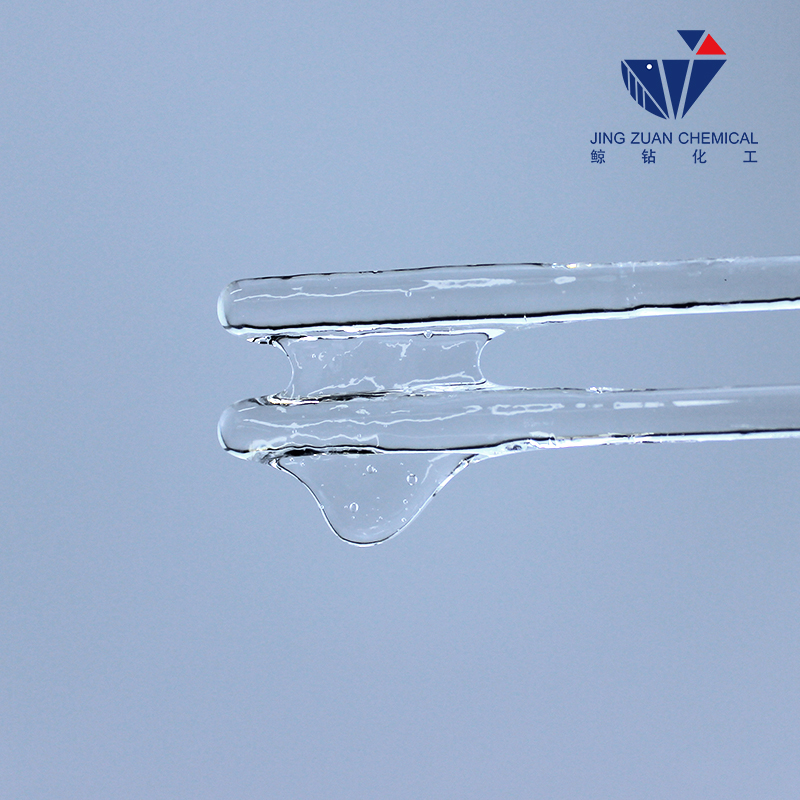
Hydroxypropyl Methyl Cellulose (HPMC) is a versatile cellulose ether widely utilized across diverse industries like construction, pharmaceuticals, food, cosmetics, and more. This non-ionic water-soluble polymer is prized for its thickening, binding, film-forming, and water retention properties. Understanding its characteristics and applications is key for optimizing product performance. You can explore a comprehensive range of HPMC grades and specifications at CNJZ Chemical.

Understanding Hydroxypropyl Methyl Cellulose (HPMC)
HPMC is derived from cellulose, a natural polymer found in plant cell walls. Through chemical modification, cellulose is transformed into HPMC, offering enhanced solubility and a wider range of functionalities. The key parameters determining HPMC's properties are its viscosity, degree of substitution (DS), and molecular weight. These factors dictate its thickening efficiency, water retention capacity, and gelation behavior. CNJZ Chemical offers customized HPMC solutions tailored to specific application requirements. The HPMC CAS No. 9004-65-3 is a key identifier for this important chemical compound.
Key Highlights: A versatile cellulose ether known for thickening, binding, film-forming, and water retention. Customization options available for optimal performance.
HPMC Applications Across Industries
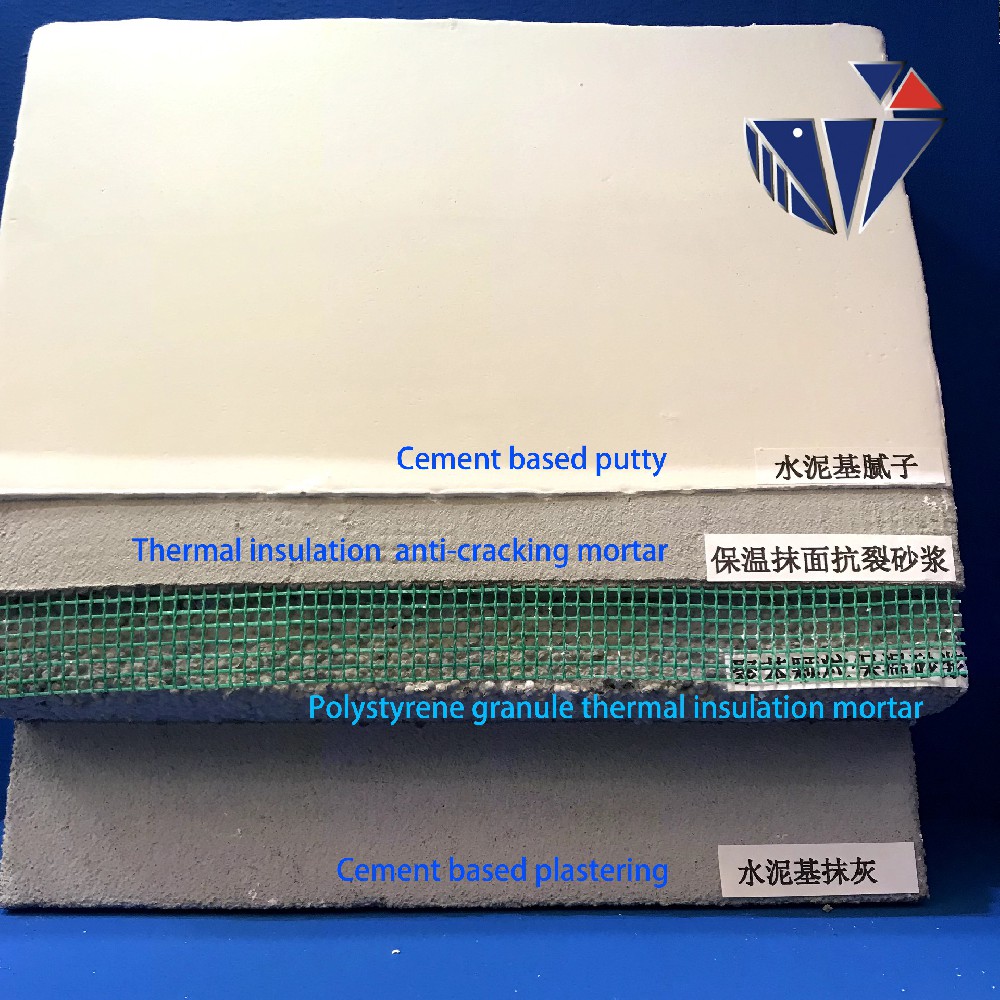
The broad range of HPMC applications stems from its unique properties. In construction, it's used as a cement mortar additive to improve workability, adhesion, and water retention, preventing cracking. In pharmaceuticals, it serves as a binder, disintegrant, and film coating agent in tablets and capsules. The food industry utilizes HPMC as a thickener, stabilizer, and emulsifier in sauces, desserts, and dairy products. Cosmetic formulations benefit from its thickening, film-forming, and emulsion-stabilizing capabilities. Discover how CNJZ Chemical's HPMC can enhance your products – contact us today.
Key Application Areas:
• Construction (cement mortars, tile adhesives)
• Pharmaceuticals (tablets, capsules, coatings)
• Food (sauces, desserts, dairy products)
• Cosmetics (creams, lotions, shampoos)
HPMC Grades and Specifications
HPMC is available in various grades, differing in viscosity, particle size, and degree of substitution. Viscosity, measured in mPa·s, indicates the thickening power. Particle size influences dissolution rate and texture. The degree of substitution affects water solubility and gelation properties. Understanding these parameters is crucial for selecting the optimal HPMC grade for your application. CNJZ Chemical offers a wide array of HPMC products to cater to diverse needs. The product specifications are meticulously controlled to ensure consistent quality.
Safety and Handling of HPMC
HPMC is generally considered safe for its intended applications. However, like with any chemical substance, appropriate handling procedures are essential. Avoid inhaling dust, and ensure adequate ventilation during handling. Wear appropriate personal protective equipment, such as gloves and eye protection. Store in a cool, dry place, away from direct sunlight and moisture. Refer to the Material Safety Data Sheet (MSDS) for detailed safety information.

Conclusion: HPMC – A Reliable and Versatile Polymer
Hydroxypropyl Methyl Cellulose (HPMC) continues to be a crucial ingredient across a multitude of industries. Its exceptional properties and versatility make it an ideal choice for enhancing product performance and achieving desired functionalities. CNJZ Chemical is a leading supplier of high-quality HPMC, offering a diverse range of grades and customized solutions to meet your specific needs. Contact us today to explore how HPMC can benefit your applications – request a quote!
Frequently Asked Questions (FAQs)
What is the CAS No. for Hydroxypropyl Methyl Cellulose?
The Chemical Abstracts Service (CAS) registry number for Hydroxypropyl Methyl Cellulose (HPMC) is 9004-65-3. This unique identifier is used internationally to precisely identify the chemical substance. Knowing the CAS No. is essential for accurate identification, regulatory compliance, and safety data sheet (SDS) referencing. CNJZ Chemical provides this information clearly for all of its HPMC products.
How does HPMC contribute to water retention in construction materials?
HPMC's molecular structure allows it to absorb and retain significant amounts of water. When added to cement-based mixtures like mortars and tile adhesives, it forms a network that inhibits water evaporation. This extended water retention ensures proper cement hydration, enhancing workability, adhesion, and preventing premature drying and cracking. It's particularly beneficial in hot or dry climates.
What are the key factors influencing HPMC viscosity?
Several factors affect HPMC viscosity, including its molecular weight, degree of substitution, concentration in solution, and temperature. Higher molecular weight HPMC generally exhibits higher viscosity. A higher degree of substitution can lower viscosity. Increasing the concentration of HPMC in a solution will increase its viscosity, while higher temperatures usually decrease viscosity. CNJZ Chemical offers HPMC with a range of viscosities to meet specific application needs.
Is HPMC compatible with other additives commonly used in formulations?
HPMC generally exhibits good compatibility with a wide range of additives, including other cellulose ethers, polymers, surfactants, and pigments. However, it's always recommended to conduct compatibility testing, especially when formulating complex mixtures. Certain additives may affect HPMC's viscosity or stability, so careful consideration is crucial for optimal performance. CNJZ Chemical’s technical team can provide guidance on compatibility assessments.
-
Understanding Hydroxypropyl Methyl Cellulose MSDS Safety and Compliance
NewsApr.16,2026
-
Understanding the Hydroxypropyl Methyl Cellulose HS Code for Global Trade
NewsApr.09,2026
-
Comprehensive Guide to Hydroxypropyl Methyl Cellulose CAS Number and Applications
NewsApr.07,2026
-
Comprehensive Guide to Hydroxypropyl Methyl Cellulose cas no and its Diverse Applications
NewsApr.04,2026
-
Comprehensive Guide to Hydroxypropyl Methyl Cellulose Manufacturers and Applications
NewsMar.31,2026
-
Understanding Hydroxypropyl Methyl Cellulose Properties And Diverse Applications
NewsMar.28,2026