
Mar . 31, 2026 02:05 Back to list
Comprehensive Guide to Hydroxypropyl Methyl Cellulose Manufacturers and Applications
Hydroxypropyl Methyl Cellulose Manufacturers: A Comprehensive Guide
Hydroxypropyl methyl cellulose (HPMC) is a versatile polymer used in a vast array of industries, from construction to pharmaceuticals. Finding a reliable hydroxypropyl methyl cellulose manufacturer is crucial for ensuring product quality and consistent supply. This article will delve into the key aspects of HPMC, its applications, and how to choose the right manufacturer, with a focus on quality, capabilities, and sustainability. We’ll explore the benefits of sourcing from a trusted partner like CNJZ Chemical, and provide insights into navigating the global market.

What is Hydroxypropyl Methyl Cellulose (HPMC)?
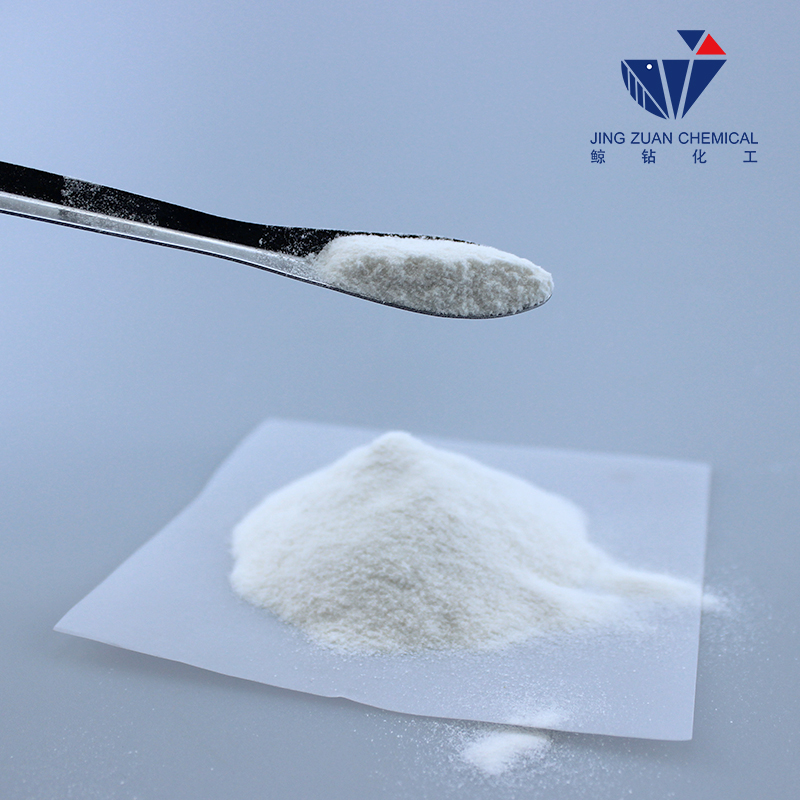
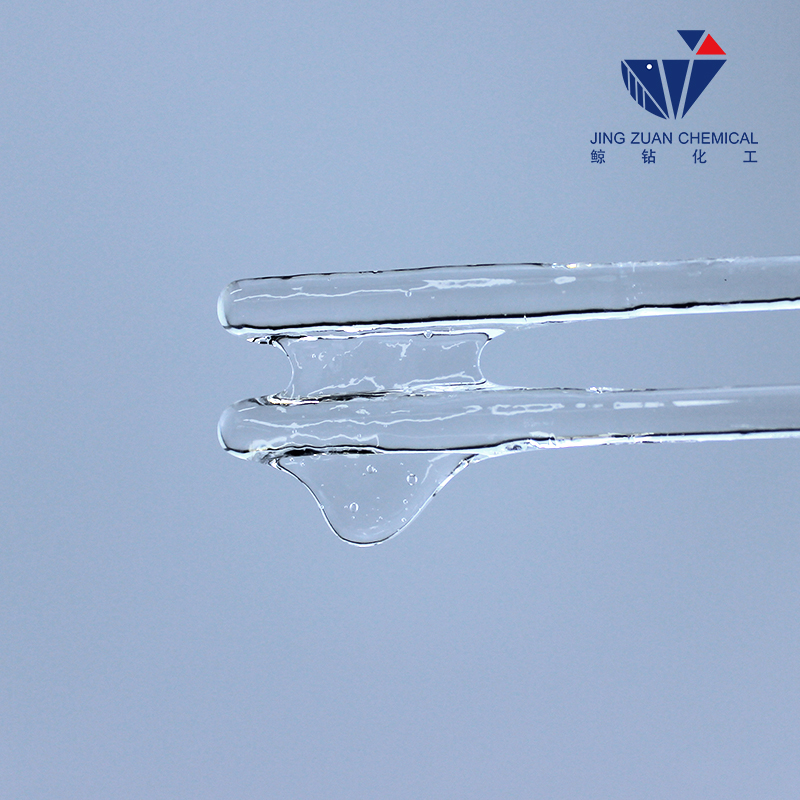
HPMC is a non-ionic, water-soluble cellulose ether produced by chemically modifying cellulose. It's a white or off-white powder, odorless and tasteless. The key properties of HPMC include thickening, binding, film-forming, suspension, adhesion, and surface activity. These characteristics make it invaluable across various industries, acting as a critical ingredient in many formulations. Understanding these core properties is paramount when selecting a HPMC manufacturer capable of delivering consistent quality and tailored solutions.
Key Properties: Thickening, binding, film-forming, suspension, adhesion, surface activity. These properties make it invaluable across industries.
Applications of Hydroxypropyl Methyl Cellulose
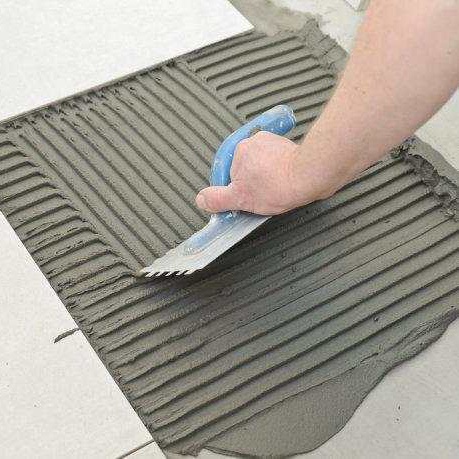
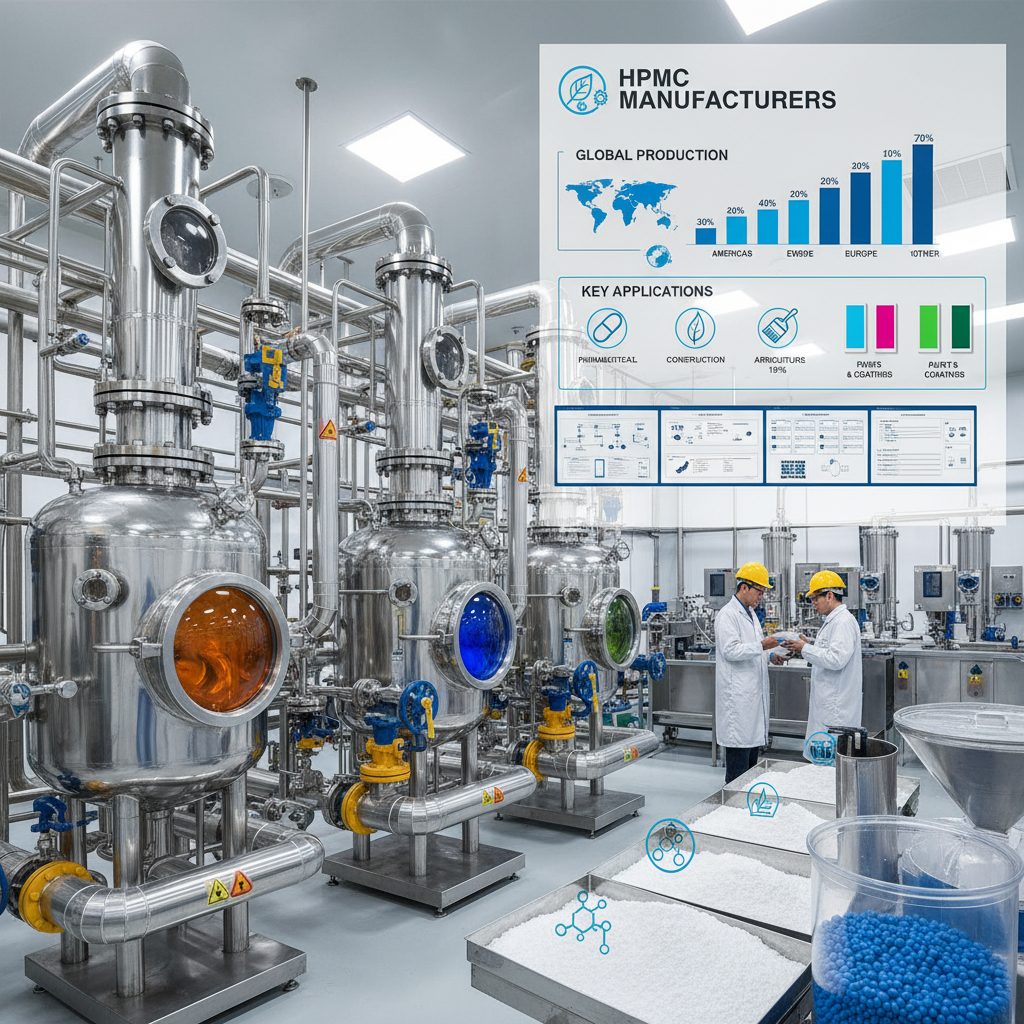
HPMC boasts an incredibly diverse range of applications. In the construction industry, it's used as a cement and gypsum-based mortar additive to improve workability, water retention, and adhesion. Pharmaceutical applications include tablet coatings, controlled-release matrices, and thickeners for liquid formulations. The food industry utilizes HPMC as a stabilizer, emulsifier, and thickener in sauces, desserts, and bakery products. Other applications include paints and coatings, ceramics, personal care products, and even the oil drilling industry. Choosing a hydroxypropyl methyl cellulose manufacturer that understands the nuances of these diverse applications is essential.
Key Application Areas:
• Construction: Mortar additive for improved workability.
• Pharmaceuticals: Tablet coatings, controlled-release.
• Food: Stabilizer, emulsifier, thickener.
• Paints & Coatings: Rheology modifier.
Choosing the Right Hydroxypropyl Methyl Cellulose Manufacturers
Selecting a hydroxypropyl methyl cellulose manufacturer requires careful consideration. Key factors include product quality and consistency, manufacturing capabilities, technical support, and adherence to industry standards (like ISO 9001). A reliable manufacturer will offer a range of HPMC grades with varying viscosity, particle size, and degree of substitution to meet specific application requirements. They should also provide comprehensive documentation, including Certificates of Analysis (COAs) and technical data sheets. Finally, a manufacturer's commitment to sustainability and responsible sourcing is increasingly important.
CNJZ Chemical: Your Trusted HPMC Supplier
CNJZ Chemical is a leading hydroxypropyl methyl cellulose manufacturer dedicated to providing high-quality HPMC products and exceptional customer service. We offer a comprehensive range of HPMC grades tailored to diverse industrial applications. Our state-of-the-art manufacturing facilities, stringent quality control processes, and experienced technical team ensure consistent product performance and reliability. We are committed to sustainable practices and responsible sourcing.
HPMC Grades and Specifications
At CNJZ Chemical, we provide a broad spectrum of HPMC grades with differing viscosities to cater to specific application needs. Below is a snapshot of some of our popular offerings:
Conclusion: Partnering with a Reliable HPMC Manufacturer
Choosing the right hydroxypropyl methyl cellulose manufacturer is a critical step in ensuring product quality, consistency, and supply chain reliability. CNJZ Chemical stands out as a trusted partner, offering a comprehensive range of HPMC grades, technical expertise, and a commitment to sustainability. We invite you to contact us to discuss your specific requirements and experience the CNJZ Chemical difference.
Frequently Asked Questions (FAQs)
What is the shelf life of HPMC?
Generally, HPMC has a shelf life of at least two years when stored in a cool, dry place, away from direct sunlight. Proper storage is crucial to prevent moisture absorption and maintain product quality. While HPMC is relatively stable, it's recommended to retest the product after the expiration date to ensure it still meets your specifications. Factors like humidity and temperature during storage can affect the shelf life. Contacting your HPMC manufacturer for specific storage recommendations is always advisable.
What viscosity grade of HPMC should I choose?
The appropriate viscosity grade depends heavily on your application. Higher viscosity grades provide greater thickening power and improved suspension properties, while lower viscosity grades offer better flowability and ease of processing. For construction applications like tile adhesives, a medium to high viscosity is often preferred. Pharmaceutical coatings may require a lower viscosity for even film formation. Consult with a technical expert from your HPMC supplier to determine the optimal grade for your specific formulation.
Is HPMC environmentally friendly?
HPMC is derived from cellulose, a renewable resource, making it more environmentally friendly than many synthetic polymers. It's biodegradable under certain conditions. However, the manufacturing process can have environmental impacts. Choosing a hydroxypropyl methyl cellulose manufacturer committed to sustainable practices, such as responsible sourcing of raw materials and efficient waste management, can minimize the environmental footprint.
-
Understanding the Hydroxypropyl Methyl Cellulose HS Code for Global Trade
NewsApr.09,2026
-
Comprehensive Guide to Hydroxypropyl Methyl Cellulose CAS Number and Applications
NewsApr.07,2026
-
Comprehensive Guide to Hydroxypropyl Methyl Cellulose cas no and its Diverse Applications
NewsApr.04,2026
-
Comprehensive Guide to Hydroxypropyl Methyl Cellulose Manufacturers and Applications
NewsMar.31,2026
-
Understanding Hydroxypropyl Methyl Cellulose Properties And Diverse Applications
NewsMar.28,2026
-
Exploring the Diverse Uses of Hydroxypropyl Methylcellulose Across Industries
NewsMar.26,2026