
Oct . 22, 2026 18:33 Back to list
Choosing HPMC: Grade, Form and Application Requirements
THE BUYER'S GUIDE / SELECTION
Choosing HPMC: Grade, Form and Application Requirements
A buyer-focused guide to selecting HPMC (hydroxypropyl methyl cellulose). It covers the difference between instant-dissolving and hot-dissolving types, the listed specification ranges, which applications each type fits, simple first-pass quality checks, and how to use samples before a bulk order.

Dissolving type: the instant type dissolves in room-temperature water; the hot-dissolving type dissolves quickly only in hot water above 60 ℃.
Application fit: the instant type suits detergents, shampoo, liquid soap, toothpaste, paint and capsules; the hot-dissolving type suits construction, ceramics and textiles.
Viscosity: the listed range is 400–200,000 mPa·s; confirm the exact grade value for your formulation.
Moisture ≤5% and residue (ash) ≤5%.
Gel temperature: 62–70 ℃.
Instant type performance: builds viscosity within 30–60 minutes, has high permeability, and should leave no stains after several weeks of storage.
Construction function: thickening, water retention, longer open time, sag and crack resistance, and better workability in mortar and putty.
Quality screening: ash by burning, weight at equal volume and powder flow, followed by sample testing from different batches.
Choosing HPMC: Grade, Form and Application Requirements
The right cellulose ether depends on your formulation and process, not just the product name. A grade that suits a tile adhesive may not suit a liquid detergent. This guide uses the product documentation from HEBEI JINGZUAN CHEMICAL TECHNOLOGY CO., LTD. to set out the main selection criteria. It also shows where each type applies and where it does not.
What the ingredient is
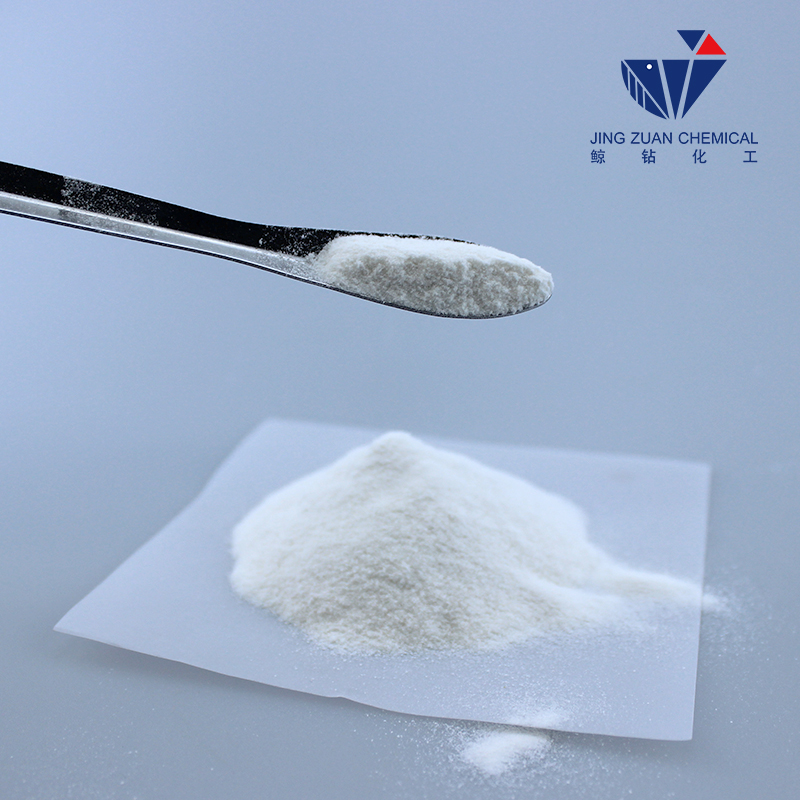
HPMC stands for Hydroxypropyl Methyl cellulose. The product listing gives its molecular formula as C36H70O19. Depending on the type and use, it can act as a thickener, water retention agent, excipient, emulsifier, film-forming agent or dispersant.
Step 1: Define your requirements
Answer these questions before you compare offers:
- Dissolving conditions: Will the powder be dispersed in room-temperature water, or can your process use hot water above 60 ℃?
- End use: Is it for detergents, personal care, paint or capsules? Or is it for construction mortars, putty, ceramics or textiles?
- Target viscosity: What viscosity does your formulation need? The listed range runs from 400 to 200,000 mPa·s.
- Functional goal: Do you mainly need thickening, water retention, longer open time, sag resistance, crack resistance or better workability?
Step 2: Choose the dissolving type
By dissolving behavior, the product falls into two main types.
Instant-dissolving type
- Dissolves in water at room temperature and has high permeability.
- Builds viscosity within 30–60 minutes.
- The product description says it should leave no stains after several weeks of storage.
- Typical applications: shampoo, liquid soap, dishwashing detergent, toothpaste, laundry detergents, paint and capsules.
- Functions: thickener, excipient, emulsifier, film-forming agent and dispersant.
These applications need a high-standard material. If your process can't heat water, this is the type to evaluate.
Hot-dissolving type
- Dissolves quickly only in hot water above 60 ℃.
- Mainly used in construction, ceramics and textiles.
- Functions: thickener and water retention agent. It also extends open time, helps mortar and wall putty resist sagging and cracking, and improves workability.
Construction uses named in the product description:
- Outdoor block bonding mortar
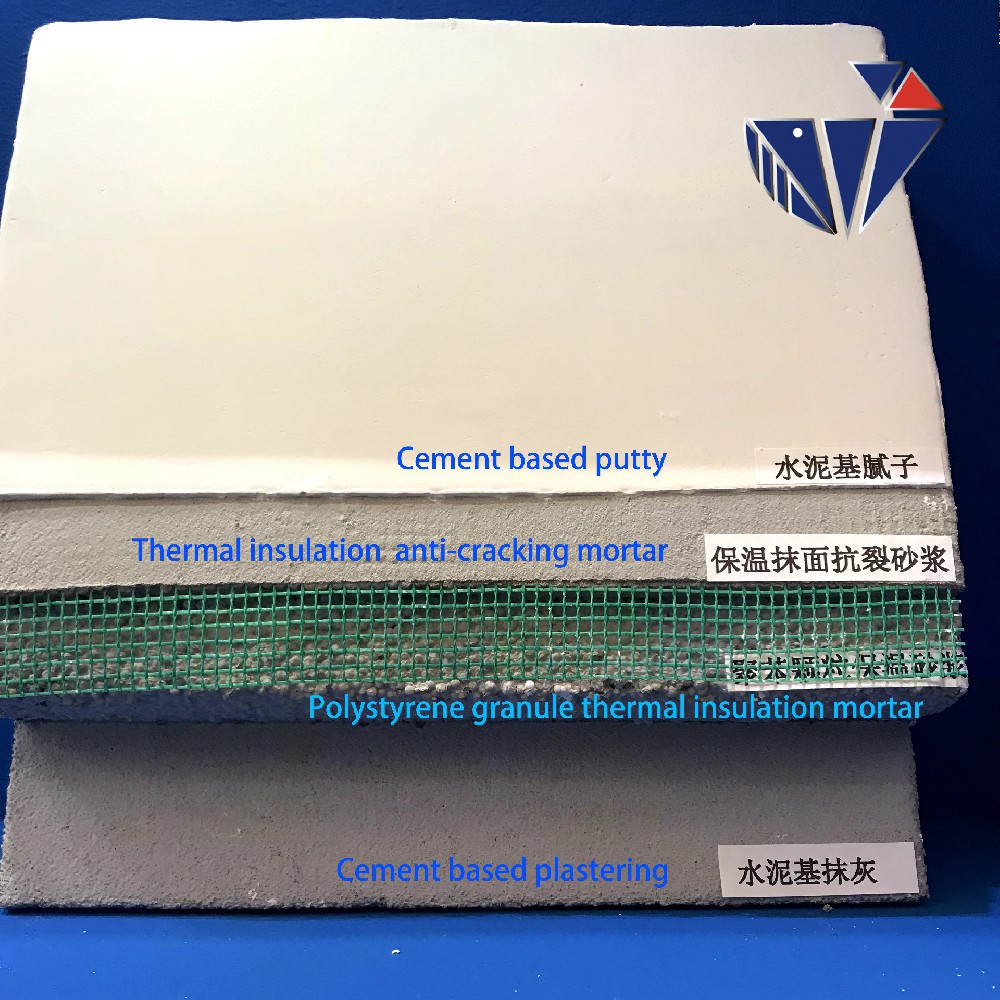
- EIFS mortar
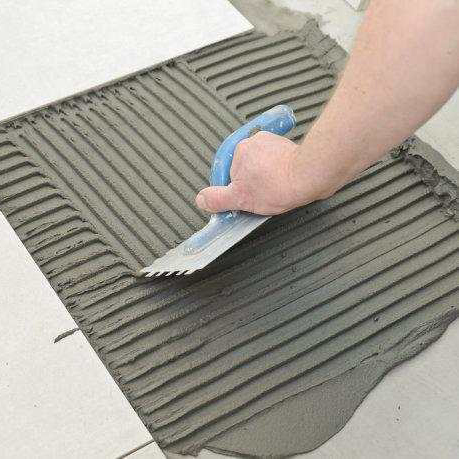
- Tile adhesive mortar
- Spray-applied slurry
- Tile grout
- Self-leveling slurry
- Plaster putty (crack resistance)
- Wall putty (anti-powdering)
When this type does not apply: Use the instant-dissolving type there.
Step 3: Check the listed specifications
| Parameter | Listed value |
|---|---|
| Chemical name | Hydroxypropyl Methyl cellulose |
| Molecular formula | C36H70O19 |
| Viscosity (mPa·s) | 400–200,000 |
| Moisture (%) | ≤5 |
| Residue (ash) (%) | ≤5 |
| Gel temperature (℃) | 62–70 |
The viscosity figure is a range across the product line, not one grade's value. Confirm the exact viscosity of the grade you are quoted, and check it in your own formulation trials. The source does not match specific viscosity values to specific applications, so this guide doesn't either.
Step 4: Run simple first-pass quality checks
The product description lists three quick screening methods. They give a rough indication only. They do not replace laboratory testing or a certificate of analysis.
- Ash by burning: Ash should normally be below 5%. The less residue left after burning, the better the quality.
- Weight at equal volume: Fill the same measuring cup with the same volume of each sample and weigh them. Higher purity means higher density, so the heavier sample is the purer one, assuming the samples are otherwise comparable.
- Powder flow: Roll the powder in a jar or glass. Purer powder flows more smoothly.
Step 5: Test samples before a bulk order
Test samples before you place a bulk order. HEBEI JINGZUAN CHEMICAL TECHNOLOGY CO., LTD. provides free samples. The buyer covers the air shipping cost. Samples from different batches are also available, so you can check batch-to-batch consistency.
This guide makes no claims about pricing, lead times or certifications. Confirm these directly with the supplier when you request a quotation.
Quick selection summary
- Room-temperature dissolving, consumer or liquid products: choose the instant-dissolving type.
- Hot-water dissolving, dry-mix construction, ceramic or textile uses: choose the hot-dissolving type.
- For either type: confirm grade viscosity, moisture (≤5%) and ash (≤5%), then check performance with samples.
THE PEOPLE

About the author
THE COMPANY
HEBEI JINGZUAN CHEMICAL TECHNOLOGY CO., LTD.
Jingzuan chemical technology is specialized in the production of HPMC, HEC, HEMC and RDP for more than 15 years. We are located in Shijiazhuang city, north China, about 300 km to Beijing, also about 300 km to Tianjin sea port. We were established by 2008, with annual capacity of 30,000 tons. Through development of a decade, supported and welcomed by our customers all over the world. We then invested 23 million dollars on the new production line with Germany technology in 2021.…
About Us ↗Visit company website ↗YOUR NEXT STEP
Bring your brief. Start a useful conversation.
Use case, specification, quantity and delivery window: make the next conversation specific.
-
Cellulose Ether HPMC: Grade Selection, Dissolution, and Quality Checks
NewsNov.02,2026
-
Hydroxyethyl Cellulose HEC vs High Purity HEC: Grades, Forms and Application Compatibility
NewsNov.01,2026
-
Choosing HPMC: Grade, Form and Application Requirements
NewsOct.22,2026
-
Exploring the Versatile Hydroxypropyl Methylcellulose Uses in Industry
NewsJul.01,2026
-
Industrial Applications and Properties of Hydroxy Methyl Cellulose
NewsJun.29,2026
-
Optimize EIFS Performance with Hydroxypropyl Methyl Cellulose
NewsJun.27,2026