
Nov . 02, 2026 01:44 Back to list
Cellulose Ether HPMC: Grade Selection, Dissolution, and Quality Checks

Cellulose ether HPMC is a non-ionic, water-soluble additive whose dissolution type and viscosity range govern its use in detergents, cosmetics, construction materials, ceramics, textiles, and capsule formulations. This guide explains its material structure, instant and hot-dissolving grades, formulation functions, powder handling, and practical checks for ash, density, fluidity, dissolution, and batch stability.
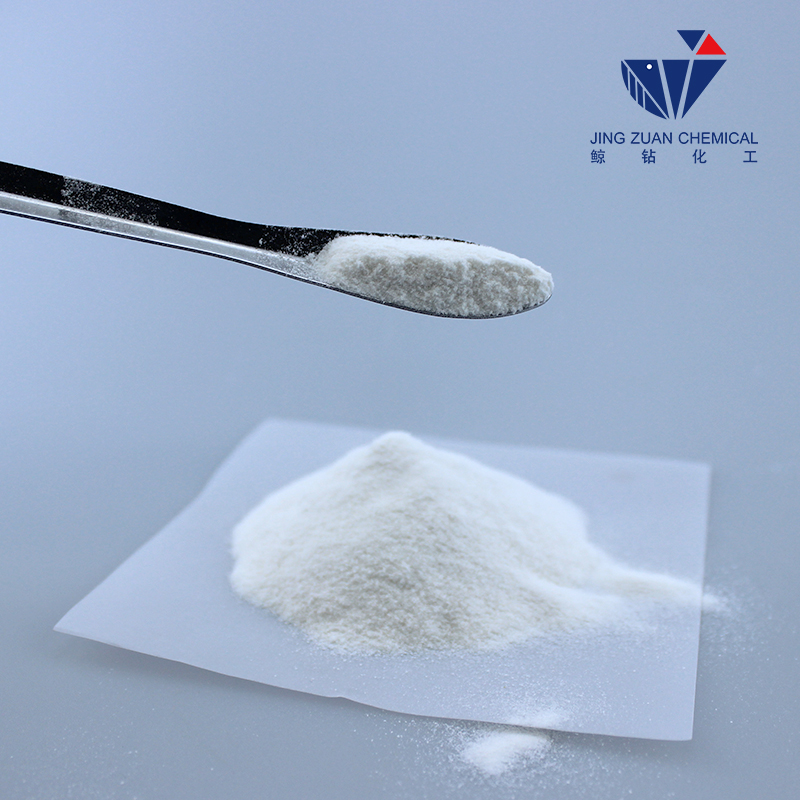
HPMC is a non-ionic cellulose ether derived from natural polymer materials, with chemical formula C36H70O19 and a water-soluble white to off-white powder form.
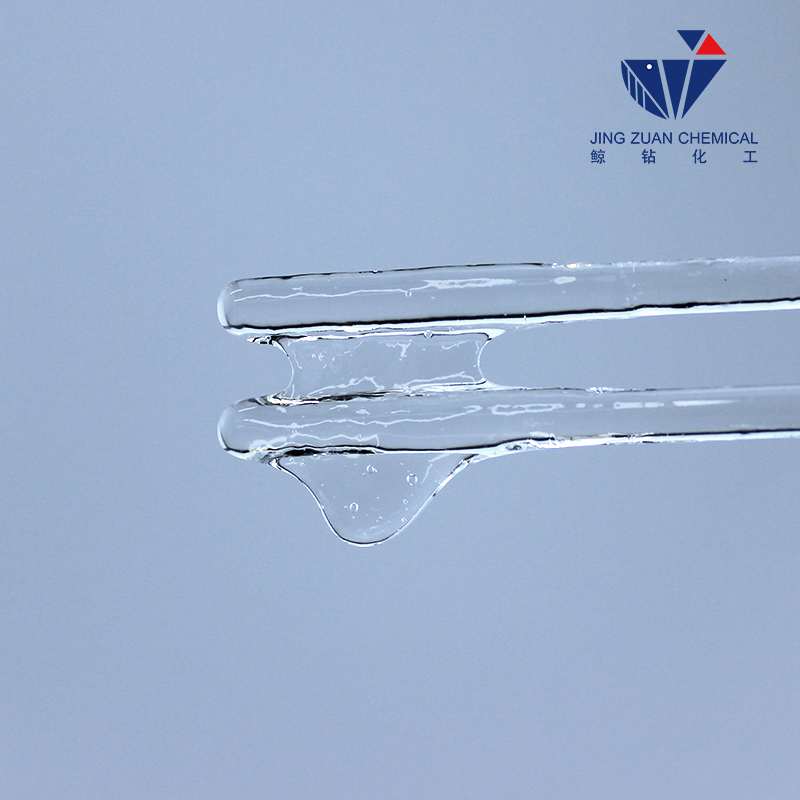
Instant-dissolving HPMC dissolves in room-temperature water, while hot-dissolving HPMC dissolves quickly in water above 60°C.
The viscosity range is 400 to 200,000 mPa·s, with moisture and ash each at or below 5% and gel temperature at 62 to 70°C.
Incoming checks include ash residue after burning, same-volume weighing, powder fluidity observation, dissolution and viscosity development, and comparison of samples from different batches.
How cellulose ether HPMC works in a formulation
Hydroxypropyl methylcellulose, or HPMC, is a non-ionic cellulose ether derived from natural polymer materials. In a formulation, it can act as a thickener, water-retention agent, emulsifier, film-forming agent, and dispersant. The useful effect depends on the grade, the water temperature, and the selected viscosity.
HPMC is supplied as a white to off-white, water-soluble powder. Its chemical formula is C36H70O19. The viscosity range is 400 to 200,000 mPa·s. Moisture and ash are each controlled at 5% or below, and the gel temperature is 62 to 70°C. These properties help a buyer match the material to a formulation and its processing conditions.
Material structure and grade selection
The main grade distinction is dissolution behavior:
- Instant-dissolving HPMC dissolves in room-temperature water, has high permeability, and gains viscosity within 30 to 60 minutes. It is used in detergents, shampoos, liquid soaps, dishwashing detergents, toothpaste, cloth-washing detergents, paints, cosmetics, and capsule formulations. It can function as a thickener, excipient, emulsifier, film-forming agent, and dispersant.
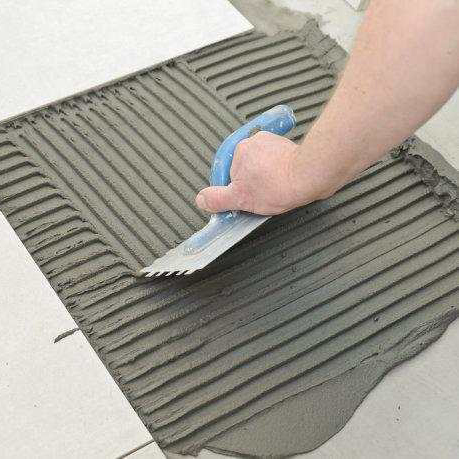
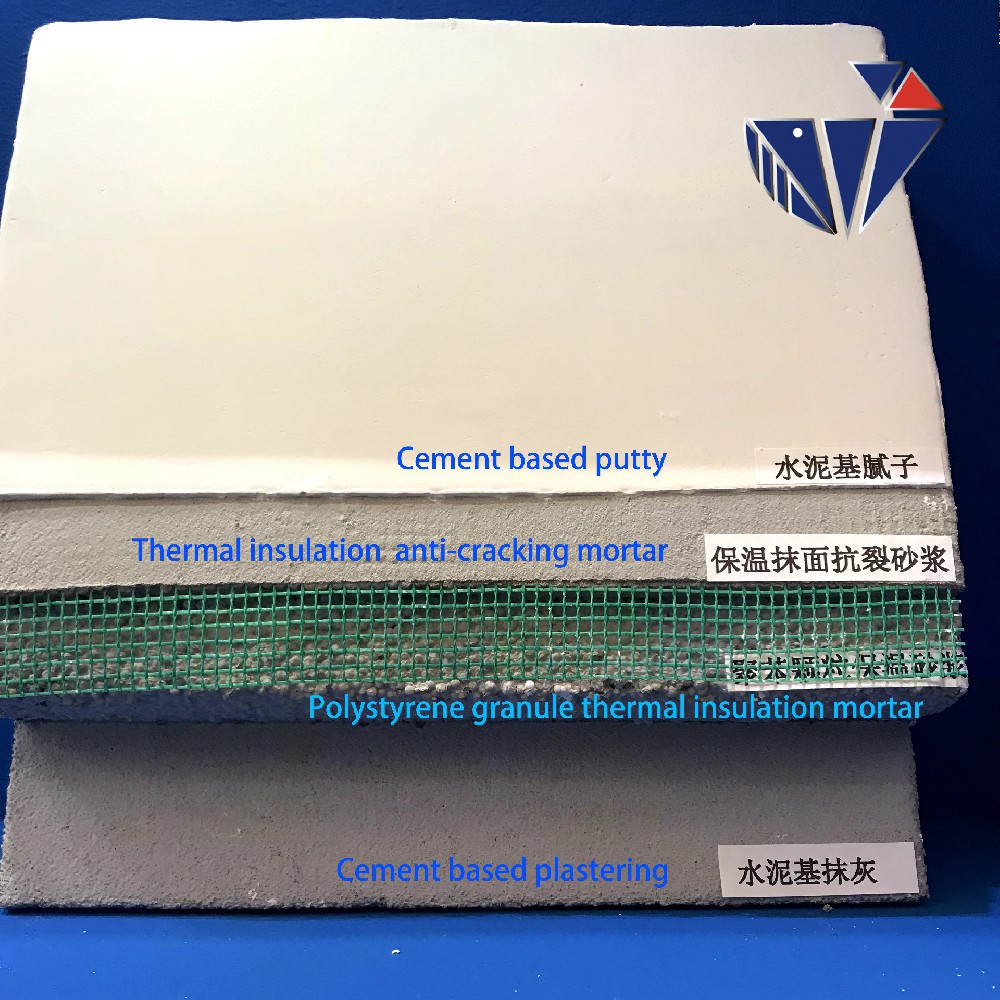
- Hot-dissolving HPMC dissolves quickly in water above 60°C. It is used in construction, ceramic, and textile applications, including outdoor block bonding mortar, EIFS mortar, tile adhesive mortar, spray-applied slurry, tile grout, self-leveling slurry, and plaster or wall putty.
A detergent or cosmetic line using room-temperature water should evaluate the instant type. A mortar or ceramic process using hot water should evaluate the hot type. Choose viscosity in relation to the required flow, water retention, and workability, since the available range extends from 400 to 200,000 mPa·s.
The Premium HPMC Cellulose Ether product is available in instant- and hot-dissolving forms for these application groups.
Processing behavior in use
For an instant grade, the process should account for room-temperature dissolution, permeability, and the time needed to develop viscosity. A shampoo or liquid soap line can introduce the powder into its room-temperature water process and check viscosity development during the 30 to 60 minute period. Storage observation can also be included because the product is intended to remain free of stains after several weeks of storage.
Hot-dissolving HPMC fits construction and ceramic mixes where water retention and workability affect application. In tile adhesive, wall putty, or EIFS mortar, it provides water retention, prolongs open time, and helps the mortar or putty resist drooping and cracking. In self-leveling slurry, it supports smooth flow and reduced segregation. Match the grade and viscosity to the mix design and application method.
Powder flow affects dosing and dispersion. A higher-purity powder has smooth fluidity and supports consistent mixing. Before ordering, compare powder behavior during the same weighing and addition routine used on the production line.
Quality checks for incoming material
The following checks can be used for cellulose ether HPMC:
- Ash ratio check by burning. Burn a sample and inspect the remaining ash as a rough indication of ash content. Less residue indicates a lower ash ratio. The target ash content is 5% or below.
- Same-volume weighing. Add the same volume of powder to the same measuring cup and compare the weight. With the same correct content, greater density indicates higher purity.
- Fluidity check. Place the powder in a jar or glass and roll it to observe how smoothly it flows. Smoother movement indicates better powder fluidity.
- Dissolution and viscosity check. Confirm that the selected type dissolves at its intended water temperature, then observe viscosity development for the instant type during the 30 to 60 minute period.
- Batch stability check. Compare samples from different batches before a bulk order. Storage observation can also check whether stains appear over several weeks.
These checks support incoming inspection and should be followed by a formulation trial. Test the selected HPMC in the intended detergent, cosmetic, mortar, ceramic, textile, or capsule system, and record the grade, viscosity, dissolution condition, and batch used.
What to specify before purchasing
A technical inquiry should identify the application, dissolving type, target viscosity range, water temperature, and required function. Construction buyers should state whether the material is for tile adhesive, EIFS mortar, wall putty, grout, self-leveling slurry, or another mix. Detergent and personal-care buyers should identify the room-temperature process and whether thickening, emulsification, film formation, or dispersion is required.
Send the supplier the formulation type, mixing sequence, water temperature, target viscosity, expected quantity, and sample or batch comparison plan. These details allow the selected cellulose ether HPMC grade to be evaluated under the same conditions as production.
The people

About the author
The company
HEBEI JINGZUAN CHEMICAL TECHNOLOGY CO., LTD.
Jingzuan chemical technology is specialized in the production of HPMC, HEC, HEMC and RDP for more than 15 years. We are located in Shijiazhuang city, north China, about 300 km to Beijing, also about 300 km to Tianjin sea port. We were established by 2008, with annual capacity of 30,000 tons. Through development of a decade, supported and welcomed by our customers all over the world. We then invested 23 million dollars on the new production line with Germany technology in 2021.…
About Us ↗Visit company website ↗Your next step
Need to discuss the technical details?
Share your operating conditions, standards and drawings with the engineering team.
-
Cellulose Ether HPMC: Grade Selection, Dissolution, and Quality Checks
NewsNov.02,2026
-
Hydroxyethyl Cellulose HEC vs High Purity HEC: Grades, Forms and Application Compatibility
NewsNov.01,2026
-
Choosing HPMC: Grade, Form and Application Requirements
NewsOct.22,2026
-
Exploring the Versatile Hydroxypropyl Methylcellulose Uses in Industry
NewsJul.01,2026
-
Industrial Applications and Properties of Hydroxy Methyl Cellulose
NewsJun.29,2026
-
Optimize EIFS Performance with Hydroxypropyl Methyl Cellulose
NewsJun.27,2026