
Nov . 01, 2026 21:52 Back to list
Hydroxyethyl Cellulose HEC vs High Purity HEC: Grades, Forms and Application Compatibility
SIDE BY SIDE
Hydroxyethyl Cellulose HEC vs High Purity HEC: Grades, Forms and Application Compatibility
This comparison reviews Hydroxyethyl Cellulose HEC and High Purity Hydroxyethyl Cellulose HEC using criteria: grade positioning, physical form, viscosity range, dissolution profile, solution appearance, functions and applications. The two products show substantial overlap.

HEC
High Purity Hydroxyethyl Cellulose HEC
Hydroxyethyl cellulose HEC is used in aqueous industrial formulations where a cellulose ether can act as a thickener, stabilizer, dispersant or emulsifier. Both a general HEC product and a high-purity HEC product are described. They overlap on several specifications, so the useful buying question is whether the grade and application information match your formulation.
Comparison scope
This is a comparison of HEC and High Purity Hydroxyethyl Cellulose HEC. It compares the same criteria for each subject.
Side-by-side specifications
| Criterion | HEC | High Purity Hydroxyethyl Cellulose HEC |
|---|---|---|
| Stated chemical identity | Hydroxyethyl cellulose, molecular formula listed as (C2H6O2)x | Hydroxyethyl Cellulose, formula listed as (C2H6O2)x |
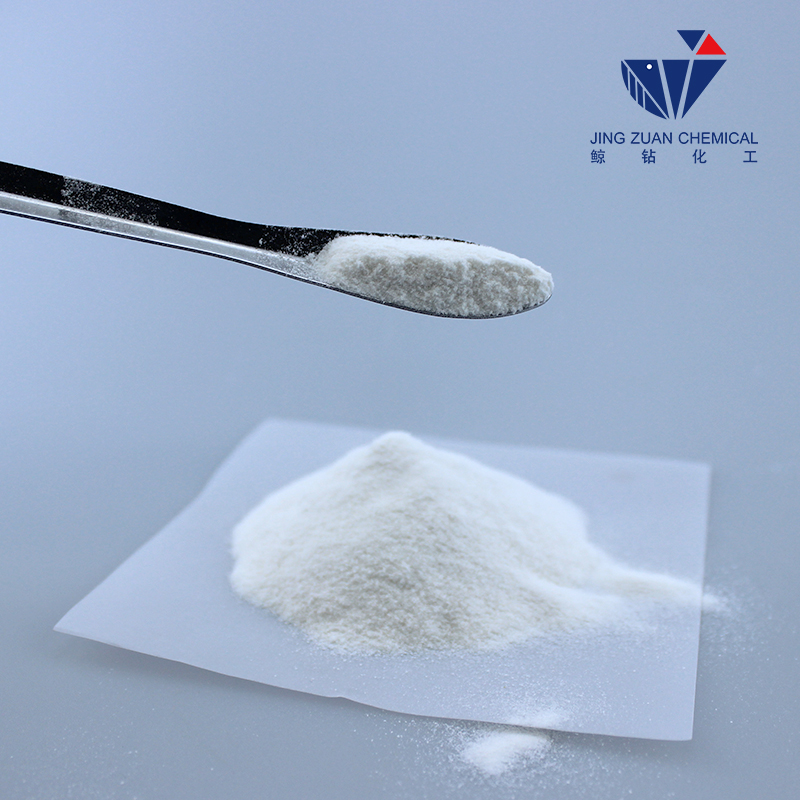
| Physical form and colour | White material; the description identifies it as powder | White powder |
| Viscosity range | 400 to 100,000 mPa.s in the product description; one parameter entry also lists 50,000 to 100,000 mPa.s | 400 to 100,000 mPa.s |
| Moisture | Up to 5% is listed in the parameter entry | |
| Ash | Up to 5% is listed in the parameter entry | |
| Solubility | Soluble in hot and cold water | Soluble in hot and cold water; room-temperature dissolution is also stated |
| Dissolution or hydration timing | Viscosity is described as reaching its peak in about one hour; another statement gives 30 to 60 minutes | Peak viscosity is stated as approximately 60 minutes, with a 30 to 60 minute range also published |
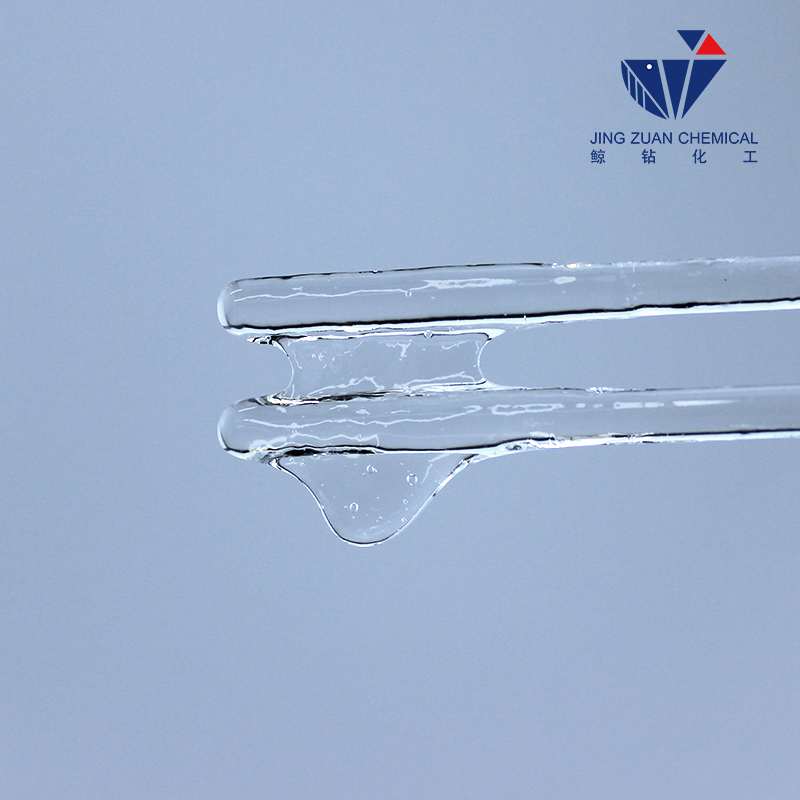
| Solution appearance | Clear after thorough dissolution | Clear after full dissolution |
| Listed functions | Dispersant, thickener, emulsifier and stabilizer | Thickener, stabilizer and emulsifier; dispersant use is also described |
| Listed applications | Paint, coating, drilling and fracking, and textile pulp formation | Paint, coatings, textile pulp formation and oil drilling or fracking |
| Gel temperature | 62 to 70°C in the parameter entry |
The figures should not be treated as interchangeable test results. The HEC material contains both a broad viscosity range in its description and a narrower range in one parameter entry. Confirm the required viscosity method, test conditions and product grade with the supplier before specifying the material.
How the grade descriptions differ
The HEC material presents the product as a general hydroxyethyl cellulose grade with several possible viscosity levels and multiple industrial uses. It also publishes moisture, ash and gel-temperature entries. The high-purity material is positioned by its product name and description as a high-purity HEC grade. Its excerpt emphasizes density, powder fluidity, clear solution formation and batch sampling, but it does not publish corresponding moisture, ash or gel-temperature values in the cited specification section.
“High purity” should therefore be treated as a grade description, not as a reason to assume a particular purity percentage, regulatory status or superior result in every formulation.
Form and handling information
Both subjects are described as white powders that dissolve in hot and cold water. The HEC material says the solution can become clear after thorough dissolution and that viscosity may reach its peak in about one hour. The high-purity material gives a similar timing range, approximately 30 to 60 minutes, and states that the product can dissolve at room temperature.
The excerpts do not define a common mixing procedure, concentration, water quality, agitation rate or temperature profile. Buyers should request those conditions with a sample or technical data sheet, especially when comparing hydration time between grades.
Application compatibility
The applications overlap in paints, coatings, drilling or fracking fluids, and textile pulp formation. The functions also overlap: thickening and stabilization are common to both products, while dispersing and emulsifying are functions of the broader HEC product.
That overlap confirms potential use areas, not automatic compatibility with a particular formula. Selection still depends on the required viscosity range, solution clarity, hydration conditions and the formulation’s other ingredients.
For a closer review of the general product information, see Hydroxyethyl Cellulose HEC.
Which information to request before purchase
Ask the supplier to identify the exact grade and batch, then request:
- the viscosity test method, concentration and temperature;
- the applicable moisture, ash and gel-temperature specifications;
- the recommended hydration and mixing conditions;
- a sample for the intended formulation;
- batch-to-batch test data if consistency is a procurement requirement.
The product descriptions and specifications do not establish that either subject is universally more suitable. The next practical step is to match the required viscosity and process conditions to a named grade, then test that grade in the buyer’s own formulation.
THE PEOPLE

About the author
THE COMPANY
HEBEI JINGZUAN CHEMICAL TECHNOLOGY CO., LTD.
Jingzuan chemical technology is specialized in the production of HPMC, HEC, HEMC and RDP for more than 15 years. We are located in Shijiazhuang city, north China, about 300 km to Beijing, also about 300 km to Tianjin sea port. We were established by 2008, with annual capacity of 30,000 tons. Through development of a decade, supported and welcomed by our customers all over the world. We then invested 23 million dollars on the new production line with Germany technology in 2021.…
About Us ↗Visit company website ↗YOUR NEXT STEP
Bring your brief. Start a useful conversation.
Use case, specification, quantity and delivery window: make the next conversation specific.
-
Cellulose Ether HPMC: Grade Selection, Dissolution, and Quality Checks
NewsNov.02,2026
-
Hydroxyethyl Cellulose HEC vs High Purity HEC: Grades, Forms and Application Compatibility
NewsNov.01,2026
-
Choosing HPMC: Grade, Form and Application Requirements
NewsOct.22,2026
-
Exploring the Versatile Hydroxypropyl Methylcellulose Uses in Industry
NewsJul.01,2026
-
Industrial Applications and Properties of Hydroxy Methyl Cellulose
NewsJun.29,2026
-
Optimize EIFS Performance with Hydroxypropyl Methyl Cellulose
NewsJun.27,2026