
Mar . 24, 2026 02:15 Back to list
Exploring the Diverse Applications and Benefits of Hydroxypropyl Methylcellulose
The Versatile Use of Hydroxypropyl Methylcellulose (HPMC) in Various Industries
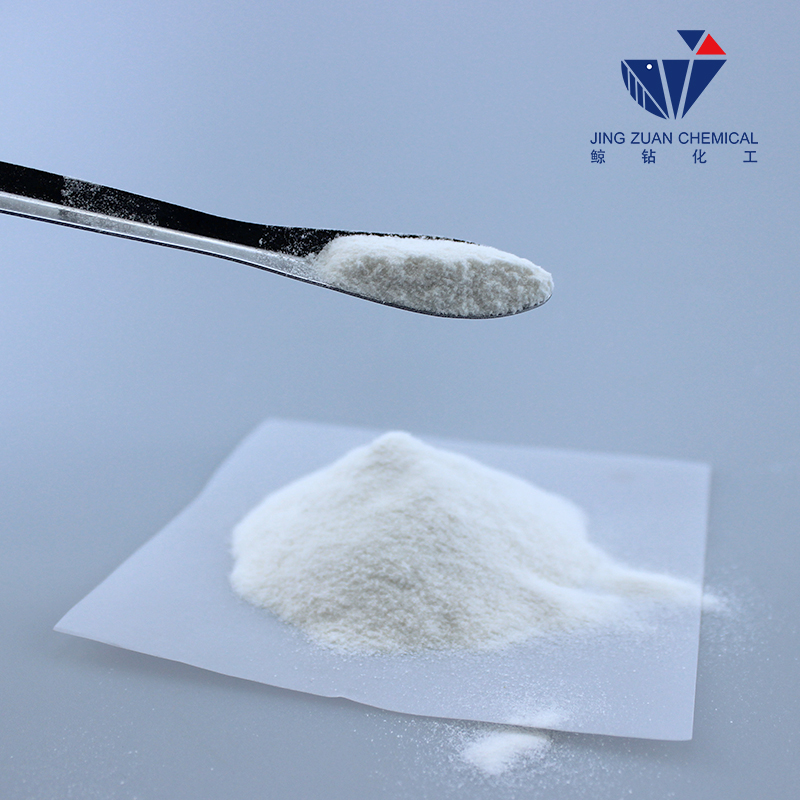
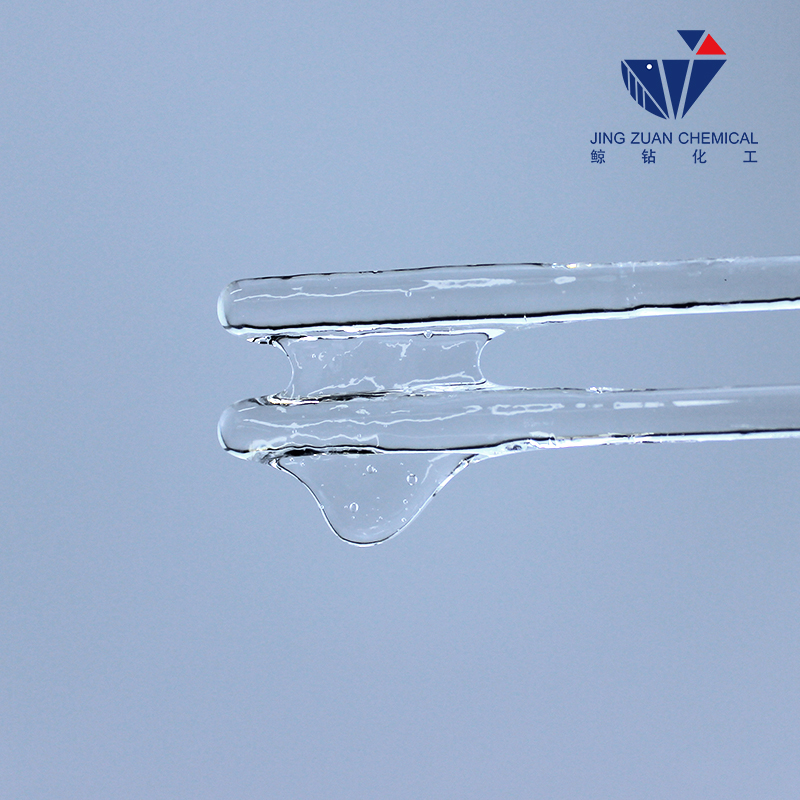
Hydroxypropyl methylcellulose (HPMC) is a versatile cellulose ether derived from cellulose. Its unique properties, including thickening, binding, film-forming, and water retention, make it invaluable across a remarkably broad spectrum of industries. From construction and pharmaceuticals to food and personal care, HPMC is a key ingredient enhancing product performance and quality. Understanding its diverse applications is critical for manufacturers and formulators seeking innovative solutions.

HPMC in the Construction Industry: A Game Changer
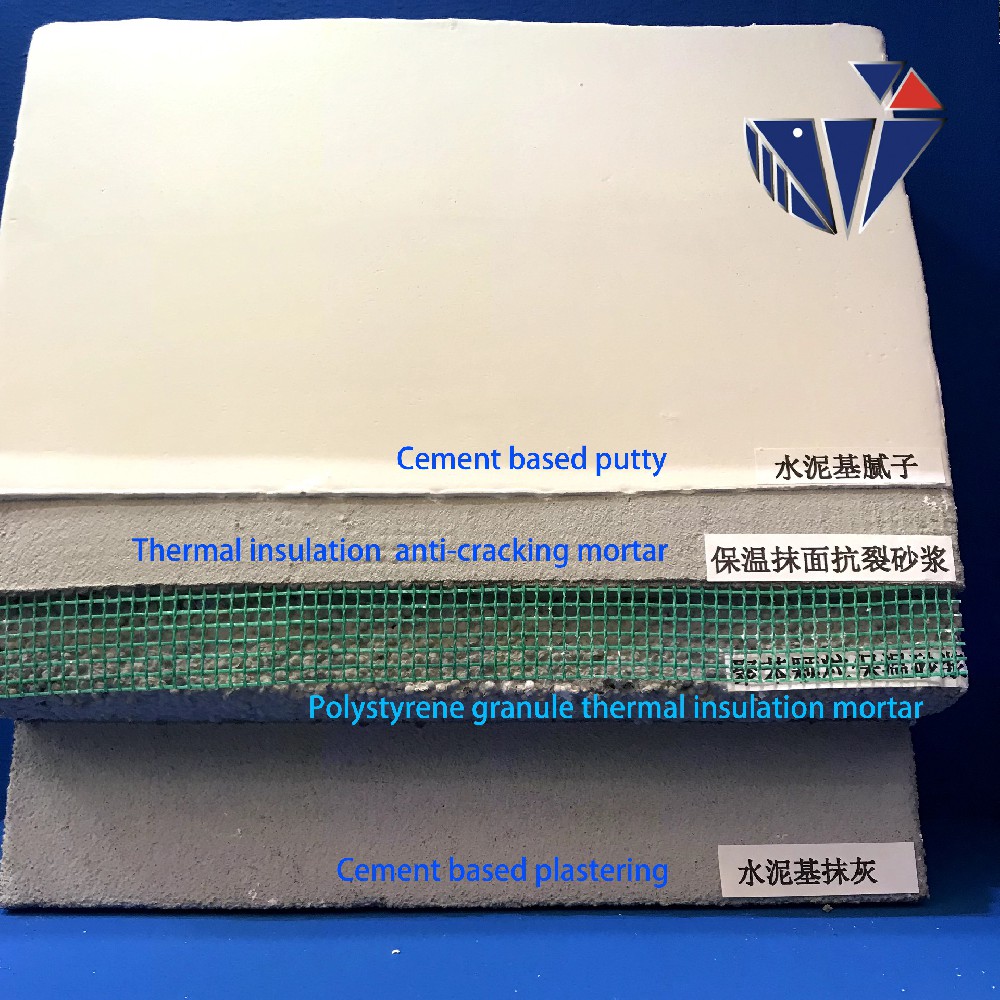
In the construction sector, HPMC is primarily used as a cement mortar additive. It significantly improves workability, adhesion, and water retention. This prevents rapid drying and cracking of mortar, ensuring stronger and more durable structures. HPMC also aids in tile adhesion, providing enhanced bonding strength and reducing slippage. Moreover, its anti-sagging properties are crucial in applications like tile adhesives and renders, allowing for easier application on vertical surfaces. This leads to increased efficiency and a higher quality finish.
Key Benefits in Construction: Improved workability, enhanced adhesion, superior water retention, reduced cracking, and increased durability.
Pharmaceutical Applications of Hydroxypropyl Methylcellulose
The pharmaceutical industry leverages HPMC for its excellent film-forming and controlled-release properties. It's widely used as a binder in tablet formulations, ensuring tablet integrity and consistent dosage. HPMC also serves as a coating material for tablets and capsules, providing protection against moisture and enhancing swallowability. Crucially, it’s utilized in developing sustained-release formulations, allowing for a prolonged and controlled drug release, improving patient compliance and therapeutic efficacy. The biocompatibility and non-toxicity of HPMC make it a preferred excipient in many pharmaceutical products.
HPMC Pharmaceutical Benefits:
• Binder for tablet formulations
• Coating material for tablets and capsules
• Controlled-release agent for sustained drug delivery
• Biocompatible and non-toxic
Comparing HPMC Grades for Different Applications
Different molecular weights and viscosity grades of HPMC are available, each suited to specific applications. Lower viscosity grades are ideal for coatings and ophthalmic solutions, while higher viscosity grades are preferred for thickening and suspension applications. Choosing the appropriate grade is crucial for achieving the desired product characteristics and performance. CNJZ Chemical offers a wide range of HPMC grades tailored to meet diverse industry needs.
The Role of HPMC in Food and Personal Care Products
HPMC’s applications extend to the food and personal care industries. In food, it acts as a thickener, stabilizer, and emulsifier in sauces, dressings, and baked goods. Its ability to retain water improves texture and shelf life. In personal care, HPMC is a common ingredient in lotions, creams, shampoos, and conditioners. It provides thickening, film-forming, and emulsion-stabilizing properties, contributing to a smooth and luxurious texture. The non-ionic nature of HPMC ensures compatibility with a wide range of cosmetic ingredients.
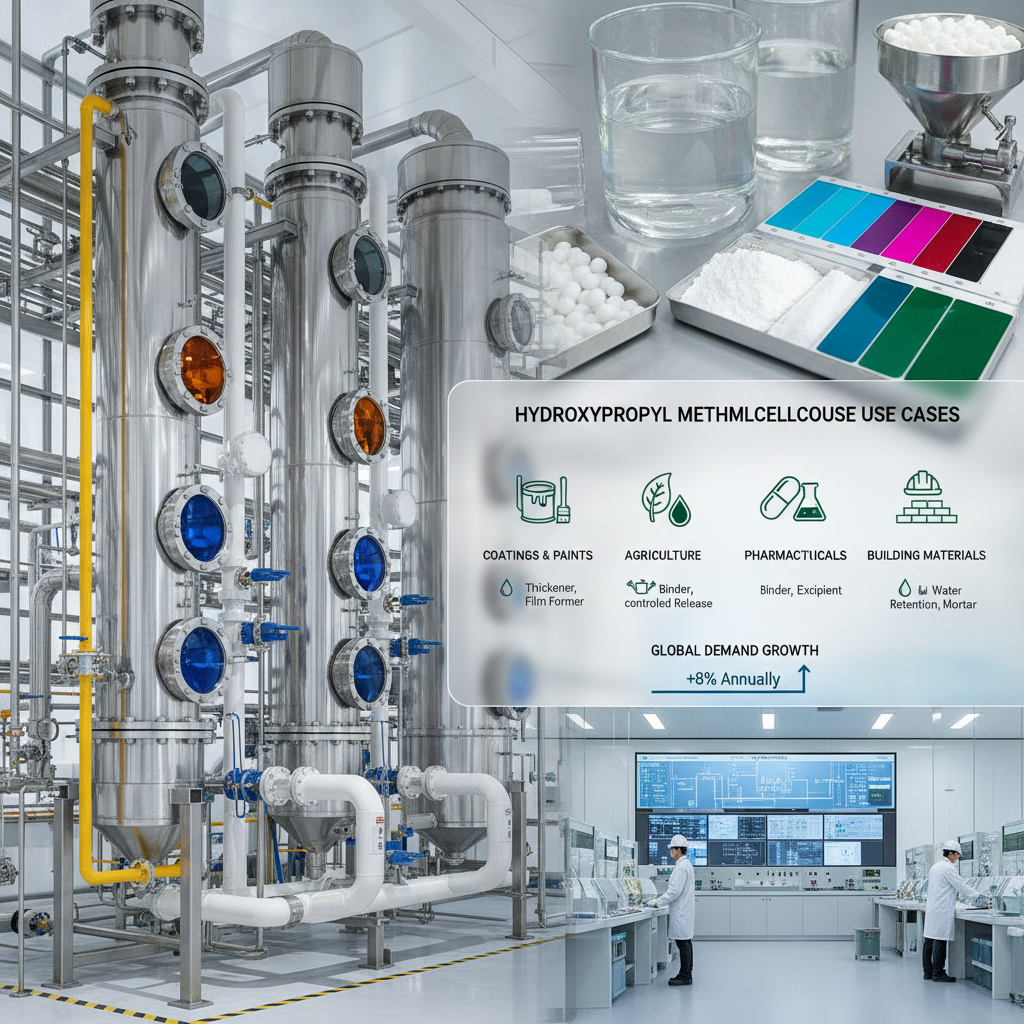
HPMC Product Specifications & Quality Control
At CNJZ Chemical, we adhere to stringent quality control measures to ensure our HPMC products meet the highest industry standards. We offer comprehensive technical data sheets outlining key specifications, including viscosity, moisture content, and particle size. Our HPMC undergoes rigorous testing throughout the production process to guarantee consistency and purity.
Conclusion: A Versatile Polymer for a Wide Range of Industries
Hydroxypropyl methylcellulose is a truly remarkable polymer with applications spanning numerous industries. Its unique properties make it an indispensable ingredient in construction, pharmaceuticals, food, personal care, and beyond. CNJZ Chemical is committed to providing high-quality HPMC products and expert technical support to meet your specific needs. Explore the possibilities of HPMC and unlock its potential for innovation in your formulations.
Frequently Asked Questions (FAQs)
What is the shelf life of HPMC?
When stored properly in a cool, dry place, protected from direct sunlight and moisture, HPMC typically has a shelf life of at least 5 years. However, it’s always best to refer to the manufacturer’s Certificate of Analysis (CoA) for specific shelf life information related to the particular grade and batch. Over time, HPMC can absorb moisture, which may affect its viscosity and performance. Therefore, proper storage is crucial for maintaining its quality and effectiveness.
Is HPMC suitable for vegan and vegetarian formulations?
Yes, HPMC is derived from cellulose, which is a natural component of plant cell walls. It is entirely plant-based and does not involve any animal-derived ingredients or processes, making it fully suitable for vegan and vegetarian formulations. This makes HPMC a popular choice in the food, pharmaceutical, and personal care industries for formulating products that cater to these dietary preferences.
What are the safety considerations when handling HPMC?
HPMC is generally considered safe and non-toxic. However, as with any powdered substance, it’s advisable to avoid creating dust clouds and inhaling the powder. Wearing a dust mask is recommended when handling large quantities of HPMC. In case of eye contact, rinse thoroughly with water. Refer to the Safety Data Sheet (SDS) for comprehensive safety information, including handling procedures, first aid measures, and disposal guidelines.
-
Understanding the Hydroxypropyl Methyl Cellulose HS Code for Global Trade
NewsApr.09,2026
-
Comprehensive Guide to Hydroxypropyl Methyl Cellulose CAS Number and Applications
NewsApr.07,2026
-
Comprehensive Guide to Hydroxypropyl Methyl Cellulose cas no and its Diverse Applications
NewsApr.04,2026
-
Comprehensive Guide to Hydroxypropyl Methyl Cellulose Manufacturers and Applications
NewsMar.31,2026
-
Understanding Hydroxypropyl Methyl Cellulose Properties And Diverse Applications
NewsMar.28,2026
-
Exploring the Diverse Uses of Hydroxypropyl Methylcellulose Across Industries
NewsMar.26,2026