
Mar . 26, 2026 02:05 Back to list
Exploring the Diverse Uses of Hydroxypropyl Methylcellulose Across Industries
Understanding the Uses of Hydroxypropyl Methylcellulose (HPMC)
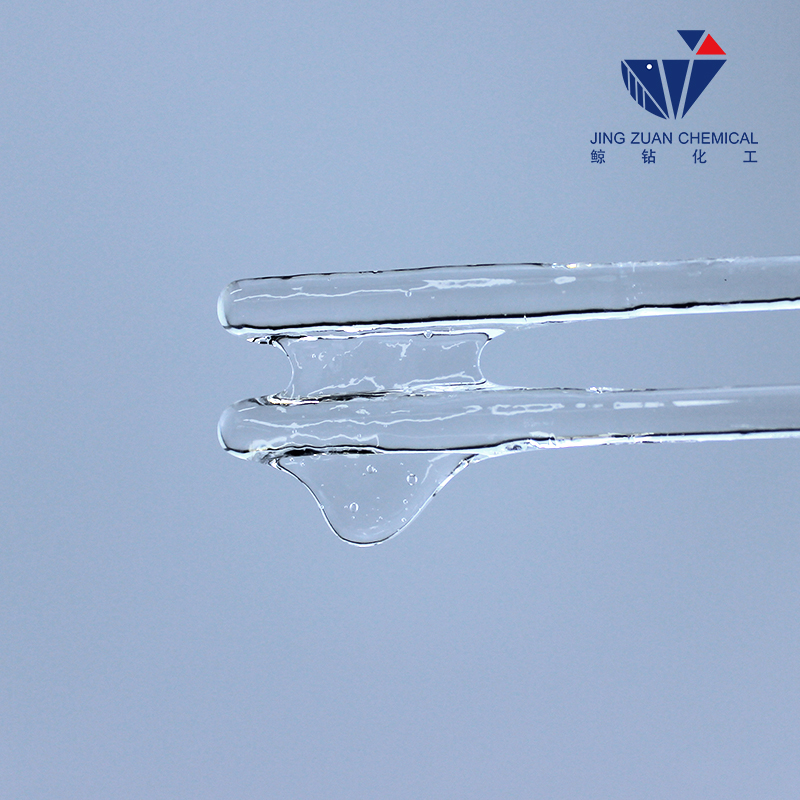
Hydroxypropyl methylcellulose (HPMC) is a versatile cellulose ether derivative widely used across numerous industries. Known for its thickening, binding, film-forming, and water-retention properties, HPMC plays a crucial role in enhancing product performance and stability. This article will explore the diverse applications of HPMC, its benefits, and why CNJZ Chemical is a trusted supplier of high-quality HPMC. Understanding these uses can help optimize your formulations and achieve superior results.
Pharmaceutical Applications of Hydroxypropyl Methylcellulose
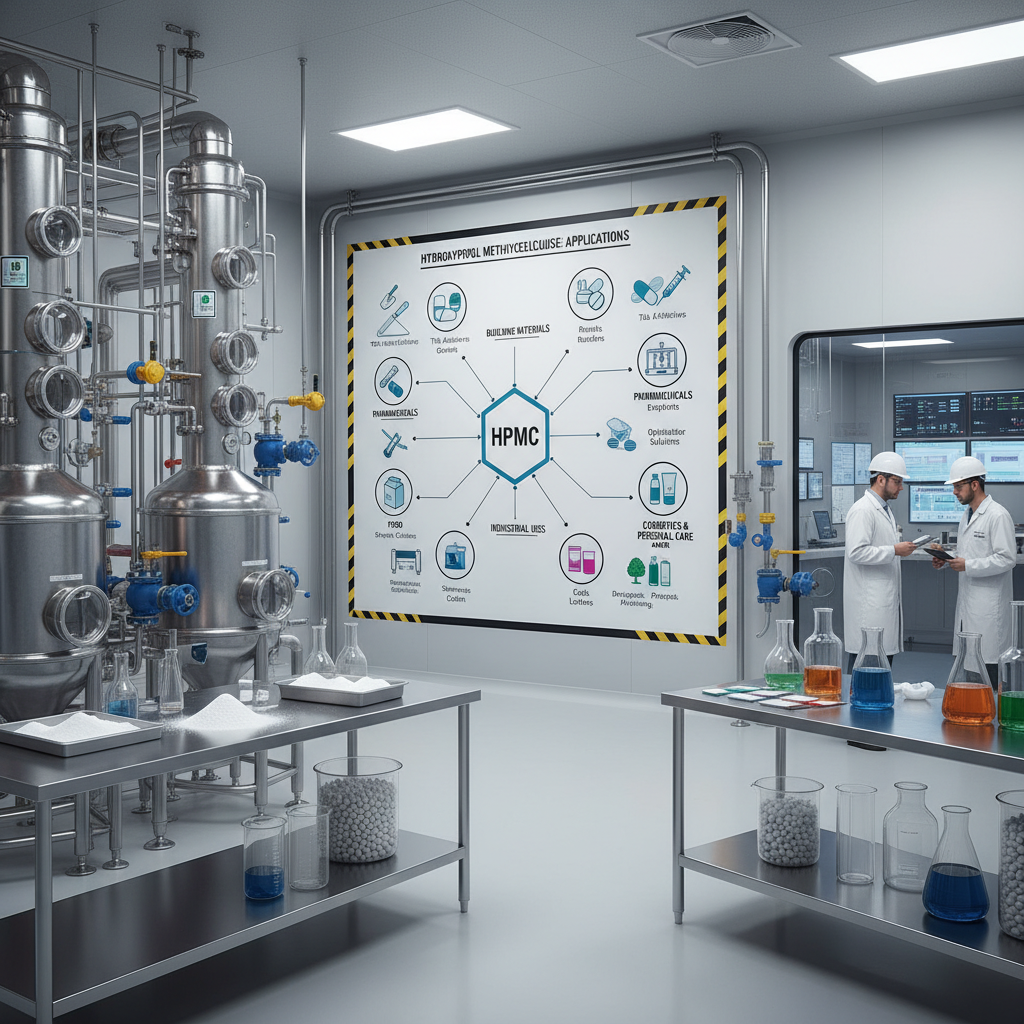
HPMC is extensively utilized in the pharmaceutical industry as a binder in tablets, a coating agent for sustained-release formulations, and a viscosity-increasing agent in liquid medications. Its non-toxic nature and compatibility with various pharmaceutical ingredients make it an ideal excipient. Specifically, HPMC helps control drug release rates, improving bioavailability and therapeutic efficacy. It's also used in ophthalmic solutions for its lubricating and film-forming properties. Choosing the right grade of HPMC, such as those offered by CNJZ Chemical, is vital for optimal performance.
Key Highlights: HPMC is a non-toxic excipient compatible with pharmaceutical ingredients, controlling drug release and improving bioavailability.
Construction Industry: HPMC in Building Materials
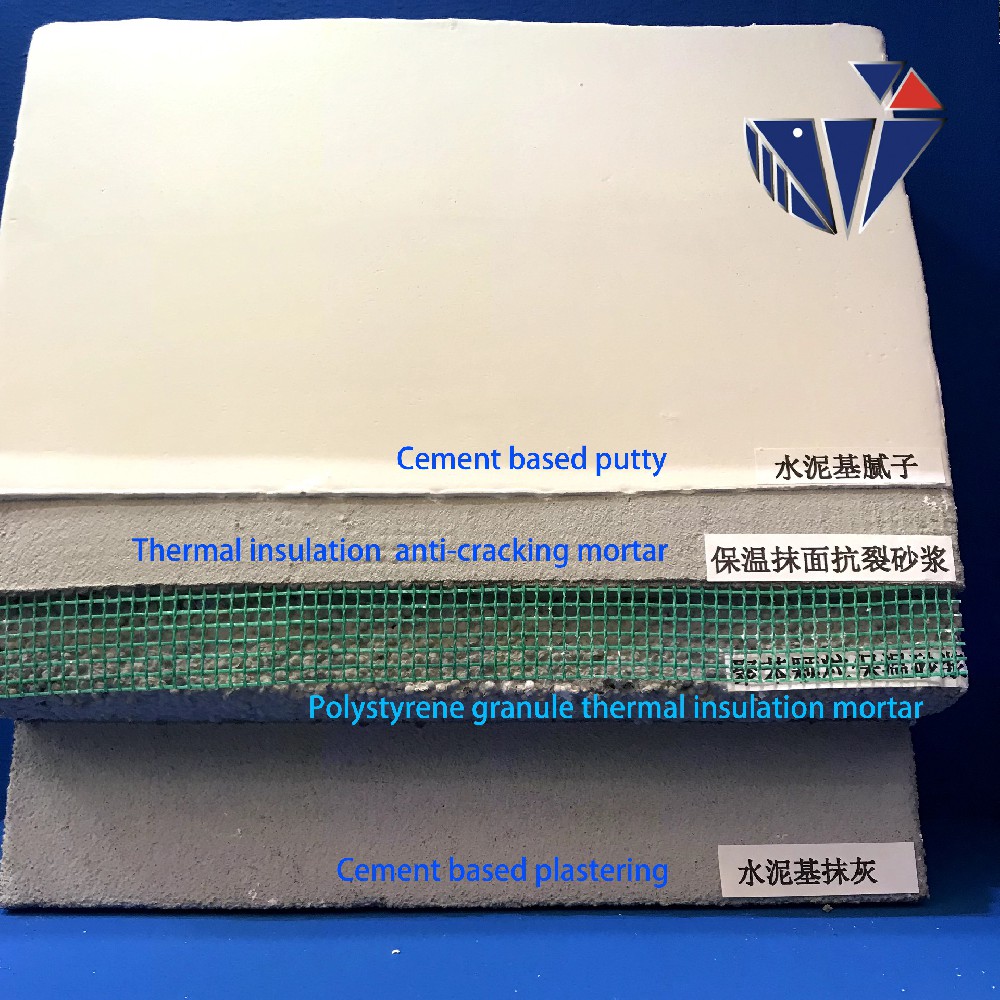
In the construction sector, HPMC is a key ingredient in cement-based mortars, tile adhesives, and self-leveling compounds. It acts as a water retention agent, preventing premature drying and ensuring proper hydration of the cement. This enhances workability, adhesion, and overall strength of the final product. Furthermore, HPMC improves the sag resistance of these materials, allowing for easier application on vertical surfaces. The addition of HPMC contributes to a higher quality, more durable construction result. CNJZ Chemical's construction-grade HPMC is tailored for these demanding applications.
Water Retention Benefits:
• Prevents premature drying of cement.
• Ensures proper cement hydration.
• Enhances workability and adhesion.
• Improves sag resistance for vertical applications.
HPMC in Food Industry Applications
HPMC is a common food additive, functioning as a thickener, stabilizer, and emulsifier. It’s used in various food products such as sauces, dressings, baked goods, and dairy alternatives. HPMC provides texture, prevents syneresis (water separation), and improves shelf life. It's also used as a fat replacer, contributing to lower-calorie formulations. Food-grade HPMC from CNJZ Chemical meets stringent quality and safety standards for food applications.
Comparing Different Grades of Hydroxypropyl Methylcellulose
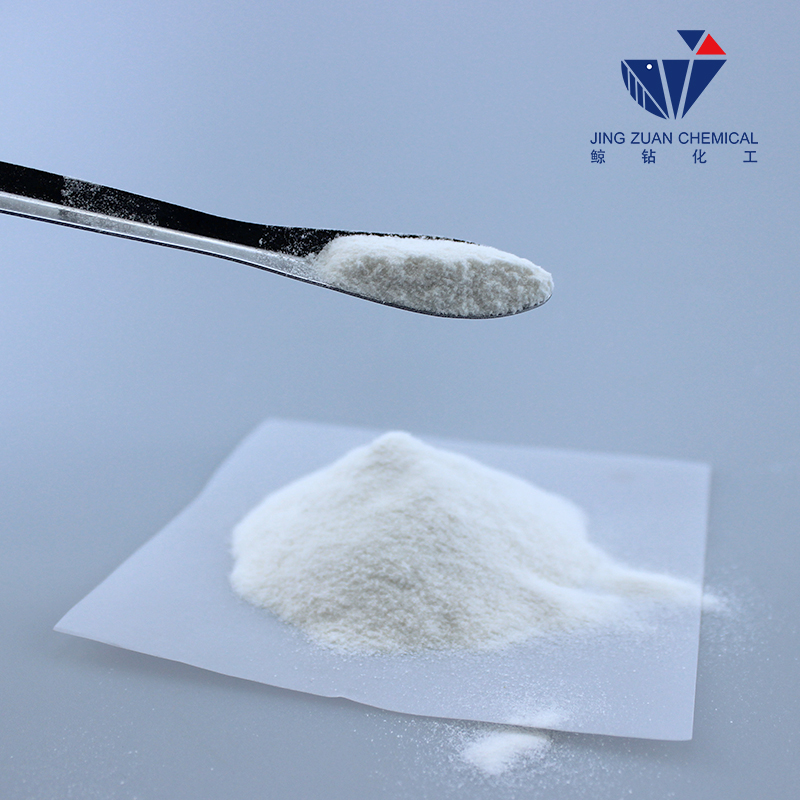
HPMC is available in various grades, each with different viscosity, substitution levels, and particle sizes, impacting its performance in different applications. Selecting the correct grade is critical for achieving desired results. Lower viscosity grades are suitable for applications requiring easy flow, while higher viscosity grades provide greater thickening power. CNJZ Chemical offers a comprehensive range of HPMC grades to meet diverse industrial needs.
Other Uses of HPMC: Personal Care & Industrial Applications
Beyond the core industries, HPMC finds applications in personal care products like shampoos, lotions, and creams, where it acts as a thickener and stabilizer. It's also used in ceramics, paints, and coatings to improve consistency, adhesion, and water retention. The versatility of HPMC continues to drive innovation across a wide spectrum of industries. CNJZ Chemical provides customized HPMC solutions to meet specific application requirements.
Conclusion: The Power of HPMC and CNJZ Chemical
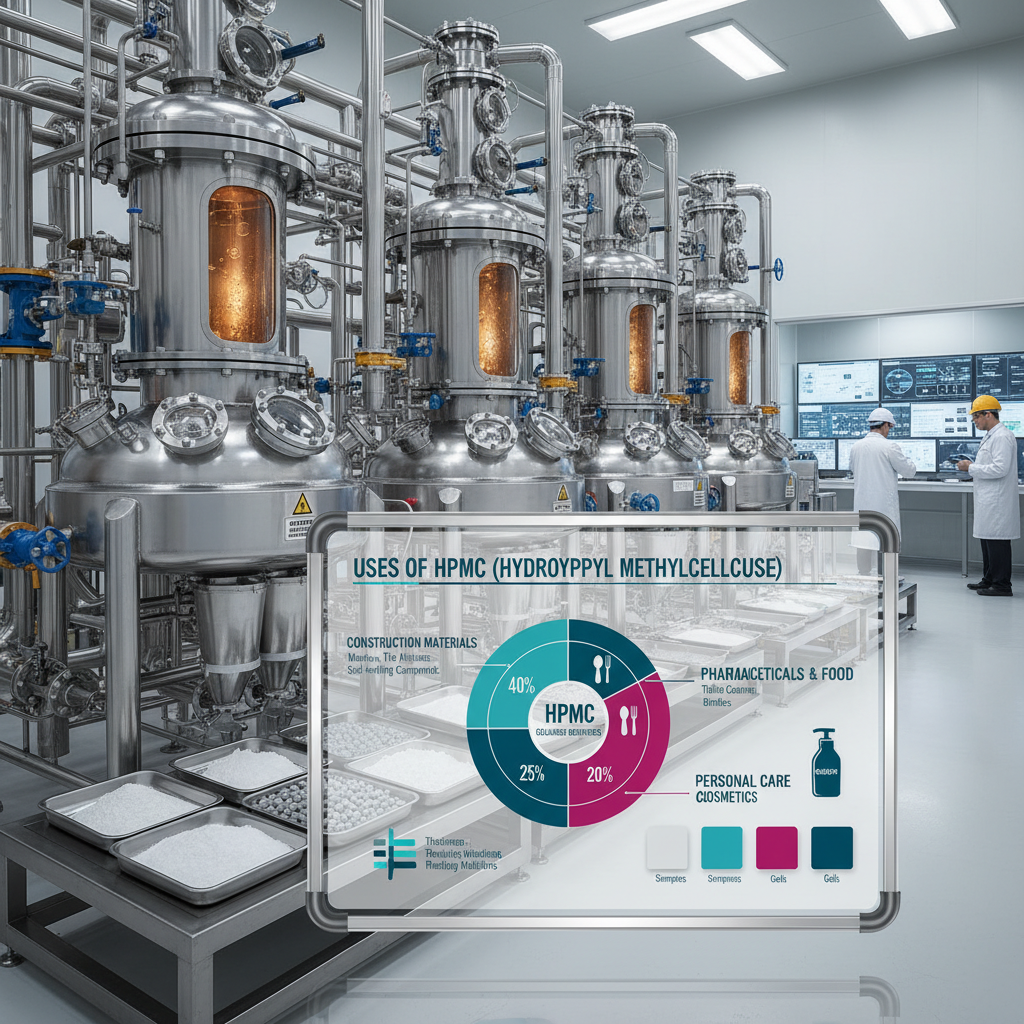
Hydroxypropyl methylcellulose is an indispensable ingredient in countless products, offering a unique combination of properties that enhance performance and stability. From pharmaceuticals and construction to food and personal care, HPMC's versatility makes it a valuable asset for manufacturers across diverse industries. CNJZ Chemical is dedicated to providing high-quality HPMC products and expert technical support, ensuring our customers achieve optimal results. We strive to be your trusted partner for all your HPMC needs.
Frequently Asked Questions (FAQs)
What is the shelf life of HPMC?
When stored properly in a cool, dry place, protected from direct sunlight and humidity, HPMC generally has a shelf life of at least 3-5 years. It's crucial to follow the manufacturer's storage recommendations to maintain its quality and performance. Avoid storing HPMC in areas with fluctuating temperatures or exposure to strong odors, as this can affect its properties. CNJZ Chemical provides detailed storage guidelines with all our HPMC products.
Is HPMC biodegradable?
HPMC is considered partially biodegradable. While it doesn't readily break down like some natural polymers, it is susceptible to microbial degradation over time, especially in soil and water environments. The rate of biodegradation depends on factors such as temperature, pH, and the presence of microorganisms. Efforts are ongoing to develop more fully biodegradable cellulose ethers for environmentally sustainable applications.
What safety precautions should be taken when handling HPMC?
HPMC is generally considered safe to handle. However, like any fine powder, it can cause irritation to the eyes, skin, and respiratory tract. It's recommended to wear dust masks, safety glasses, and gloves when handling HPMC, especially in large quantities. Ensure adequate ventilation in the work area to minimize dust exposure. Refer to the Safety Data Sheet (SDS) provided by CNJZ Chemical for detailed safety information.
How does HPMC differ from other cellulose ethers like carboxymethyl cellulose (CMC)?
While both HPMC and CMC are cellulose derivatives used as thickeners and stabilizers, they have distinct properties. HPMC offers superior water retention, thermal gelation properties, and clarity in solutions compared to CMC. HPMC is also less sensitive to salt concentration, making it preferable in applications with high electrolyte content. CMC, on the other hand, is generally more cost-effective for certain applications. The best choice depends on the specific requirements of the formulation.
-
Understanding Hydroxypropyl Methyl Cellulose MSDS Safety and Compliance
NewsApr.16,2026
-
Understanding the Hydroxypropyl Methyl Cellulose HS Code for Global Trade
NewsApr.09,2026
-
Comprehensive Guide to Hydroxypropyl Methyl Cellulose CAS Number and Applications
NewsApr.07,2026
-
Comprehensive Guide to Hydroxypropyl Methyl Cellulose cas no and its Diverse Applications
NewsApr.04,2026
-
Comprehensive Guide to Hydroxypropyl Methyl Cellulose Manufacturers and Applications
NewsMar.31,2026
-
Understanding Hydroxypropyl Methyl Cellulose Properties And Diverse Applications
NewsMar.28,2026