
Mar . 21, 2026 02:05 Back to list
Comprehensive Guide to Propyl Methyl Cellulose Applications and Optimal Usage
Propyl Methyl Cellulose: A Comprehensive Guide
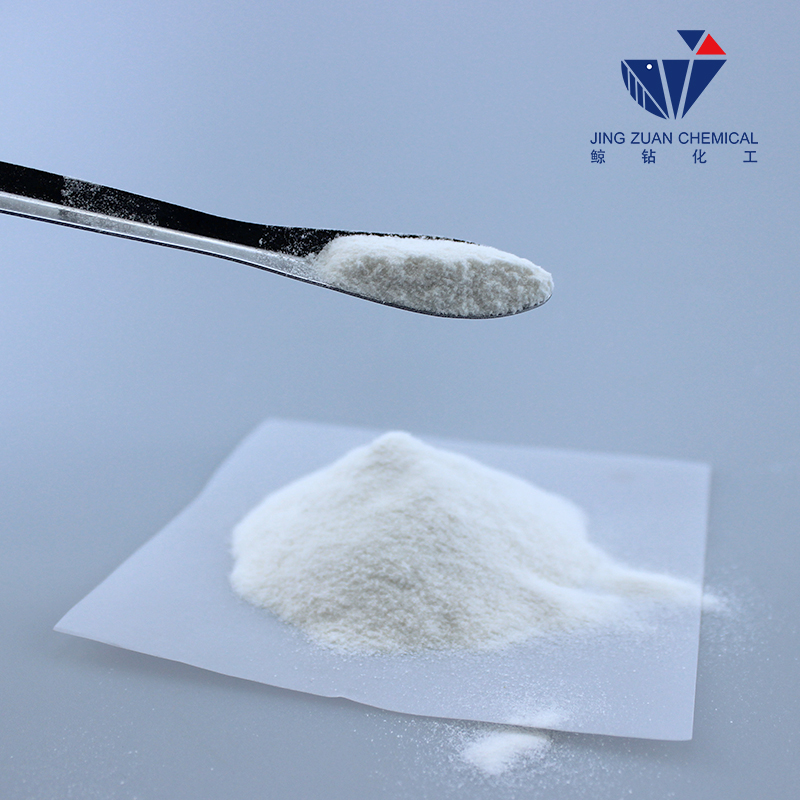
Propyl methyl cellulose (PMC) is a versatile cellulose ether widely used across diverse industries, including pharmaceuticals, construction, food, and cosmetics. It’s valued for its thickening, binding, film-forming, suspension, and water retention properties. This article dives deep into the characteristics, applications, benefits, and sourcing of high-quality propyl methyl cellulose, helping you understand how it can optimize your processes and products. Understanding the nuances of PMC ensures optimal performance and quality in your final application.
Understanding Propyl Methyl Cellulose (PMC)
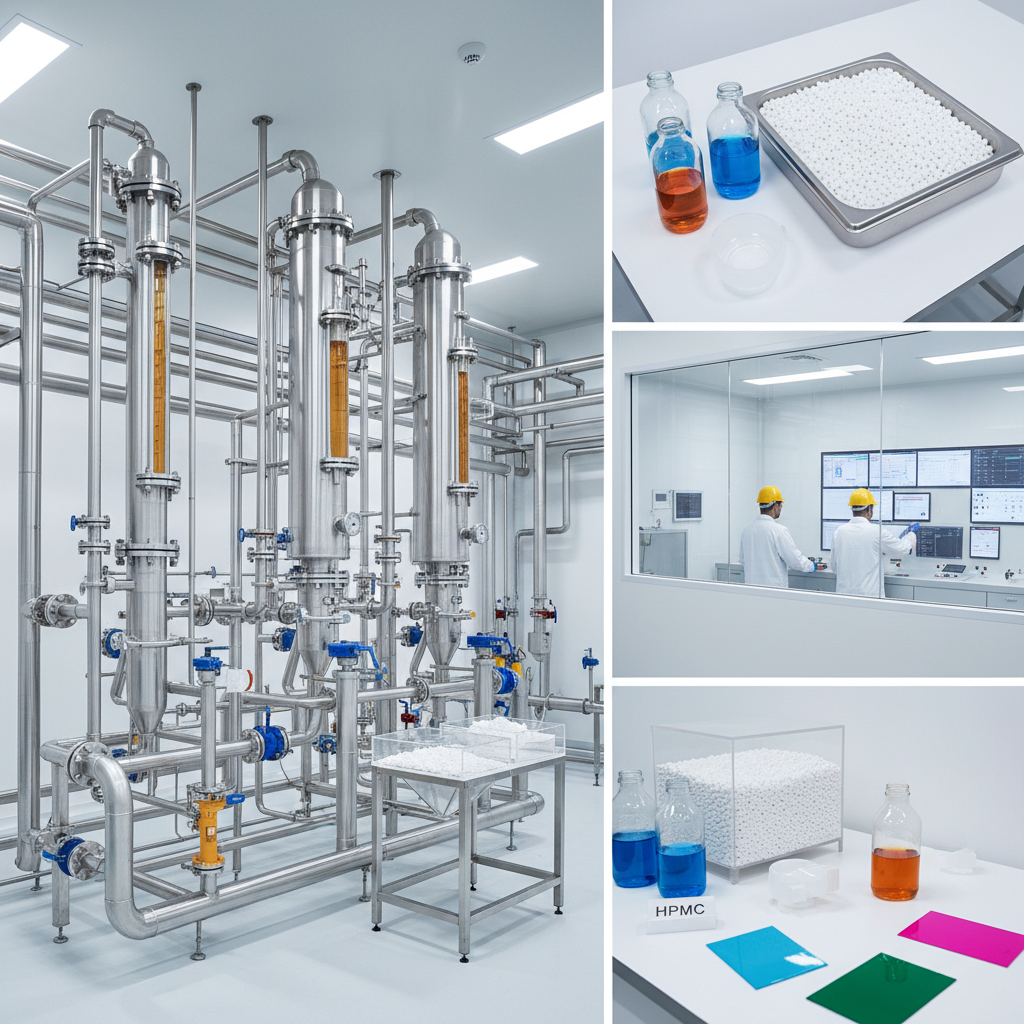
PMC is derived from cellulose, a natural polymer found in plant cell walls. It’s manufactured through chemical modification of cellulose, introducing both methyl and propyl groups. These modifications provide unique properties, enhancing solubility in water and altering the polymer's thermal and rheological behavior. The degree of substitution (DS) – the average number of substituent groups attached to each glucose unit – is a crucial factor influencing PMC’s characteristics. A higher DS typically leads to increased water solubility and reduced gelation temperature. The proportion of methyl and propyl groups also impacts the final product's viscosity and performance.
Key Properties of Propyl Methyl Cellulose
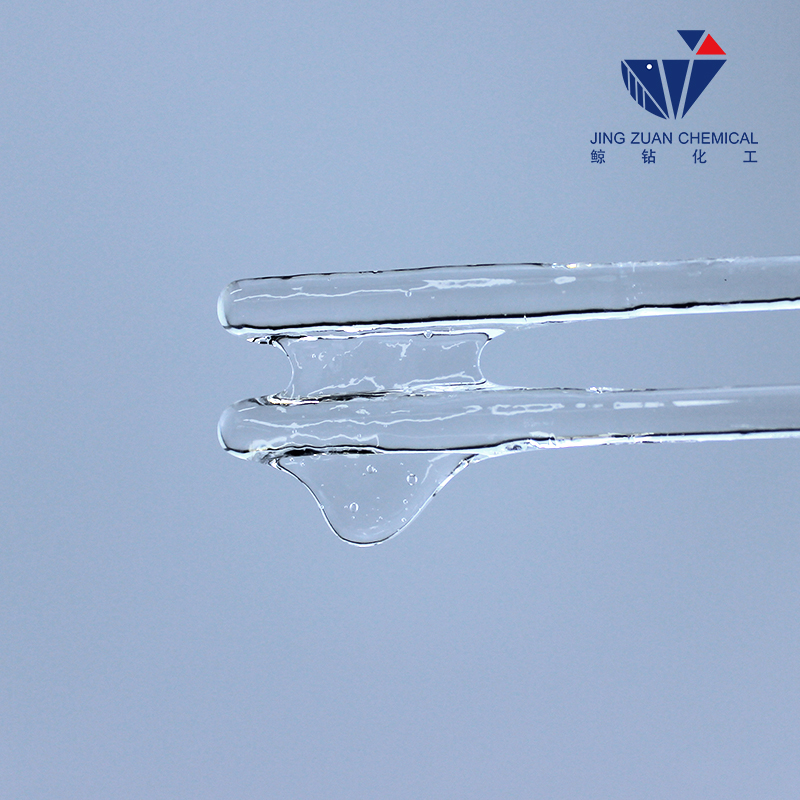
PMC boasts a remarkable set of properties that make it indispensable in numerous applications. These include excellent thickening ability, even at low concentrations. It provides exceptional water retention, preventing premature drying in formulations like cement-based materials and coatings. PMC also acts as a strong binder, improving cohesion in tablets and granular materials. Its film-forming capability creates smooth, durable coatings. Furthermore, it exhibits good compatibility with a wide range of polymers and other additives. The material is thermally reversible, meaning its solutions return to their original state upon cooling after heating, a critical aspect in applications like tile adhesives.
Key Highlights: PMC is known for its exceptional thickening, water retention, binding, and film-forming capabilities, making it a versatile ingredient across industries.
Applications of Propyl Methyl Cellulose
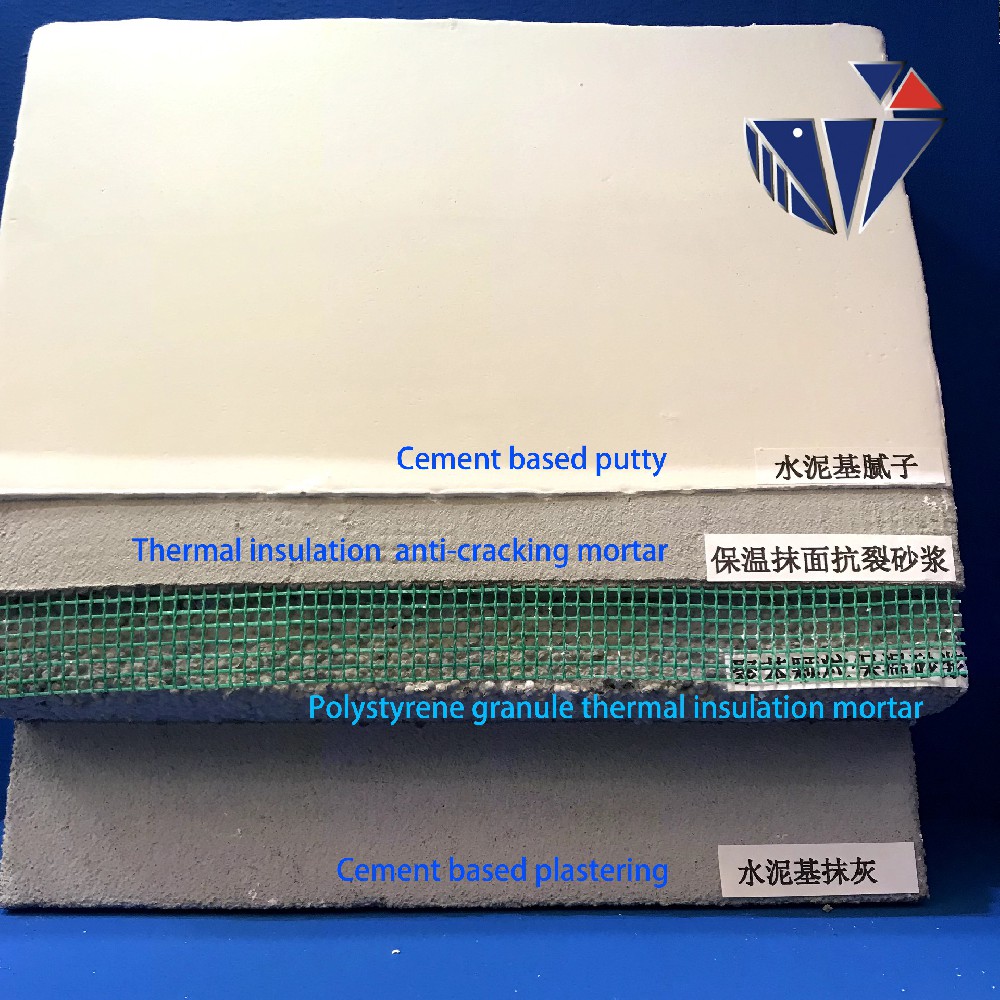
The versatility of propyl methyl cellulose translates to a wide array of applications. In the construction industry, it's a key ingredient in tile adhesives, cement renders, and self-leveling compounds, enhancing workability and preventing cracking. Pharmaceuticals utilize PMC as a binder, film-coating agent, and controlled-release matrix in tablets. The food industry employs it as a thickener, stabilizer, and emulsifier in sauces, dressings, and baked goods. Cosmetics benefit from its thickening and film-forming properties in creams, lotions, and shampoos. Furthermore, it's used in paints, coatings, and adhesives to improve consistency and adhesion.
Application Areas:
• Construction (tile adhesives, cement renders)
• Pharmaceuticals (tablets, coatings)
• Food Industry (sauces, baked goods)
• Cosmetics (creams, lotions)
PMC Grades and Specifications: Choosing the Right Viscosity
Propyl methyl cellulose is available in various grades, primarily differentiated by viscosity. Viscosity is a critical parameter impacting the final product's performance. Lower viscosity grades are suitable for applications requiring easy flow and minimal thickening, while higher viscosity grades provide substantial thickening and improved suspension. The correct viscosity grade depends on the specific formulation and desired end-product characteristics. Here's a typical overview of common PMC specifications:
Sourcing High-Quality Propyl Methyl Cellulose
Ensuring the quality of your propyl methyl cellulose supply is paramount. Work with reputable manufacturers who adhere to strict quality control standards. Factors to consider include purity, viscosity consistency, moisture content, and the absence of impurities. Request certificates of analysis (COA) to verify the product’s specifications. Furthermore, consider the supplier's logistical capabilities and their ability to provide consistent supply. CNJZ Chemical offers a wide range of PMC grades, backed by rigorous quality control and reliable supply chains.
Conclusion
Investing in Quality PMC
Propyl methyl cellulose is a vital ingredient across numerous industries. Choosing the right grade and sourcing from a reliable supplier like CNJZ Chemical is crucial for achieving optimal performance and product quality. By understanding its properties and applications, you can unlock the full potential of this versatile polymer.
Frequently Asked Questions (FAQs)
What is the shelf life of Propyl Methyl Cellulose?
When stored correctly in a cool, dry place, away from direct sunlight and moisture, Propyl Methyl Cellulose typically has a shelf life of 2-3 years. However, it's crucial to check the manufacturer's specific recommendations on the product packaging. Over time, exposure to humidity can cause the material to absorb moisture, impacting its viscosity and performance. Proper storage ensures the product retains its original properties for optimal use.
Is Propyl Methyl Cellulose safe for use in food products?
Yes, Propyl Methyl Cellulose is generally recognized as safe (GRAS) by regulatory bodies like the FDA when used within specified limits. It's widely used as a food additive to improve texture, stability, and water retention. However, it's essential to ensure the PMC used is food-grade and meets the required purity standards. Always consult relevant food safety regulations and guidelines for specific applications and permissible levels.
How does temperature affect the viscosity of PMC solutions?
PMC solutions exhibit a unique thermal behavior. As the temperature increases, the viscosity of the solution typically decreases. This is due to the weakening of intermolecular forces between the polymer chains. Conversely, as the temperature decreases, the viscosity increases, and the solution may even form a gel. This thermal reversibility is a valuable property in applications where temperature control is crucial, like tile adhesives and controlled-release pharmaceuticals.
-
Understanding Hydroxypropyl Methyl Cellulose MSDS Safety and Compliance
NewsApr.16,2026
-
Understanding the Hydroxypropyl Methyl Cellulose HS Code for Global Trade
NewsApr.09,2026
-
Comprehensive Guide to Hydroxypropyl Methyl Cellulose CAS Number and Applications
NewsApr.07,2026
-
Comprehensive Guide to Hydroxypropyl Methyl Cellulose cas no and its Diverse Applications
NewsApr.04,2026
-
Comprehensive Guide to Hydroxypropyl Methyl Cellulose Manufacturers and Applications
NewsMar.31,2026
-
Understanding Hydroxypropyl Methyl Cellulose Properties And Diverse Applications
NewsMar.28,2026