

-
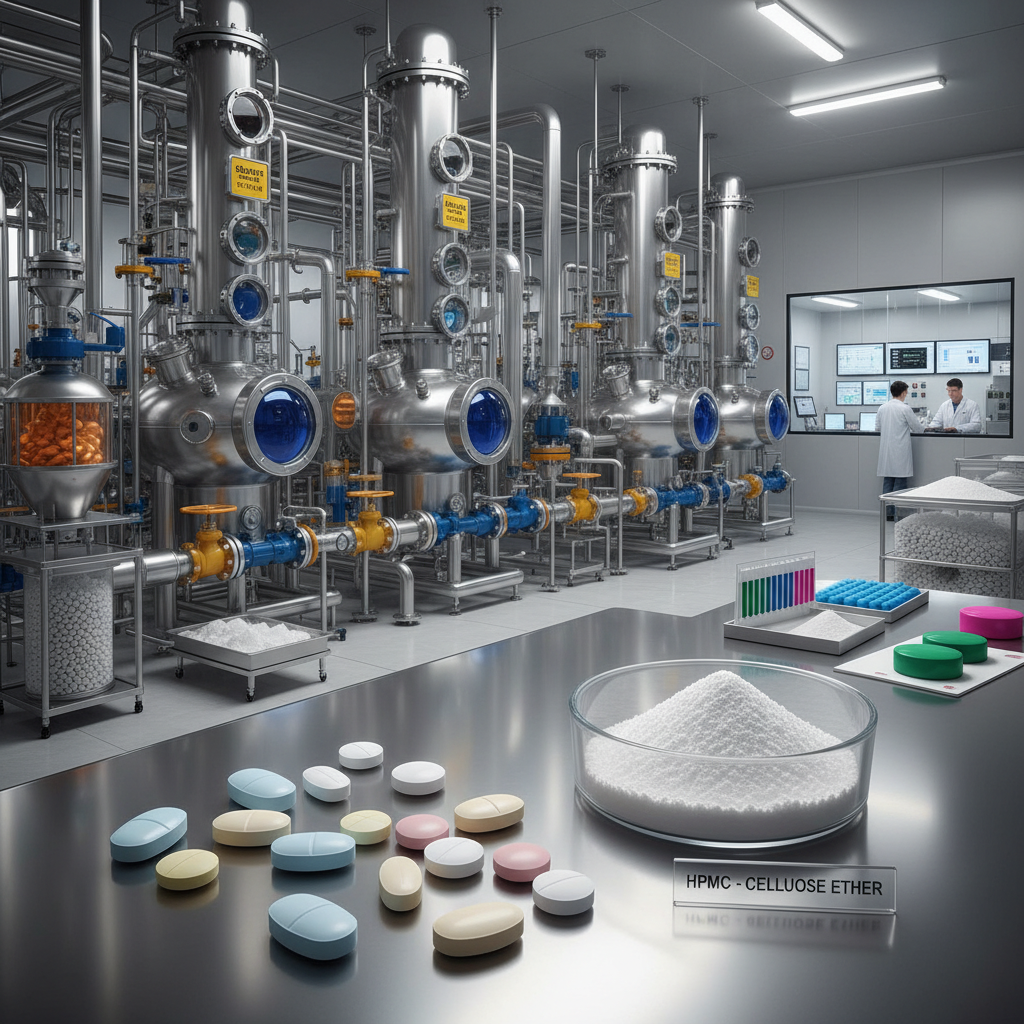 Hydroxypropyl methylcellulose (HPMC) is a versatile polymer widely used in the pharmaceutical industry, particularly as an excipient in tablet formulations. Its unique properties make it ideal for controlling drug release, improving tablet integrity, and enhancing manufacturing processes. This article delves into the specific hydroxypropyl methylcellulose uses in tablets, exploring its functions, advantages, and considerations for optimal formulation. Understanding these applications is crucial for pharmaceutical scientists and manufacturers aiming to develop effective and stable tablet products. HPMC functions primarily as a binder, film-coating agent, and controlled-release matrix former in tablet manufacturing. As a binder, it imparts cohesive strength to the tablet ingredients, ensuring granules hold together during compression. Its film-forming capabilities provide a protective coating, improving tablet appearance, swallowing ease, and stability. Furthermore, HPMC's ability to swell in aqueous environments makes it invaluable for controlling the rate at which a drug is released from the tablet, leading to sustained or delayed-release formulations. The grade and concentration of HPMC used directly influence these properties, requiring careful optimization for each specific drug and desired release profile. Selecting the right HPMC for tablet formulation is critical to success.Read more
 -
Hydroxypropyl methylcellulose (HPMC) is a versatile cellulose ether widely used across diverse industries, from construction and pharmaceuticals to food and personal care. Its unique properties – thickening, binding, film-forming, and water retention – make it an invaluable ingredient in a multitude of applications. Understanding the various HPMC uses is crucial for optimizing product performance and achieving desired results. This article delves into the key applications of HPMC, its benefits, and considerations for optimal utilization. HPMC is a non-ionic, semi-synthetic polymer derived from cellulose. This modification enhances cellulose’s solubility in water and introduces unique characteristics. Its key properties include excellent thermal gelation, meaning it forms a gel when heated and reverts to a liquid upon cooling. It also provides superior film-forming capabilities, contributing to the texture and stability of various formulations. The degree of substitution (DS) and molecular weight significantly influence HPMC's properties, allowing for tailored solutions for specific applications.Read more
-
 Hydroxypropyl methylcellulose (HPMC) powder is a versatile cellulose ether derived from cellulose. It's widely used across diverse industries, including construction, pharmaceuticals, food, cosmetics, and paints. Known for its thickening, binding, film-forming, and water retention properties, HPMC powder significantly enhances product performance. At CNJZ Chemical, we specialize in high-quality HPMC powder tailored to meet your specific application needs. This article provides a detailed overview of HPMC powder, its properties, applications, and benefits, offering valuable insights for professionals and manufacturers. HPMC is a non-ionic water-soluble polymer produced by chemically modifying cellulose. The degree of substitution (DS) – the amount of hydroxypropyl and methyl groups attached to the cellulose chain – dictates its properties. Higher DS levels generally result in increased water solubility and lower gel strength. Key characteristics of HPMC powder include excellent thermal gelation (forming a gel when heated, and remaining a liquid when cooled), surface activity, and compatibility with a wide range of other materials.Read more
 -
 Hydroxypropyl methylcellulose (HPMC) powder is a versatile cellulose ether gaining prominence across various industries. This non-ionic, water-soluble polymer is renowned for its thickening, binding, film-forming, and water retention properties. From construction and pharmaceuticals to food and personal care, HPMC powder offers a unique combination of functionalities. Understanding its characteristics and applications is crucial for optimizing product formulations and achieving desired results. We at CNJZ Chemical are dedicated to providing high-quality HPMC solutions tailored to your specific needs. HPMC powder exhibits a range of properties that make it invaluable in diverse applications. Its viscosity, gelation temperature, and substitution degree are key parameters influencing its behavior. Viscosity determines the thickening effect, while gelation temperature dictates its solubility in cold water. The degree of substitution affects water solubility and the overall performance of the HPMC. It’s important to note that HPMC doesn’t readily react with other substances, allowing for stable formulations. Furthermore, it's odorless, tasteless, and non-toxic, making it safe for use in food and pharmaceutical products.Read more
 -
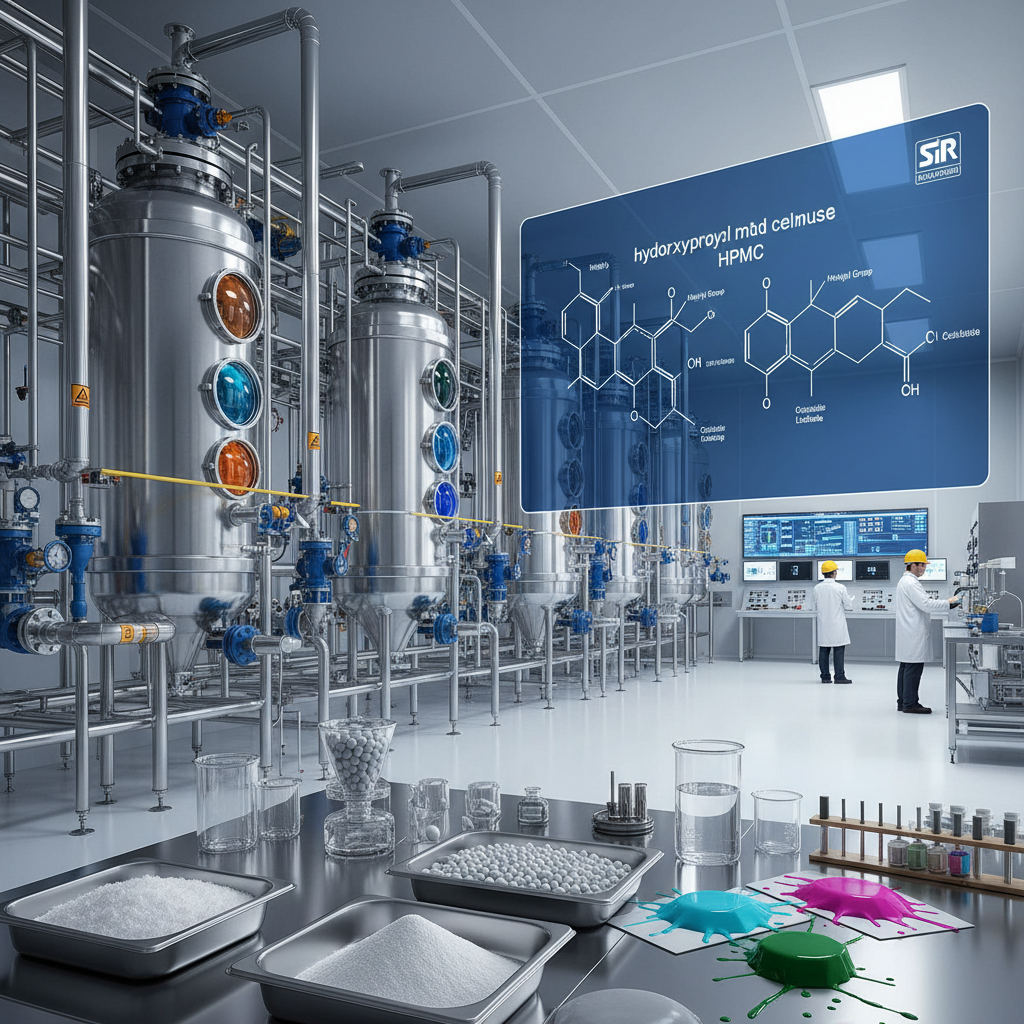 Hydroxypropyl methyl cellulose (HPMC) is a versatile cellulose ether widely used across various industries, including construction, pharmaceuticals, food, and personal care. Its thickening, binding, film-forming, and water-retention properties make it an invaluable ingredient in countless applications. Understanding the properties and applications of HPMC is crucial for optimizing product performance and achieving desired results. This guide provides a detailed overview of HPMC, covering its characteristics, grades, applications, and benefits. HPMC is a non-ionic, water-soluble polymer derived from cellulose, a natural component of plant cell walls. It's produced by chemically modifying cellulose through a series of reactions involving methyl chloride and propylene oxide. This modification results in a powder that, when dissolved in water, creates a clear, viscous solution. The degree of substitution (DS) – the amount of methyl and hydroxypropyl groups attached to the cellulose backbone – dictates the HPMC’s properties, such as solubility, viscosity, and gelation temperature. Different grades of HPMC are available to suit specific application requirements.Read more
 -
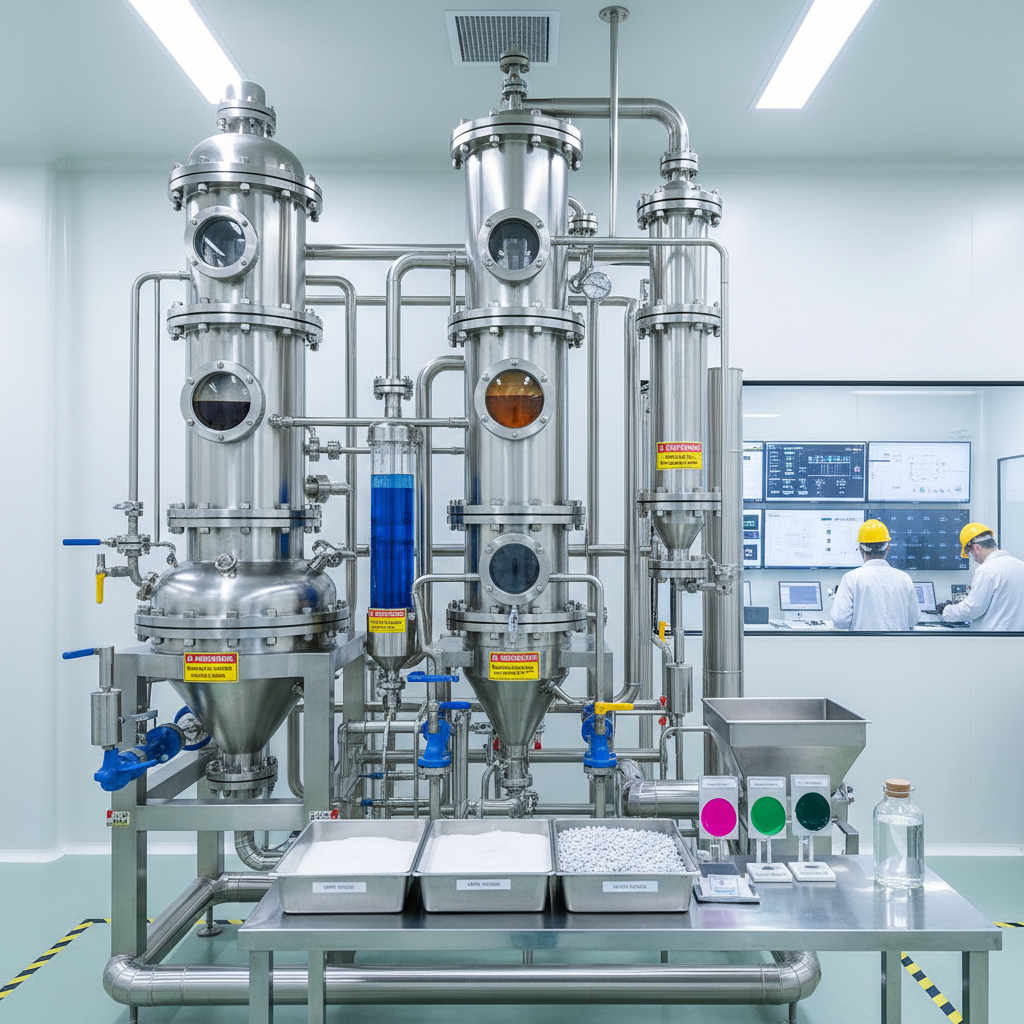 Hydroxy Methyl Propyl Cellulose (HPMC) is a versatile cellulose ether widely utilized across diverse industries, including construction, pharmaceuticals, food, and cosmetics. Its unique properties, such as thickening, water retention, binding, and film-forming capabilities, make it an invaluable ingredient in numerous applications. This article will provide an in-depth exploration of HPMC, covering its properties, applications, benefits, and sourcing information. Understanding HPMC's functionalities is crucial for optimizing product performance and ensuring desired results. HPMC is derived from cellulose, a naturally occurring polymer found in plant cell walls. Through chemical modification, cellulose is transformed into HPMC, imparting desirable properties for various industrial applications. The degree of substitution (DS) of hydroxy methyl and hydroxy propyl groups influences the final characteristics of the HPMC, allowing for tailored performance. Key properties include excellent thickening efficiency, thermal gelation (forming a gel when heated), surface activity, and compatibility with a wide range of materials.Read more
 -
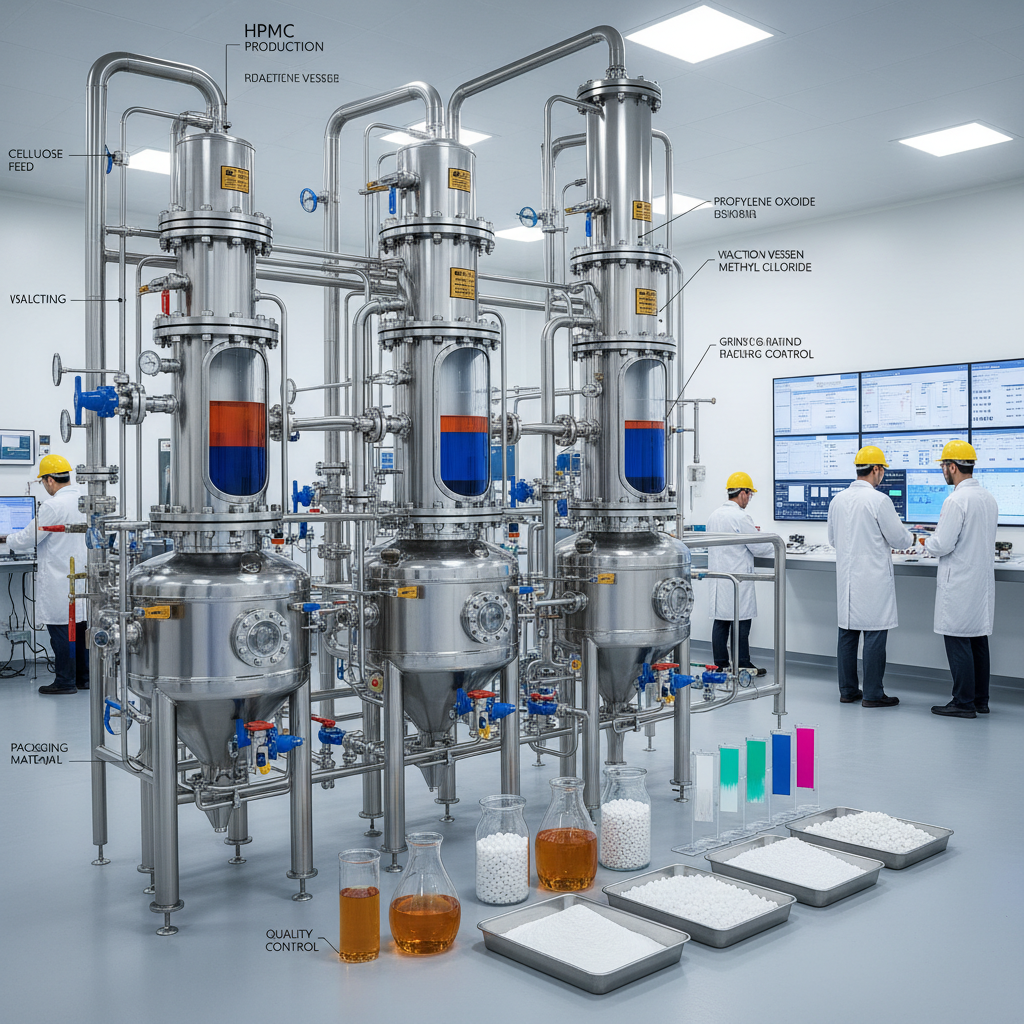 Hydroxypropyl methylcellulose (HPMC) is a versatile cellulose ether derivative used across a wide range of industries, including pharmaceuticals, construction, food, and cosmetics. Its thickening, binding, film-forming, and water-retention properties make it an invaluable ingredient. If you're looking to buy hydroxypropyl methylcellulose, understanding its applications, grades, and sourcing options is crucial. This guide provides an in-depth overview to help you make an informed decision. Choosing the right HPMC supplier, like CNJZ Chemical, is vital for consistent quality and reliable supply. HPMC is a non-ionic, water-soluble polymer derived from cellulose. It's created by chemically modifying cellulose, adding methoxy and hydroxypropyl groups. This process alters the properties of cellulose, making it soluble in water and giving it unique characteristics. These properties include thickening ability, film formation, suspension stabilization, and surface activity. The degree of substitution (DS) of methoxy and hydroxypropyl groups influences the final properties of the HPMC grade.Read more
 -
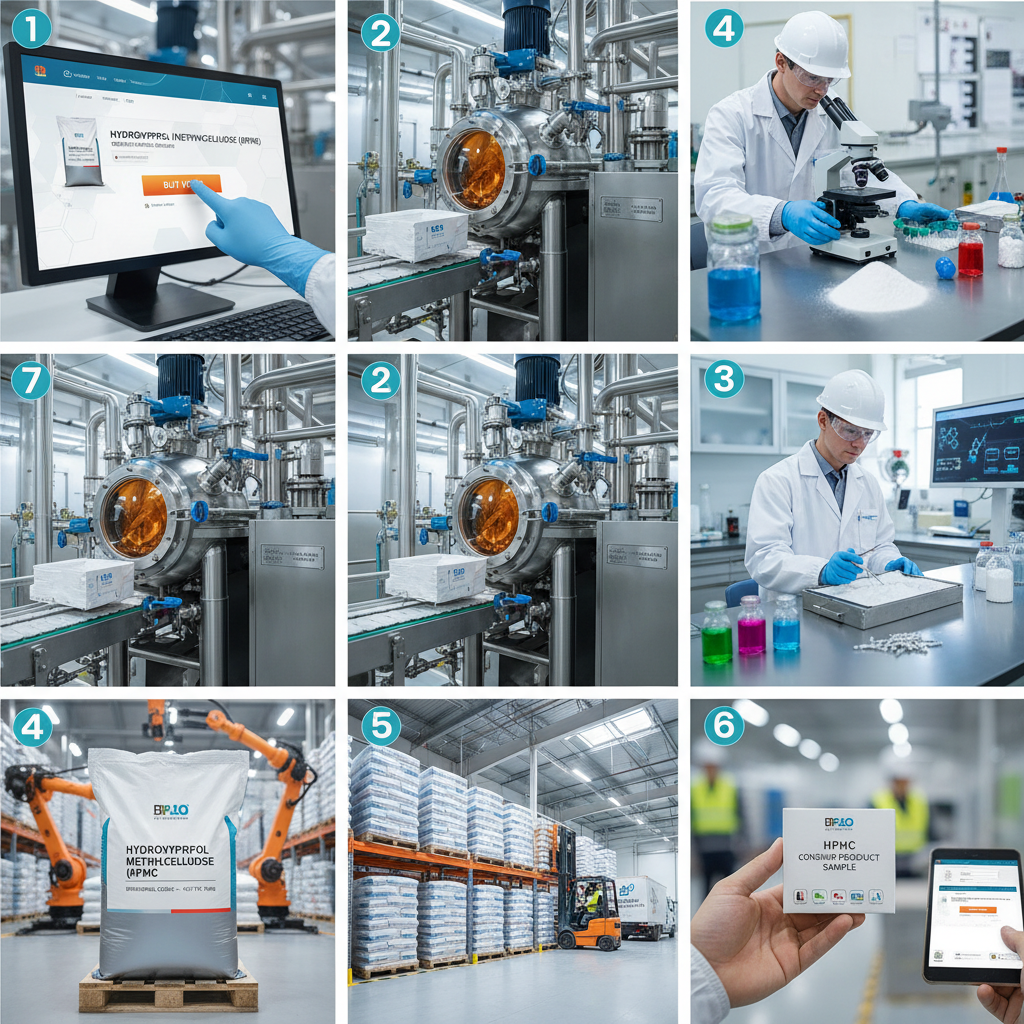 Are you searching for a reliable source to buy hydroxypropyl methylcellulose (HPMC)? This essential ingredient finds applications across diverse industries, including pharmaceuticals, food, construction, and cosmetics. Understanding its properties, grades, and sourcing options is crucial for achieving optimal results in your applications. This article will provide a comprehensive guide to purchasing HPMC, with a focus on quality, sourcing from reputable suppliers like CNJZ Chemical, and key considerations for your specific needs. We will delve into the benefits of using HPMC and guide you through the purchasing process. Hydroxypropyl methylcellulose is a versatile cellulose ether derived from cellulose. It’s a white to off-white powder known for its thickening, binding, film-forming, and water-retention capabilities. These properties make it invaluable in numerous applications. Its solubility in both water and organic solvents further expands its utility. Different grades of HPMC exist, categorized by viscosity and substitution degree, impacting their performance in specific applications.Read more
 -
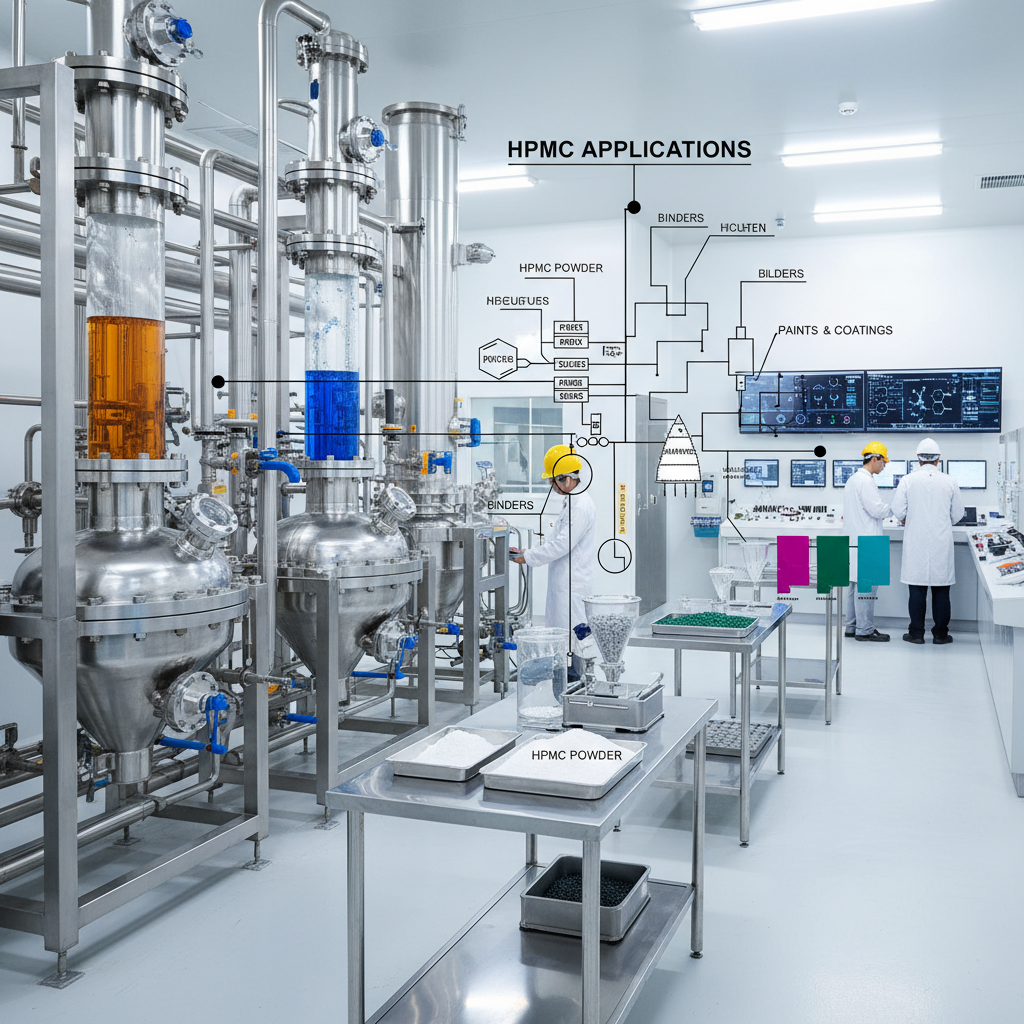 Hydroxypropyl methyl cellulose (HPMC) is a versatile cellulose ether widely utilized across numerous industries due to its thickening, binding, film-forming, and water-retention properties. This article will explore the diverse HPMC applications, its benefits, and key considerations for selecting the right grade for your specific needs. Understanding these uses will help optimize product formulation and performance. HPMC’s biocompatibility and non-toxicity further contribute to its widespread acceptance. HPMC is derived from cellulose, a natural polymer found in plants. Through chemical modification, cellulose is transformed into HPMC, gaining improved solubility in water and a wider range of functionalities. Key properties include its ability to form clear, viscous solutions even at low concentrations, its thermal gelation behavior (solutions become more viscous upon heating), and its excellent film-forming capability. These properties make it ideal for applications where precise control of viscosity, water retention, and film characteristics are crucial.Read more