
Mar . 07, 2026 02:05 Back to list
Exploring Hydroxypropyl Methyl Cellulose Uses Across Industries and Applications
Hydroxypropyl Methyl Cellulose Uses: A Comprehensive Guide
Hydroxypropyl methyl cellulose (HPMC) is a versatile cellulose ether widely utilized across numerous industries due to its thickening, binding, film-forming, and water-retention properties. This article will explore the diverse HPMC applications, its benefits, and key considerations for selecting the right grade for your specific needs. Understanding these uses will help optimize product formulation and performance. HPMC’s biocompatibility and non-toxicity further contribute to its widespread acceptance.
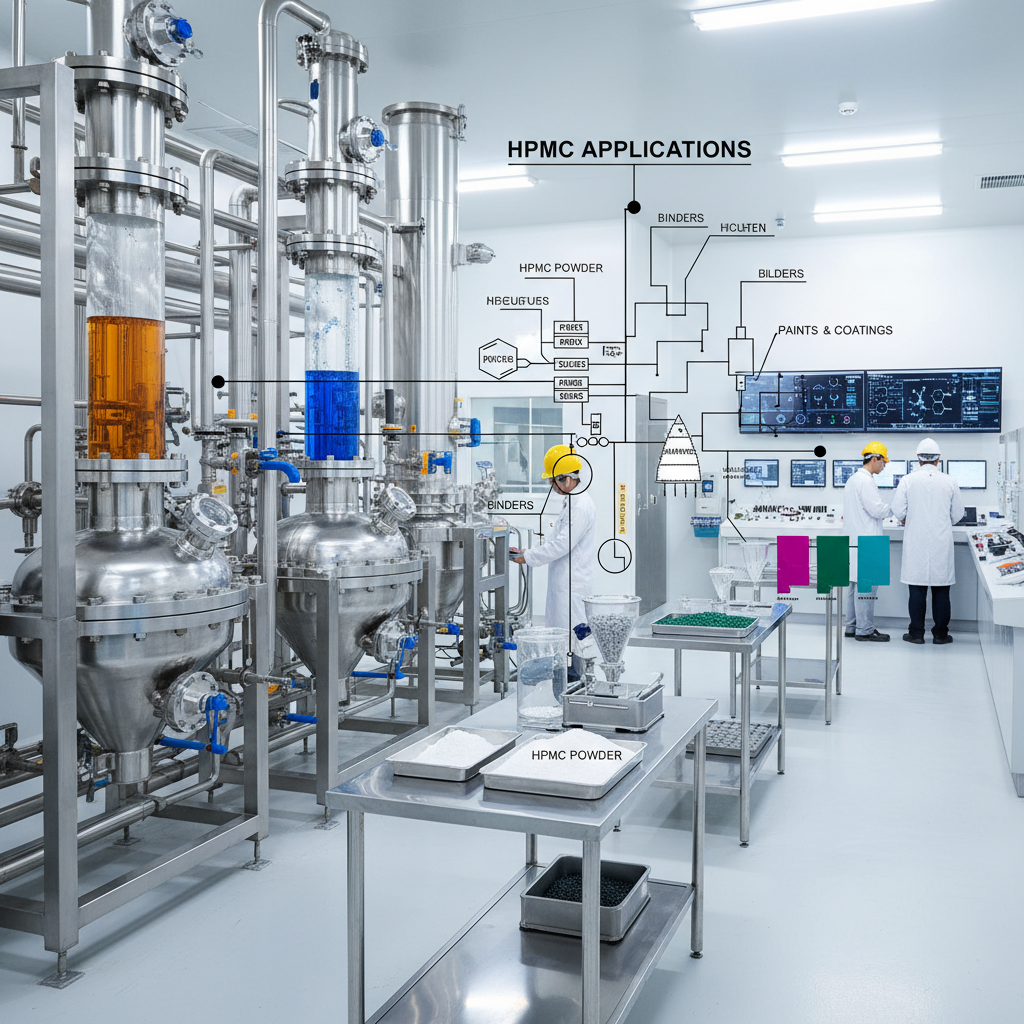
Understanding Hydroxypropyl Methyl Cellulose (HPMC)
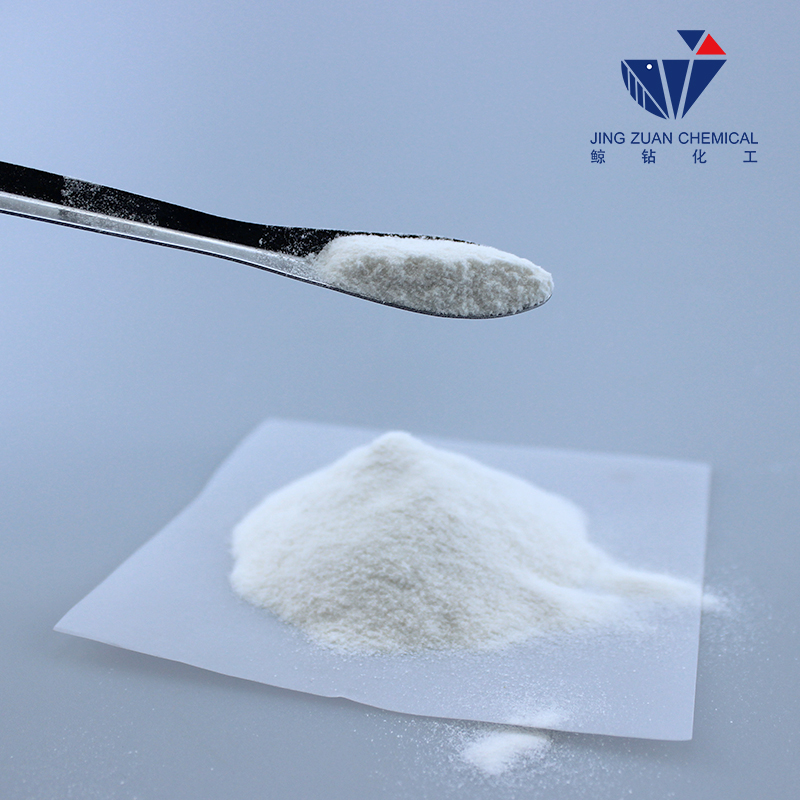
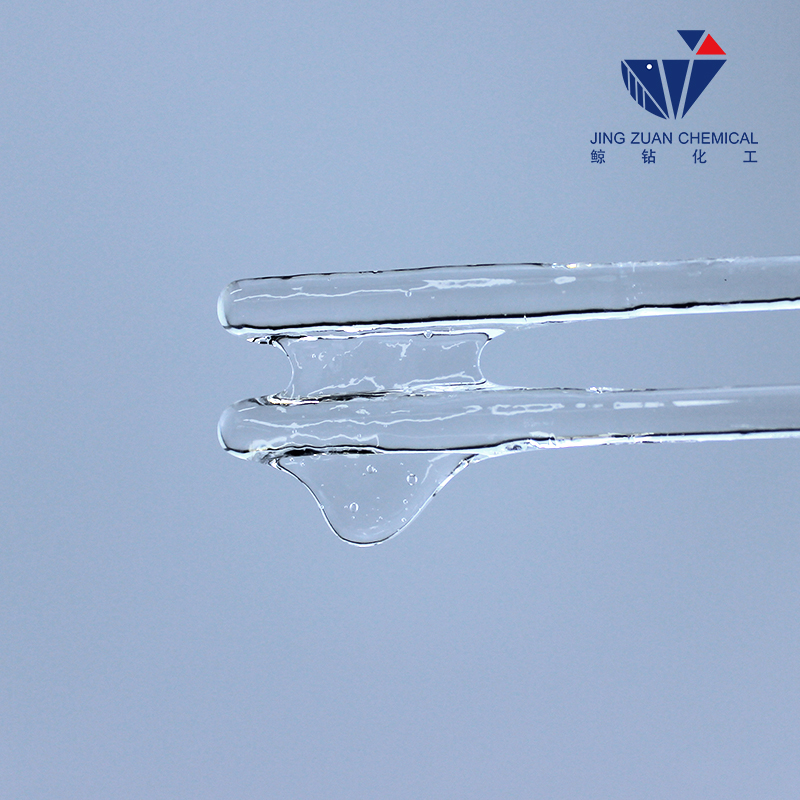
HPMC is derived from cellulose, a natural polymer found in plants. Through chemical modification, cellulose is transformed into HPMC, gaining improved solubility in water and a wider range of functionalities. Key properties include its ability to form clear, viscous solutions even at low concentrations, its thermal gelation behavior (solutions become more viscous upon heating), and its excellent film-forming capability. These properties make it ideal for applications where precise control of viscosity, water retention, and film characteristics are crucial. Different grades of HPMC are available, categorized by viscosity, substitution degree, and particle size, allowing for tailored solutions.
Key Highlights: HPMC offers excellent thickening, binding, film-forming, and water-retention properties, making it a versatile ingredient across various industries.
HPMC Uses in the Pharmaceutical Industry
The pharmaceutical industry heavily relies on HPMC for its diverse functionalities. It's frequently used as a binder in tablet formulations, ensuring tablets maintain their shape and integrity. HPMC acts as a film-coating agent, providing a protective layer for tablets and controlling drug release. In topical formulations like creams and gels, HPMC functions as a thickening agent and stabilizer. Its non-toxic nature and biocompatibility make it a safe and effective excipient. Moreover, HPMC is utilized in eye drops as a viscosity-increasing agent, prolonging contact time with the eye. CNJZ Chemical provides pharmaceutical-grade HPMC meeting stringent quality standards.
Pharmaceutical Applications:
• Tablet Binder & Coating
• Topical Cream Thickener
• Eye Drop Viscosity Enhancer
HPMC Uses in the Construction Industry
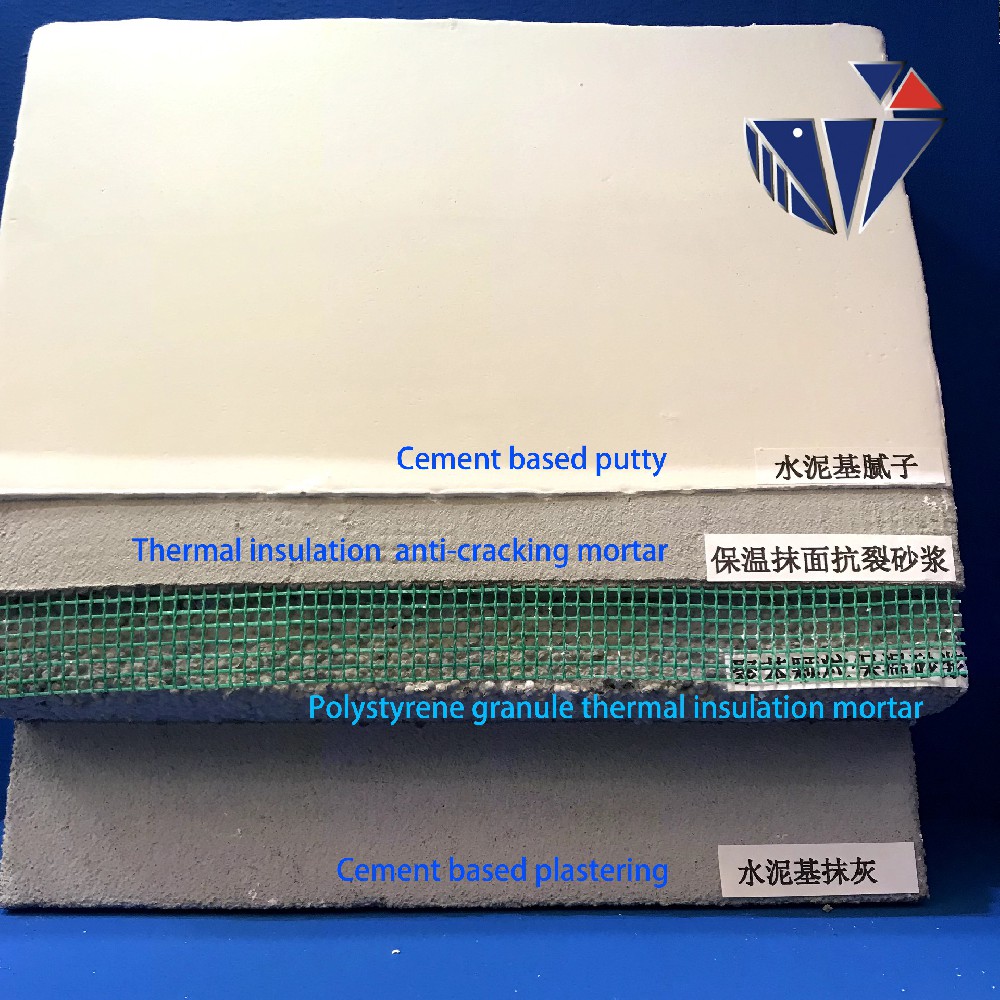
HPMC plays a crucial role in enhancing the workability and performance of construction materials. In cement-based products like tile adhesives, mortars, and plasters, HPMC acts as a water retention agent, preventing premature drying and improving adhesion. This is particularly important in hot and dry climates. It also enhances the sag resistance of these materials, allowing for easier application on vertical surfaces. Furthermore, HPMC improves the consistency and pumpability of concrete mixtures. The use of HPMC leads to improved strength, durability, and crack resistance in finished construction projects.
Other Significant Hydroxypropyl Methyl Cellulose Uses
Beyond pharmaceuticals and construction, HPMC finds applications in diverse fields. In the food industry, it's used as a thickener, stabilizer, and emulsifier in sauces, dressings, and baked goods. The cosmetic industry utilizes HPMC for its film-forming and thickening properties in creams, lotions, and shampoos. It's also employed in ceramics as a binder and plasticizer, enhancing green strength and workability. Furthermore, HPMC is increasingly used in 3D printing as a support material due to its water solubility and ease of removal. The adaptability of HPMC continues to drive innovation across industries.

Choosing the Right HPMC Grade
Selecting the appropriate HPMC grade is crucial for optimal performance. Key factors to consider include viscosity, substitution degree (affecting solubility and gelation temperature), and particle size. Higher viscosity grades provide greater thickening power. The substitution degree influences the temperature at which the HPMC solution gels. Particle size affects dissolution rate and clarity. CNJZ Chemical offers a comprehensive range of HPMC grades with detailed technical specifications to assist in selecting the best solution for your application. Consultation with our experts is highly recommended for complex formulations.
Conclusion: HPMC – A Versatile Solution for Diverse Applications
Hydroxypropyl methyl cellulose is a highly versatile polymer offering a multitude of benefits across diverse industries. From enhancing pharmaceutical formulations to improving construction material performance, its unique properties make it an indispensable ingredient. Choosing the right grade and sourcing from a reliable supplier like CNJZ Chemical is essential for achieving optimal results.
Frequently Asked Questions (FAQs)
What is the solubility of HPMC in water?
HPMC is readily soluble in cold water, forming clear and viscous solutions. However, solubility varies depending on the grade and substitution degree. Lower substitution grades require higher temperatures for complete dissolution. Using warm water and gentle agitation can accelerate the dissolution process. The presence of certain salts can also affect solubility. It’s crucial to ensure complete dissolution for uniform product performance. Proper mixing and adequate time are essential for achieving optimal clarity and viscosity.
Is HPMC biodegradable?
While HPMC is derived from a natural source (cellulose), its degree of biodegradability is limited due to the chemical modifications involved in its production. It doesn't readily degrade under typical environmental conditions. However, it is considered more environmentally friendly than many synthetic polymers. Research is ongoing to develop more readily biodegradable cellulose ethers. Proper disposal methods are recommended to minimize environmental impact.
What are the common storage conditions for HPMC?
HPMC should be stored in a cool, dry, and well-ventilated area, away from direct sunlight and moisture. Exposure to humidity can cause clumping and affect its performance. Keep containers tightly closed to prevent contamination. The recommended storage temperature is between 15°C and 30°C. Proper storage conditions ensure the stability and quality of the HPMC over its shelf life.
-
Understanding Hydroxypropyl Methyl Cellulose MSDS Safety and Compliance
NewsApr.16,2026
-
Understanding the Hydroxypropyl Methyl Cellulose HS Code for Global Trade
NewsApr.09,2026
-
Comprehensive Guide to Hydroxypropyl Methyl Cellulose CAS Number and Applications
NewsApr.07,2026
-
Comprehensive Guide to Hydroxypropyl Methyl Cellulose cas no and its Diverse Applications
NewsApr.04,2026
-
Comprehensive Guide to Hydroxypropyl Methyl Cellulose Manufacturers and Applications
NewsMar.31,2026
-
Understanding Hydroxypropyl Methyl Cellulose Properties And Diverse Applications
NewsMar.28,2026