
Mar . 12, 2026 02:05 Back to list
Comprehensive Guide to Hydroxypropyl Methylcellulose HPMC Powder Applications and Properties
Hydroxypropyl Methylcellulose (HPMC) Powder: A Comprehensive Guide
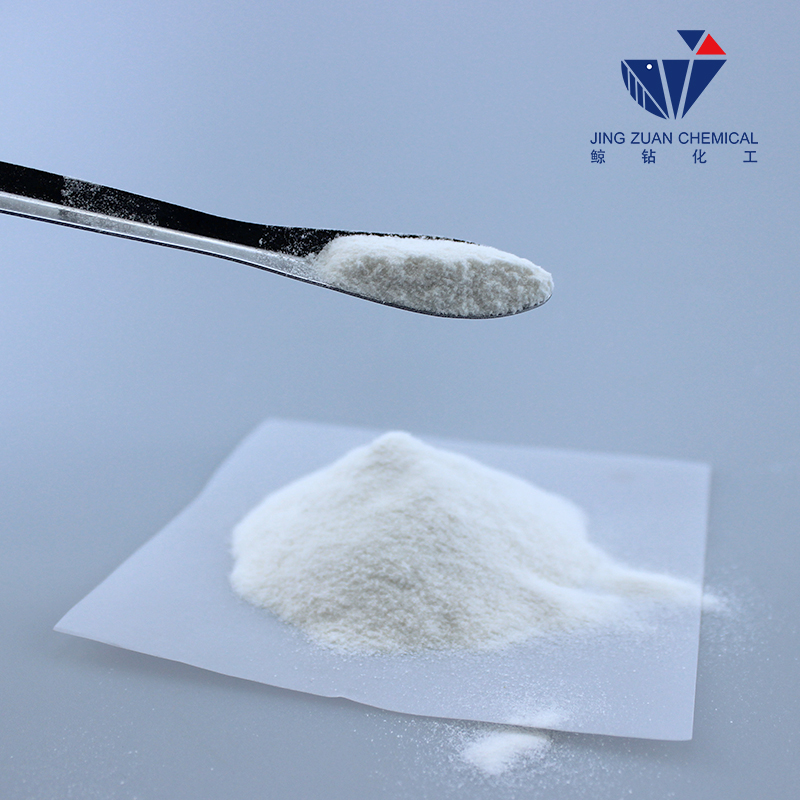
Hydroxypropyl methylcellulose (HPMC) powder is a versatile cellulose ether gaining prominence across various industries. This non-ionic, water-soluble polymer is renowned for its thickening, binding, film-forming, and water retention properties. From construction and pharmaceuticals to food and personal care, HPMC powder offers a unique combination of functionalities. Understanding its characteristics and applications is crucial for optimizing product formulations and achieving desired results. We at CNJZ Chemical are dedicated to providing high-quality HPMC solutions tailored to your specific needs.
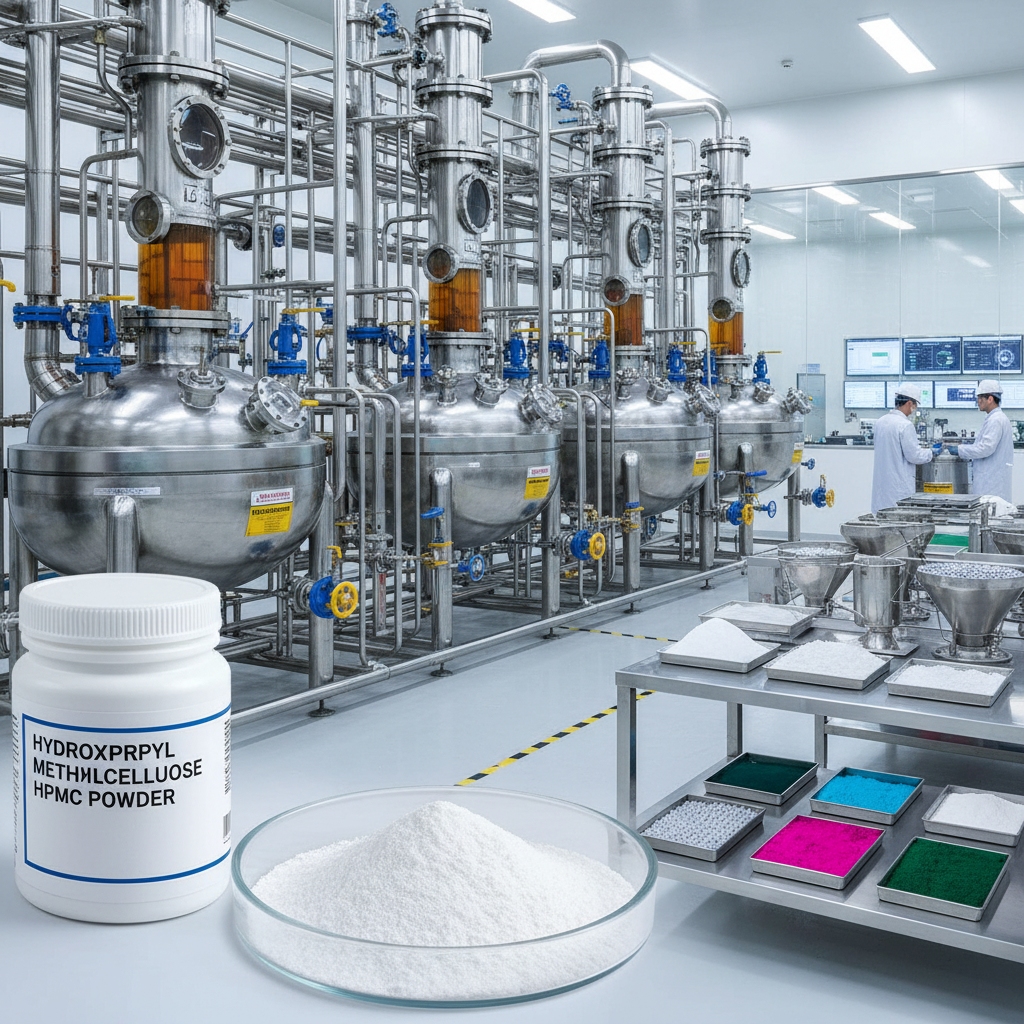
Understanding the Properties of HPMC Powder
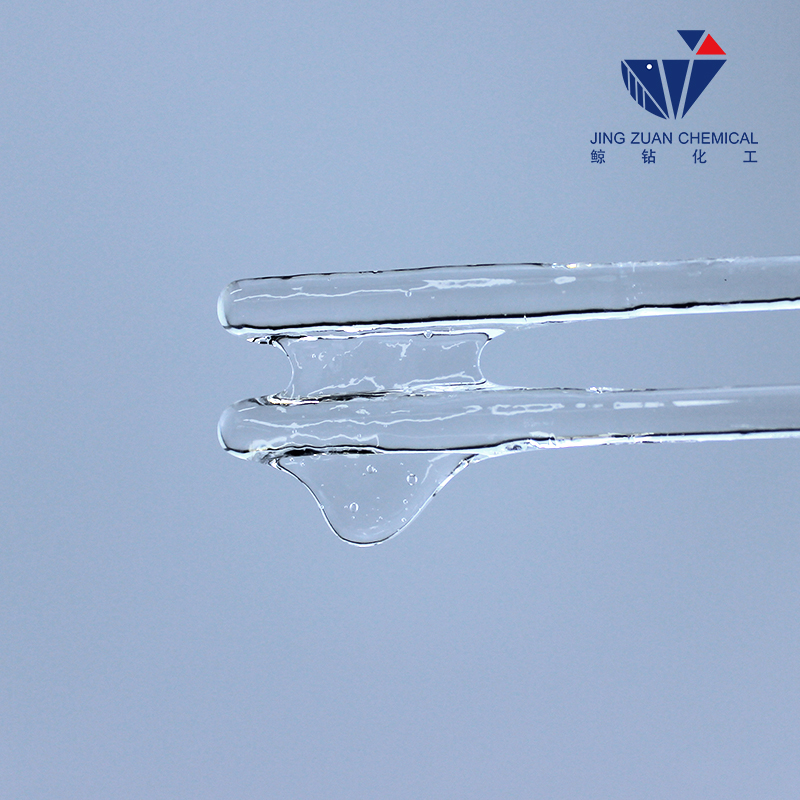
HPMC powder exhibits a range of properties that make it invaluable in diverse applications. Its viscosity, gelation temperature, and substitution degree are key parameters influencing its behavior. Viscosity determines the thickening effect, while gelation temperature dictates its solubility in cold water. The degree of substitution affects water solubility and the overall performance of the HPMC. It’s important to note that HPMC doesn’t readily react with other substances, allowing for stable formulations. Furthermore, it's odorless, tasteless, and non-toxic, making it safe for use in food and pharmaceutical products.
Key Highlights: Non-toxic, odorless, tasteless, and excellent film-forming properties. Offers exceptional thickening and water retention capabilities.
HPMC Powder Applications Across Industries
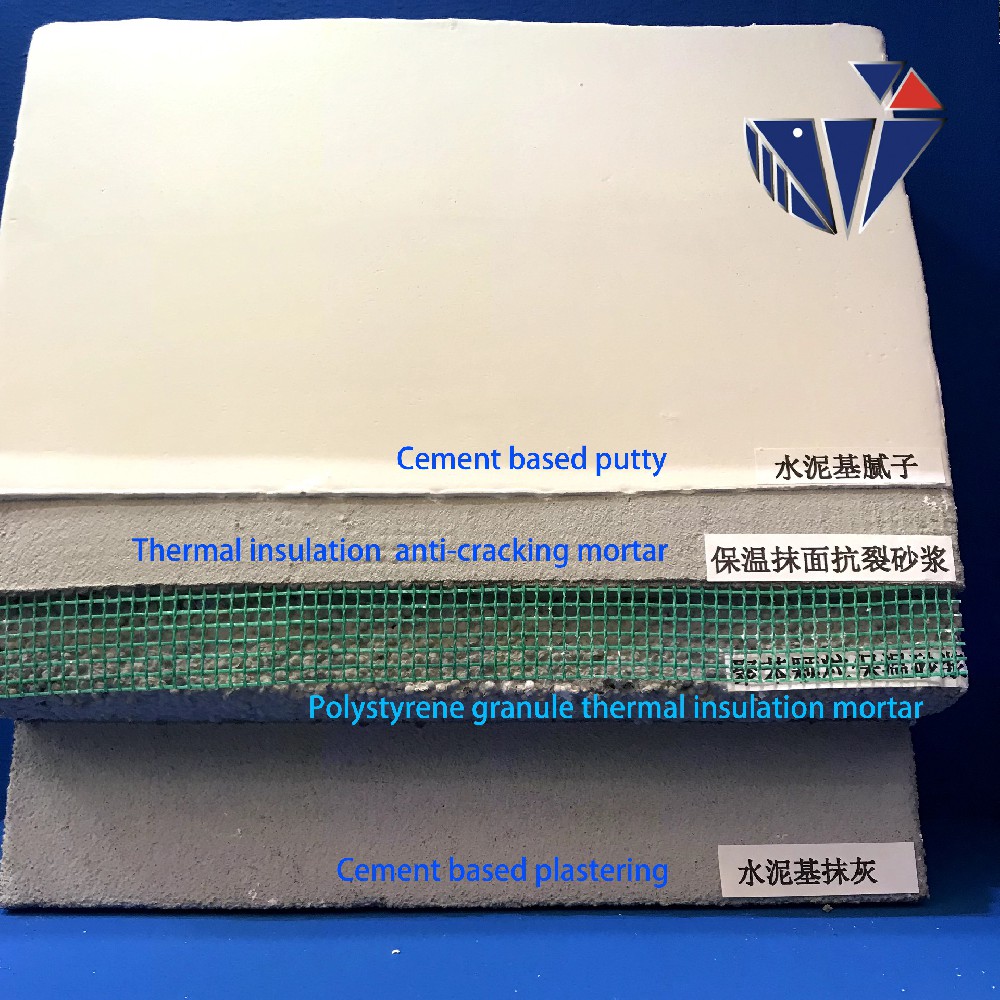
The versatility of HPMC powder drives its widespread use across multiple industries. In the construction sector, it serves as a vital additive in cement-based products, enhancing workability, adhesion, and water retention. Pharmaceutical companies utilize it as a binder, film coating agent, and controlled-release matrix in tablets and capsules. The food industry leverages its thickening and stabilizing properties in sauces, dressings, and baked goods. Finally, in personal care products, HPMC acts as a thickener, emulsifier, and stabilizer in lotions, creams, and shampoos.
Application Benefits:
• Enhances workability in construction materials
• Improves drug delivery in pharmaceutical formulations
• Stabilizes food products and extends shelf life
• Provides desirable texture and consistency in personal care items
Hydroxypropyl Methylcellulose (HPMC) Powder Grades & Specifications
HPMC powder is available in various grades, distinguished by their viscosity, particle size, and degree of substitution. Selecting the appropriate grade is crucial for achieving optimal performance in a specific application. Different viscosity levels impact the thickening effect, while particle size influences dissolution rate and texture. CNJZ Chemical offers a comprehensive range of HPMC grades to meet diverse customer requirements.
Comparing HPMC to Other Cellulose Ethers
While several cellulose ethers exist, HPMC distinguishes itself through its unique properties and performance. Compared to methylcellulose (MC), HPMC offers improved thermal gelation and better stability in electrolytes. Ethylcellulose (EC) exhibits lower water solubility compared to HPMC, limiting its applications in certain formulations. Carboxymethylcellulose (CMC) is more susceptible to degradation in alkaline conditions than HPMC. Choosing the appropriate cellulose ether depends on the specific application requirements and desired properties. CNJZ Chemical can assist you in selecting the optimal HPMC grade for your needs.

Storage and Handling of HPMC Powder
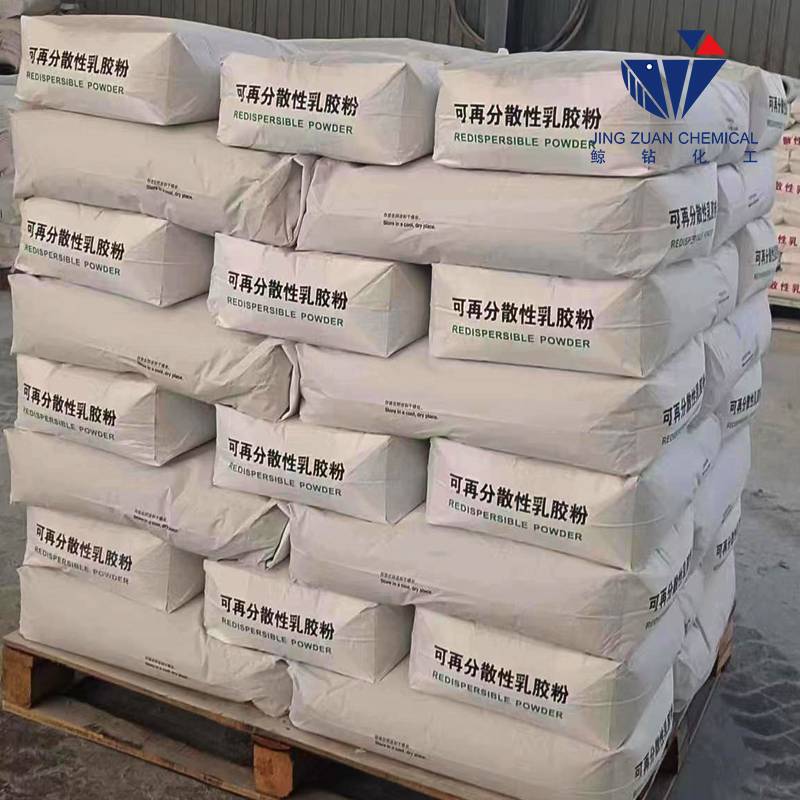
Proper storage and handling are essential to maintain the quality and performance of HPMC powder. Store it in a cool, dry place, away from direct sunlight and moisture. Keep containers tightly sealed to prevent contamination. Avoid prolonged exposure to high temperatures or humidity. When handling the powder, use appropriate personal protective equipment, such as a dust mask and gloves. Following these guidelines will ensure the HPMC remains stable and effective for its intended use.
Conclusion: Leveraging the Power of HPMC
The HPMC powder stands as a remarkably versatile and valuable ingredient across numerous industries. Its unique combination of properties allows for optimized formulations and enhanced product performance. CNJZ Chemical is committed to providing high-quality HPMC solutions and expert technical support to help you achieve your desired results. Contact us today to learn more about how HPMC can benefit your applications.
Frequently Asked Questions (FAQs)
What is the typical shelf life of HPMC powder?
When stored properly in a cool, dry environment, HPMC powder generally has a shelf life of at least 5 years. However, it’s crucial to protect it from moisture, direct sunlight, and extreme temperatures, as these factors can accelerate degradation. Regularly inspect the powder for any signs of clumping or discoloration, which may indicate deterioration. Following the recommended storage guidelines will ensure optimal performance and stability over time.
How does HPMC affect the viscosity of a solution?
HPMC is a highly effective thickening agent. The viscosity of the solution increases proportionally with the concentration of HPMC added. Higher viscosity grades of HPMC will naturally produce thicker solutions at the same concentration. Temperature also plays a role; as temperature increases, viscosity generally decreases. Understanding these relationships is essential for achieving the desired consistency in your formulation.
Is HPMC compatible with other ingredients?
HPMC generally exhibits excellent compatibility with a wide range of ingredients, including water, solvents, resins, and polymers. However, compatibility can vary depending on the specific formulation and concentrations used. It's always recommended to conduct small-scale compatibility tests to ensure there are no adverse interactions before scaling up production.
Where can I find more information about HPMC powder from CNJZ Chemical?
You can find comprehensive information about our HPMC powder products, including technical data sheets, specifications, and application guidelines, on the CNJZ Chemical website. You can also contact our experienced technical support team directly for personalized assistance and customized solutions. We are dedicated to helping you find the right HPMC grade to meet your specific needs.
-
Understanding Hydroxypropyl Methyl Cellulose MSDS Safety and Compliance
NewsApr.16,2026
-
Understanding the Hydroxypropyl Methyl Cellulose HS Code for Global Trade
NewsApr.09,2026
-
Comprehensive Guide to Hydroxypropyl Methyl Cellulose CAS Number and Applications
NewsApr.07,2026
-
Comprehensive Guide to Hydroxypropyl Methyl Cellulose cas no and its Diverse Applications
NewsApr.04,2026
-
Comprehensive Guide to Hydroxypropyl Methyl Cellulose Manufacturers and Applications
NewsMar.31,2026
-
Understanding Hydroxypropyl Methyl Cellulose Properties And Diverse Applications
NewsMar.28,2026