
Mar . 14, 2026 02:15 Back to list
Comprehensive Guide to Hydroxypropyl Methylcellulose Powder and Its Applications
Hydroxypropyl Methylcellulose Powder: A Comprehensive Guide
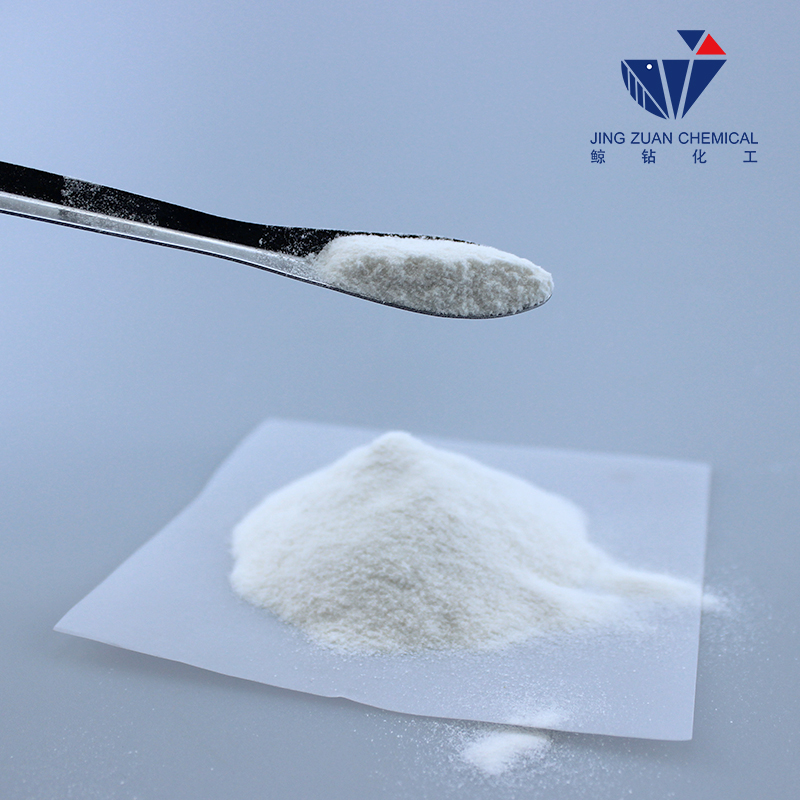
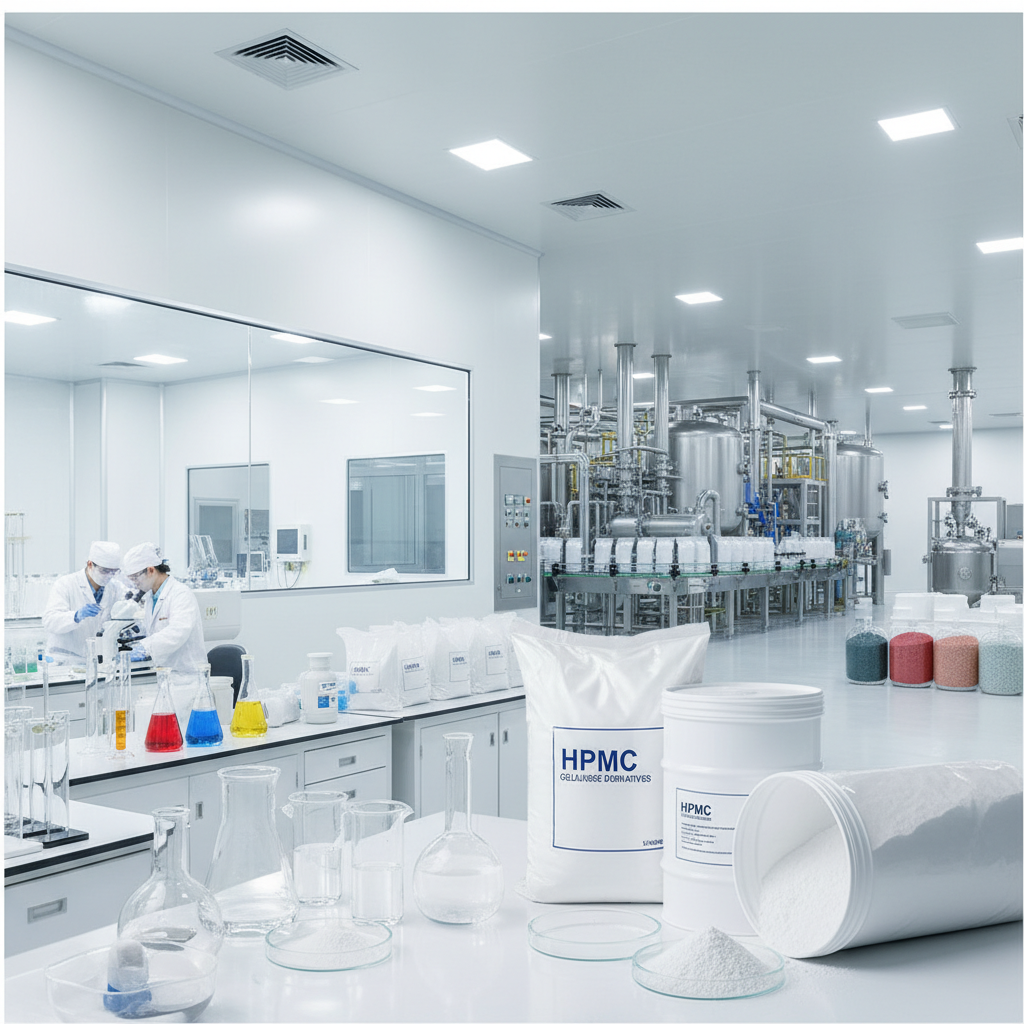
Hydroxypropyl methylcellulose (HPMC) powder is a versatile cellulose ether derived from cellulose. It's widely used across diverse industries, including construction, pharmaceuticals, food, cosmetics, and paints. Known for its thickening, binding, film-forming, and water retention properties, HPMC powder significantly enhances product performance. At CNJZ Chemical, we specialize in high-quality HPMC powder tailored to meet your specific application needs. This article provides a detailed overview of HPMC powder, its properties, applications, and benefits, offering valuable insights for professionals and manufacturers.
Understanding Hydroxypropyl Methylcellulose (HPMC)
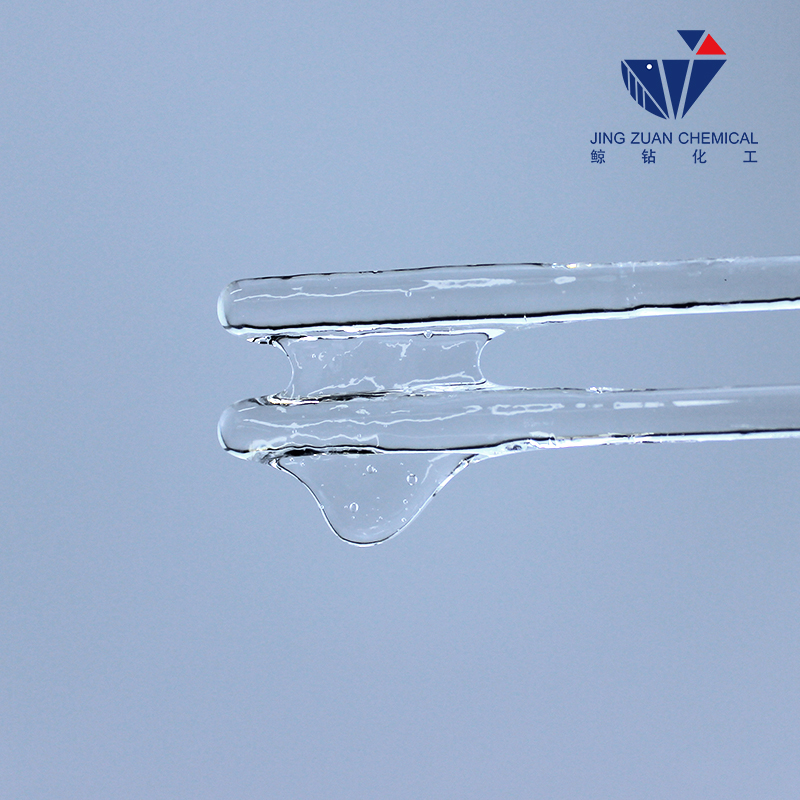
HPMC is a non-ionic water-soluble polymer produced by chemically modifying cellulose. The degree of substitution (DS) – the amount of hydroxypropyl and methyl groups attached to the cellulose chain – dictates its properties. Higher DS levels generally result in increased water solubility and lower gel strength. Key characteristics of HPMC powder include excellent thermal gelation (forming a gel when heated, and remaining a liquid when cooled), surface activity, and compatibility with a wide range of other materials. It is available in various viscosity grades, allowing for fine-tuning of product performance. CNJZ Chemical offers a comprehensive range of HPMC grades to suit different industrial requirements.
Key Benefits: Excellent thickening, binding, film-forming, and water retention properties. Thermal gelation provides unique application possibilities. Compatibility with various materials. Available in a wide range of viscosity grades.
Applications of Hydroxypropyl Methylcellulose Powder
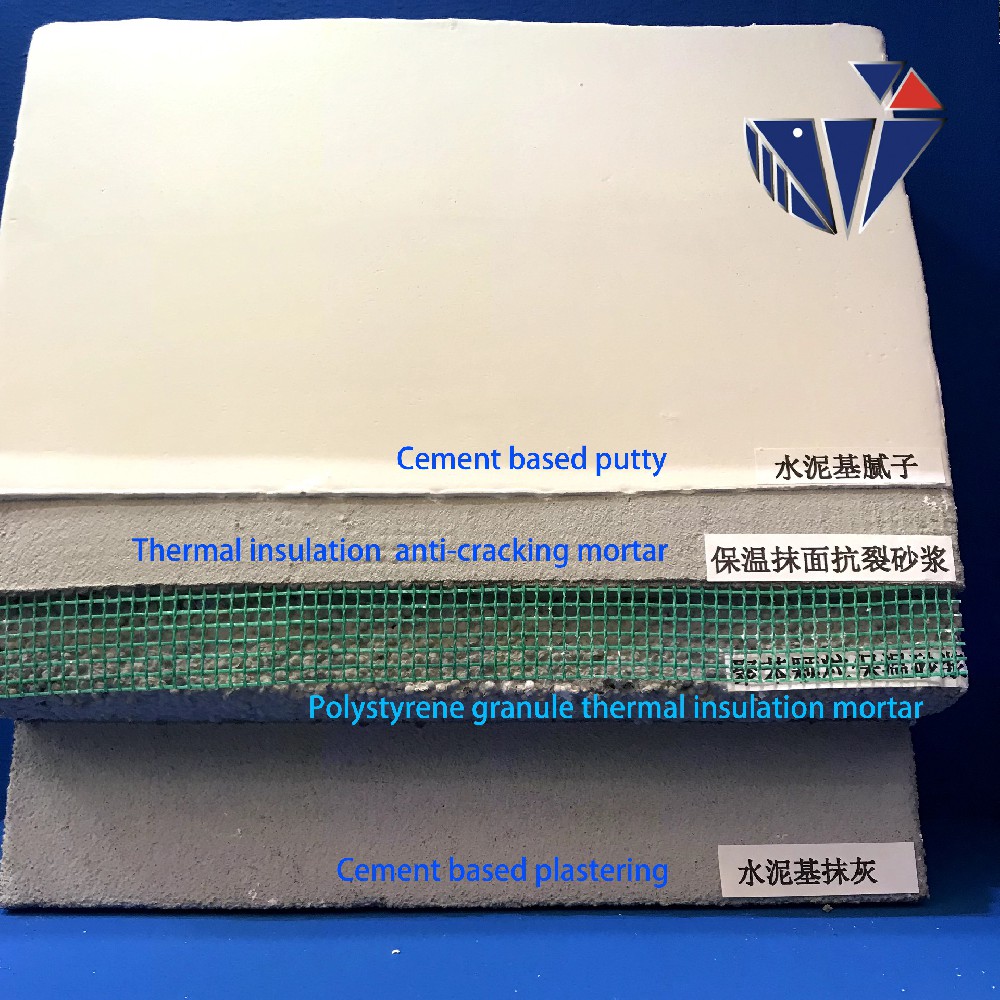
The versatile nature of HPMC powder translates into a broad spectrum of applications. In construction, it’s a crucial additive in cement-based mortars, tile adhesives, and render systems, enhancing workability, adhesion, and water retention. The pharmaceutical industry utilizes HPMC as a binder, film coating agent, and controlled-release matrix for tablets and capsules. Food manufacturers leverage its thickening and stabilizing properties in sauces, desserts, and baked goods. The cosmetics industry utilizes HPMC as a thickener, emulsion stabilizer, and film former in lotions, creams, and shampoos. The paint and coating industry utilizes HPMC for rheology control, water retention, and pigment suspension.
Key Application Areas:
• Construction: Mortars, adhesives, renders
• Pharmaceuticals: Tablets, capsules, coatings
• Food: Sauces, desserts, baked goods
• Cosmetics: Lotions, creams, shampoos
Hydroxypropyl Methylcellulose Powder Grades and Specifications
HPMC powder is available in a variety of grades, categorized primarily by viscosity. Viscosity is measured in mPa·s (millipascal-seconds) and determines the thickening effect. CNJZ Chemical provides HPMC powder with varying viscosities to meet your specific formulation needs. Below is a sample specification table:
HPMC Powder: A Comparison with Other Thickeners
While numerous thickening agents exist, HPMC offers distinct advantages. Compared to starches, HPMC provides superior stability and resistance to microbial degradation. Unlike guar gum, HPMC doesn’t interact with salts, maintaining consistent viscosity in various formulations. Compared to some synthetic polymers, HPMC is derived from a renewable resource – cellulose – making it a more sustainable option. The thermal gelation property of HPMC is also unique, making it ideal for applications where temperature-sensitive behavior is desired.
Choosing the Right HPMC Powder Supplier
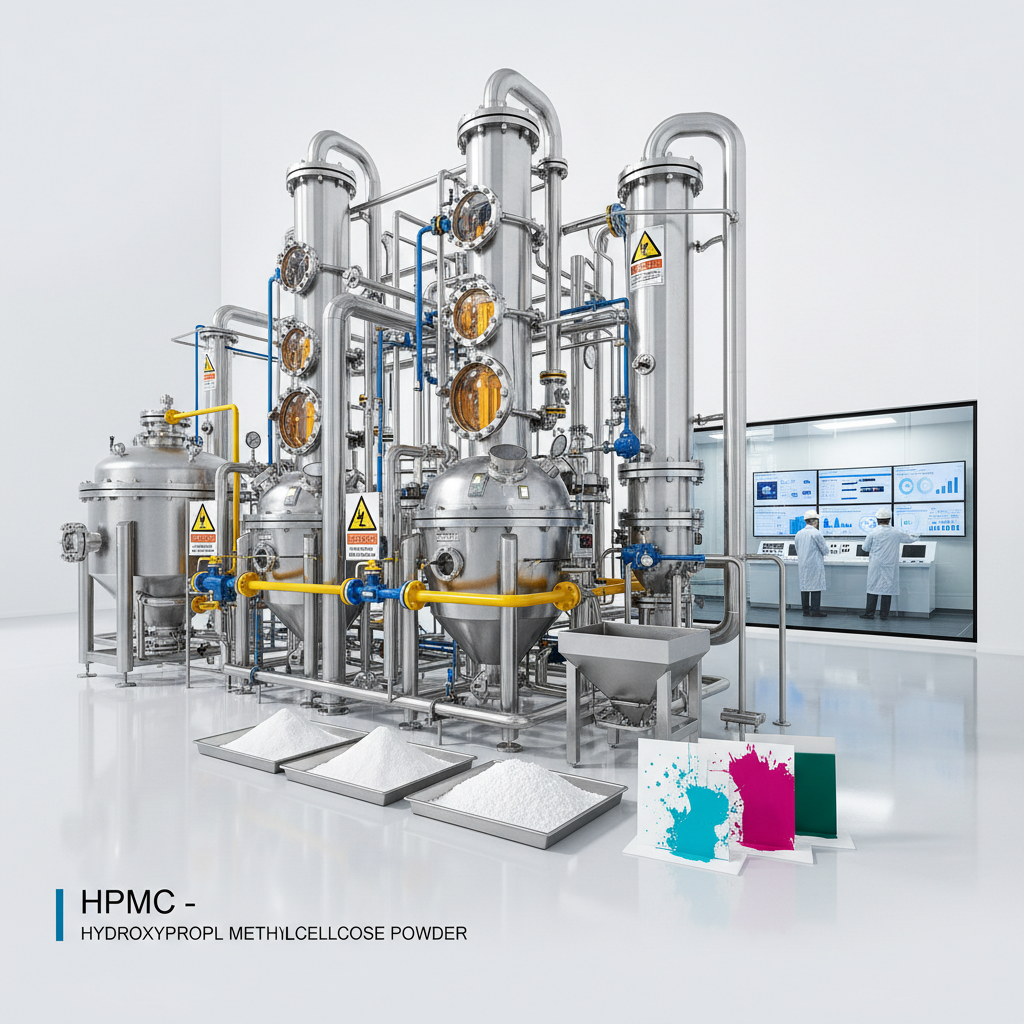
Selecting a reliable supplier is crucial for ensuring consistent quality and performance. CNJZ Chemical is a leading manufacturer and supplier of HPMC powder, committed to providing high-quality products and exceptional customer service. We offer a wide range of grades, competitive pricing, and technical support to assist you in finding the perfect solution for your application. Our rigorous quality control processes and adherence to industry standards guarantee consistent product performance.
Conclusion: Partner with CNJZ Chemical for High-Quality HPMC Powder
Choosing the right HPMC powder is essential for optimizing product performance across various industries. CNJZ Chemical offers a comprehensive range of HPMC grades, backed by quality assurance and expert technical support. We are dedicated to providing innovative solutions and building long-term partnerships with our customers.
Frequently Asked Questions (FAQs)
What is the shelf life of HPMC powder?
When stored properly in a cool, dry place, away from direct sunlight, HPMC powder typically has a shelf life of 2-3 years. It's essential to keep the packaging sealed to prevent moisture absorption, which can affect its performance. While HPMC is relatively stable, prolonged exposure to high temperatures or humidity can lead to degradation. Always check the manufacturer’s specifications for the exact shelf life of the specific grade you are using.
How do I determine the correct viscosity grade of HPMC for my application?
The optimal viscosity grade depends on the desired thickening effect and the application method. Higher viscosity HPMC provides greater thickening, while lower viscosity grades are easier to dissolve and offer better flow properties. Factors to consider include the concentration of HPMC in your formulation, the shear rate during processing, and the desired final texture. It's often beneficial to conduct trial formulations with different viscosity grades to determine the best fit for your needs. Our technical team at CNJZ Chemical can provide guidance on selecting the appropriate grade based on your specific requirements.
Is HPMC powder compatible with other ingredients?
HPMC generally exhibits good compatibility with a wide range of ingredients, including water, organic solvents, resins, and polymers. However, compatibility should always be verified through testing, particularly with strongly acidic or alkaline substances, as these can potentially degrade the HPMC. It’s also recommended to assess compatibility with pigments and other additives to ensure there are no adverse interactions that could affect the final product’s stability or performance.
-
Understanding Hydroxypropyl Methyl Cellulose MSDS Safety and Compliance
NewsApr.16,2026
-
Understanding the Hydroxypropyl Methyl Cellulose HS Code for Global Trade
NewsApr.09,2026
-
Comprehensive Guide to Hydroxypropyl Methyl Cellulose CAS Number and Applications
NewsApr.07,2026
-
Comprehensive Guide to Hydroxypropyl Methyl Cellulose cas no and its Diverse Applications
NewsApr.04,2026
-
Comprehensive Guide to Hydroxypropyl Methyl Cellulose Manufacturers and Applications
NewsMar.31,2026
-
Understanding Hydroxypropyl Methyl Cellulose Properties And Diverse Applications
NewsMar.28,2026