
Mar . 17, 2026 02:05 Back to list
Comprehensive Guide to Hydroxypropyl Methylcellulose Use and Its Diverse Applications
Hydroxypropyl Methylcellulose Use: A Comprehensive Guide
Hydroxypropyl methylcellulose (HPMC) is a versatile cellulose ether widely used across numerous industries due to its unique properties. From construction to pharmaceuticals, its thickening, binding, film-forming, and water-retention capabilities make it an invaluable ingredient. This article will explore the diverse hydroxypropyl methylcellulose uses, highlighting its benefits and applications. Understanding HPMC’s functionalities is crucial for optimizing product performance and achieving desired results. We’ll delve into how its properties translate to real-world applications, enhancing various industrial processes and final product qualities.
Understanding the Key Properties of HPMC
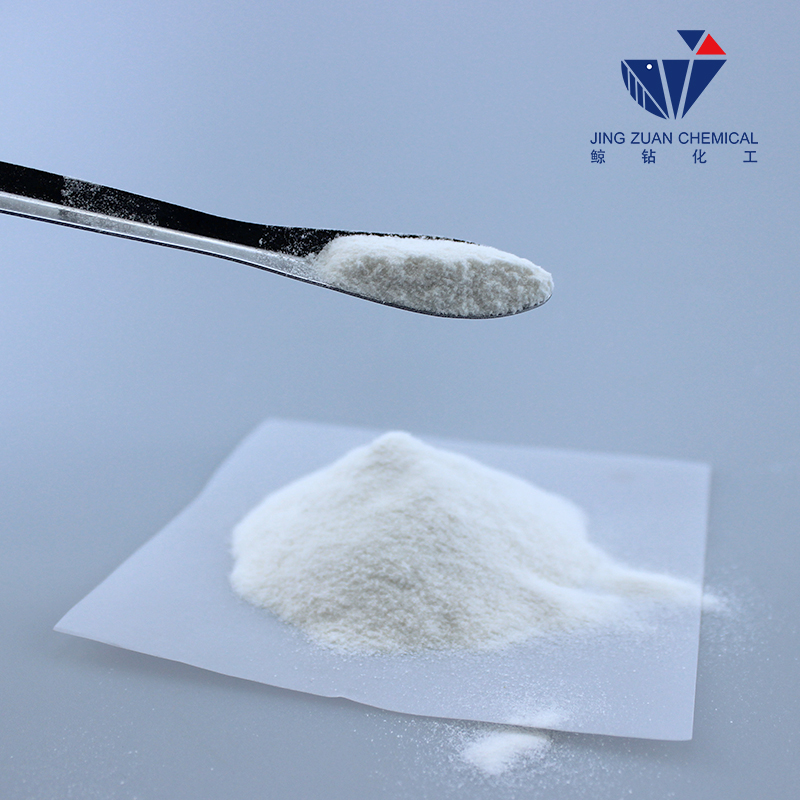
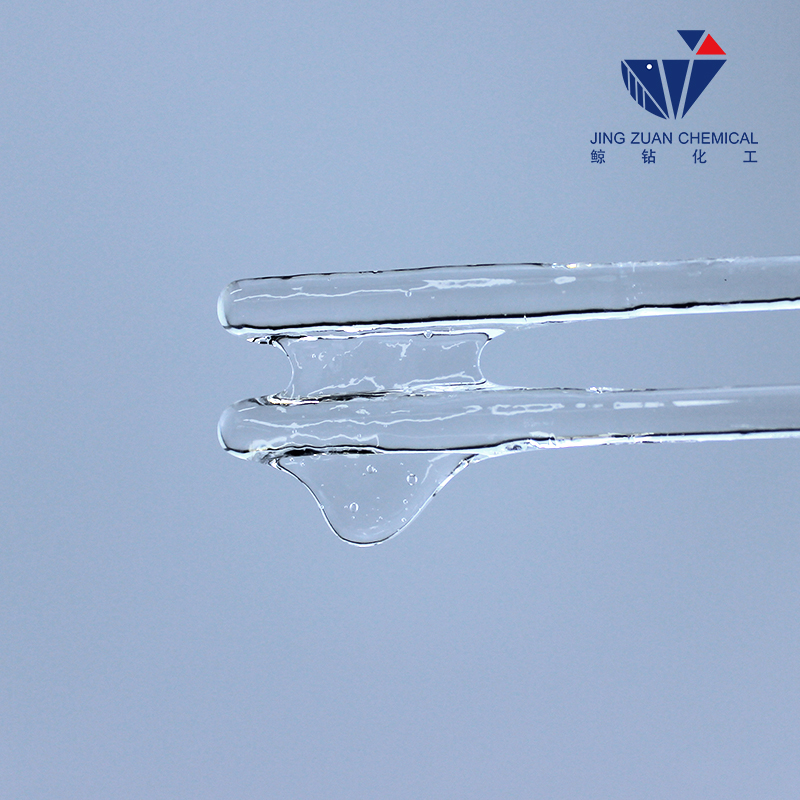
HPMC's exceptional performance stems from its unique combination of properties. It exhibits excellent thickening efficiency, providing increased viscosity in aqueous solutions even at low concentrations. Its film-forming ability creates strong, flexible films useful in coatings and controlled-release applications. Furthermore, HPMC’s water retention capacity prevents premature drying in formulations like cement-based materials. The molecule's thermal gelation property, where a solution becomes more viscous with heating, is also beneficial in specific applications. Finally, HPMC is generally odorless, tasteless, and non-toxic, making it suitable for food and pharmaceutical applications. These properties collectively contribute to HPMC’s widespread utility.
Key Highlights: Excellent thickening efficiency, film-forming ability, high water retention, thermal gelation properties, and non-toxicity.
HPMC in the Construction Industry
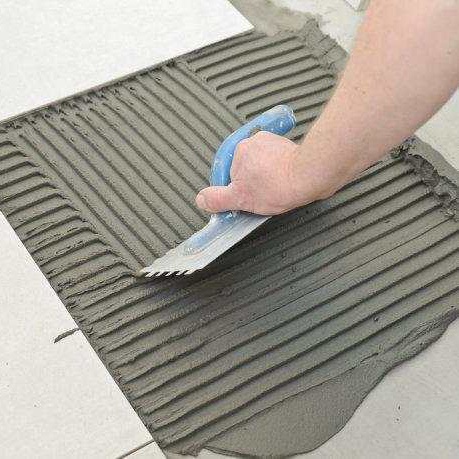
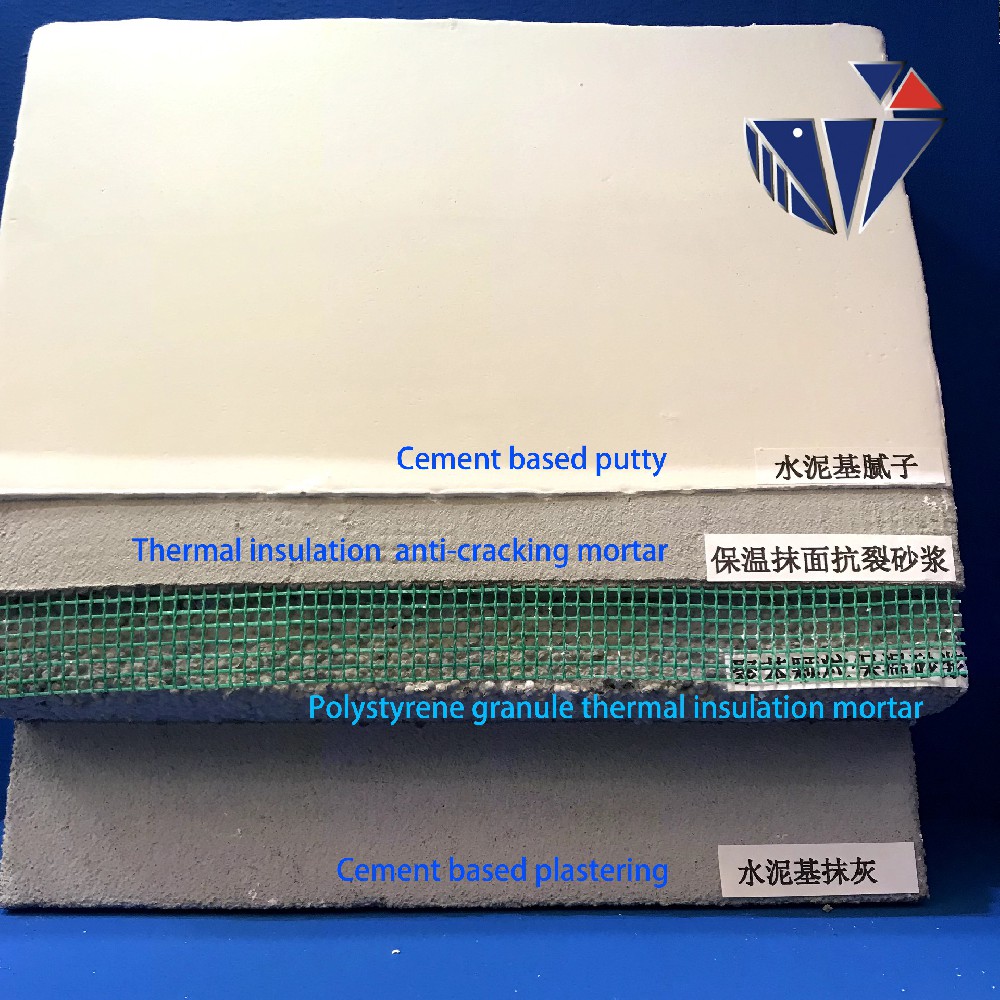
The construction industry is a major consumer of HPMC. It’s primarily used as a thickener and water retention agent in cement-based products like tile adhesives, cement renders, and self-leveling compounds. By retaining water, HPMC prevents rapid drying, allowing for proper cement hydration and improved bond strength. This leads to enhanced workability, adhesion, and crack resistance. HPMC also improves the sag resistance of these materials, making them easier to apply on vertical surfaces. The use of HPMC in construction ensures durable and high-quality results.
Benefits in Construction:
• Improved workability and adhesion
• Enhanced crack resistance
• Better sag resistance
• Prevents premature drying
Hydroxypropyl Methylcellulose Use in Pharmaceutical Applications
In the pharmaceutical industry, HPMC serves as a crucial excipient in various formulations. It’s widely used as a binder in tablet manufacturing, ensuring tablet integrity and consistent drug release. HPMC is also employed as a film-coating agent for tablets and capsules, providing protection against moisture and improving swallowing ease. Its controlled-release properties are leveraged in creating extended-release dosage forms, allowing for prolonged therapeutic effects. Moreover, HPMC acts as a viscosity-increasing agent in liquid formulations like suspensions and eye drops, improving their stability and delivery. Its biocompatibility and non-toxicity are paramount in pharmaceutical applications.
Diverse Applications of Hydroxypropyl Methylcellulose
Beyond construction and pharmaceuticals, HPMC finds applications in a wide array of industries. In the food industry, it acts as a thickener, stabilizer, and emulsifier in products like sauces, desserts, and baked goods. The cosmetics industry utilizes HPMC for its film-forming and thickening properties in creams, lotions, and shampoos. In paints and coatings, it controls viscosity and prevents pigment settling. Even in ceramics, it serves as a binder and plasticizer, improving green strength. HPMC’s adaptability makes it a valuable component in countless formulations.
HPMC Grades and Specifications
HPMC is available in various grades, differing in viscosity, particle size, and degree of substitution. Viscosity, measured in centipoise (cP), determines the thickening power of the material. Particle size affects dissolution rate and texture. The degree of substitution, reflecting the amount of hydroxypropyl and methyl groups attached to the cellulose molecule, influences its water solubility and gelation characteristics. Selecting the appropriate grade depends on the specific application requirements. Contact CNJZ Chemical for detailed product specifications.
Conclusion: The Versatile Power of HPMC
Hydroxypropyl methylcellulose is a remarkably versatile polymer with applications spanning numerous industries. Its unique combination of properties – thickening, binding, film-forming, and water retention – makes it an indispensable ingredient in countless formulations. By understanding its functionalities and selecting the appropriate grade, you can optimize product performance and achieve superior results. CNJZ Chemical provides high-quality HPMC solutions tailored to your specific needs.
Frequently Asked Questions (FAQs)
What is the shelf life of HPMC?
When stored properly in a cool, dry place away from direct sunlight and humidity, HPMC typically has a shelf life of 5 years. However, it’s always recommended to check the manufacturer’s certificate of analysis (COA) for specific expiration dates. Proper storage is crucial to prevent moisture absorption, which can affect its performance. Signs of degradation include clumping or changes in viscosity. Ensure the packaging is tightly sealed after each use to maintain its quality.
Is HPMC compatible with other ingredients?
HPMC generally exhibits good compatibility with a wide range of ingredients, including water, solvents, and other polymers. However, compatibility should always be tested, especially when formulating with strong acids, bases, or oxidizing agents. Some salts can affect its viscosity, so preliminary testing is recommended. It’s also advisable to avoid mixing HPMC with ingredients that cause significant changes in pH, as this could lead to precipitation or degradation.
How do I dissolve HPMC properly?
HPMC dissolves best in cold water with vigorous stirring. Avoid adding HPMC directly to hot water, as this can cause clumping. Instead, disperse the powder slowly into the cold water while continuously mixing. Once dispersed, the mixture can be heated to the desired temperature. The dissolution process may take some time, depending on the grade and concentration. Using a high-shear mixer can accelerate dissolution. Ensure complete dissolution before adding other ingredients to avoid inconsistencies in the final formulation.
-
Understanding Hydroxypropyl Methyl Cellulose MSDS Safety and Compliance
NewsApr.16,2026
-
Understanding the Hydroxypropyl Methyl Cellulose HS Code for Global Trade
NewsApr.09,2026
-
Comprehensive Guide to Hydroxypropyl Methyl Cellulose CAS Number and Applications
NewsApr.07,2026
-
Comprehensive Guide to Hydroxypropyl Methyl Cellulose cas no and its Diverse Applications
NewsApr.04,2026
-
Comprehensive Guide to Hydroxypropyl Methyl Cellulose Manufacturers and Applications
NewsMar.31,2026
-
Understanding Hydroxypropyl Methyl Cellulose Properties And Diverse Applications
NewsMar.28,2026