
Mar . 09, 2026 02:05 Back to list
Comprehensive Guide to Buy Hydroxypropyl Methylcellulose for Diverse Applications
Buy Hydroxypropyl Methylcellulose: A Comprehensive Guide
Hydroxypropyl methylcellulose (HPMC) is a versatile cellulose ether derivative used across a wide range of industries, including pharmaceuticals, construction, food, and cosmetics. Its thickening, binding, film-forming, and water-retention properties make it an invaluable ingredient. If you're looking to buy hydroxypropyl methylcellulose, understanding its applications, grades, and sourcing options is crucial. This guide provides an in-depth overview to help you make an informed decision. Choosing the right HPMC supplier, like CNJZ Chemical, is vital for consistent quality and reliable supply.
Understanding Hydroxypropyl Methylcellulose (HPMC)
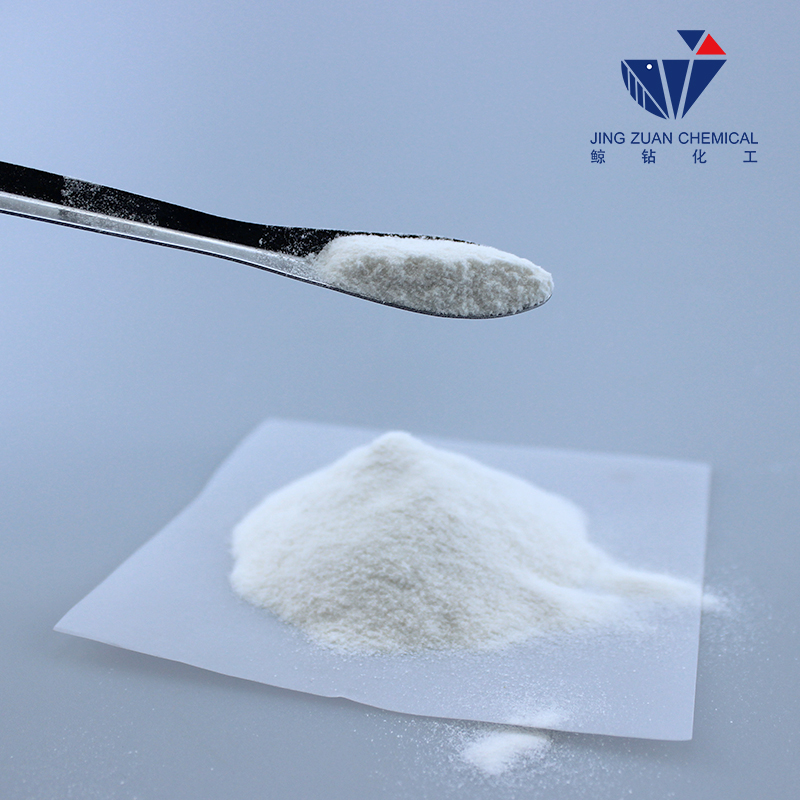
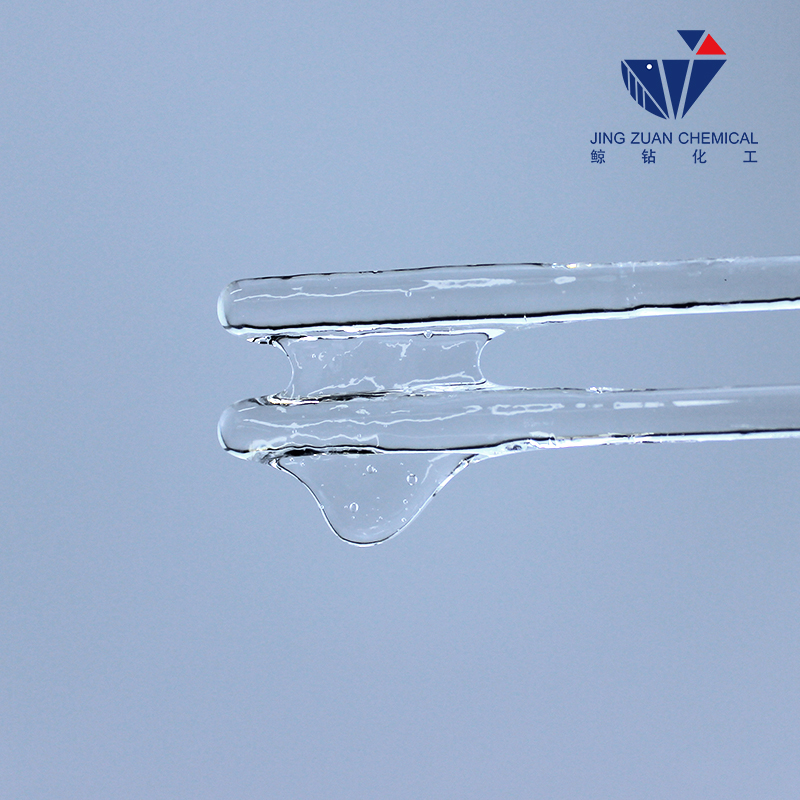
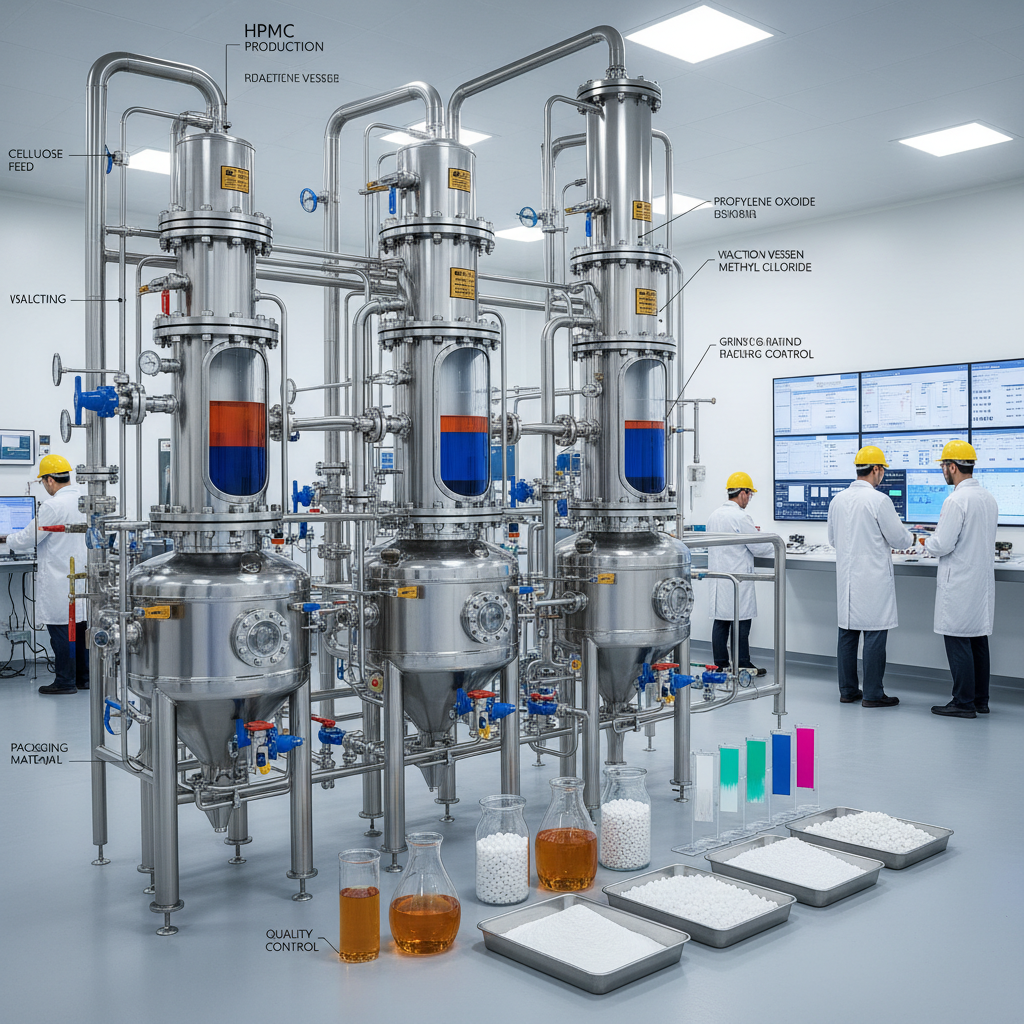
HPMC is a non-ionic, water-soluble polymer derived from cellulose. It's created by chemically modifying cellulose, adding methoxy and hydroxypropyl groups. This process alters the properties of cellulose, making it soluble in water and giving it unique characteristics. These properties include thickening ability, film formation, suspension stabilization, and surface activity. The degree of substitution (DS) of methoxy and hydroxypropyl groups influences the final properties of the HPMC grade. Understanding these properties is key when you buy hydroxypropyl methylcellulose.
Key Properties: Excellent water retention, thickening agent, film-forming capabilities, non-toxic, odorless, and tasteless.
Applications of Hydroxypropyl Methylcellulose
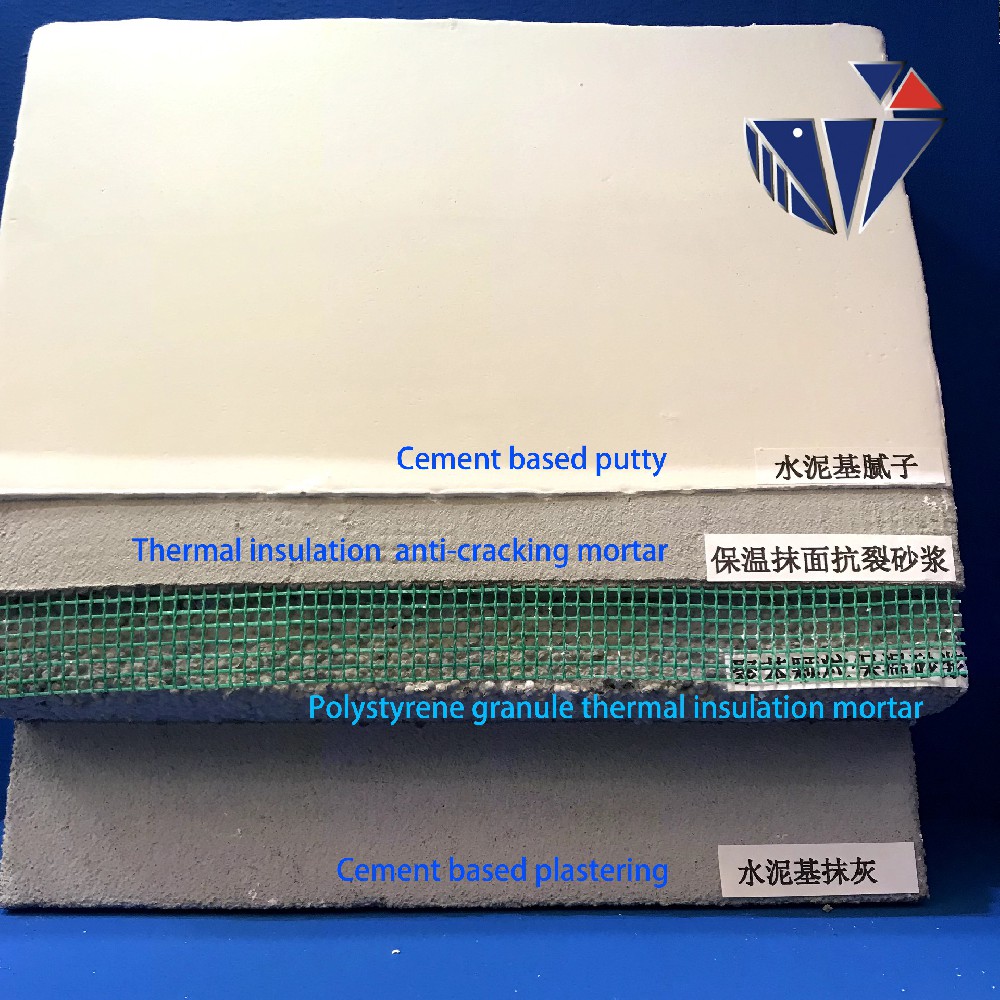
The wide range of applications for HPMC stems from its versatile properties. In the pharmaceutical industry, it’s used as a binder in tablets, a coating agent, and a viscosity-increasing agent in liquid formulations. In the construction industry, HPMC is added to cement-based products to improve workability, water retention, and adhesion. The food industry utilizes HPMC as a thickener, stabilizer, and emulsifier in various products like sauces, dressings, and baked goods. Cosmetic applications include its use in creams, lotions, and shampoos for thickening and stabilization. When you buy hydroxypropyl methylcellulose, it’s important to consider the specific grade needed for your application.
Diverse Applications:
• Pharmaceutical: Tablet binding, film coating
• Construction: Cement-based products, tile adhesives
• Food: Thickener, stabilizer, emulsifier
• Cosmetics: Creams, lotions, shampoos
Choosing the Right Grade: Buy Hydroxypropyl Methylcellulose for Specific Needs
HPMC is available in various grades, categorized primarily by viscosity, particle size, and degree of substitution. Viscosity, measured in centipoise (cP), determines the thickening power. Lower viscosity grades are suitable for applications requiring a less pronounced thickening effect, while higher viscosity grades are ideal for creating thick gels or suspensions. Particle size affects the dissolution rate of the HPMC in water. Smaller particle sizes dissolve more quickly. When you buy hydroxypropyl methylcellulose, carefully consider these factors to ensure optimal performance in your application.
Sourcing HPMC: Finding a Reliable Supplier
When you buy hydroxypropyl methylcellulose, partnering with a reputable supplier is essential. Consider factors like product quality, consistency, purity, packaging, and delivery reliability. Look for suppliers with robust quality control systems and certifications (e.g., ISO 9001). CNJZ Chemical offers a comprehensive range of HPMC grades, backed by rigorous quality assurance and efficient logistics.
Conclusion: Investing in Quality HPMC
Hydroxypropyl methylcellulose is a vital ingredient in numerous industries. Choosing the right grade and a reliable supplier, such as CNJZ Chemical, is critical for achieving optimal performance and consistent results. Understanding the key properties, applications, and sourcing considerations outlined in this guide will empower you to make an informed decision when you buy hydroxypropyl methylcellulose.
Frequently Asked Questions (FAQs)
What is the shelf life of HPMC?
When stored properly in a cool, dry place, protected from direct sunlight and moisture, HPMC typically has a shelf life of 2-3 years. However, it’s crucial to check the manufacturer's certificate of analysis (COA) for specific expiry dates. Proper storage is essential to maintain the quality and functionality of the product. Over time, exposure to humidity can cause the HPMC to absorb moisture, affecting its viscosity and performance. CNJZ Chemical provides detailed storage recommendations with each product.
Is HPMC safe for food applications?
Yes, HPMC is generally recognized as safe (GRAS) by the FDA for use in food applications within specified limits. It's non-toxic and doesn’t contribute to caloric content. However, it’s essential to use food-grade HPMC specifically manufactured for food applications, ensuring it meets the required purity and regulatory standards. Different grades of HPMC are available for specific food applications, such as thickening sauces or stabilizing ice cream.
How does HPMC affect the viscosity of a solution?
HPMC increases the viscosity of a solution by forming a network of entangled polymer chains. The degree of viscosity increase depends on several factors, including the HPMC grade (viscosity), concentration, temperature, and the presence of other ingredients. Higher concentrations of HPMC lead to higher viscosity. As temperature increases, viscosity generally decreases. Understanding these relationships is vital for formulating products with the desired texture and consistency.
-
Understanding Hydroxypropyl Methyl Cellulose MSDS Safety and Compliance
NewsApr.16,2026
-
Understanding the Hydroxypropyl Methyl Cellulose HS Code for Global Trade
NewsApr.09,2026
-
Comprehensive Guide to Hydroxypropyl Methyl Cellulose CAS Number and Applications
NewsApr.07,2026
-
Comprehensive Guide to Hydroxypropyl Methyl Cellulose cas no and its Diverse Applications
NewsApr.04,2026
-
Comprehensive Guide to Hydroxypropyl Methyl Cellulose Manufacturers and Applications
NewsMar.31,2026
-
Understanding Hydroxypropyl Methyl Cellulose Properties And Diverse Applications
NewsMar.28,2026