

-
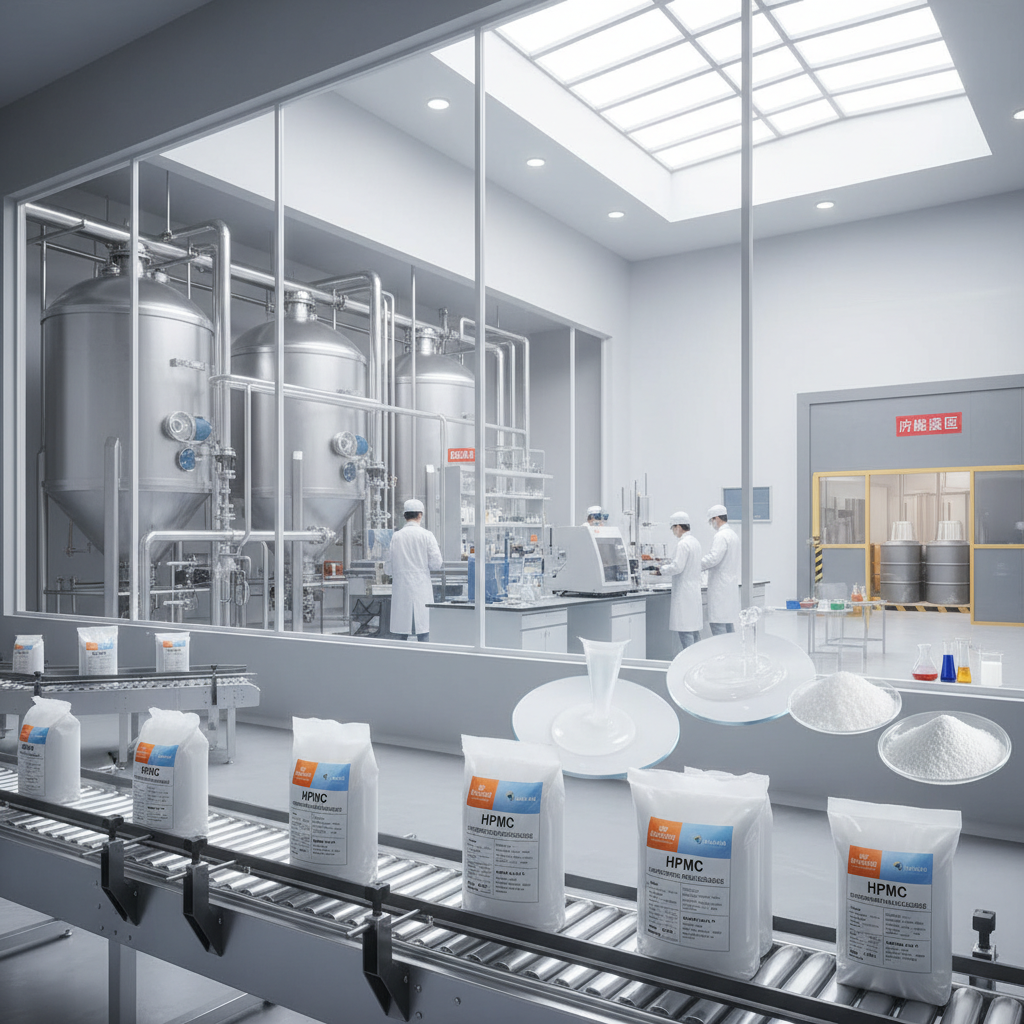 Hydroxypropyl Methyl Cellulose (HPMC) is a versatile polymer widely used across various industries, including pharmaceuticals, construction, food, and cosmetics. Its unique properties as a thickener, binder, film-former, and protective colloid make it an invaluable ingredient in numerous applications. This article will delve into the key characteristics, benefits, applications, and grades of HPMC, providing a thorough understanding for professionals and manufacturers. Understanding the nuances of HPMC is crucial for optimizing product performance and ensuring quality. HPMC is a non-ionic cellulose ether produced by chemically modifying cellulose. This modification imparts water solubility, thermal gelation properties, and excellent film-forming capabilities. Key benefits of using HPMC include its ability to control viscosity, improve stability, enhance texture, and provide sustained release characteristics. It's also biocompatible and non-toxic, making it suitable for pharmaceutical and food applications.Read more
 -
 Hydroxypropyl Methyl Cellulose (HPMC) is a versatile polymer derived from cellulose, widely utilized across diverse industries including construction, pharmaceuticals, food, and cosmetics. Known for its thickening, binding, film-forming, and water-retention properties, HPMC plays a crucial role in enhancing product performance and stability. This article provides an in-depth exploration of HPMC, its properties, applications, and how CNJZ Chemical delivers high-quality HPMC solutions to meet varied industrial needs. Understanding HPMC's characteristics is key to unlocking its full potential in your applications. HPMC is a non-ionic cellulose ether produced by chemically modifying cellulose. This modification introduces hydroxypropyl and methyl groups, altering the cellulose’s properties to enhance its solubility and functionality. The degree of substitution (DS) – the average number of substituent groups per anhydroglucose unit – significantly influences HPMC's characteristics, such as viscosity, gelation temperature, and water solubility. CNJZ Chemical's HPMC is manufactured with precise control over DS, ensuring consistent quality and performance.Read more
 -
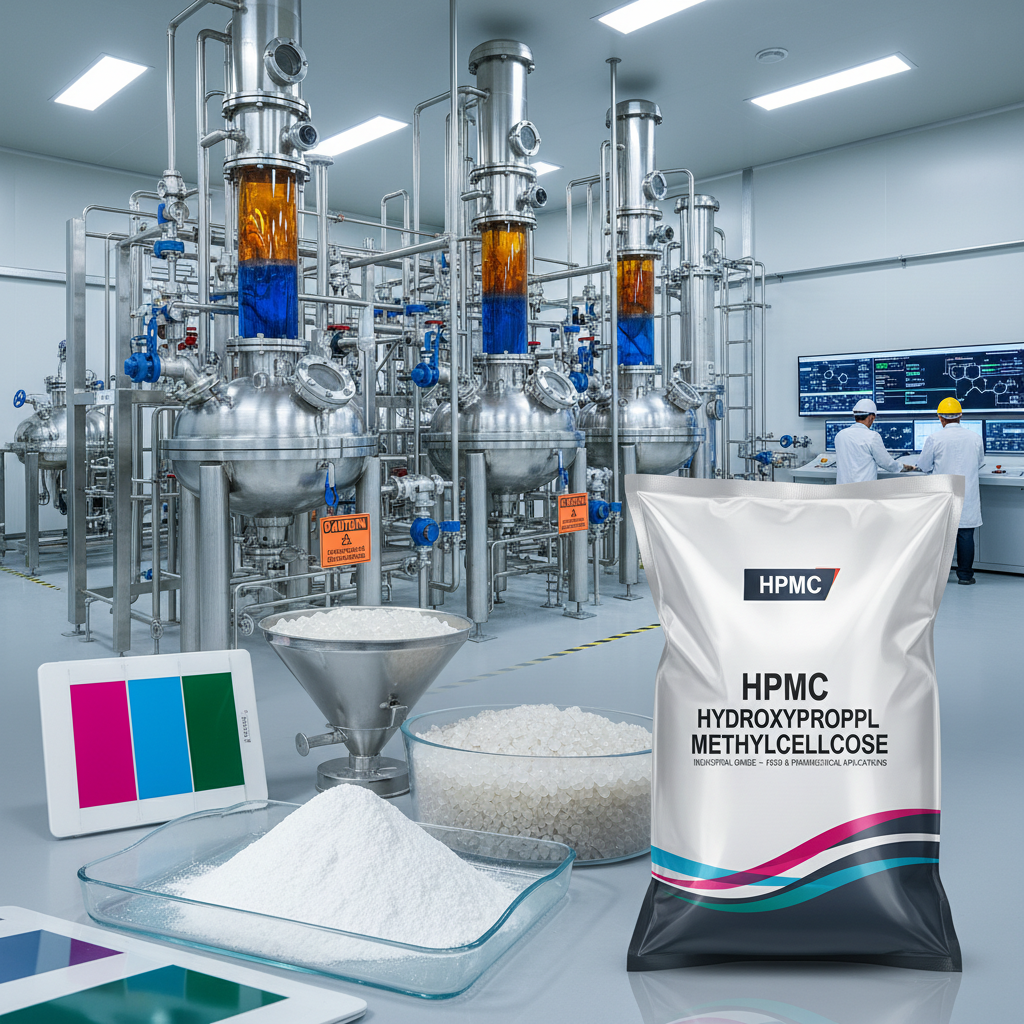 Hydroxypropyl methylcellulose (HPMC) is a versatile cellulose ether derivative widely used across various industries, including construction, pharmaceuticals, food, and personal care. Its unique properties—such as thickening, binding, film-forming, and water retention—make it an invaluable ingredient in diverse applications. Understanding its characteristics and applications is crucial for optimizing product performance and achieving desired results. We at CNJZ Chemical are dedicated to providing high-quality HPMC solutions tailored to your specific needs. Learn more about our HPMC products today. HPMC is a non-ionic, water-soluble polymer produced by chemically modifying cellulose. This modification introduces hydroxypropyl and methyl groups, granting HPMC its distinctive properties. The degree of substitution (DS) – the average number of substituent groups per glucose unit – significantly influences its solubility, gelation temperature, and other attributes. Key characteristics include excellent thermal gelation (meaning it forms a gel upon heating), surface activity, and compatibility with a wide range of polymers and resins. It’s also odorless, tasteless, and non-toxic, making it safe for use in food and pharmaceutical applications.Read more
 -
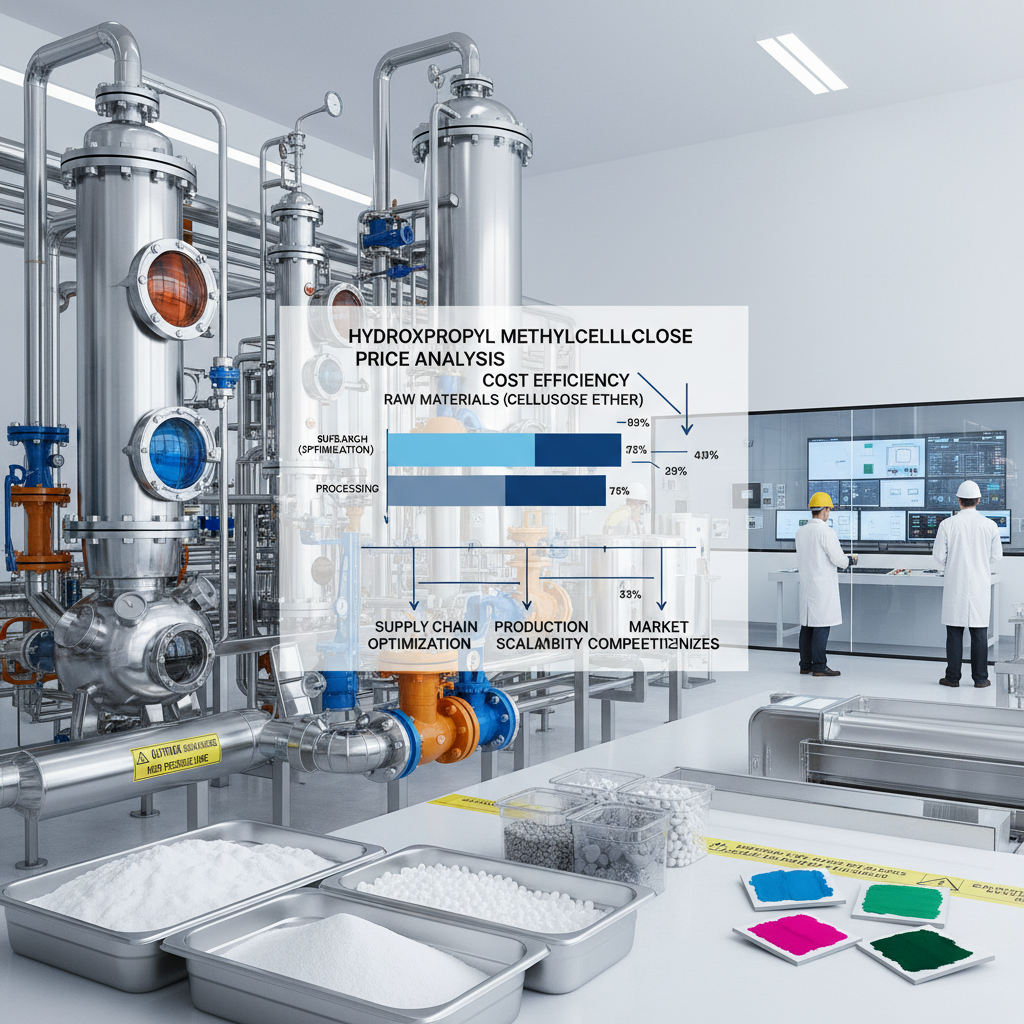 Hydroxypropyl methylcellulose (HPMC) is a versatile cellulose ether widely used in various industries, including construction, pharmaceuticals, food, and cosmetics. Understanding the HPMC price is crucial for businesses relying on this ingredient. This article explores the factors influencing HPMC pricing, current market trends, and where to source high-quality HPMC. We will delve into different grades, applications, and provide insights to help you make informed purchasing decisions. Several factors contribute to fluctuations in HPMC prices. Raw material costs, primarily cellulose, significantly impact the final price. Production processes, including manufacturing complexity and quality control measures, also play a role. Supply and demand dynamics are crucial; increased demand, particularly from booming construction sectors, can drive prices up. Transportation costs, tariffs, and currency exchange rates add to the overall expense.Read more
 -
Hydroxypropyl methylcellulose (HPMC) is a versatile cellulose ether derived from cellulose. It’s widely used across numerous industries – from construction and pharmaceuticals to food and personal care – due to its unique properties as a thickener, binder, film former, and protective colloid. CNJZ Chemical specializes in the production and supply of high-quality HPMC, tailored to meet diverse application needs. This article will delve into the properties, applications, and benefits of HPMC, offering a comprehensive understanding for professionals and potential users. HPMC is a non-ionic cellulose ether produced by modifying cellulose with methyl and hydroxypropyl groups. This modification imparts unique properties like water solubility, thermal gelation, and surface activity. It appears as a white or off-white powder, odorless, and tasteless. The degree of substitution (DS) of methyl and hydroxypropyl groups influences HPMC’s properties, allowing for tailored grades to suit specific applications. HPMC possesses a remarkable set of properties that make it invaluable in various applications. These include thickening, water retention, film formation, thermal gelation, suspension stability, and adhesion.Read more
-
Hydroxypropyl methyl cellulose (HPMC) is a versatile cellulose ether widely used across numerous industries, from construction and pharmaceuticals to food and personal care. Its unique properties as a thickener, binder, film-former, and water retention agent make it an invaluable ingredient in diverse applications. This article provides an in-depth exploration of HPMC, covering its properties, applications, grades, and benefits. Understanding HPMC’s characteristics is crucial for optimizing formulations and achieving desired product performance. HPMC is derived from cellulose, a natural polymer found in plant cell walls. Through chemical modification, cellulose is transformed into HPMC, exhibiting enhanced water solubility and unique rheological properties. Key characteristics include its ability to thicken aqueous solutions, create stable emulsions, improve water retention, and form clear, flexible films. The degree of substitution (DS) of hydroxypropyl and methyl groups influences the polymer’s properties, such as solubility, gelation temperature, and water retention capacity.Read more
-
Hydroxymethylcellulose (HPMC) is a versatile polymer widely used in diverse industries like pharmaceuticals, food, construction, and cosmetics. A frequent question arises: is HPMC soluble in water? The answer, while seemingly simple, involves understanding its unique properties and how to achieve optimal dissolution. This article will delve into the solubility of HPMC, factors influencing it, its various applications, and where to source high-quality HPMC – CNJZ Chemical. Understanding these details is crucial for leveraging HPMC's benefits effectively in your applications. HPMC is not instantly soluble in cold water like sugar or salt. Instead, it exhibits a unique behavior. When HPMC powder is added to cold water, it initially disperses, forming a cloudy suspension. To achieve complete dissolution, the mixture needs to be heated. This process allows the water molecules to penetrate the HPMC structure, breaking the hydrogen bonds and allowing the polymer chains to unravel and dissolve. The resulting solution is typically clear and viscous, with the viscosity depending on the grade and concentration of HPMC used. Different grades of HPMC, varying in molecular weight and degree of substitution, exhibit differing solubility characteristics.Read more
-
Hydroxypropyl Methylcellulose (HPMC) is a versatile polymer widely used across various industries. A key characteristic affecting its application is its solubility, particularly in cold water. While HPMC is generally soluble in water, understanding the nuances of solubility in cold water is crucial for achieving optimal results. This article will delve into the factors influencing HPMC solubility, different grades available, and methods to enhance dissolution. Choosing the right HPMC grade from a reliable supplier like CNJZ Chemical is paramount for consistent performance. Several factors significantly impact how easily HPMC dissolves in cold water. These include the degree of substitution (DS), molecular weight, and viscosity grade. Higher DS generally leads to better cold water solubility. Molecular weight plays a role too; lower molecular weight HPMC typically dissolves faster.Read more
-
Understanding the hpmc powder price is crucial for businesses across various industries, from construction and pharmaceuticals to food and cosmetics. Hydroxypropyl Methylcellulose (HPMC) is a versatile cellulose ether known for its thickening, binding, film-forming, and water-retention properties. This article provides a detailed overview of factors influencing HPMC powder prices, current market trends, and how to source quality HPMC from a reliable supplier like CNJZ Chemical. Choosing the right HPMC grade and understanding price fluctuations can significantly impact your product costs and overall profitability. Several key factors contribute to the fluctuation of HPMC powder price. Raw material costs, primarily cellulose, play a significant role. Production processes, including the degree of substitution (DS) and viscosity, also impact the price. Higher viscosity grades typically command a premium due to more complex manufacturing. Market demand and supply dynamics, seasonal variations, and geopolitical factors contribute to price volatility.Read more