
Mar . 19, 2026 02:05 Back to list
Exploring Hydroxypropyl Methylcellulose Uses in Tablets for Pharmaceutical Formulations
Hydroxypropyl Methylcellulose Uses in Tablets: A Comprehensive Guide
Hydroxypropyl methylcellulose (HPMC) is a versatile polymer widely utilized in the pharmaceutical industry, particularly as an excipient in tablet formulations. Its unique properties make it invaluable for controlling drug release, enhancing tablet stability, and improving manufacturing processes. This article delves into the various hydroxypropyl methylcellulose uses in tablets, exploring its functions, grades, and benefits. Understanding these applications is crucial for pharmaceutical scientists and manufacturers aiming to develop high-quality, effective medications.
Understanding Hydroxypropyl Methylcellulose (HPMC)
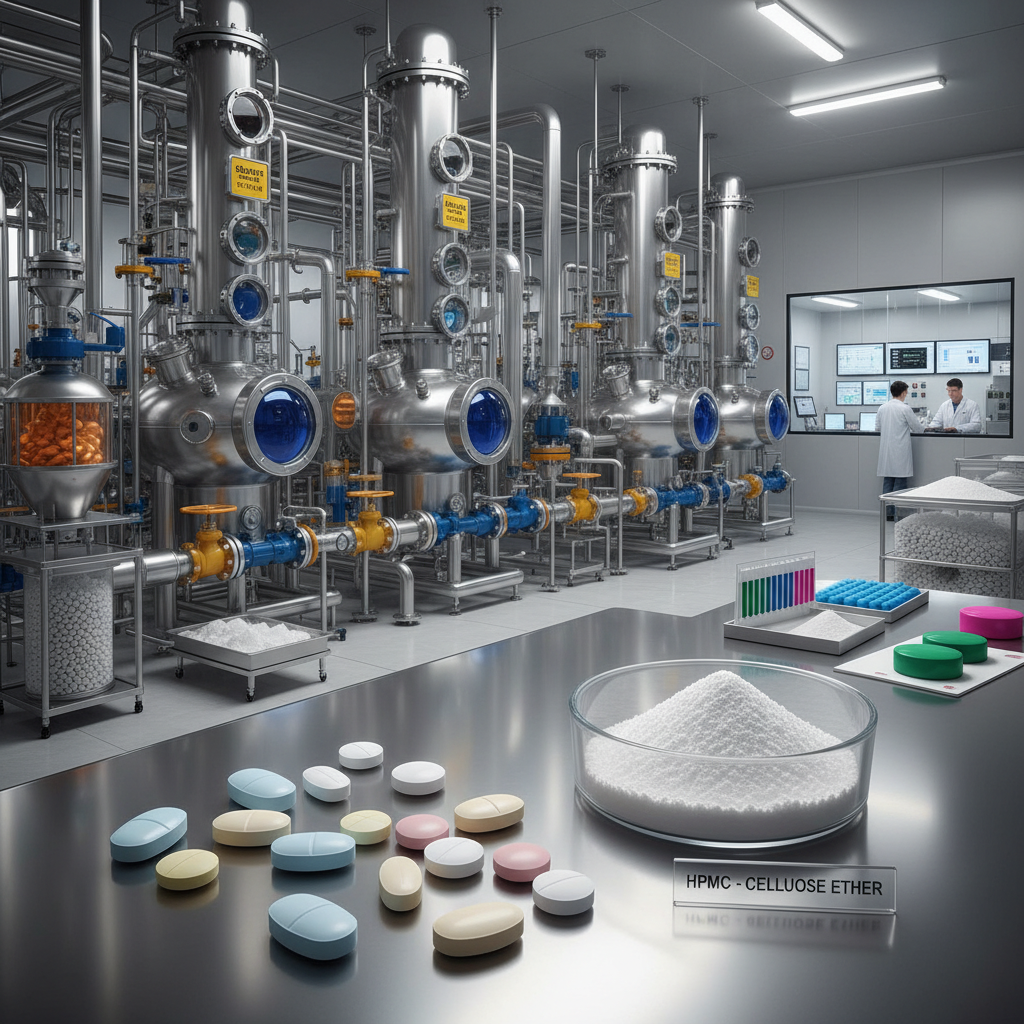
HPMC is a non-ionic, semi-synthetic polymer derived from cellulose through chemical modification. It’s known for its excellent film-forming ability, thickening properties, and controlled-release characteristics. Its solubility in water varies depending on the degree of substitution of the hydroxypropyl and methyl groups, allowing for tailored performance in tablet formulations. The versatility of HPMC makes it a staple excipient in both immediate-release and modified-release tablets. The quality of HPMC significantly impacts the final tablet properties, making sourcing from reputable suppliers like CNJZ Chemical paramount.
Key Highlights: HPMC is a versatile polymer offering excellent film-forming, thickening, and controlled-release characteristics. Its solubility is adjustable, enabling tailored performance in tablet formulations.
HPMC as a Binder in Tablet Formulation
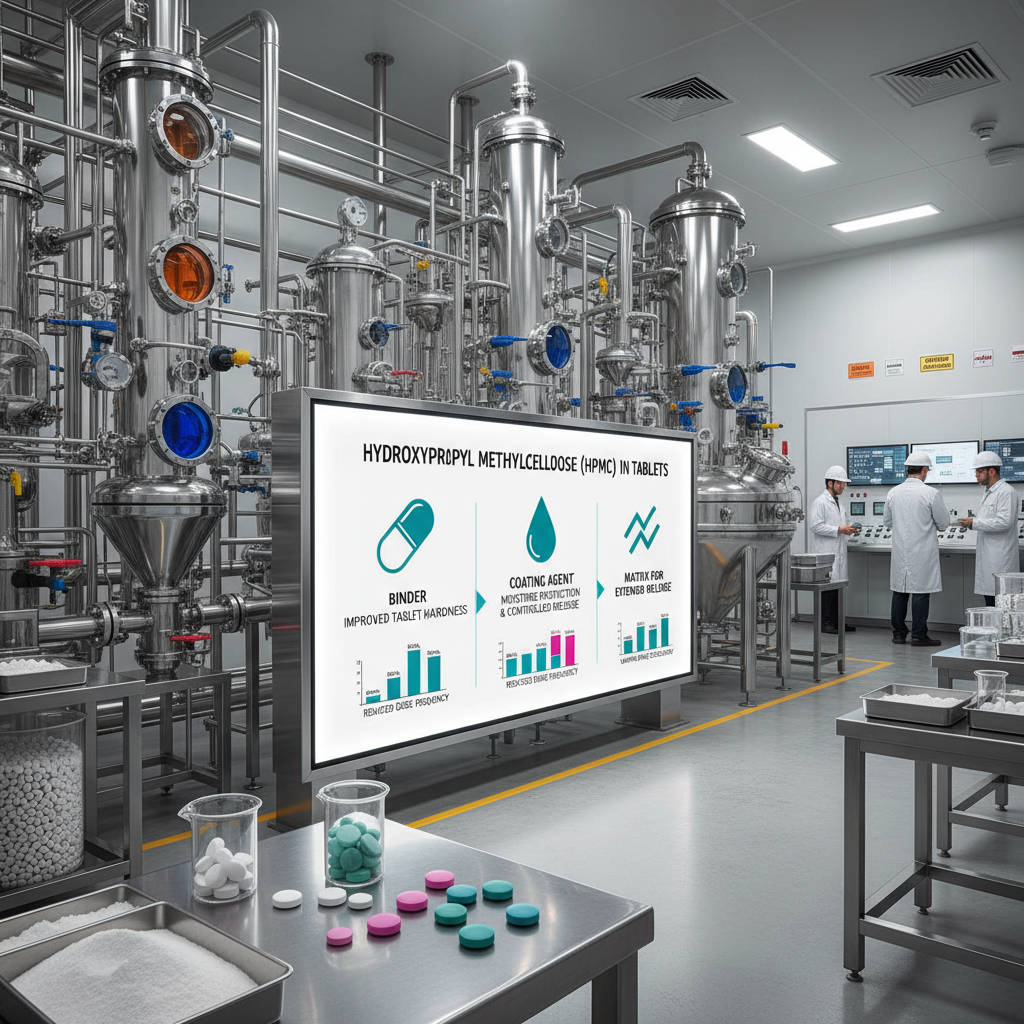
One of the most common hydroxypropyl methylcellulose uses in tablets is as a binder. A binder holds the ingredients of a tablet together, providing the necessary cohesion for compression into a durable tablet form. HPMC excels in this role due to its adhesive properties and ability to form strong, yet flexible, films. It provides excellent tablet hardness and reduces friability, ensuring tablets remain intact during handling, packaging, and administration. Different viscosity grades of HPMC are available, influencing the binding strength and tablet compaction properties. Selecting the appropriate viscosity is crucial for achieving optimal tablet characteristics.
Binder Benefits:
• Excellent cohesive properties
• Provides tablet hardness and reduces friability
• Available in various viscosity grades for tailored performance
HPMC for Controlled Release Applications
HPMC is particularly valuable in formulating controlled-release tablets, enabling sustained drug delivery over an extended period. This is achieved through the formation of a gel matrix around the drug particles. As the tablet comes into contact with gastrointestinal fluids, HPMC hydrates and forms a viscous gel layer, slowing down the diffusion of the drug. The rate of drug release can be precisely controlled by adjusting the HPMC grade, concentration, and the manufacturing process. This leads to improved therapeutic efficacy, reduced dosing frequency, and minimized side effects. Utilizing high-quality HPMC is crucial for achieving predictable and consistent drug release profiles.
HPMC as a Film Coating Agent
Beyond binding and controlled release, HPMC is also widely used as a film-coating agent for tablets. The film coating protects the drug from environmental factors like moisture and light, improving its stability. It also masks unpleasant tastes and odors, making the tablets easier to swallow. HPMC coatings are smooth, elegant, and can be colored for product identification. The polymer forms a continuous, flexible film that adheres well to the tablet core. CNJZ Chemical offers various grades of HPMC specifically designed for film coating applications, ensuring optimal performance and aesthetic appeal.
HPMC Grades and Specifications
HPMC is available in a wide range of grades, differing in viscosity, particle size, and degree of substitution. The selection of the appropriate grade depends on the specific tablet formulation and desired performance characteristics. Understanding these specifications is crucial for successful formulation development. Here's a table outlining some common specifications:
Conclusion: Optimizing Tablet Formulations with HPMC
HPMC is an indispensable excipient in the pharmaceutical industry, offering a versatile solution for enhancing tablet performance and patient compliance. From binding and controlled release to film coating, its diverse applications and tunable properties make it a cornerstone of modern tablet formulation. Sourcing from a trusted supplier like CNJZ Chemical ensures the consistent quality and performance required for successful drug product development.
Frequently Asked Questions (FAQs)
What factors influence the gel formation of HPMC in controlled-release tablets?
Several factors influence HPMC gel formation, including the polymer grade (viscosity), concentration, temperature, and pH of the surrounding medium. Higher viscosity HPMC forms a more robust gel matrix, leading to slower drug release. Increased HPMC concentration also enhances gel strength. The gel formation process is temperature-dependent, with lower temperatures generally resulting in slower gelation. pH plays a crucial role, as HPMC exhibits different swelling and dissolution characteristics at varying pH levels. Optimizing these factors is critical for achieving the desired drug release profile.
Is HPMC compatible with all drug substances?
While HPMC is generally considered a versatile and compatible excipient, compatibility with specific drug substances should always be evaluated. Some drugs may interact with HPMC, potentially affecting its properties or the drug’s stability. Conducting compatibility studies, such as assessing physical mixtures and stressed conditions, is essential to identify any potential incompatibilities. Factors to consider include the drug’s solubility, pH sensitivity, and reactivity.
What is the role of HPMC in moisture protection for tablets?
HPMC acts as a moisture barrier due to its low permeability to water. When used as a film coating, it creates a protective layer around the tablet, preventing moisture ingress. This is particularly important for moisture-sensitive drugs, as exposure to humidity can lead to degradation and loss of potency. The effectiveness of HPMC as a moisture barrier depends on the coating thickness, HPMC grade, and application technique. Properly formulated HPMC coatings can significantly extend the shelf life of tablets.
-
Understanding Hydroxypropyl Methyl Cellulose MSDS Safety and Compliance
NewsApr.16,2026
-
Understanding the Hydroxypropyl Methyl Cellulose HS Code for Global Trade
NewsApr.09,2026
-
Comprehensive Guide to Hydroxypropyl Methyl Cellulose CAS Number and Applications
NewsApr.07,2026
-
Comprehensive Guide to Hydroxypropyl Methyl Cellulose cas no and its Diverse Applications
NewsApr.04,2026
-
Comprehensive Guide to Hydroxypropyl Methyl Cellulose Manufacturers and Applications
NewsMar.31,2026
-
Understanding Hydroxypropyl Methyl Cellulose Properties And Diverse Applications
NewsMar.28,2026