
Mar . 11, 2026 02:05 Back to list
Comprehensive Guide to Hydroxypropyl Methyl Cellulose HPMC Properties and Applications
Hydroxypropyl Methyl Cellulose (HPMC): A Comprehensive Guide
Hydroxypropyl methyl cellulose (HPMC) is a versatile cellulose ether widely used across various industries, including construction, pharmaceuticals, food, and personal care. Its thickening, binding, film-forming, and water-retention properties make it an invaluable ingredient in countless applications. Understanding the properties and applications of HPMC is crucial for optimizing product performance and achieving desired results. This guide provides a detailed overview of HPMC, covering its characteristics, grades, applications, and benefits.
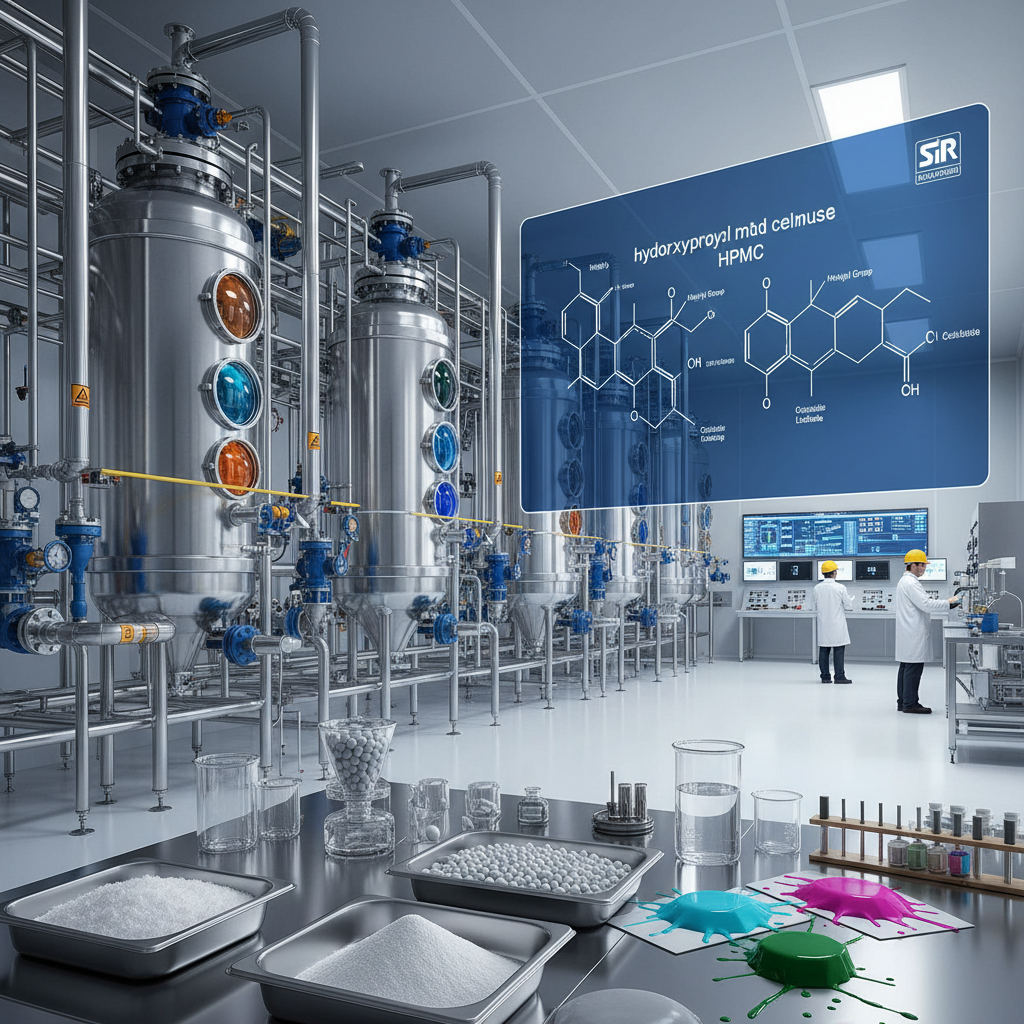
What is Hydroxypropyl Methyl Cellulose (HPMC)?
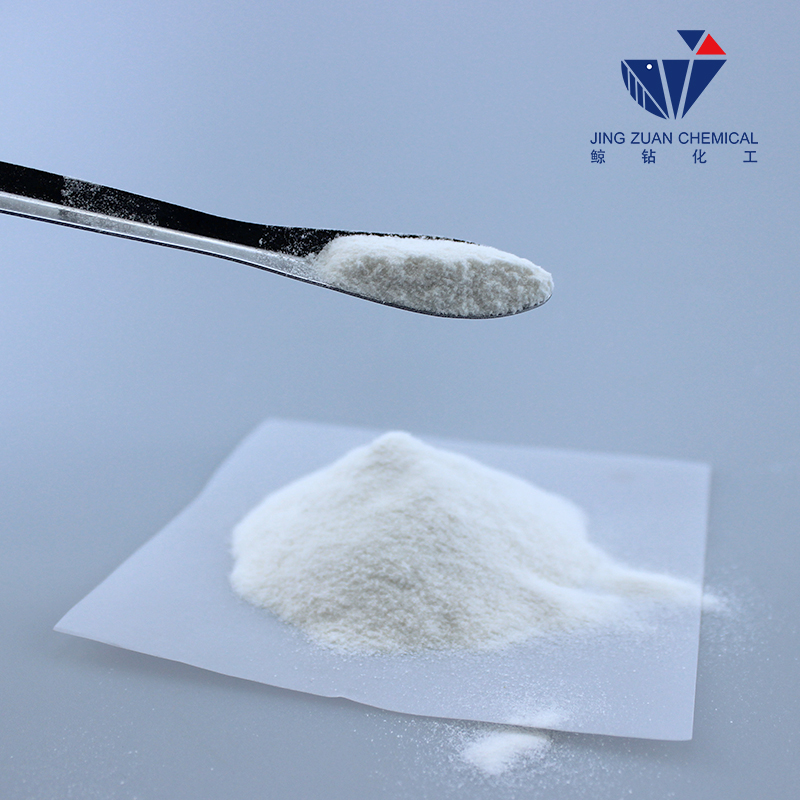
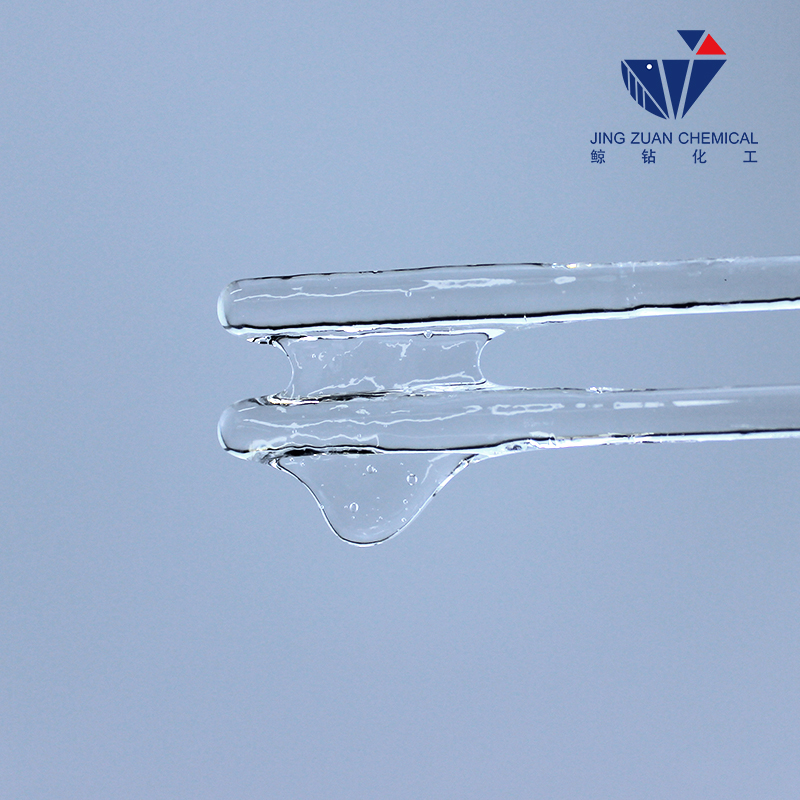
HPMC is a non-ionic, water-soluble polymer derived from cellulose, a natural component of plant cell walls. It's produced by chemically modifying cellulose through a series of reactions involving methyl chloride and propylene oxide. This modification results in a powder that, when dissolved in water, creates a clear, viscous solution. The degree of substitution (DS) – the amount of methyl and hydroxypropyl groups attached to the cellulose backbone – dictates the HPMC’s properties, such as solubility, viscosity, and gelation temperature. Different grades of HPMC are available to suit specific application requirements. CNJZ Chemical offers a wide range of HPMC grades tailored to diverse industrial needs.
Key Highlights: HPMC is a non-ionic, water-soluble polymer derived from cellulose, providing thickening, binding, film-forming, and water-retention properties.
Key Properties of Hydroxypropyl Methyl Cellulose
HPMC possesses several key properties that make it a highly valuable ingredient. These include: Thickening: HPMC increases the viscosity of aqueous solutions, providing desired consistency. Binding: It acts as a binder, holding ingredients together in solid formulations. Film-forming: HPMC forms clear, flexible films with excellent oxygen barrier properties. Water Retention: It effectively retains water, preventing drying and cracking. Thermal Gelation: Some HPMC grades exhibit thermal gelation, meaning they gel when heated and revert to a liquid state upon cooling. Chemical Stability: HPMC is generally stable in a wide range of pH and temperature conditions. These characteristics make it ideal for numerous applications.
HPMC Key Properties:
• Thickening
• Binding
• Film-forming
• Water Retention
• Thermal Gelation
HPMC Grades and Their Applications
HPMC is available in various grades, categorized by viscosity, substitution degree, and particle size. Different grades are tailored for specific applications. For example, higher viscosity grades are commonly used in construction materials to improve workability and water retention. Lower viscosity grades are preferred in pharmaceutical formulations for controlled drug release. Understanding these distinctions is critical for selecting the appropriate grade for your application. CNJZ Chemical provides comprehensive technical data sheets for each grade, facilitating informed decision-making.
Applications Across Industries
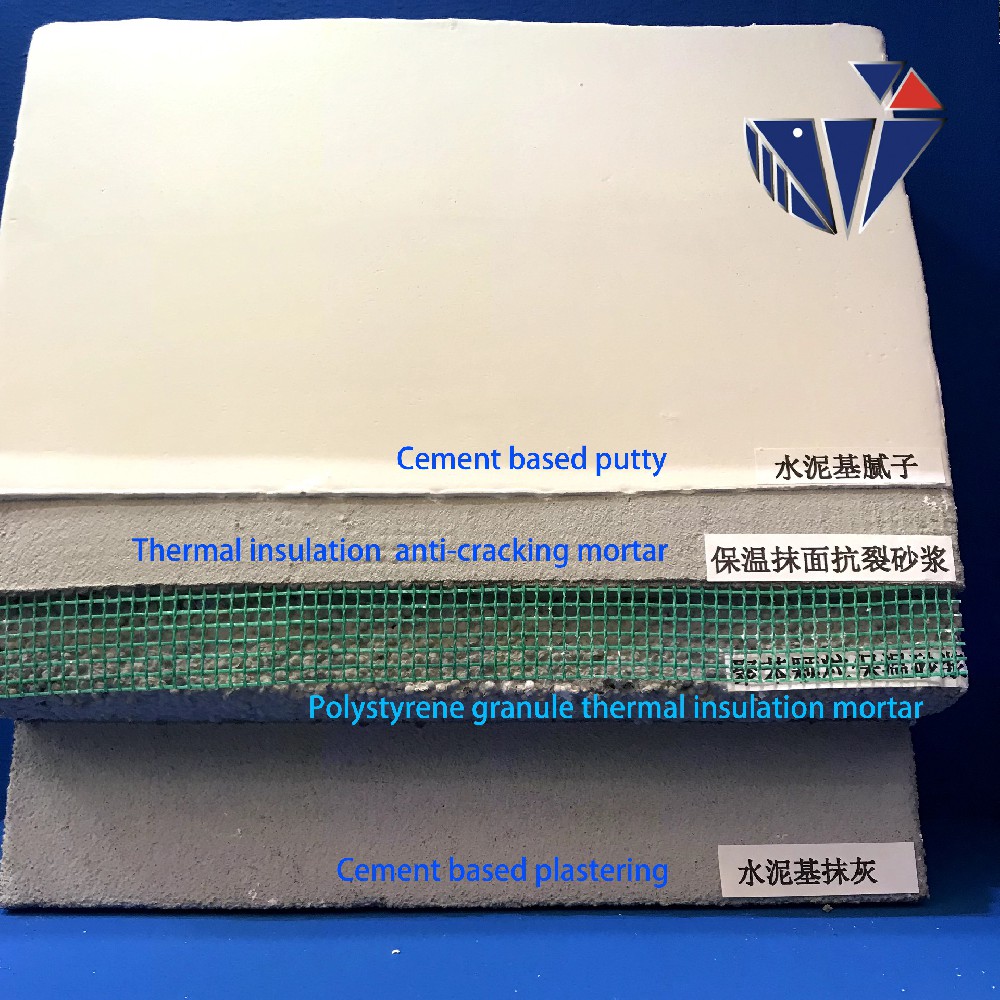
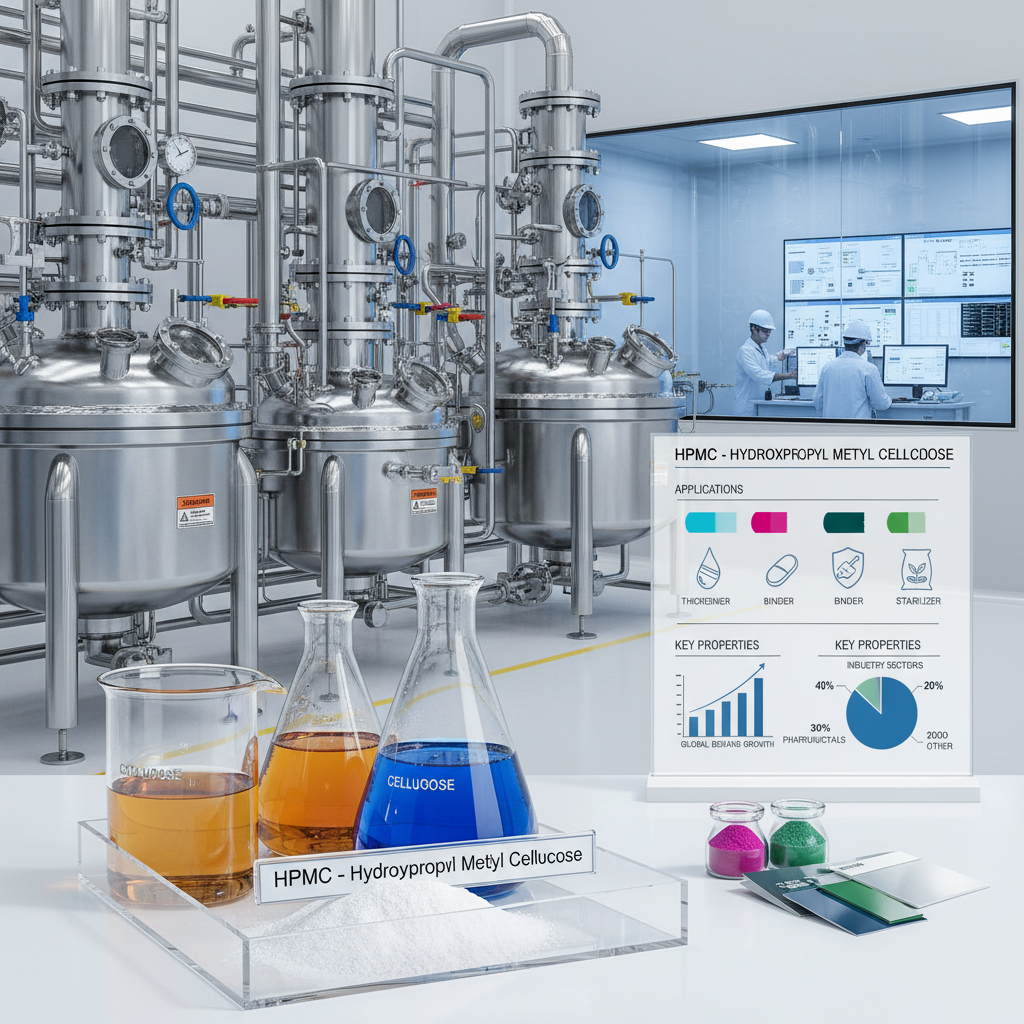
The versatility of HPMC extends to a wide range of industries. In construction, it’s used in tile adhesives, cement mortars, skim coats, and self-leveling compounds to improve workability, water retention, and adhesion. In the pharmaceutical industry, HPMC serves as a binder, film-coating agent, and controlled-release matrix for tablets and capsules. The food industry utilizes HPMC as a thickener, stabilizer, and emulsifier in sauces, dressings, and baked goods. The personal care industry incorporates HPMC in shampoos, lotions, and creams for its thickening and film-forming properties.
Benefits of Using Hydroxypropyl Methyl Cellulose
Utilizing HPMC offers numerous advantages, including improved product performance, enhanced stability, and increased efficiency. Its excellent water retention capabilities reduce cracking and shrinkage in construction materials. In pharmaceuticals, it enables controlled drug release, optimizing therapeutic effects. In food applications, it improves texture and shelf life. Furthermore, HPMC is a cost-effective and environmentally friendly alternative to many synthetic polymers. Choosing HPMC from a reputable supplier like CNJZ Chemical ensures consistent quality and reliable performance.
Conclusion: Unleashing the Potential of HPMC
Hydroxypropyl methyl cellulose (HPMC) stands as a remarkably versatile polymer with applications spanning countless industries. Its unique properties, including thickening, binding, film-forming, and water retention, make it an essential ingredient for formulating high-performance products. By understanding the different grades and selecting the right HPMC for your specific needs, you can unlock its full potential and achieve optimal results. Explore the comprehensive range of HPMC products offered by CNJZ Chemical to find the perfect solution for your application.
Frequently Asked Questions (FAQs)
What factors affect the solubility of HPMC?
The solubility of HPMC is influenced by several factors, including the degree of substitution (DS), molecular weight, and temperature. Higher DS generally leads to better solubility. Lower molecular weight HPMC dissolves more readily than higher molecular weight grades. Increasing the water temperature accelerates dissolution. Agitation also helps to disperse the HPMC powder and promote hydration. It’s important to note that HPMC dissolves in cold water but requires adequate mixing to prevent clumping. Utilizing warm water and vigorous stirring can significantly reduce dissolution time.
Is HPMC safe for use in food applications?
Yes, HPMC is generally recognized as safe (GRAS) by regulatory bodies such as the US Food and Drug Administration (FDA) and the European Food Safety Authority (EFSA) for use in food applications. It's a non-toxic, odorless, and tasteless polymer that doesn't contribute significantly to the caloric content of food products. HPMC is widely used as a thickener, stabilizer, and emulsifier in a variety of food items, including sauces, dressings, baked goods, and dairy products.
How should HPMC be stored to maintain its quality?
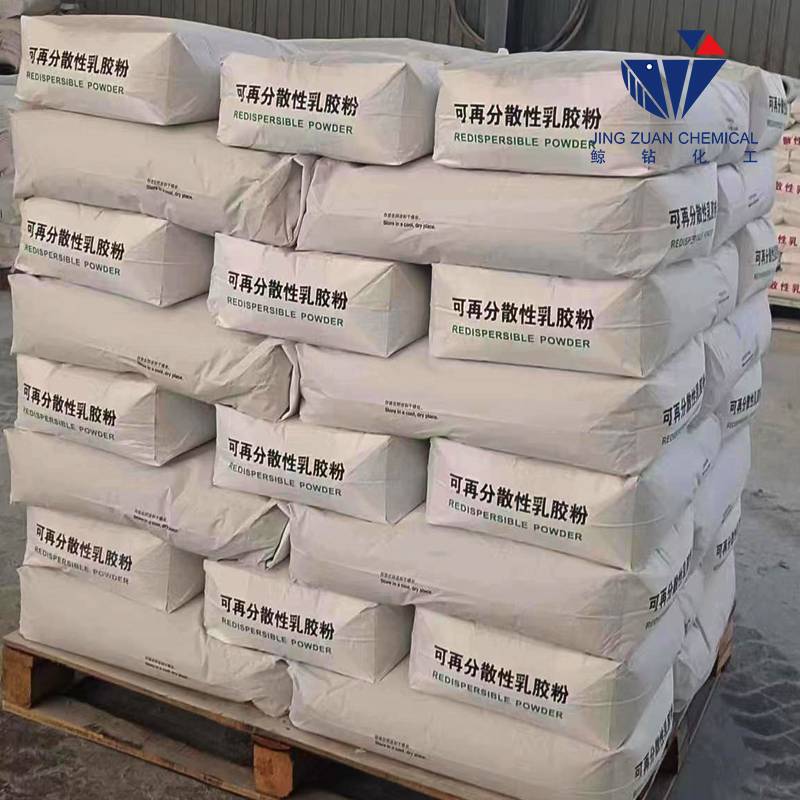
To preserve the quality of HPMC, it should be stored in a cool, dry, and well-ventilated area, away from direct sunlight, heat, and moisture. Keep containers tightly closed to prevent the absorption of moisture from the air, as this can lead to clumping and reduced performance. The recommended storage temperature is between 4°C and 30°C. Following proper storage guidelines ensures the HPMC remains stable and retains its desired properties for an extended period.
-
Understanding Hydroxypropyl Methyl Cellulose MSDS Safety and Compliance
NewsApr.16,2026
-
Understanding the Hydroxypropyl Methyl Cellulose HS Code for Global Trade
NewsApr.09,2026
-
Comprehensive Guide to Hydroxypropyl Methyl Cellulose CAS Number and Applications
NewsApr.07,2026
-
Comprehensive Guide to Hydroxypropyl Methyl Cellulose cas no and its Diverse Applications
NewsApr.04,2026
-
Comprehensive Guide to Hydroxypropyl Methyl Cellulose Manufacturers and Applications
NewsMar.31,2026
-
Understanding Hydroxypropyl Methyl Cellulose Properties And Diverse Applications
NewsMar.28,2026